Protecting Machinery With Custom-Fitted Metal Mesh Safety Guards
Industrial machinery must often operate at high speed, high temperature, and considerable force. Rotating shafts, belts, chains, gears, cutting tools, and automated transfer systems can create serious hazards when moving components are exposed. A properly designed guard places a durable physical barrier between people and danger without making routine production tasks unnecessarily difficult.
Custom-fitted metal mesh safety guards provide a practical way to secure machinery while preserving visibility, ventilation, and access for inspection. Unlike improvised barriers or oversized enclosures, a mesh guard can be shaped around the actual equipment, leaving suitable clearance for motion, heat dissipation, maintenance, and future adjustments.
The right solution depends on the machine, the operating environment, and the risks that need to be controlled. Material selection, mesh opening, frame construction, mounting hardware, access doors, and surface treatment all affect long-term performance. Treating the guard as part of the machine system leads to safer and more reliable results.
Why Machine Guards Matter
A machine guard is a physical control designed to prevent contact with hazardous moving parts. It can stop hands, clothing, tools, and loose materials from entering a danger zone while allowing the equipment to perform its intended function. In many facilities, guarding is also used to control sparks, contain fragments, reduce accidental impact, and separate pedestrians from automated equipment.
Metal mesh is especially useful when operators need to see the machine during operation. Clear visibility helps workers identify jams, monitor indicator lights, check product flow, and notice unusual movement without removing the enclosure. This reduces the temptation to bypass a guard simply to observe the process.
A fixed barrier also supports better workplace organization. Guards can define walkways, protect control panels, and separate production cells from loading areas. When the barrier is engineered for the space instead of assembled from random panels, it creates a cleaner installation with fewer gaps and less opportunity for unauthorized access.
Designing Around the Equipment
Effective guarding begins with accurate information about the machinery. Designers should review the dimensions of the equipment, the location of moving components, access points, service intervals, surrounding walkways, and nearby electrical or pneumatic systems. The guard must prevent access to hazardous areas while leaving enough room for safe operation and maintenance.
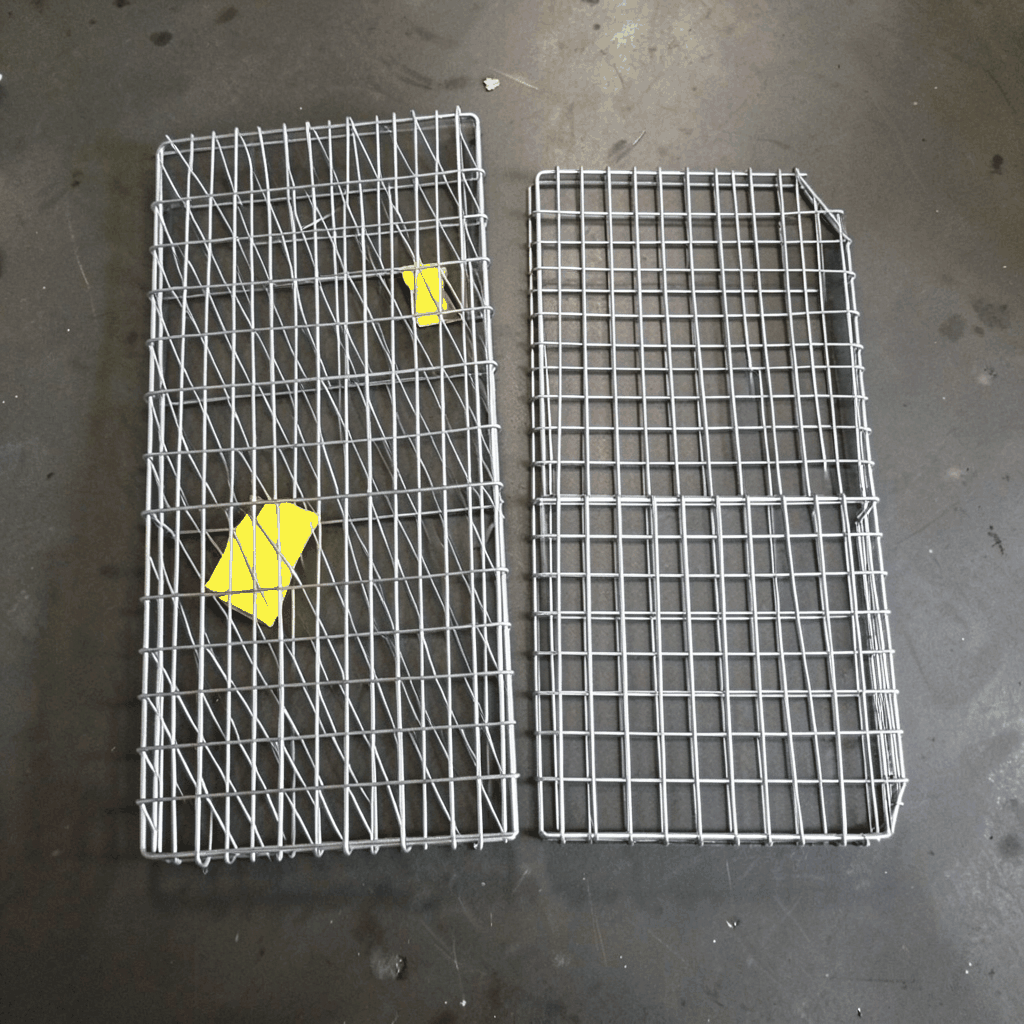
A custom enclosure may include flat panels, angled sections, framed doors, hinged inspection panels, sliding gates, or removable sections. These elements can follow irregular machine profiles and fit around conveyors, motors, ventilation ducts, and structural columns. The objective is to eliminate unsafe openings without creating a barrier that obstructs necessary work.
Clearance is equally important. Mesh panels must remain outside the path of rotating or reciprocating parts, even when components flex, vibrate, or move during a fault condition. Doors should open away from hazards where practical, and access panels should be secured with suitable latches. If entry is required for servicing, the design may incorporate controlled access, interlocks, or lockout procedures appropriate to the machine.
For facilities managing several types of machinery, working with a specialist in custom mesh solutions can simplify the process. A manufacturer familiar with architectural and industrial mesh can help coordinate panel dimensions, decorative requirements, frame details, and production tolerances before fabrication begins.
Choosing Mesh, Frame, And Finish
The material should match the environment as well as the mechanical demands. Stainless steel mesh is a strong option for areas exposed to moisture, cleaning chemicals, food-processing conditions, or corrosive atmospheres. Aluminum is lightweight and useful where panels must be handled frequently or where reducing structural load is important. Mild steel can provide economical strength in dry industrial environments, especially when protected with powder coating, paint, or galvanizing.
Copper and specialty alloys may be selected for electrical, thermal, or decorative reasons, although they are less common for standard machine enclosures. The choice should consider hardness, impact resistance, weldability, corrosion behavior, and the availability of replacement components. A guard that performs well in a dry factory may deteriorate quickly in a washdown or outdoor setting if its material and finish are poorly matched.
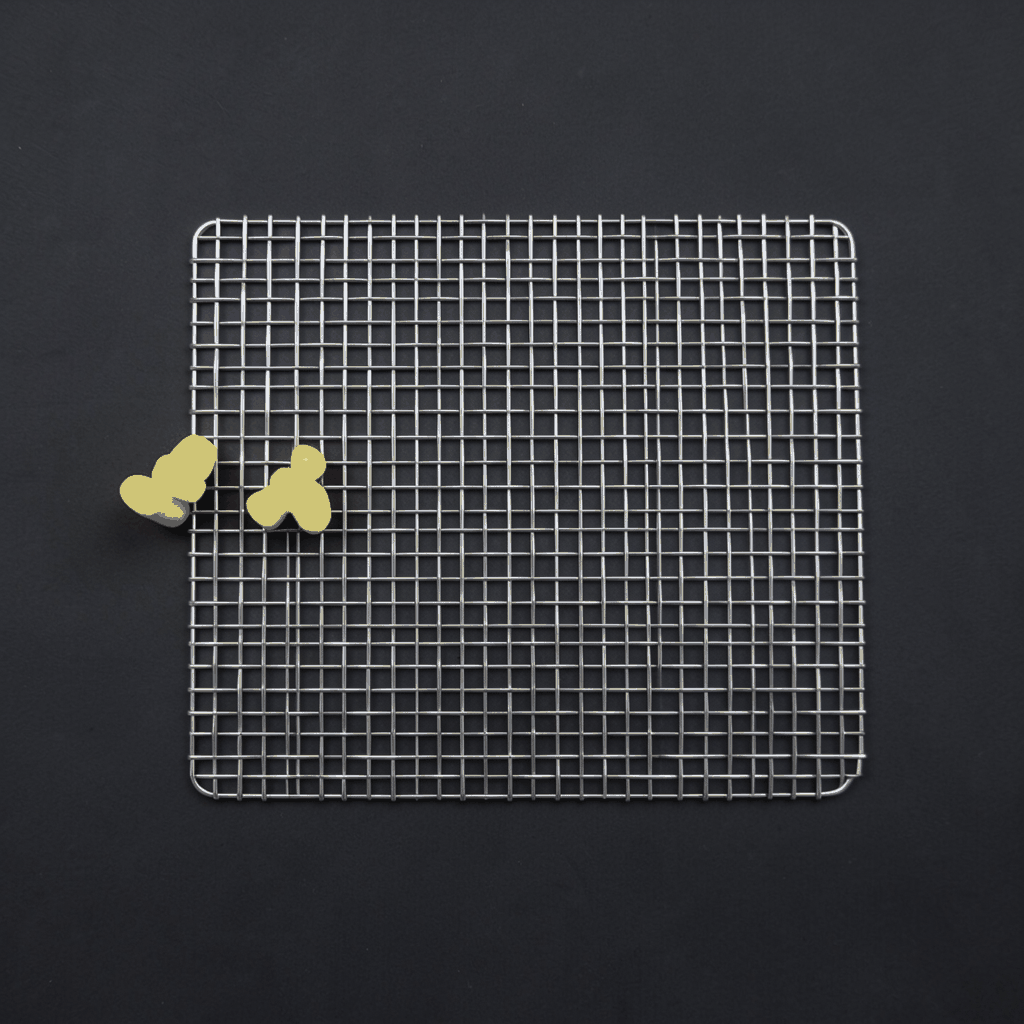
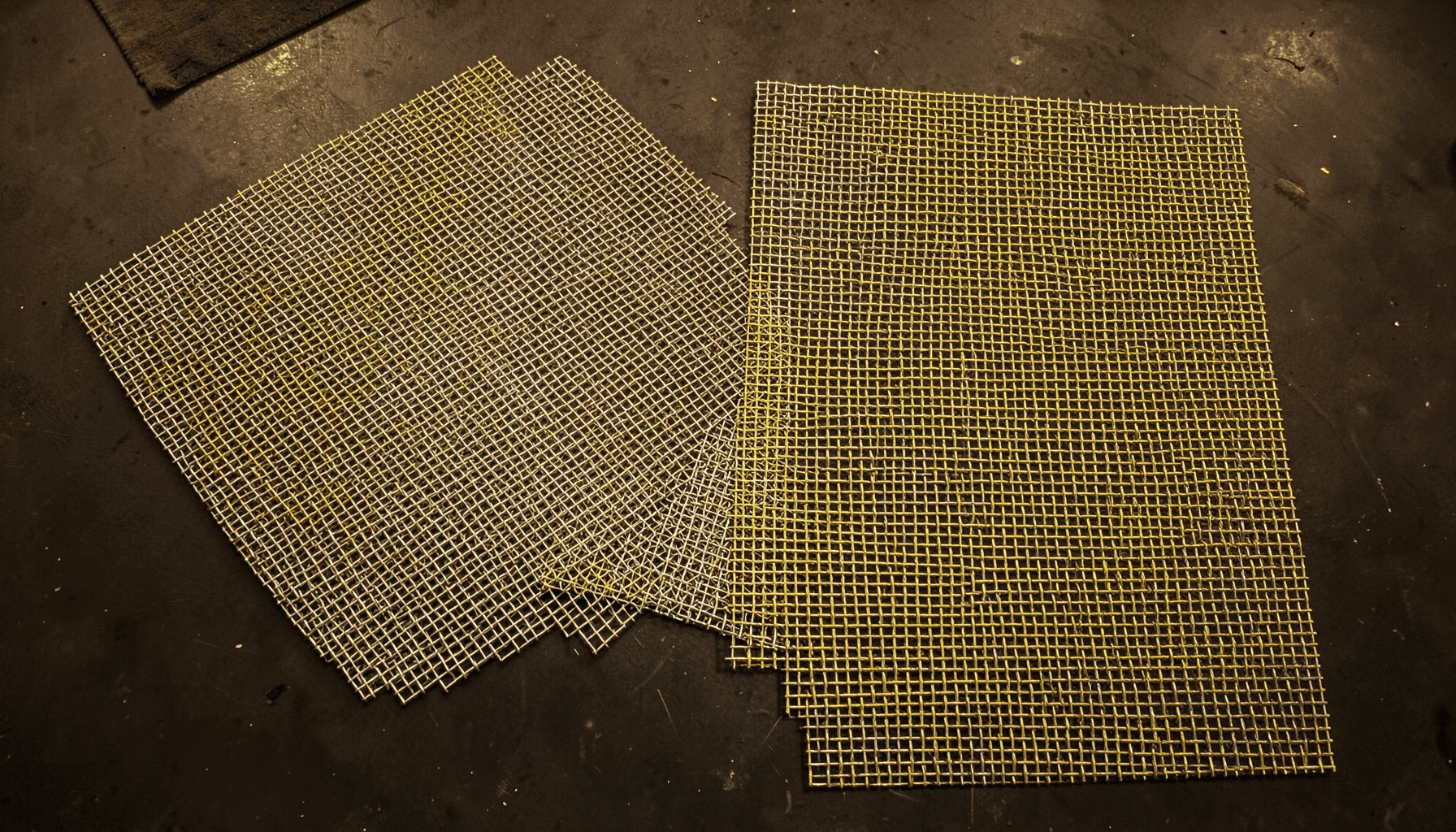
Mesh opening size affects both safety and visibility. Small apertures provide stronger exclusion of fingers, tools, and loose objects, while larger openings improve airflow and visual access. The correct opening is determined by the hazard, the distance from the mesh to the moving part, and the required safety standard. Expanded metal, woven wire mesh, perforated sheet, and welded wire panels each offer different combinations of rigidity, openness, and appearance.
| Guard Element | Common Choices | Main Considerations |
|---|---|---|
| Mesh material | Stainless steel, aluminum, coated steel | Corrosion, weight, strength, cleaning conditions |
| Mesh style | Woven, welded, expanded, perforated | Visibility, rigidity, opening control, appearance |
| Support frame | Angle steel, square tube, aluminum profile | Span, vibration, mounting method, service life |
| Access feature | Hinged door, sliding panel, removable section | Maintenance frequency, clearance, security |
| Surface finish | Powder coating, galvanizing, brushed or polished finish | Chemical exposure, color, wear, cleaning |
| Mounting hardware | Bolts, brackets, clamps, anchor plates | Stability, adjustability, removal for service |
The frame deserves as much attention as the mesh itself. Large panels may flex under impact or vibration if they lack intermediate supports. Reinforced corners, continuous welds, properly spaced fasteners, and adjustable feet can improve stability. Where the guard is close to a production line, rounded edges and protected fastener heads can reduce snagging and impact risks.
Balancing Safety With Everyday Access
A guard should make unsafe access difficult while keeping legitimate access straightforward. Operators may need to remove waste, change tooling, inspect bearings, clean surfaces, or replace filters during a normal shift. If every task requires extensive disassembly, workers may leave panels open or find unofficial ways into the enclosure.
Access doors should therefore be located according to actual service routines. Frequently used areas may require hinged doors with robust latches, while occasional service zones can use bolted removable panels. Door width, swing radius, handle position, and threshold height should be reviewed with the maintenance team before fabrication.
Visibility is another important balance. Metal mesh allows operators to observe movement and product flow while retaining a physical barrier. If glare, dust, or low light affects inspection, the design can combine mesh panels with transparent sections, task lighting, or contrasting finishes. The guard should support safe decisions rather than force personnel to work from guesswork.
Safety devices can complement the physical enclosure. Depending on the equipment, door switches, interlocking systems, emergency stops, light curtains, and lockable isolators may be appropriate. These controls do not replace sound mechanical guarding; they add layers of protection when access, automation, or stored energy creates additional risk.
Where Custom Mesh Enclosures Work Best
Machine guarding is useful across manufacturing, logistics, construction, energy, and municipal operations. It can protect drive assemblies, robotic cells, packaging machines, stamping equipment, saws, fans, pumps, compressors, and conveyor transfer points. In automated facilities, modular mesh panels are often used to create a perimeter around robots and moving platforms while preserving visual supervision.
Outdoor machinery presents different requirements. Fences and guards may need to withstand rain, ultraviolet exposure, wind, dust, and accidental contact with vehicles or equipment. Galvanized or stainless materials, corrosion-resistant fasteners, reinforced posts, and secure foundations help extend service life. Drainage and easy cleaning should also be considered where water or debris can collect at the base.
Food, pharmaceutical, and chemical facilities require close attention to hygiene and cleaning. Smooth finishes, corrosion-resistant materials, minimal dirt traps, and accessible joints can make sanitation easier. In aggressive environments, a welded or fabricated solution may be preferable to a design with many exposed crevices and incompatible metals.
Mesh barriers can also serve a visual and architectural role. A well-finished enclosure can coordinate with a facility’s color scheme, partition work areas, or improve the appearance of machinery in customer-facing spaces. Decorative metal mesh, laser-cut panels, and carefully selected coatings make it possible to combine industrial protection with a more finished design language.
Installation And Long-Term Performance
Even a well-fabricated guard can fail to protect machinery if it is installed poorly. The supporting floor, wall, or machine frame must be able to carry the enclosure and resist vibration. Anchors should be selected for the substrate, while brackets and posts should be aligned so doors remain square after repeated use.
Before commissioning, the installation team should inspect every opening, hinge, latch, fastener, and panel connection. Moving parts must not be able to contact the mesh under normal operation or foreseeable movement. The guard should not interfere with emergency controls, lubrication points, cable routing, ventilation, or material flow.
Maintenance planning keeps the barrier effective. Regular inspections can identify bent panels, loose fasteners, damaged coatings, corroded welds, worn hinges, and faulty access switches. Replacement mesh sections and standardized hardware can reduce downtime when repairs are needed. Any modification to the machine should trigger a review of guard clearance and access conditions.
Documentation is valuable for future maintenance and safety audits. Keep drawings, material specifications, mesh opening details, mounting information, and access-control records with the machine files. Clear identification labels can also show whether a panel may be removed only under isolation and lockout procedures.
A Practical Specification Checklist
A clear specification helps manufacturers produce a guard that fits correctly the first time. It should describe the machine, hazard zones, operating environment, and expected maintenance activities instead of listing mesh alone. Photos, layout drawings, dimensional sketches, and preferred finish samples can reduce misunderstandings during quotation and production.
It is also useful to define performance priorities early. A lightweight enclosure for an indoor inspection area will have different requirements from a vehicle-resistant outdoor barrier or a stainless guard in a washdown facility. Discussing these conditions with the fabricator allows the design to balance strength, cost, appearance, and serviceability.
- Measure the machine, surrounding walkways, service clearances, and access routes.
- Identify every moving, hot, sharp, pressurized, or electrically hazardous component.
- Select mesh opening, material, frame profile, and finish for the operating environment.
- Specify hinged doors, removable panels, latches, interlocks, and lockout provisions where needed.
- Plan inspection, cleaning, replacement, and future equipment modifications before fabrication.
Custom-fitted guarding is most effective when production, maintenance, engineering, and safety personnel review the design together. Their combined input reveals practical details that may be missed in a measurement-only survey, such as the direction of a technician’s reach or the space needed to remove a motor.
A dependable metal mesh guard should protect people without reducing productivity. It should remain stable under vibration, resist the surrounding environment, provide clear sightlines, and allow authorized work to proceed efficiently. With accurate measurements and appropriate fabrication, the guard becomes a durable part of the machinery rather than an obstacle added after the fact.
Contact Shuo Ke Wire Mesh Product Technology Co., Ltd. to discuss machine dimensions, hazard areas, materials, mesh styles, finishes, and access requirements. A project-specific review can turn those details into a fitted industrial safety enclosure built for reliable protection and long-term use.