Selecting Safe, Durable Mesh for Veterinary Cages and Kennels
Animal housing in veterinary clinics and kennels must support hygiene, safety, ventilation, and efficient daily handling. Mesh is often a practical choice because it allows air movement and visibility while creating a strong physical barrier. The right specification, however, depends on the animal’s size, behavior, environment, and the cleaning chemicals used in the facility.
A suitable cage panel or kennel enclosure should resist corrosion, deformation, sharp edges, and repeated washing. It should also be comfortable for animals and convenient for veterinary staff. Material grade, wire diameter, opening size, surface finish, and frame construction all influence performance.
A manufacturer with experience in customized metal mesh can adapt the product to different cage doors, partitions, runs, isolation areas, and transport enclosures. Shuo Ke Wire Mesh Product Technology Co., Ltd. produces stainless steel, aluminum, iron, and other alloy mesh products for practical and decorative applications, making tailored solutions possible for animal-care facilities.
Match the mesh to animal size and behavior
The opening size is one of the first specifications to establish. Small openings are essential for kittens, puppies, rabbits, birds, and other animals that may push their noses or paws through a panel. A gap that seems harmless for a large dog can create a trapping or escape risk for a smaller animal.
For dog kennels, the mesh must also reflect the animal’s strength and temperament. Active or anxious dogs may lean against doors, bite bars, or strike the enclosure. Welded wire mesh with a suitable wire diameter generally provides a more rigid structure than lightweight woven mesh. Heavy-duty kennel panels should be supported by a strong frame so that pressure is distributed across the entire assembly.
Cats and small companion animals require a different balance. They benefit from visibility and ventilation, but overly large openings may permit paws, claws, or collars to become caught. Smooth welded intersections and carefully finished edges help reduce these risks. Where animals are particularly energetic, a smaller aperture with a robust frame can provide better containment than a decorative or lightly constructed screen.
Choose materials that tolerate cleaning
Stainless steel is often the most reliable option for veterinary cages, animal hospital partitions, and kennel doors. Grades such as 304 stainless steel offer good resistance to moisture, routine detergents, and general indoor corrosion. In areas exposed to stronger disinfectants, saline solutions, or persistent humidity, 316 stainless steel may be considered for its improved resistance to chlorides and aggressive environments.
Galvanized steel can be suitable for some outdoor kennel applications when the coating is intact and the structure is protected from prolonged chemical exposure. It offers useful strength at a competitive cost, but damaged or cut areas may eventually corrode. If the mesh is frequently scrubbed or subjected to disinfectant, stainless steel generally provides a longer service life and a cleaner appearance.
Aluminum is lightweight and naturally resistant to atmospheric corrosion. It can work well for movable partitions, upper panels, and applications where low weight is important. However, aluminum is usually less resistant to impact and bending than steel of comparable design. Copper and untreated iron are generally less suitable for wet animal housing because they require careful surface protection and maintenance.
The finish deserves equal attention. Smooth welded wire, polished surfaces, or properly passivated stainless steel reduce places where hair, organic residue, and bacteria can collect. Powder coating may be appropriate for selected dry areas, but the coating must be durable and free from chips, cracks, and peeling that animals could scratch or ingest.
Evaluate hygiene, visibility, and ventilation
Mesh helps maintain airflow in cages and kennel runs, which is important for odor control, temperature management, and animal comfort. Open construction can reduce the feeling of confinement and allows staff to observe behavior without opening the enclosure. In clinical settings, visibility can also support monitoring after surgery or during recovery.
Ventilation must be balanced with the need for shelter. A fully open mesh enclosure may expose animals to drafts, excessive noise, or visual stress. Many facilities combine mesh doors and side panels with solid lower sections, removable privacy screens, or transparent partitions. This arrangement can protect animals while preserving airflow and supervision.
Cleaning access should be considered during the design stage. Mesh panels with accessible corners, detachable trays, and rounded or covered frames are easier to wash and disinfect. Narrow gaps between the mesh and frame can trap fur, bedding, and food particles. A well-fitted panel with continuous welds and sealed joints usually provides better sanitation than a loosely assembled screen.
The selected finish should withstand the facility’s actual cleaning routine. Test disinfectants on a sample or confirm chemical compatibility with the supplier. Harsh products, prolonged soaking, and abrasive pads can damage some coatings and reduce the useful life of metal components.
Compare common mesh choices
Different mesh types provide different combinations of rigidity, visibility, weight, and corrosion resistance. The best selection is based on the complete enclosure system rather than the mesh panel alone. Frame size, door hardware, weld quality, anchoring, and floor conditions all affect safety.
| Mesh option | Suitable applications | Main advantages | Points to check |
|---|---|---|---|
| 304 stainless steel welded mesh | Veterinary cages, cat housing, clinic partitions, indoor kennel doors | Strong, hygienic, corrosion resistant, easy to clean | Confirm wire diameter, weld quality, and opening size |
| 316 stainless steel welded mesh | Isolation rooms, humid areas, coastal facilities, frequent chemical cleaning | Higher resistance to chlorides and demanding environments | Higher initial cost; verify whether the environment justifies it |
| Galvanized steel mesh | Outdoor kennel runs, general animal fencing, utility partitions | Strong and economical with useful weather resistance | Inspect coating damage and chemical compatibility |
| Aluminum mesh | Lightweight partitions, movable panels, selected indoor enclosures | Low weight and good atmospheric corrosion resistance | Evaluate impact resistance and frame rigidity |
| PVC-coated steel mesh | Certain dry kennel or temporary partition systems | Colored finish and added surface protection | Check coating adhesion, bite resistance, and cleaning durability |
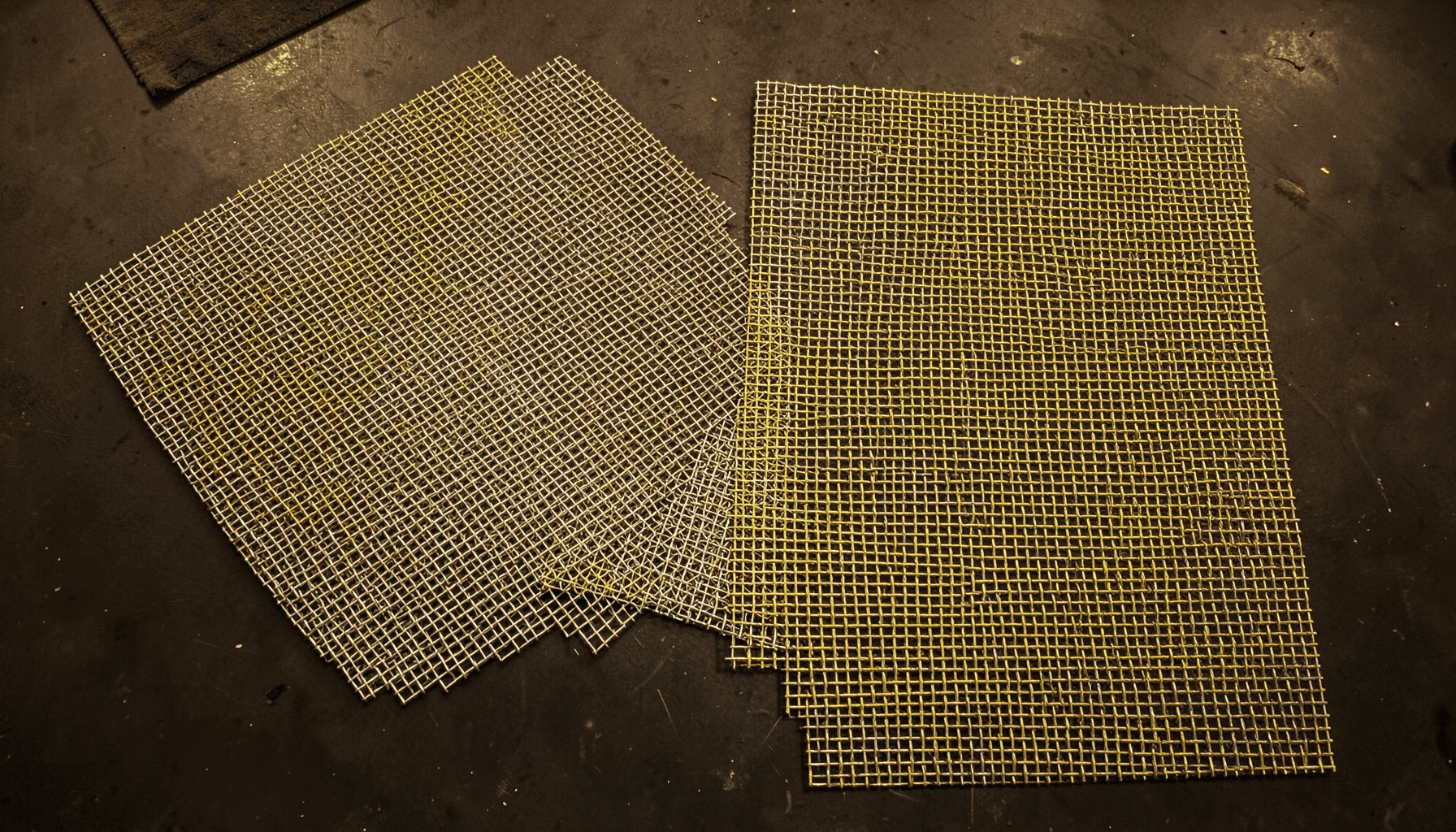
| Woven wire mesh | Fine screening, ventilation panels, selected small-animal applications | Flexible, available in fine openings, useful for specialized screening | May be less rigid; inspect cut edges and tensioning |
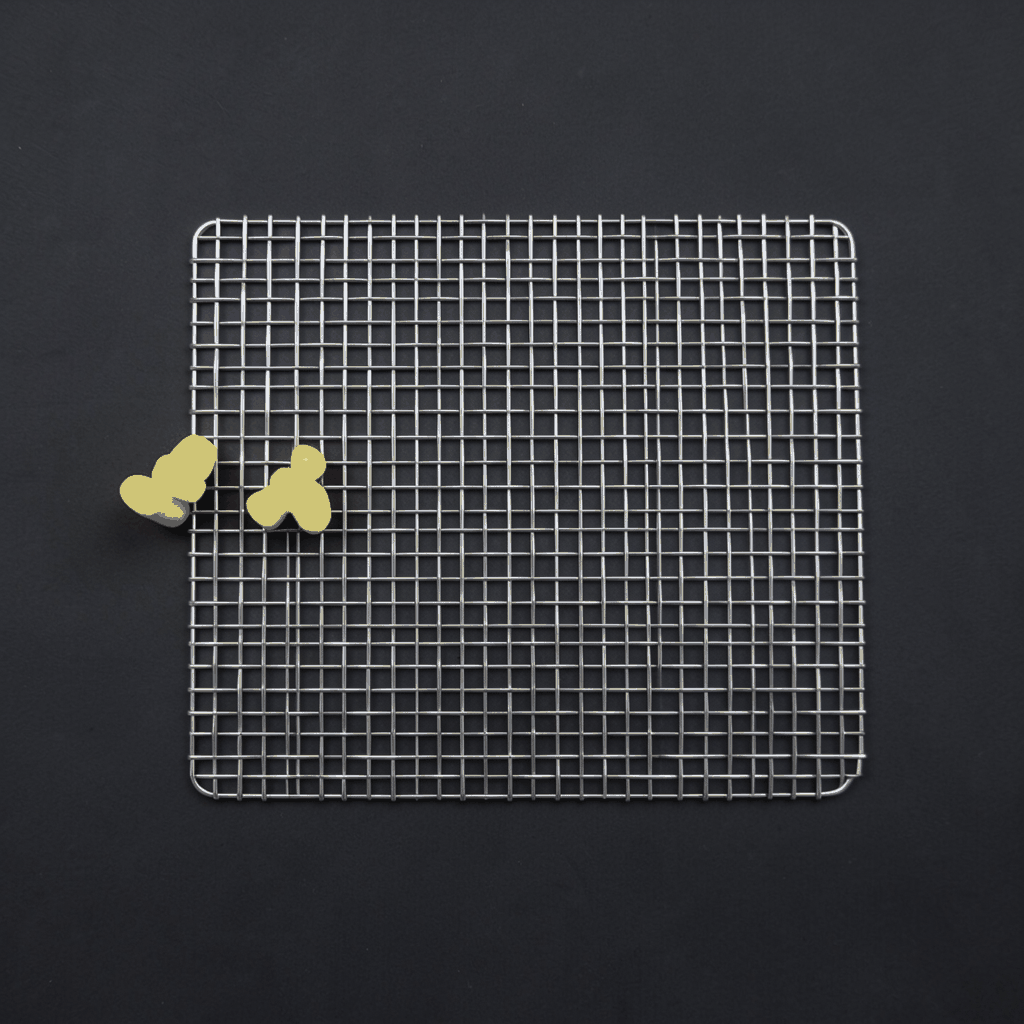
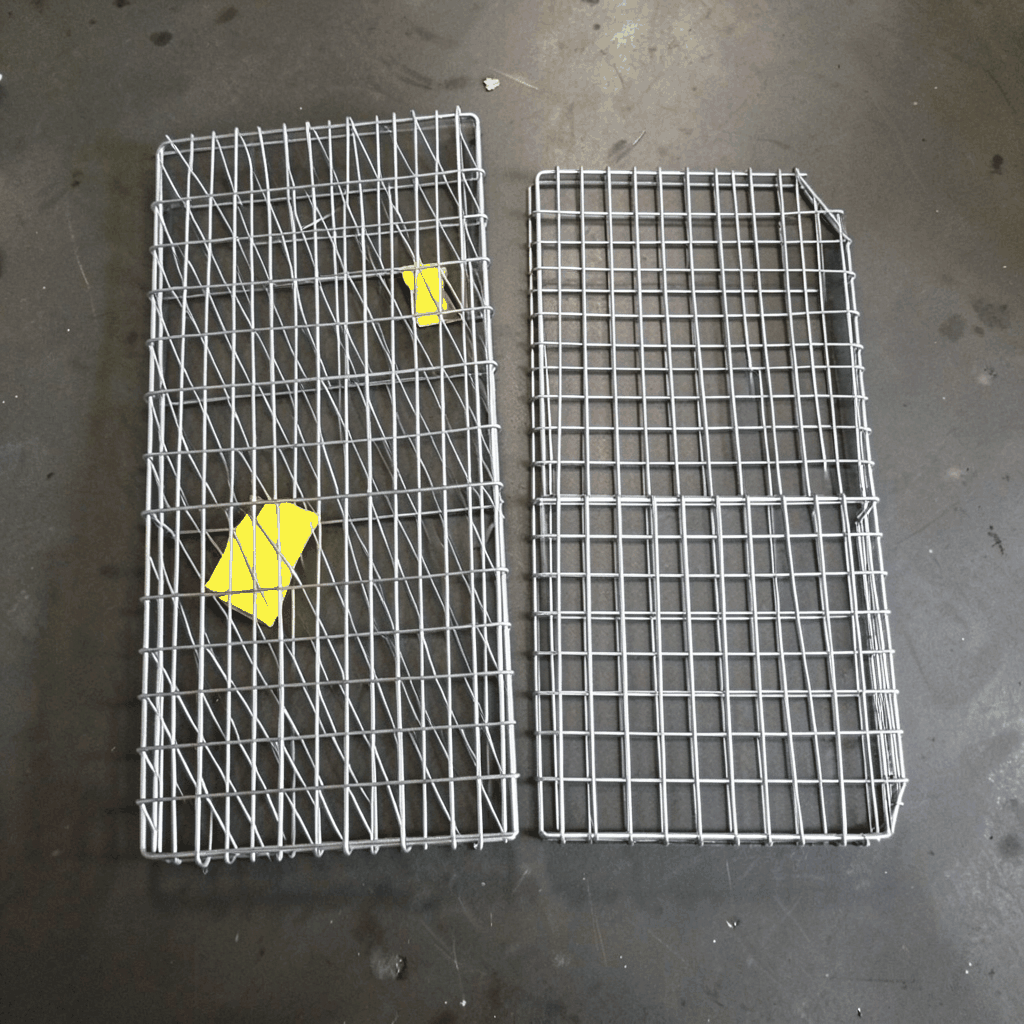
Welded mesh is commonly preferred for animal cages because the intersections create a stable grid. It is less likely to sag and can be integrated into doors and frames with predictable dimensions. Woven mesh may be useful where flexibility or fine openings are required, but it needs careful edge treatment and support to prevent deformation.
For aggressive animals or public-facing facilities, rigid stainless steel welded panels usually offer the clearest combination of strength, cleanliness, and professional appearance. For a large outdoor kennel project, galvanized steel may provide an economical structure when the cleaning regime and climate are compatible with the coating.
Inspect safety details beyond the wire
A safe cage enclosure depends on details that are easy to overlook. Every cut edge should be deburred, folded, capped, or welded into a frame. Exposed wire ends can cause scratches, catch fur, or damage collars and bedding. Welds should be continuous and secure, with no sharp projections or incomplete joints.
Door design is equally important. Latches should resist pushing, pawing, and accidental release while remaining quick for staff to operate. Sliding doors need protected tracks and sufficient clearance to prevent tails, paws, or bedding from becoming trapped. Hinged doors should be positioned so that they do not create pinch points near the cage floor.
The frame should be strong enough to resist repeated opening, impact, and cleaning. Stainless steel tubing or suitably protected structural sections are common choices. Anchoring is particularly important for kennel partitions, where animals may jump against the panels. Freestanding systems should have stable feet, while fixed systems may require secure floor or wall connections.
Noise can influence animal stress. Thin, loose panels may vibrate when struck, creating repeated sounds that disturb animals and staff. A rigid frame, correctly tensioned mesh, and vibration-resistant fittings can produce a quieter enclosure. In clinics, separating recovery cages from noisy kennel runs may further improve animal welfare.
Plan specifications for the facility
Before ordering mesh panels, document the animal categories, enclosure dimensions, indoor or outdoor location, cleaning products, expected impact, and maintenance schedule. Consider whether the units will house healthy animals, injured animals, post-operative patients, or animals under isolation. These uses may require different levels of corrosion resistance, visibility, and access control.
Measure the complete opening, including frame thickness, door clearances, hinges, latches, removable trays, and drainage features. If mesh is being installed into an existing cage system, provide accurate drawings or samples. Small dimensional errors can create gaps around doors or prevent smooth operation.
A customized metal mesh manufacturer can help select the aperture, wire diameter, panel size, edge treatment, and surface finish. Custom fabrication is especially useful for irregular kennel layouts, wall-mounted cage banks, elevator-style clinic storage, separation screens, and modular partitions. Laser-cut metal panels may also be used for solid privacy sections or branded decorative elements, although open welded mesh is usually better for primary ventilation.
The following checks help organize the purchasing decision:
Practical recommendations for cage and kennel projects
- Select 304 stainless steel for most indoor veterinary cages where frequent washing and long service life are priorities.
- Consider 316 stainless steel for coastal locations, isolation rooms, humid spaces, or exposure to chloride-containing cleaners.
- Use small, smooth openings for kittens, puppies, rabbits, and other animals that could trap a paw, nose, or collar.
- Specify welded intersections, rounded frames, deburred edges, and secure latches for active or strong animals.
- Confirm that the mesh finish, frame, welds, and hardware are compatible with the facility’s cleaning and disinfection routine.
A sample panel can reveal practical issues before full production. Inspect it for sharp edges, inaccessible dirt traps, visible coating defects, weld consistency, door alignment, and ease of cleaning. Allow staff members who will use the cages every day to test the latch, removable components, and access points.
It is also useful to plan replacement parts and future expansion. Standardized panel sizes, compatible hinges, and modular connections can simplify repairs and allow the facility to reconfigure animal housing as requirements change.
Work with a customized mesh supplier
A reliable supplier should be able to explain material grades, wire tolerances, opening dimensions, weld strength, edge finishing, and surface treatment. Product samples, drawings, and inspection records can help confirm that the proposed mesh matches the intended service conditions. For larger projects, production consistency is just as important as the initial design.
Shuo Ke Wire Mesh Product Technology Co., Ltd. supports customized metal mesh processing for architectural and industrial applications. Its product range includes stainless steel and aluminum mesh, fences, gates, guardrails, filters, baskets, and other fabricated components. This manufacturing experience can support veterinary clinics and kennels that need purpose-built cage doors, partitions, kennel panels, or protective screens rather than generic rolls of wire.
The supplier should also review packaging and delivery requirements. Mesh panels can be scratched or bent during transport if they are not adequately separated and protected. Clear labeling of panel locations, hardware, and installation orientation can reduce errors during assembly, particularly for multi-room clinic projects.
A carefully specified enclosure protects animals, supports staff efficiency, and reduces long-term maintenance. By matching mesh material and construction to animal behavior, hygiene requirements, and facility conditions, veterinary clinics and kennels can create housing that remains secure, clean, and practical through years of daily use.
For customized animal cage panels, kennel partitions, doors, and related metal mesh components, contact Shuo Ke Wire Mesh Product Technology Co., Ltd. with enclosure dimensions, animal types, installation conditions, and cleaning requirements. Its team can help develop a durable mesh solution suited to the facility’s operational and design needs.