Selecting mesh for custom pet cages and enclosures
A well-designed pet enclosure depends on much more than the overall size of the cage. Mesh type, aperture, wire thickness, material, surface finish and frame construction all affect safety, ventilation, cleaning and long-term value. The right specification will vary considerably between a budgerigar aviary, a rabbit run, a dog kennel, a reptile enclosure or a transport cage.
Australian conditions make material selection especially important. Strong sunlight, summer heat, coastal air, storms, dust and sudden temperature changes can place heavy demands on an outdoor cage. A custom metal mesh enclosure should therefore be planned around the animal’s behaviour, the local environment and the way the owner will use and maintain it.
Match the mesh to the animal
The first decision is the species and size of the pet. Small animals can escape through surprisingly narrow gaps, while larger animals may bend light wire, chew exposed edges or push against weak doors. Mesh aperture should be narrow enough to prevent the head, paws or beak from becoming trapped. For rabbits, guinea pigs and poultry, welded wire mesh with small openings is often a practical choice. Dogs may require larger apertures, provided the wire is heavy enough to resist impact and the spacing prevents escape.
Bird enclosures need a different approach. The mesh must provide airflow and visibility while preventing the bird from squeezing through or damaging its beak on sharp joints. Stainless steel mesh is frequently preferred for parrots and other birds that chew, particularly where a durable, low-toxicity surface is required. The correct wire diameter depends on the bird’s size and strength; a small finch does not place the same load on a panel as a cockatoo.
Reptile and amphibian habitats require careful control of ventilation, humidity and temperature. Fine stainless steel insect mesh can support airflow while limiting the entry of flies and other pests, though the mesh must be selected so it does not obstruct heating or lighting. For snakes and lizards, every corner, hatch and cable opening should be checked as part of the escape-prevention design. A custom enclosure can combine different mesh panels, solid sheets and ventilation sections to create the required habitat.
Choose materials for Australian conditions
Stainless steel is a strong option for outdoor pet cages, aviaries and animal barriers because it resists corrosion and is easy to wash. It is especially suitable near the coast, including areas around Sydney, Melbourne, Adelaide, Perth and Queensland’s coastal towns where salt-laden air can accelerate rust on untreated steel. Stainless steel welded mesh usually costs more than basic galvanised wire, but its service life and clean appearance can justify the investment for permanent installations.
Aluminium mesh is lightweight and naturally resistant to corrosion, making it useful for portable cages, screening panels and some aviary applications. Its lower weight can simplify handling when an enclosure must be moved for cleaning or seasonal shade changes. Aluminium is softer than steel, however, so it may be unsuitable for large dogs, powerful parrots or animals that chew and push against the barrier.
Galvanised iron or carbon steel mesh can provide economical strength for kennels, rabbit runs and utility enclosures. The galvanising layer helps protect the base metal, but cut ends, weld areas and damaged surfaces still need attention. In humid Brisbane conditions or locations exposed to regular rain, inspect these areas periodically. Copper and decorative metal mesh may suit visual features, but the material must be assessed for animal contact, cleaning chemicals and possible toxicity before it is used in a habitat.
Select aperture, wire gauge and construction
Mesh aperture describes the clear opening between wires, while wire diameter describes the thickness of each wire. Both dimensions matter. A small aperture with very thin wire may stop an escape but fail under pressure. Heavy wire with large openings may create a trapping or climbing hazard. The specification should account for the animal’s jaw strength, claws, beak, body size and likely behaviour.
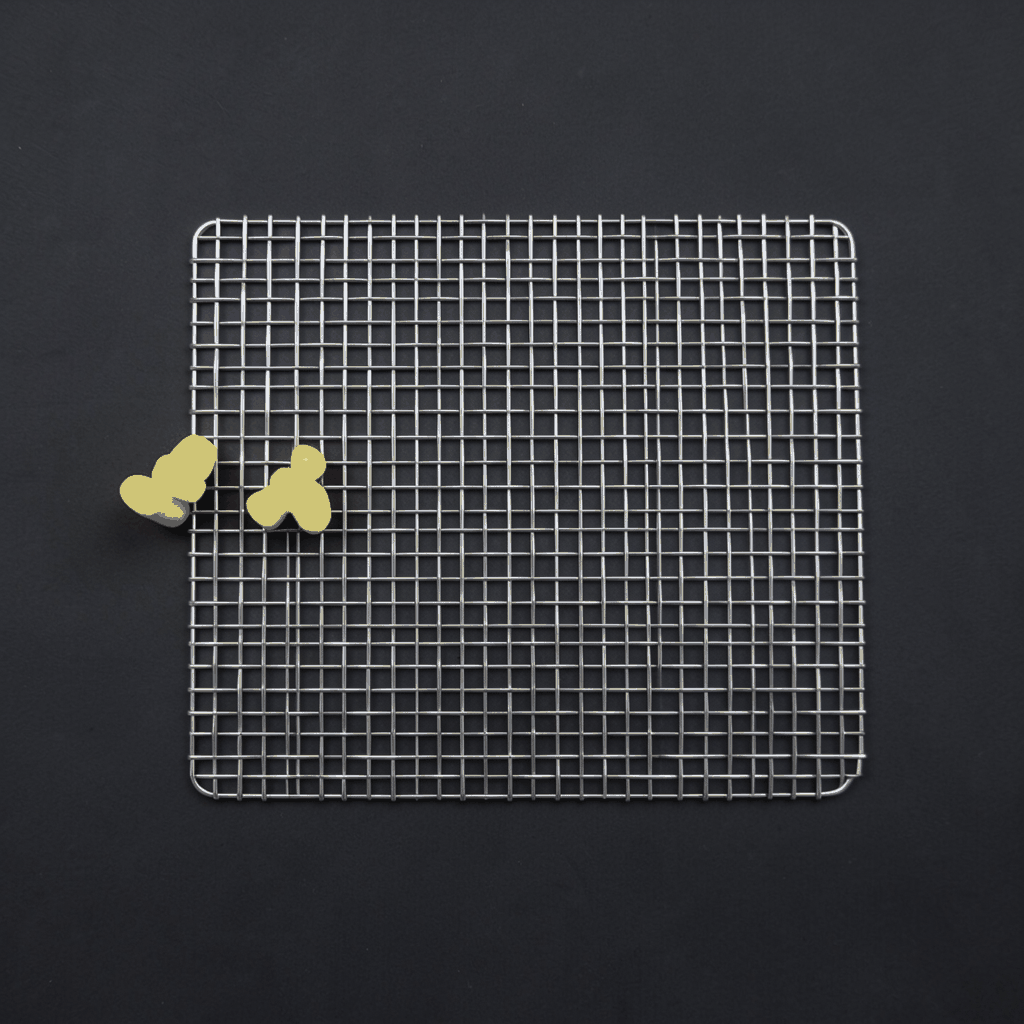
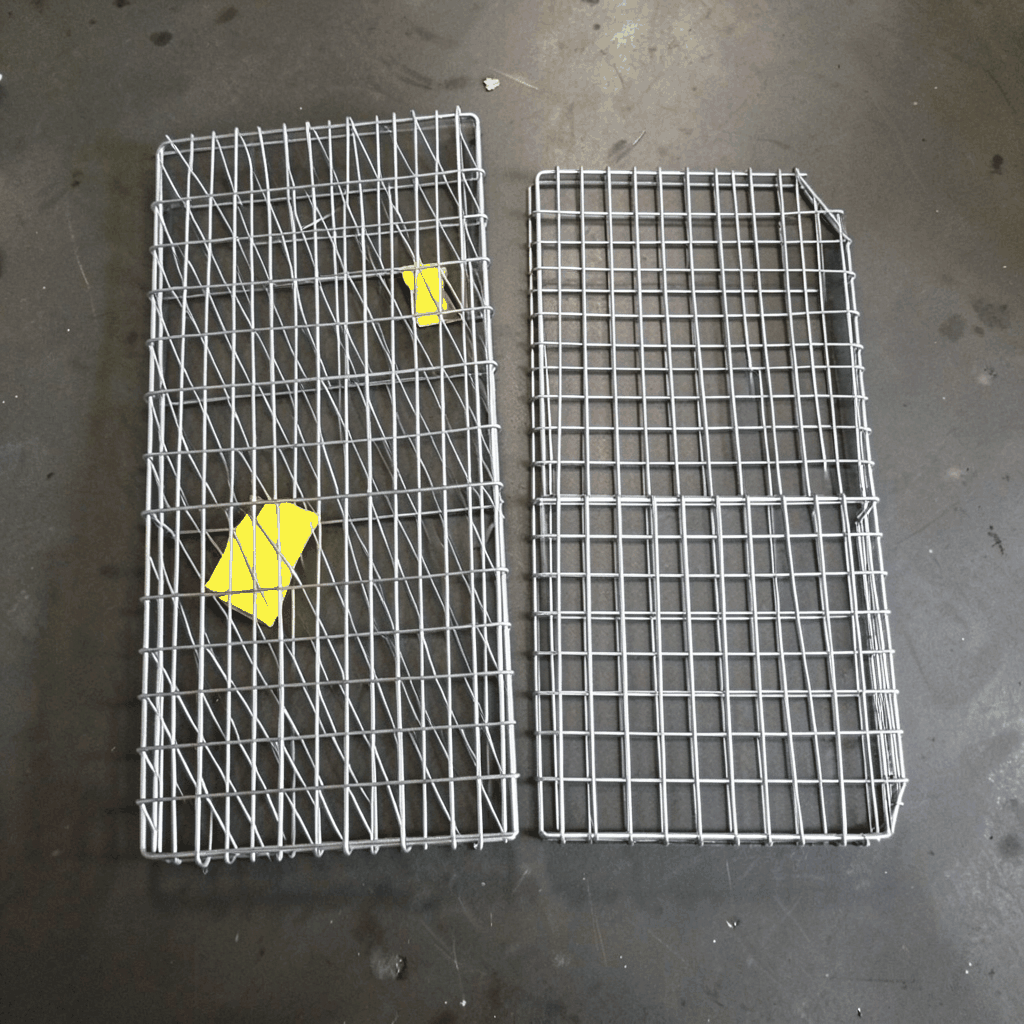
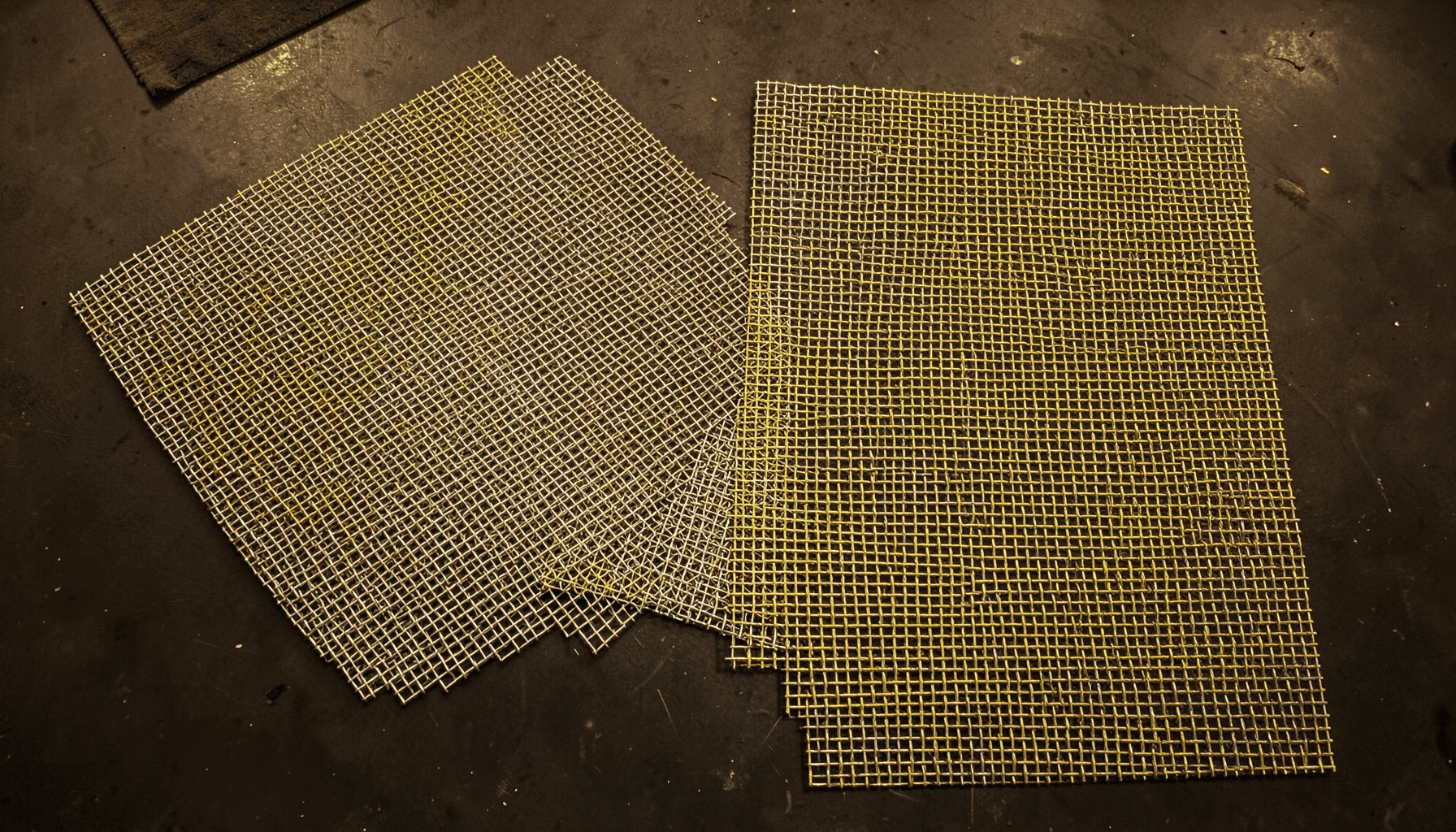
Welded wire mesh is commonly selected for custom pet enclosures because each intersection is fixed, creating a stable panel with consistent openings. It is well suited to framed doors, kennel walls, animal runs and partition sections. Woven wire mesh can offer flexibility and fine screening, but it may be easier for some animals to deform or chew. Expanded metal and perforated sheet can be used for guards, floors or solid portions, although their edges must be finished carefully.
A secure enclosure relies on the complete assembly rather than the mesh alone. Frames should be rigid enough to prevent panel movement, and welded or mechanically fixed joints should not leave sharp projections. For large dogs, posts and corner connections may need reinforcement. For small pets, the frame must close gaps at the base and around doors. A manufacturer experienced in custom metal mesh processing can adjust panel dimensions, wire thickness, edge treatment and fixing points to suit the intended load.
Prioritise safety and animal comfort
Animal safety begins with smooth surfaces. Cut wire ends, broken welds, burrs and rough folded edges can injure paws, noses, wings or skin. Mesh panels should be deburred, folded, framed or capped where appropriate. Doors deserve particular attention because hinges, latches and closing gaps are frequent sources of injury and escape. A self-closing gate may be valuable for an aviary or dog run, while a two-stage latch can reduce the chance of a clever pet opening the door.
Ventilation and visibility should be balanced with shelter. Mesh allows natural airflow, which is valuable during hot Australian summers, but an enclosure should include shaded sections and protection from heavy rain and wind. In Perth or inland areas, intense sun can heat dark metal surfaces rapidly. In tropical Queensland, airflow and drainage become particularly important because enclosed humidity can contribute to odour, mould and discomfort.
The floor arrangement should suit the species and cleaning routine. Mesh flooring may be inappropriate for animals that need stable footing, and small paws can become caught in oversized openings. A solid resting platform, removable tray or raised section can improve comfort and hygiene. For dogs and rabbits, a non-slip solid floor area is often preferable, while fine mesh may be more useful in upper ventilation panels or removable screening sections.
Plan for cleaning and maintenance
Pet enclosures accumulate hair, feathers, food residue and faeces at junctions, corners and floor edges. A design with accessible panels and simple fasteners makes regular cleaning easier. Stainless steel and well-finished aluminium generally tolerate frequent washing, but the selected cleaning chemicals should still be compatible with the material and any coatings. Harsh products can damage protective finishes or leave residues that are unsafe for animals.
Drainage matters for outdoor cages. Water should not pool against the lower frame or remain trapped in folded mesh. A slight floor fall, removable tray or open drainage zone can reduce dampness and odour. In aviaries, feed and water stations should be positioned so waste does not collect against the mesh. In dog kennels, the enclosure should be cleaned without forcing the handler to reach through a narrow door or dismantle large sections.
Inspection is especially important after extreme weather. Check for corrosion, loose screws, damaged welds, bent panels and gaps created by ground movement. Coastal homeowners may need to rinse salt deposits more often, while rural properties should watch for rust and damage caused by livestock, vermin or falling branches. If an enclosure is installed near bushland, a strong gate and buried or secured lower edge can help limit contact with foxes and other predators, though local wildlife and animal-control requirements should also be considered.
Build around the site and intended use
A custom cage should be measured from the available space, including access for installation, cleaning and future repairs. A narrow side passage in a Melbourne terrace, a backyard in suburban Sydney or a large rural property near Toowoomba will each require a different layout. Consider door swing, shade at different times of day, drainage, nearby trees and whether the enclosure can be reached with a hose or pressure washer.
Local council rules, body corporate conditions and rental requirements may apply to dog runs, aviaries, front-yard structures or permanent animal housing. Requirements can vary between councils in New South Wales, Victoria, Queensland, Western Australia and other states. Before fabrication, confirm relevant permissions and check whether the structure affects boundary setbacks, noise management or the keeping of particular species. For commercial boarding, veterinary or wildlife facilities, additional hygiene and animal-welfare expectations may apply.
A practical specification should state the animal, enclosure dimensions, internal partitions, mesh aperture, wire diameter, material, finish, frame profile, door arrangement and fixing method. It should also identify whether the enclosure is indoors, outdoors, mobile or permanent. A pet owner may need a simple welded mesh run, while a breeder, shelter or veterinary business may require modular partitions, removable panels and multiple secure access points.
Shuo Ke Wire Mesh Product Technology Co., Ltd. can process architectural and industrial metal mesh in stainless steel, aluminium, iron, copper and other alloys for customised applications. By discussing the animal, site and operating conditions in advance, customers can develop mesh panels, gates, screens and protective sections that combine practical engineering with a clean appearance. Careful selection at the design stage helps avoid replacing corroded, unsafe or unsuitable panels later.
Choose the mesh by starting with the animal’s behaviour, then refine the design around climate, cleaning, security and installation. Share the enclosure dimensions, location, species, preferred material and access requirements with a qualified metal mesh manufacturer to obtain a tailored specification for Australian conditions.