Selecting mesh for industrial vibratory screeners in mining
In mining, the screen deck is a working surface exposed to impact, abrasion, moisture, vibration and fluctuating feed rates. Its mesh controls separation accuracy, plant capacity and the amount of material that reaches downstream equipment. A poor selection can cause blinding, premature breakage, unplanned shutdowns and inconsistent product sizing.
For Australian operations, the decision often has to account for harsh and varied conditions. An iron ore plant in the Pilbara may handle heavy, abrasive feed in high heat, while a coal operation in Queensland may contend with wet material, clay and seasonal rainfall. Quarries near Sydney, Melbourne or Brisbane may also require lower noise, reliable dust control and straightforward access for maintenance teams.
The correct specification depends on more than aperture size. Wire diameter, weave pattern, material grade, tensile strength, panel dimensions, fastening method and open area all influence performance. The screen must also match the vibratory motion, deck angle and expected load from the feed.
A useful selection process begins with the material and separation duty, then checks mechanical compatibility with the screening machine. Working with a manufacturer that can produce woven wire mesh, perforated panels and fabricated screening components to drawing allows the final solution to be adapted to the plant rather than treated as a generic replacement part.
Start with the material and separation duty
Begin by defining what the screen must do. The target cut point, feed size, moisture content, bulk density and required tonnes per hour determine the suitable screening surface. A dry sizing application for crushed iron ore may favour a high-open-area woven screen, while wet coal or sticky clay may need anti-blinding features and a different deck arrangement.
Abrasion is particularly important in mining. Quartz-rich ores, hard rock and recycled aggregate can wear through fine wire quickly. Large, angular particles also create impact loads at the feed end. If the feed contains oversize rock, a heavy-duty scalping deck or grizzly may be needed before finer screening mesh is installed.
The plant’s operating data should include actual, rather than nominal, feed conditions. Record peak tonnage, maximum lump size, temperature, moisture and contamination. A screen that performs well during average production may fail when a surge of wet or oversized material reaches the deck.
Match the aperture to accuracy and capacity
Aperture size establishes the approximate separation range, but it does not guarantee a precise cut. Square openings are commonly used where accurate sizing is important. Long-slot or slotted openings can improve throughput and reduce blinding in some applications, particularly where elongated particles or damp feed are present.
Wire diameter affects both service life and screening efficiency. Thicker wire provides greater wear resistance and load capacity, but it reduces open area and may lower capacity at the same nominal aperture. Finer wire can improve separation and throughput, yet it requires better control of impact, tension and abrasive conditions.
Open area should be assessed alongside the cut point. Two meshes with the same opening may have different wire diameters and therefore different percentages of open screening surface. A higher open area can increase capacity, although the practical result also depends on deck inclination, vibration frequency, material presentation and the proportion of near-size particles.
The mesh opening should be selected with the expected undersize and oversize distribution in mind. If most particles are close to the cut size, small changes in aperture, wire diameter or vibration settings can materially affect efficiency. Trial panels or a short production test may be worthwhile before committing to a complete deck replacement.
Select a mesh type for wear and blinding
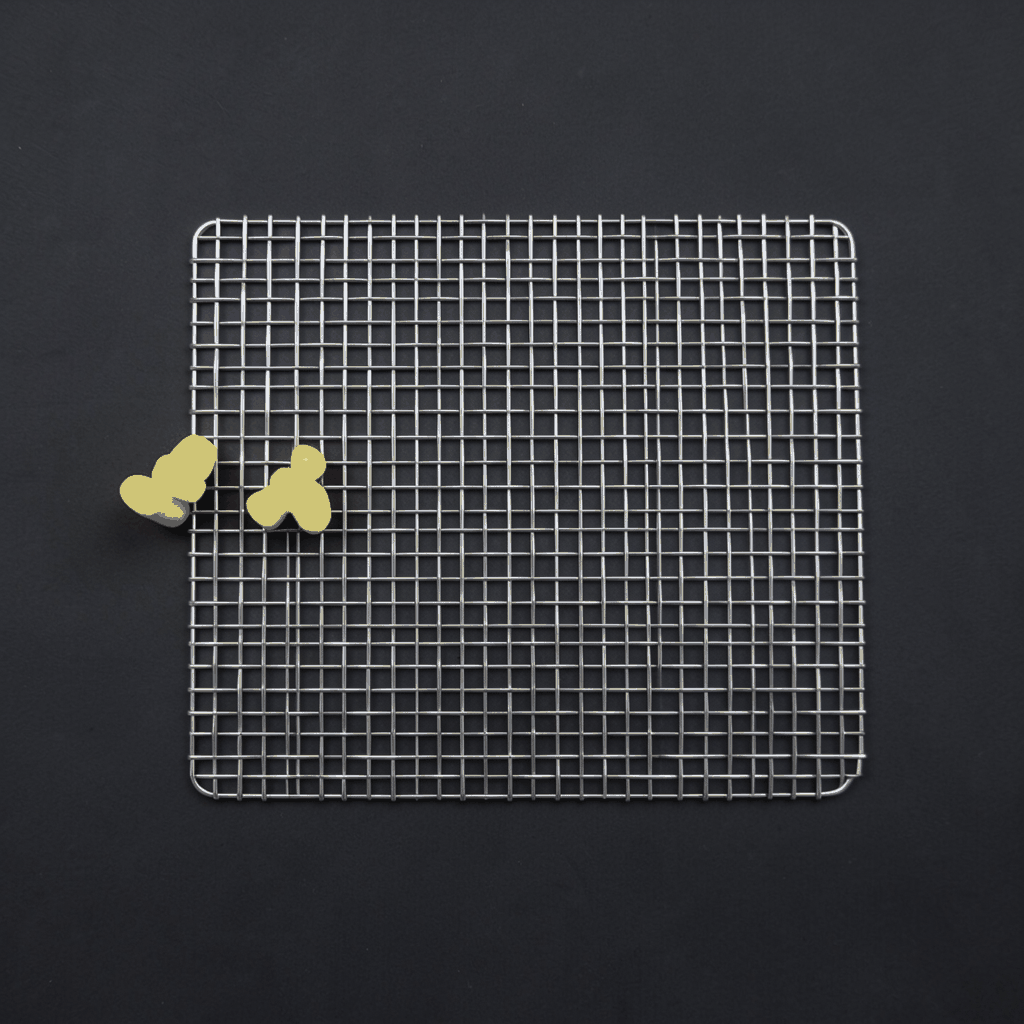
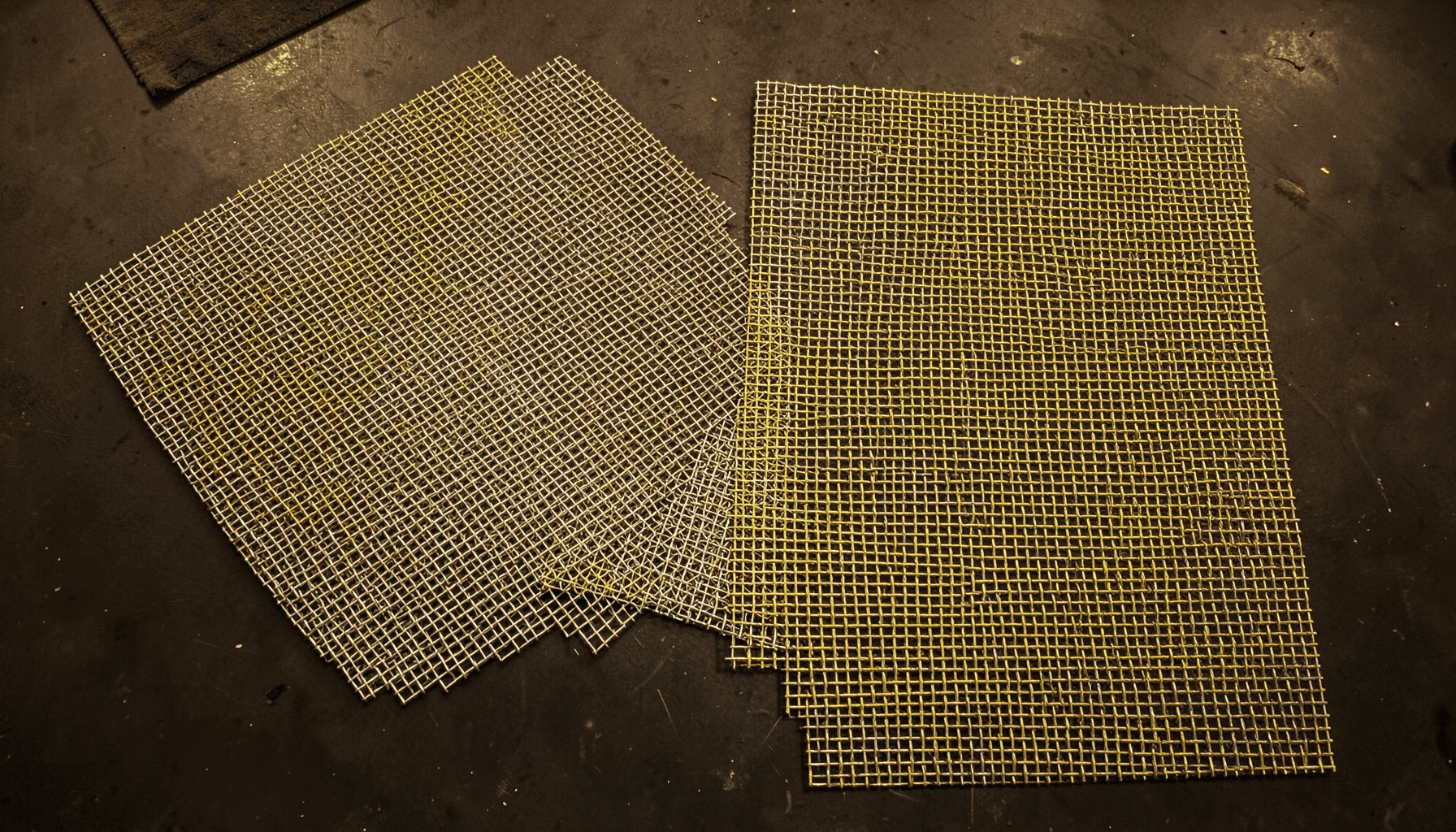
Woven wire screen mesh remains a common choice because it offers a broad range of apertures, wire diameters and weave patterns. Plain weave is widely used for general sizing, while other patterns can provide a balance between open area, strength and resistance to pegging. High-tensile steel is often appropriate for abrasive mineral applications where longer wear life is needed.
Polyurethane and rubber screen panels can reduce noise and resist impact, but their performance depends on temperature, chemical exposure and the required aperture. They may be suitable for selected wet or sticky duties, while wire mesh can be preferable where heat dissipation, fine separation or rapid replacement is a priority.
For severe impact zones, reinforced panels or a hybrid deck may provide better value than using one mesh specification throughout the machine. Heavy mesh at the feed end can absorb larger particles, with lighter or finer sections farther along the deck. This approach can protect the most vulnerable area without sacrificing screening area across the full machine.
Blinding and pegging require specific attention. Self-cleaning mesh, anti-blinding wire configurations and flexible panel systems can help when near-size particles lodge in the openings. However, the best result may also require changes to feed distribution, spray water, deck angle or vibration settings. Mesh should not be expected to compensate for an unevenly loaded screen.
Compare stainless steel, carbon steel and other alloys
Material selection should reflect abrasion, corrosion, temperature and required tensile strength. High-carbon or high-tensile steel is often chosen for demanding dry screening because it provides useful wear resistance at a competitive cost. It may require protective handling and suitable storage to prevent corrosion before installation.
Stainless steel mesh is valuable where corrosion resistance, hygiene or chemical exposure is significant. It can be considered for mineral processing circuits involving wash water, saline conditions or corrosive residues. In coastal Australian locations, including operations near Port Hedland, Newcastle or Gladstone, airborne salt and wet process conditions can accelerate corrosion of ordinary steel components.
Copper, aluminium and decorative architectural mesh have roles in other industrial and building applications, but they are generally not the first choice for heavily abrasive mineral screening. Their suitability depends on the load, particle impact and chemical environment. A material that works well for a guard, filter or enclosure may be unsuitable as a primary screening surface.
Ask for relevant material certificates and mechanical data when the application is critical. Useful information includes wire tensile strength, mesh tolerance, aperture measurement method, weld or weave quality and any surface treatment. The selected alloy must also be compatible with the screen frame, clamping system and adjacent components to prevent galvanic or mechanical problems.
Check the screen machine and installation method
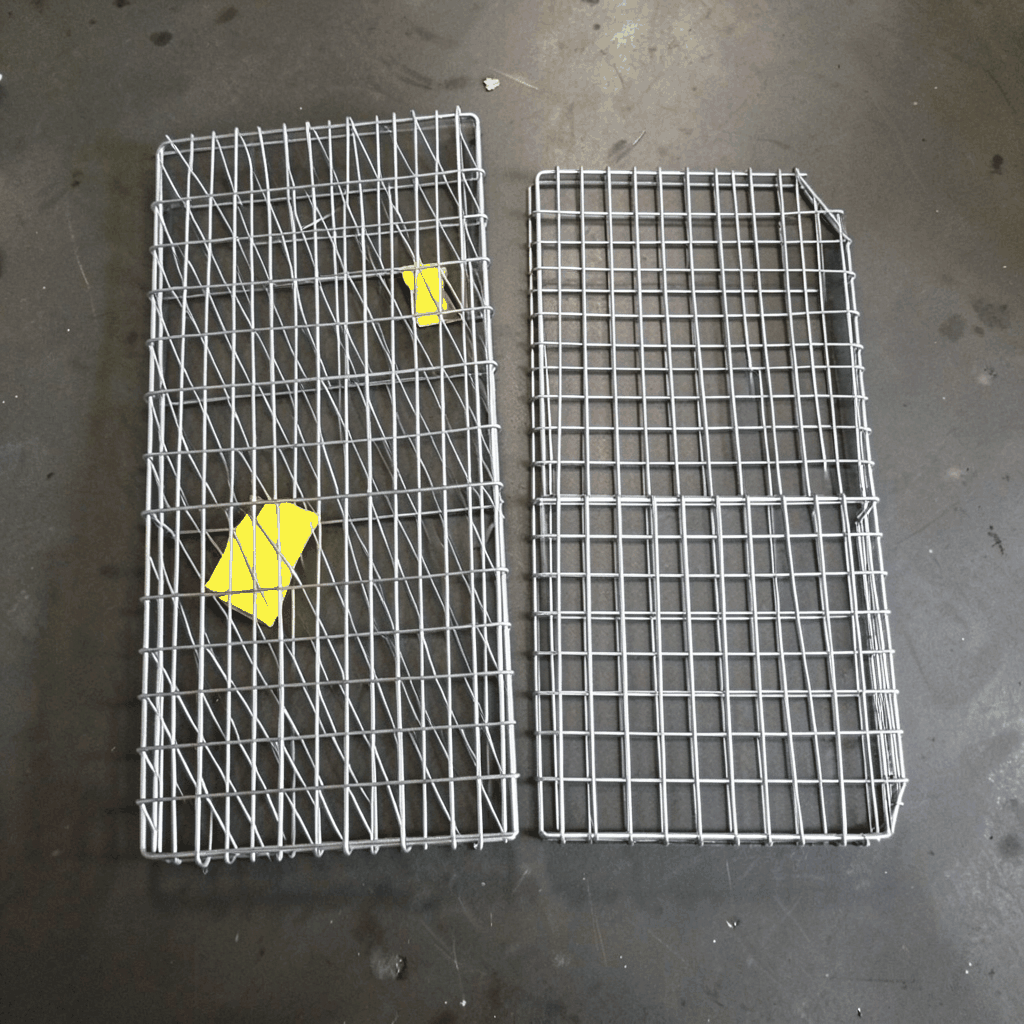
A mesh panel must fit the screen’s dimensions, support arrangement and tensioning system. Measure the usable deck length and width, side-plate clearance, cross-member position and fastening details. Small dimensional errors can create loose edges, premature fatigue or gaps through which oversize material bypasses the screening surface.
Tensioned woven mesh requires correct installation tension. Too little tension allows movement, hammering and premature fatigue; too much can damage the mesh or frame. Modular hook-edge panels, bolted sections and clamp systems each have different requirements. The replacement mesh should follow the machine manufacturer’s configuration unless an engineered change has been reviewed.
Vibration is another key consideration. Stroke, frequency, direction and acceleration affect how particles stratify and travel across the deck. A mesh with a suitable opening can still perform poorly if the machine is incorrectly tuned or if the deck is overloaded. Inspect bearings, springs, cross members and side plates when changing a screen surface, because mechanical defects often appear as mesh failures.
Safety and maintenance arrangements must be considered at the same time. Australian sites operate under state and territory work health and safety frameworks, with mining workplaces also subject to specific regulator requirements. Guarding, isolation, lockout procedures and access for panel replacement should align with applicable requirements, including relevant machinery safety guidance such as AS 4024 where applicable.
Plan for Australian supply and site conditions
Remote mine sites in Western Australia, Queensland and the Northern Territory can face long freight routes and limited shutdown windows. A mesh specification should therefore include practical replacement details: panel identification, opening size, wire diameter, material grade, dimensions, edge type and quantity. Keeping critical spares in a dry, clearly labelled store can prevent a minor failure from becoming a lengthy production interruption.
Lead time is also affected by custom fabrication, export packing and transport to locations such as the Pilbara, Bowen Basin or far north Queensland. A supplier able to produce mesh panels, hooks, frames or fabricated sections to an approved drawing can reduce site modification work. Clear drawings and sample approval are especially useful when replacing a non-standard deck.
Wet weather and wash-down practices influence service life. Clay-rich ore may build up during Queensland’s humid or storm-affected periods, while dust and intense heat are common concerns in central and western Australia. Drainage, cleaning access and corrosion protection should be addressed before the screen is installed, rather than after repeated blockages occur.
Local procurement teams also need to account for Australian dollars, transport costs, shutdown labour and the cost of lost production. The cheapest mesh per square metre may have the highest whole-of-life cost if it wears quickly or requires frequent change-outs. Compare expected tonnes screened, service interval, installation time and disposal requirements when evaluating quotations.
Recommendations for a dependable specification
The following checks help convert operating information into a practical order:
- State the target separation size, feed range, peak throughput and expected moisture content.
- Specify mesh type, aperture, wire diameter, open area, material grade and required wear resistance.
- Confirm panel dimensions, hook or edge configuration, tensioning method and machine model.
- Identify impact, abrasion, corrosion, blinding and pegging risks for each deck position.
- Request drawings, material certificates and a sample or trial panel for critical applications.
- Allow for Australian freight, remote-site spares, shutdown timing and storage conditions.
- Review guarding, isolation, access and maintenance arrangements under the site’s WHS system.
A clear technical schedule prevents substitutions that appear equivalent but perform differently. Terms such as high tensile, heavy duty or stainless mesh are too broad on their own. The order should define measurable features and tolerances, including whether aperture size is specified by nominal opening, clear opening or pitch.
Performance should be reviewed after installation using production data. Track tonnes per hour, oversize carryover, undersize contamination, deck loading, blinding and panel life. These records help determine whether the next replacement should use a different wire diameter, aperture, alloy, weave or panel layout.
Shuo Ke Wire Mesh Product Technology Co., Ltd. can support customised metal mesh requirements for industrial screening and related processing equipment. Its manufacturing capability across stainless steel, iron and other alloy products allows specifications to be developed around the application, from replacement woven panels to fabricated screening components and protective metalwork.
Provide the feed characteristics, screen drawings, target cut size and operating environment when requesting a quotation. A properly matched mesh solution can improve separation consistency, reduce unplanned maintenance and deliver a more predictable screening cost across Australian mining and quarrying operations.