
Choosing Mesh for Highway and Railway Noise Barriers
Road and rail infrastructure across Australia is expanding through established neighbourhoods, industrial precincts, and rapidly developing outer suburbs. New motorways, upgraded level crossings, freight routes, and metro extensions can bring valuable transport connections, yet traffic noise remains a significant concern for nearby homes, schools, hospitals, and commercial properties. A carefully selected barrier system helps manage that impact while contributing to safety, durability, and visual quality.
Metal mesh is increasingly used in noise-control projects because it can support acoustic panels, protect insulation, and create a more refined appearance than a continuous concrete wall. It can also be shaped for difficult sites, integrated with gates or access panels, and finished to suit an architectural palette. The right specification depends on how the mesh functions within the complete barrier rather than on appearance alone.
For Australian conditions, selection must account for salt air, intense ultraviolet exposure, bushfire risk, vandalism, wind loading, maintenance access, and the requirements of state road and rail authorities. A barrier beside Sydney’s motorways may face corrosive coastal air, while a rail installation near Melbourne may need to manage graffiti and frequent maintenance activity. A practical decision starts with the acoustic design, then considers material, aperture, structural performance, and installation.
Understand the role of mesh in acoustic barriers
Open metal mesh does not provide the same noise reduction as a solid, airtight wall. Sound travels through its openings, so a decorative wire mesh screen should not be treated as the primary acoustic mass unless it is part of a tested composite assembly. In most highway and railway applications, mesh acts as a protective or architectural layer around an acoustic core made from absorptive mineral wool, composite panels, perforated metal cassettes, or another engineered material.
This distinction is essential when comparing products. A woven stainless steel mesh may protect an acoustic blanket from impact and weather while allowing the system to maintain a lightweight appearance. Expanded metal can form a rigid face over a panel, whereas perforated sheet may be designed to reflect or absorb selected frequencies when combined with a cavity and acoustic backing. The complete wall must be assessed for sound transmission, reflection, and absorption.
Barrier height, continuity, and edge detailing usually have a greater effect on noise control than mesh pattern alone. Gaps beneath panels, open ends, service penetrations, and poorly sealed joints can create sound paths that reduce the value of a high-performance core. Around rail corridors, the barrier may need to address wheel and rail noise, braking, horns, and vibration-related sound. Along a freeway, tyre noise and heavy vehicle engine noise may dominate. These sources should guide the acoustic specification.
Match the material to Australian exposure
Stainless steel is often a strong choice for long-life infrastructure, especially where cleaning access is limited or the barrier is close to the coast. Grades such as 304 and 316 are common candidates, but the correct grade depends on chloride exposure, pollution, cleaning chemicals, and the condition of surrounding components. Grade 316 is generally preferred for marine or high-salt environments, including parts of Brisbane, Sydney, Perth, and other coastal locations, although the entire assembly still requires appropriate detailing and maintenance.
Aluminium mesh offers a lower-weight alternative that can reduce support loads and simplify handling during installation. It is useful for elevated structures, retrofit projects, and architectural screens where a broad range of powder-coat colours is required. However, aluminium can be vulnerable to galvanic corrosion when it contacts unsuitable steel fixings or treated surfaces. Isolation washers, compatible fasteners, and drainage details should be included in the design.
Galvanised steel and painted mild steel can provide economical performance for inland projects, industrial sites, and temporary works. Their service life depends heavily on coating quality, cut-edge treatment, weld protection, and repair procedures. Copper and bronze can deliver a distinctive architectural finish, but they are usually selected for visual reasons rather than for cost-sensitive roadside work. For any material, the specification should state the alloy, wire or sheet thickness, coating system, fixing material, and expected maintenance cycle.
Australia’s climate creates different risks across regions. Intense sun can fade or degrade unsuitable coatings, tropical humidity can accelerate corrosion, and bushfire-prone areas may require careful consideration of combustible acoustic infill and vegetation clearance. A supplier experienced in custom metal mesh processing can help coordinate the visible mesh with the backing panel, frame, fasteners, and support posts rather than treating each component separately.
Select an opening pattern that serves the site
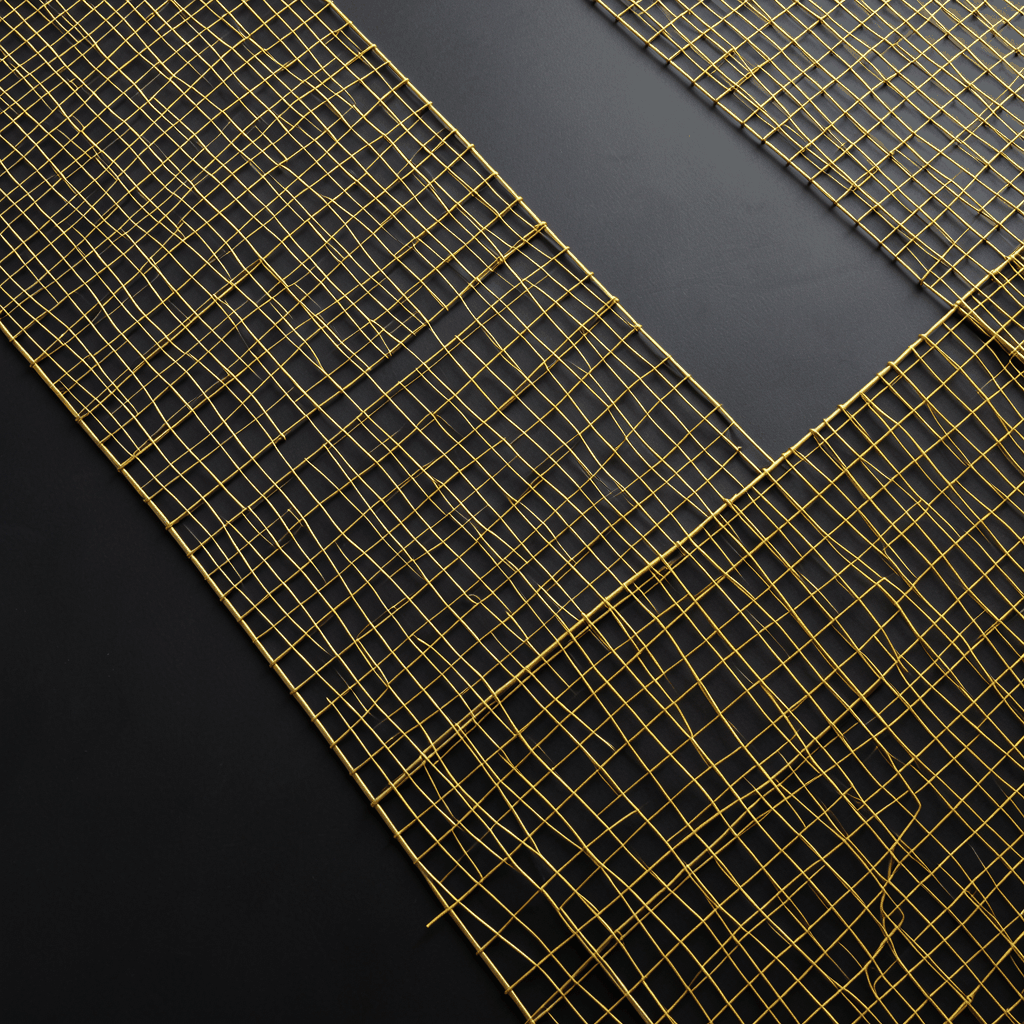
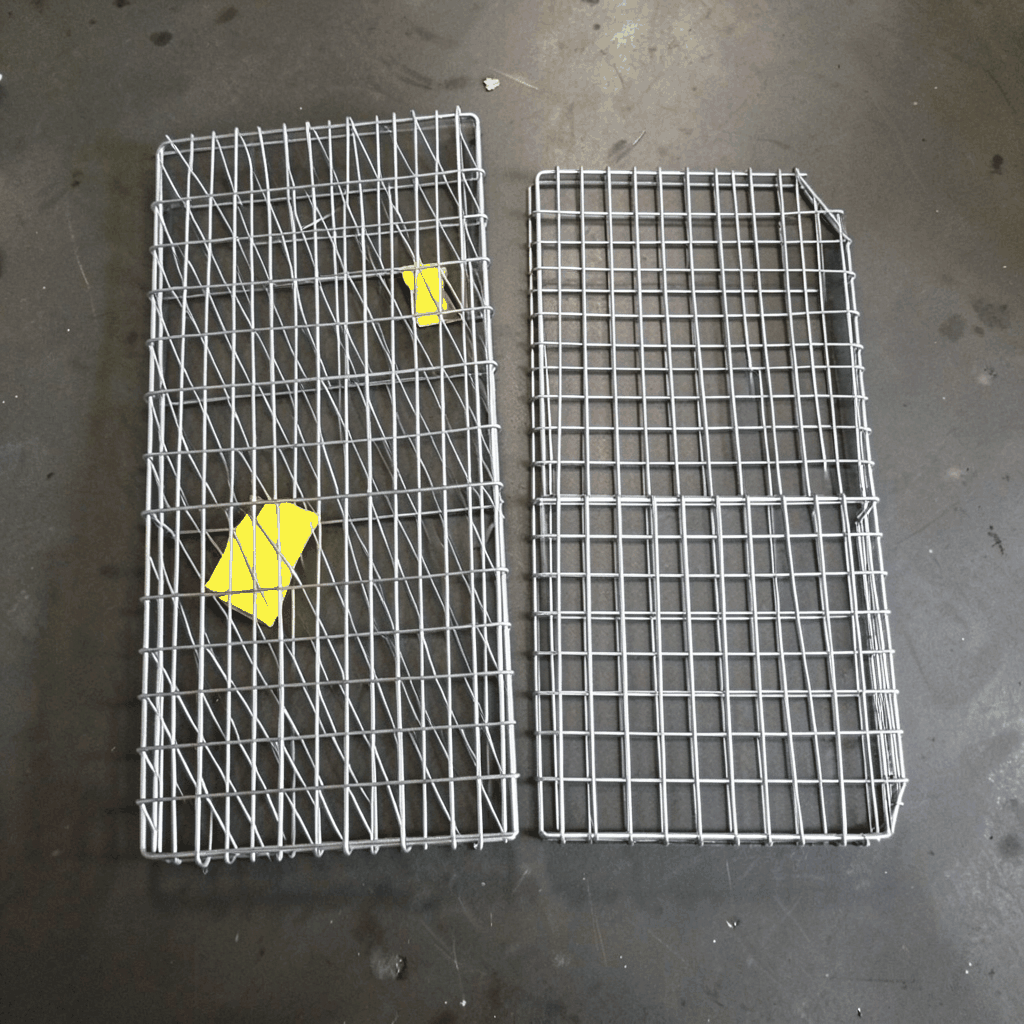
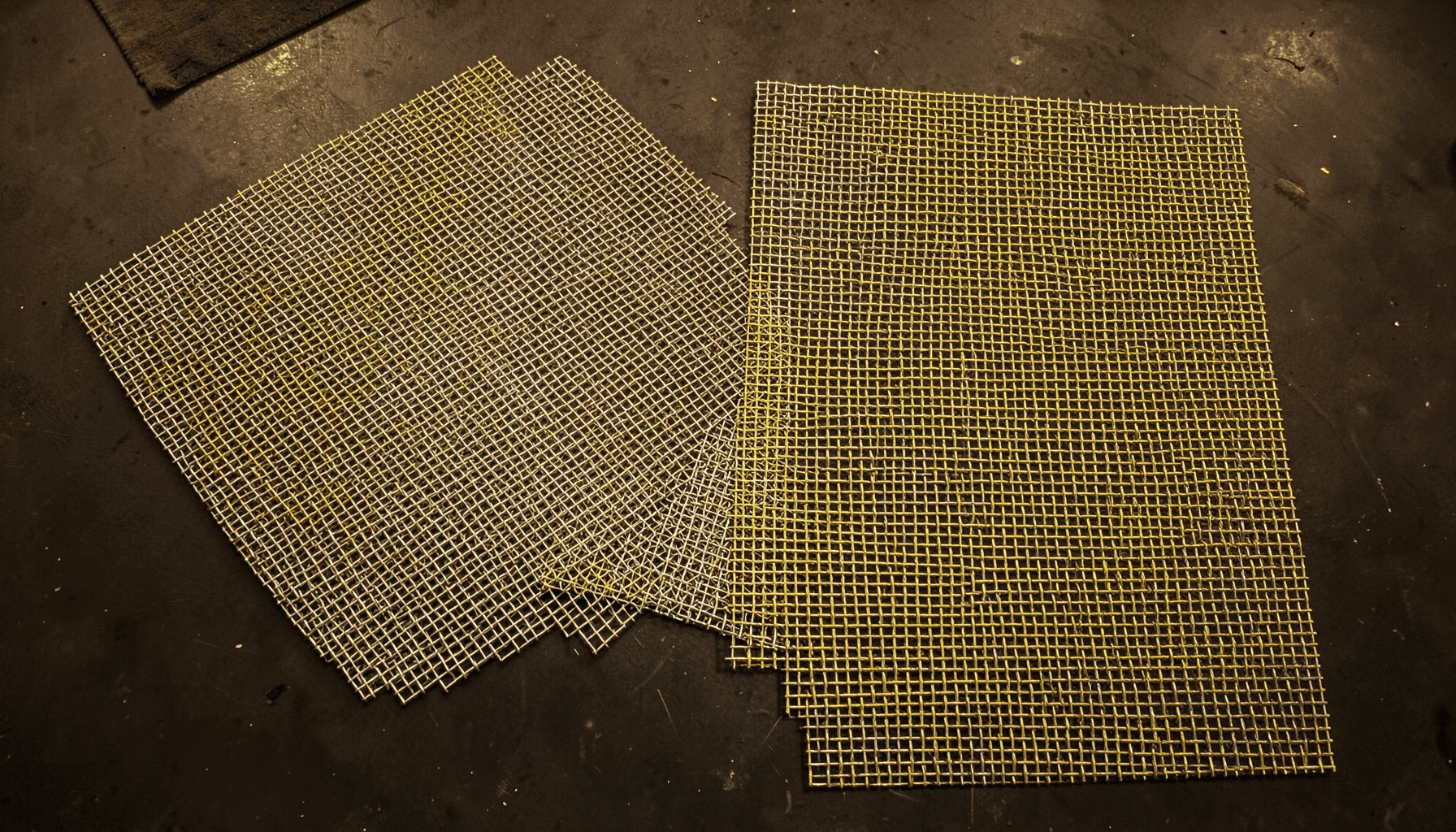
Mesh geometry affects appearance, airflow, visibility, security, weight, and cleanability. Woven wire mesh provides a flexible, textured surface and can be produced in fine or coarse openings. Welded wire mesh offers regular spacing and strong dimensional stability, making it suitable for protective panels, service enclosures, and robust roadside screens. Expanded metal creates a continuous sheet with diamond-shaped openings and can provide a particularly effective balance between rigidity and transparency.
Perforated metal panels are useful where the project requires a controlled visual rhythm or a specified acoustic cavity. Hole diameter, open area, sheet thickness, and pattern direction influence airflow and visual screening. Laser-cut panels can introduce native motifs, maps, abstract patterns, or corporate identity, which may help a major infrastructure project sit more comfortably in a public setting. Cut-outs should be designed carefully so they do not weaken the panel or create dangerous footholds.
Visibility is a practical issue beside railways and high-speed roads. A highly opaque wall can reduce views, limit passive surveillance, and create an imposing edge along a cycleway or residential street. A semi-transparent mesh layer may soften the barrier while screening equipment and reducing glare. Near stations, pedestrian paths, and level crossings, openings must not compromise security, sightlines, or emergency access.
The aperture also affects cleaning and maintenance. Fine mesh may collect dust, diesel residue, leaves, and airborne pollution, especially near freight routes. Larger openings are easier to wash and inspect but may offer less visual screening. A sloped cap, drainage gap, and accessible fixing arrangement can prevent standing water and simplify replacement of damaged sections. These details matter in Melbourne’s rail network and in busy Sydney transport corridors, where access windows for maintenance may be short.
Design for wind, impact, and long service life
A noise barrier beside a motorway or railway is exposed to wind pressure, vehicle turbulence, vibration, thrown objects, and occasional impact from maintenance equipment. The mesh must be supported by a frame and posts designed for the site’s wind region, barrier height, span, and foundation conditions. A lightweight pattern may look attractive in a sample but fail to provide sufficient stiffness when installed across a long uninterrupted elevation.
The design should account for dynamic effects from passing trains. Freight trains can generate strong pressure pulses, and repeated vibration may loosen poorly secured panels or accelerate fatigue at welded connections. Fasteners should be selected for vibration resistance and corrosion compatibility. Where panels are removable, tamper-resistant fixings can help prevent unauthorised access while still allowing authorised maintenance teams to work efficiently.
Highway barriers also need to withstand debris, cleaning operations, and exposure to road spray. At lower levels, a robust kick zone or sacrificial panel can protect the acoustic wall from stones and minor impacts. A secondary mesh guard may be appropriate where the system is close to public paths or where climbing and access control are concerns. The engineering design should distinguish between an acoustic wall, a security fence, and a vehicle restraint system; these functions should not be assumed to come from one mesh layer.
Fire and emergency planning deserve early attention in bushfire-affected parts of New South Wales, Victoria, South Australia, and Western Australia. Metal mesh itself is non-combustible, but acoustic blankets, coatings, sealants, vegetation, and debris may affect overall fire performance. The barrier should maintain safe access for emergency services and avoid creating hidden areas where combustible litter can accumulate. Local authority requirements and project-specific fire engineering advice should guide the final construction.
Coordinate compliance, appearance, and installation
Transport projects commonly involve several approving bodies, including state road agencies, rail operators, local councils, utility owners, and environmental authorities. The barrier may need to satisfy requirements for structural safety, acoustic performance, sightlines, anti-climb protection, pedestrian safety, corrosion resistance, and maintenance access. Early coordination prevents a visually attractive mesh panel from being rejected because its opening, height, reflection, or fixing system conflicts with an operational standard.
Acoustic testing should relate to the assembled barrier rather than to a loose mesh sample. Useful evidence may include laboratory results, field measurements, sound transmission data, absorption coefficients, and installation details. Standards such as AS/NZS ISO 717 and relevant ISO laboratory methods may be referenced by acoustic consultants, while structural design should follow the applicable Australian standards and authority requirements for the project. A supplier should be able to provide material certificates, coating information, fabrication tolerances, and samples for review.
Appearance has a direct effect on community acceptance. A barrier through a dense part of Sydney may need to complement brick terraces, concrete structures, or landscaped verges. Around Melbourne stations, a patterned screen may reinforce a public-art strategy while concealing acoustic modules. In Brisbane, a durable powder-coated finish and drainage-conscious detailing can help the system cope with humidity and summer storms. Colour, reflectivity, module width, and the treatment of joints should be reviewed from both road and residential viewpoints.
Fabrication quality influences installation time and long-term reliability. Accurate folded edges, reinforced corners, pre-drilled fixing points, and clearly labelled modules reduce site cutting and coating damage. Custom laser-cut screens, welded mesh panels, woven curtains, and expanded metal sheets can be manufactured to suit posts, access doors, inspection hatches, and curved alignments. A specialist metal mesh processor can also coordinate prototypes before full production, helping the project team verify transparency, texture, colour, and connection details.
Practical recommendations for project teams
- Define whether the mesh is an acoustic face, a protective guard, a security layer, or a decorative screen before requesting quotations.
- Specify the complete assembly, including acoustic core, frame, posts, fasteners, coatings, seals, drainage, and replacement access.
- Select stainless steel, aluminium, galvanised steel, or another alloy according to coastal exposure, humidity, pollution, fire context, and maintenance capability.
- Compare aperture size, open area, stiffness, transparency, cleanability, and anti-climb performance rather than choosing a pattern from appearance alone.
- Request samples, technical data, coating information, and evidence for the assembled barrier’s acoustic and structural performance.
- Check compatibility with state transport authorities, rail operators, councils, acoustic consultants, fire engineers, and local planning conditions.
- Plan access for inspection, graffiti removal, vegetation control, panel replacement, and emergency response before finalising the layout.
A well-selected mesh system can give a highway or railway barrier a lighter and more considered appearance without sacrificing practical performance. The best result comes from treating the mesh as part of an engineered envelope: the acoustic core controls sound, the frame carries loads, the finish resists the local environment, and the visible pattern supports the surrounding architecture.
Shuo Ke Wire Mesh Product Technology Co., Ltd. manufactures and processes stainless steel, aluminium, copper, iron, and alloy mesh for architectural and industrial applications. Its capabilities include woven and welded mesh, expanded and perforated metal, laser-cut screens, cladding panels, fences, gates, guardrails, and custom fabricated components. For an Australian infrastructure project, provide the site conditions, barrier function, dimensions, preferred finish, and acoustic assembly requirements so a suitable mesh solution can be developed for review and production.