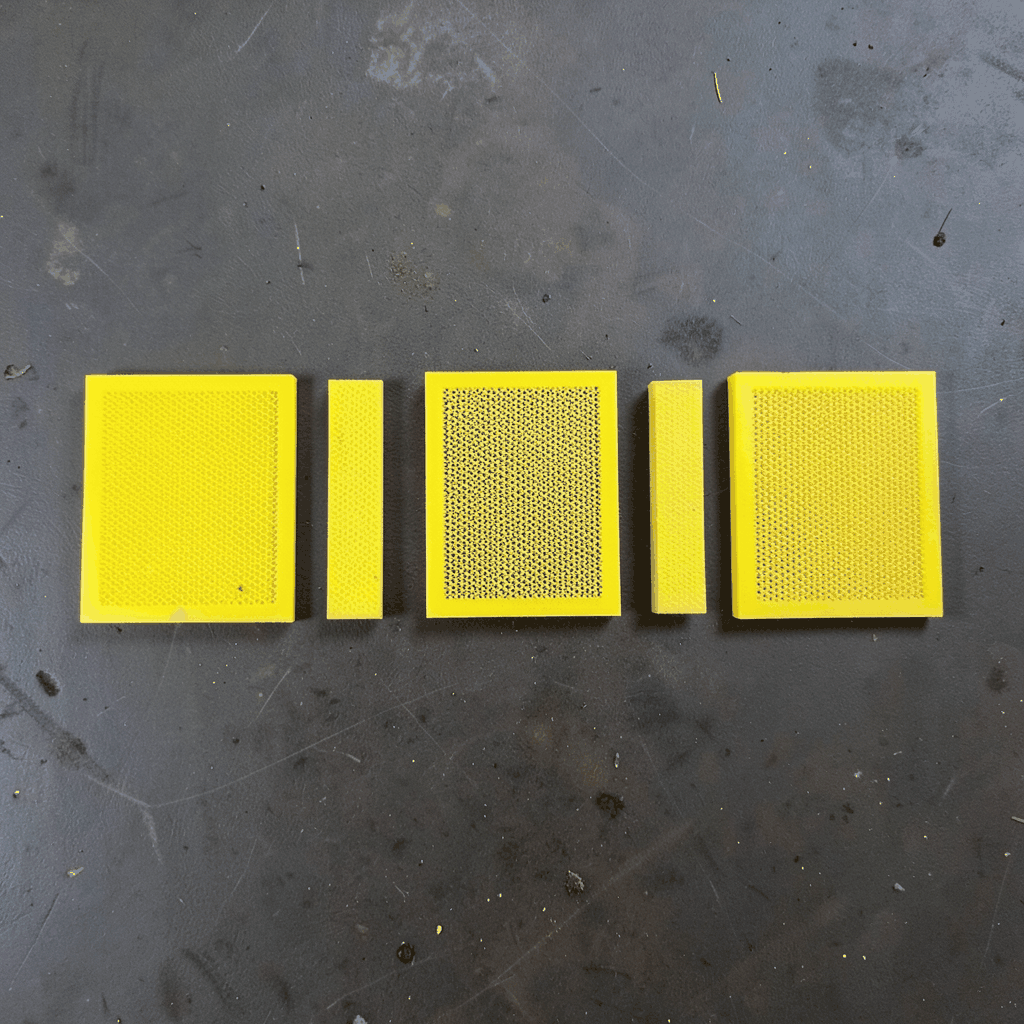
the right mesh for non-slip treads and grip surfaces
Slips and trips remain one of the most common causes of workplace injuries reported to Safe Work Australia each year, shaping how architects, builders, and facility managers specify walkable surfaces. From wet platforms on Sydney Harbour ferry wharves to dust-covered catwalks in Pilbara processing plants, the choice of grip surface directly affects safety, maintenance cycles, and lifetime cost. Mesh products, when correctly specified, offer a versatile answer that combines drainage, structural strength, and a tactile walking plane in a single fabricated panel.
The appeal of wire mesh as an anti-slip medium lies in its open geometry. Water, oil, mud, and debris fall through the apertures rather than pooling on the surface, keeping contact between footwear and tread consistent in changing weather. Combined with cut or raised features that bite into shoe soles, mesh panels achieve high slip resistance ratings without the heavy appearance of solid plate, making them equally suited to industrial staircases and visible public elements such as bridge walkways and stadium steps.
Shuo Ke Wire Mesh Product Technology Co., Ltd. produces woven, welded, and expanded metal meshes in stainless steel, aluminium, copper, and galvanised iron, and offers custom fabrication for tread and grip applications. The range includes laser-cut panels with raised hole patterns, knurled expanded metal, and welded bar gratings that can be cut, formed, and framed to suit a particular staircase, ramp, or platform. Working from detailed drawings, the production team adjusts aperture size, thickness, and surface treatment to align with Australian standards and project-specific load requirements.
This article walks through the practical considerations behind selecting mesh for non-slip treads and grip surfaces. It covers local rating systems, material choices, geometry, load capacity, drainage, and the ways custom fabrication can solve unusual site problems, ending with a checklist to keep specifications tight from quotation through installation.
Reading slip resistance ratings the Australian way
Australia generally follows AS/NZS 4586 for the pendulum test and AS/NZS 4663 for oil-wet ramp testing, both of which assign a class or R rating to a walking surface. Designers often target R11 or R12 for external public walkways, while R13 is reserved for greasy industrial floors such as commercial kitchens or heavy vehicle workshops. Specifying mesh with a documented test certificate gives the builder and the building certifier a clear audit trail.
Ratings are assigned to the finished installed surface, not just the raw mesh. The direction of weave, aperture orientation, and edge fixing all influence the measured coefficient of friction, so the layout of each tread plate should be considered at the design stage rather than discovered during handover. Local authorities and strata managers in places like the City of Melbourne and Brisbane City Council often request slip ratings as part of accessibility upgrades around heritage tram stops, ferry terminals, and accessible ramps. Pairing a properly rated mesh tread with compliant handrails and contrast nosings helps the assembly meet the National Construction Code and Disability Discrimination Act obligations.
Mesh types suited to grip applications
Expanded metal is a popular starting point for non-slip treads because the slitting and stretching process leaves raised diamonds or hexagons that grip footwear naturally. It is economical, structurally rigid, and available in weights from light mesh for partitions to heavy grating capable of supporting forklifts. When ordered with a small aperture and a thicker strand, expanded metal gives a confident bite even when worn or partially loaded with grime.
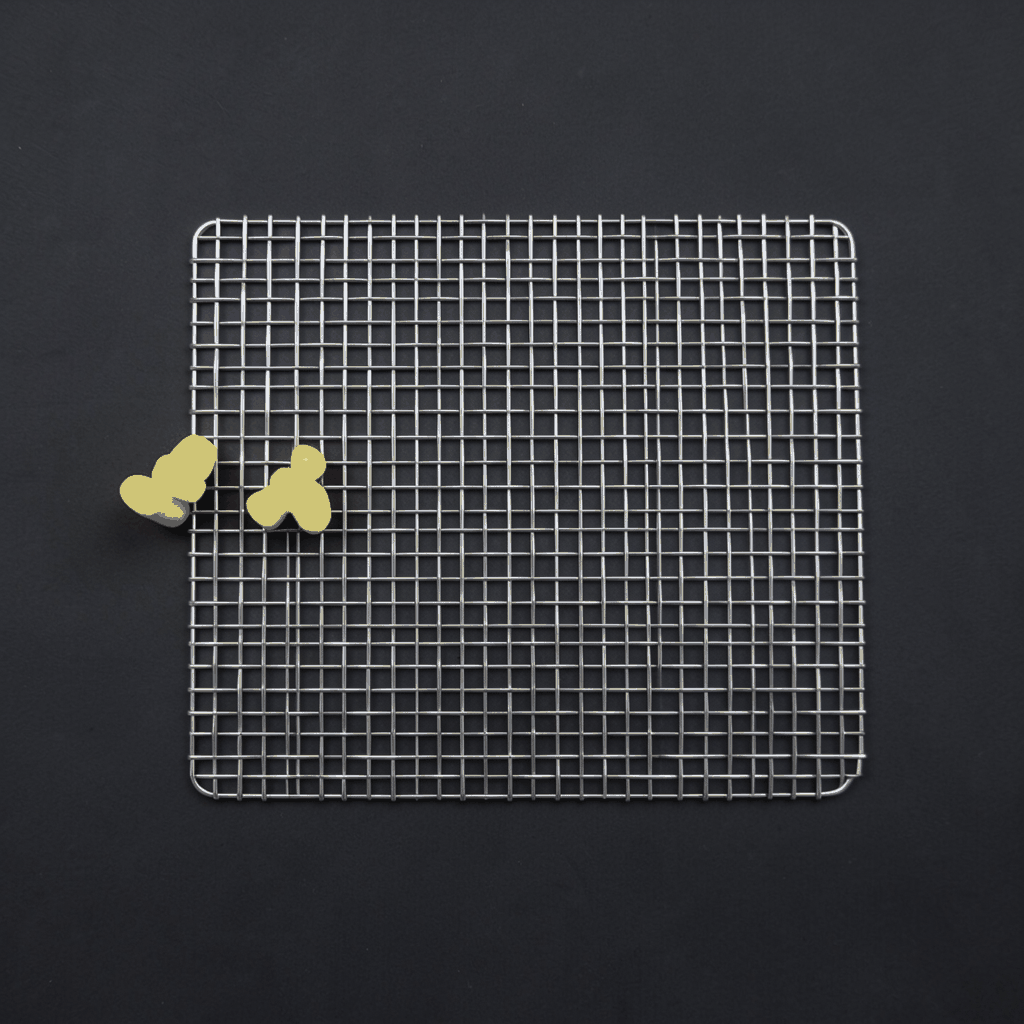
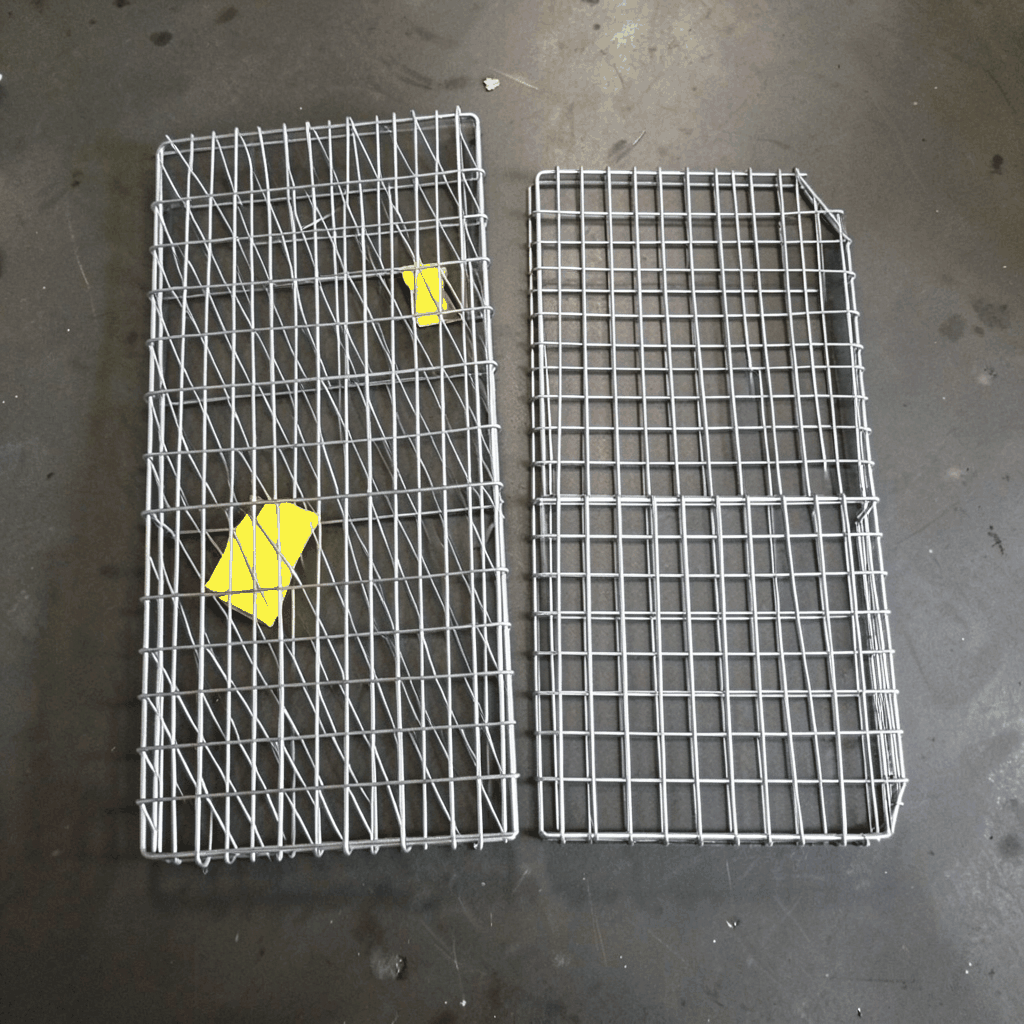
Welded bar gratings and welded wire panels provide a flatter but durable walking surface, often used on mezzanine floors, industrial staircases, and service platforms in places such as Perth refineries or Gladstone port facilities. Because the load-bearing bars run in one direction, these products lay out easily in long runs and can be cut to follow curved or angled treads. Perforated plate with raised or embossed holes is a frequent choice when the architectural brief calls for a cleaner appearance, allowing the pattern to echo branding or façade geometry while still meeting slip resistance targets. This style works well in commercial fit-outs across Sydney and Melbourne, where lobby stairs and feature ramps need to balance safety with a finished look that meets tenant expectations.
Material selection for Australian conditions
Stainless steel grade 316 is the preferred choice in coastal suburbs of Sydney, the Gold Coast, and along the Mornington Peninsula, where salt-laden air accelerates corrosion of lesser alloys. For inland applications such as school walkways in Adelaide or loading docks in Canberra, grade 304 delivers adequate corrosion resistance at a lower cost. Both grades can be supplied with a mill finish, electropolished, or bead-blasted to influence both appearance and the texture of the walking surface.
Aluminium mesh offers a much lighter panel, simplifying handling on site and reducing the dead load on existing structures. It is widely used for retrofitting heritage timber staircases, lightweight access platforms, and portable event staging at venues like the Sydney Showground or the Melbourne Convention Centre. Galvanised mild steel remains the workhorse of industrial sites, particularly in the resources sector around the Hunter Valley and the Pilbara. Hot-dip galvanising after fabrication ensures that welds and cut edges are protected, extending service life in humid, dusty, or chemically active environments. Where there is a risk of explosive atmospheres, spark-resistant meshes in aluminium or brass can be specified, although their lower mechanical strength must be balanced against the load requirements of the application.
Aperture size, profile, and footing contact
The size and shape of the apertures determine how the mesh interacts with shoe soles. Openings between roughly 10 and 20 millimetres strike a useful balance, allowing liquids and debris to fall away while still providing enough metal on either side to support the foot. Smaller apertures suit high heels, trolley wheels, or small-wheeled equipment, but they trap more material and demand more frequent cleaning.
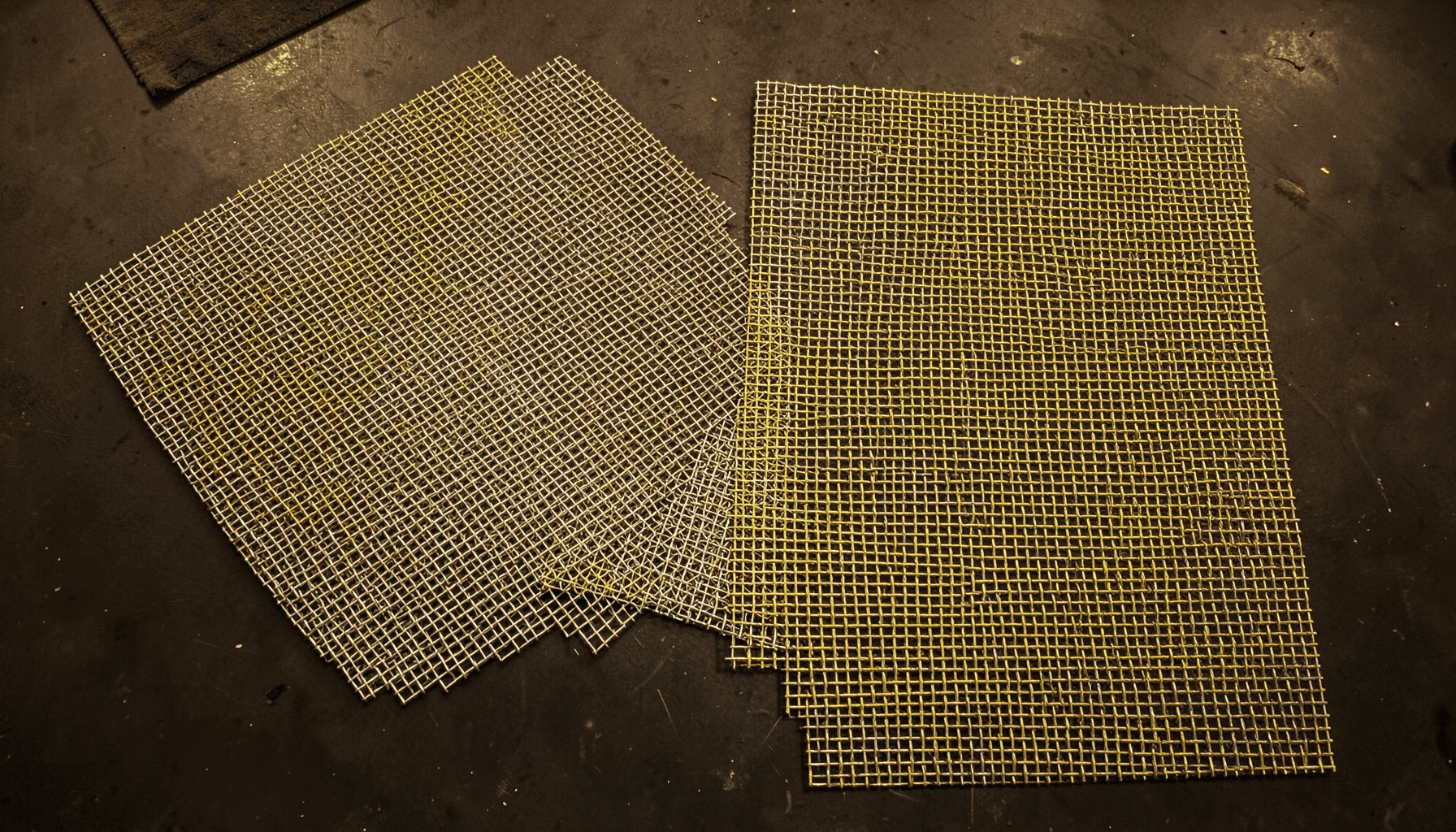
Direction matters as well. Woven mesh with a defined warp and weft performs differently along each axis, as does expanded metal with its directional diamonds. For stair treads, the long axis of any opening should run front to back, parallel to the nosing, so the leading edge of each step presents the maximum number of gripping points to the descending foot. Raised, serrated, or knurled edges bite more aggressively into rubber soles, while smooth flattened mesh relies on drainage to maintain traction. For barefoot areas around public pools in Brisbane or coastal change rooms, smoother profiles are preferred to avoid skin abrasion.
Load capacity and structural behaviour
Mesh treads must carry the design load of users, equipment, and dynamic forces from foot traffic or vehicles. Welded gratings are typically rated by bearing bar size and spacing, and suppliers publish tables that allow engineers to match a panel to a span, deflection limit, and concentrated load. Expanded and woven meshes are often checked against a project-specific calculation because their load capacity depends heavily on strand thickness, mesh pattern, and direction of span.
Public access stairs generally require a 2.5 kilopascal live load with allowance for point loads from stretcher access, while industrial staircases in processing plants may need 5 kilopascal or higher to accommodate wheeled equipment. Designing with a margin helps the tread survive accidental overload, vibration, and long-term fatigue without visible sag at mid-span. Edge conditions deserve equal attention: stainless or hot-dip galvanised fixings matched to the mesh material avoid galvanic corrosion, and a continuous edge bar distributes load across the panel.
Drainage, debris, and outdoor exposure
Outdoor treads in Australia must handle heavy rain events, leaf litter from native species, sand carried in from beaches, and the occasional dust storm in rural areas. Open mesh handles these well because nothing accumulates on the surface, but the support structure beneath needs to allow water to escape rather than pond against the building envelope. Falls of one to two percent toward the front of the tread or toward a perimeter gutter are usually enough to keep the assembly dry.
Marine and poolside environments introduce salt and chlorine, both of which can attack the wrong material combination surprisingly quickly. Selecting 316 stainless steel, plastic-isolated fixings, and regular wash-down cycles keeps these installations serviceable for decades. Around barbecue areas, a common feature of Australian homes and public parks, grease and carbon build up on the mesh, so removable or easy-lift treads make cleaning a quick task. In food processing and pharmaceutical facilities, smooth welded mesh with rounded edges can be cleaned to meet audit standards while still providing enough texture to satisfy the floor safety plan.
Custom fabrication for unusual sites
Many projects arrive with conditions that no standard catalogue can satisfy, from curved spiral staircases in Brisbane apartments to heritage-listed platforms at a working wharf in Fremantle. Custom fabrication allows the mesh to be cut, formed, and welded to follow the geometry of the structure while keeping the slip-resistant pattern consistent across the assembly. Laser cutting can add branding, drainage slots, or contrast nosings without weakening the panel.
Working with a manufacturer that holds detailed drawings, samples, and quality records in a single workflow reduces the risk of mismatched deliveries on busy sites. Shuo Ke provides drawings for approval, prototype samples where required, and production in materials that match the local environment, whether that is marine-grade stainless for a coastal boardwalk or heavy galvanised grating for a mine processing platform. The result is a tread that fits first time and continues to perform through years of public or industrial use.
Applications where custom mesh treads are frequently specified:
- Staircases and ramps in commercial lobbies, transit stations, and public buildings
- Industrial platforms, mezzanines, and access walkways in processing plants
- Boardwalks, ferry terminals, and viewing decks in coastal or riverside precincts
- Outdoor entertaining areas and barbecue zones in parks, apartments, and resorts
A short checklist helps keep the specification on track:
- Required slip rating under AS/NZS 4586, including orientation
- Material grade suited to local corrosion exposure
- Load, span, and deflection criteria for the application
- Fixing method, edge detail, and maintenance access
To discuss a project, request a quotation, or arrange a sample of mesh suitable for non-slip treads, contact Shuo Ke Wire Mesh Product Technology Co., Ltd. with your drawings, required ratings, and site conditions, and the team will propose a tailored specification.