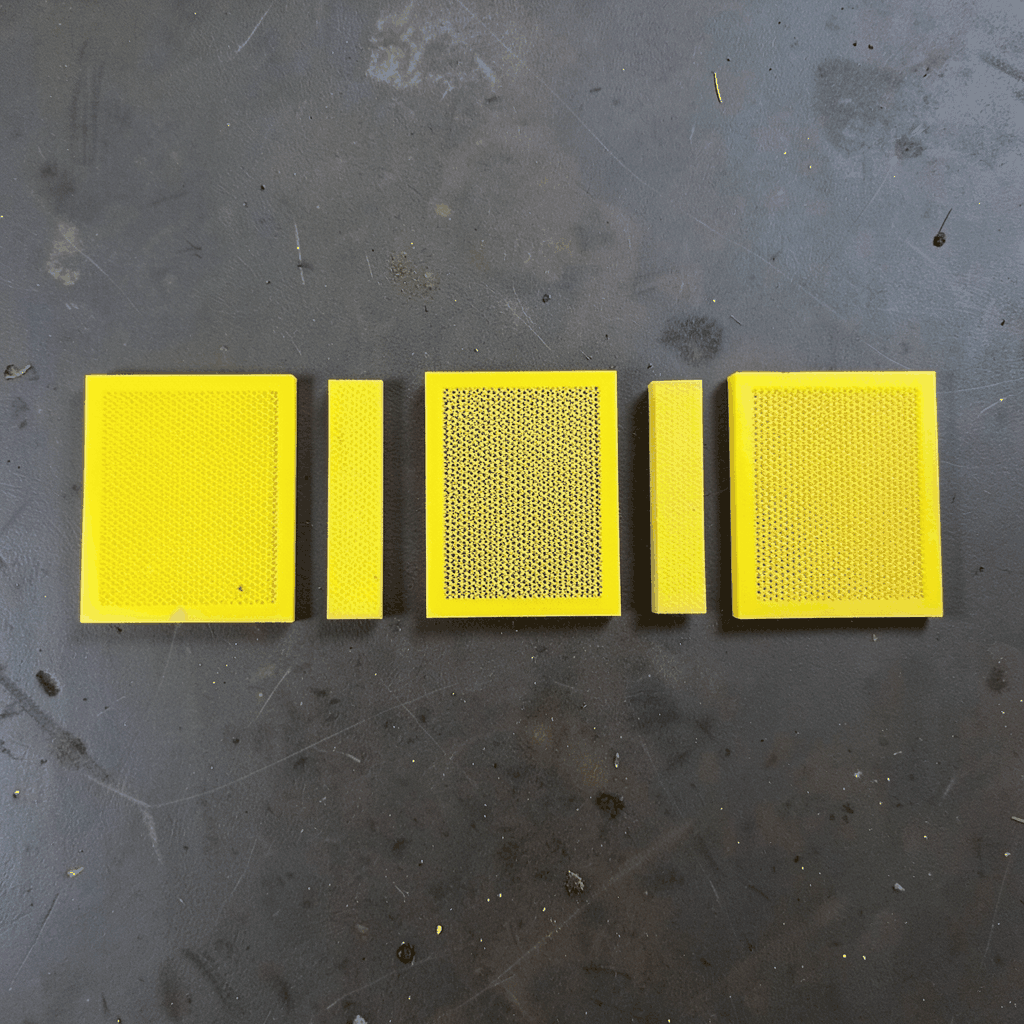
Stainless Steel Mesh for Aquarium and Fish Tank Filtration
Aquarium filtration depends on controlled water movement, reliable separation and materials that remain stable in a wet environment. Stainless steel mesh can serve as a screen, strainer, intake guard, filter support, diffuser or protective barrier in freshwater and marine systems. Its open structure allows water to pass while retaining media, preventing livestock from entering pumps and helping larger particles stay out of sensitive equipment.
For Australian aquariums, material selection deserves careful attention. Saltwater installations in Brisbane, Sydney, Perth and other coastal areas are exposed to humid air and salt residue, while household tanks often operate continuously in warm indoor conditions. The right stainless steel grade, mesh opening and finished edge can improve service life, simplify cleaning and support a safer filtration layout.
Why Stainless Steel Suits Aquarium Filtration
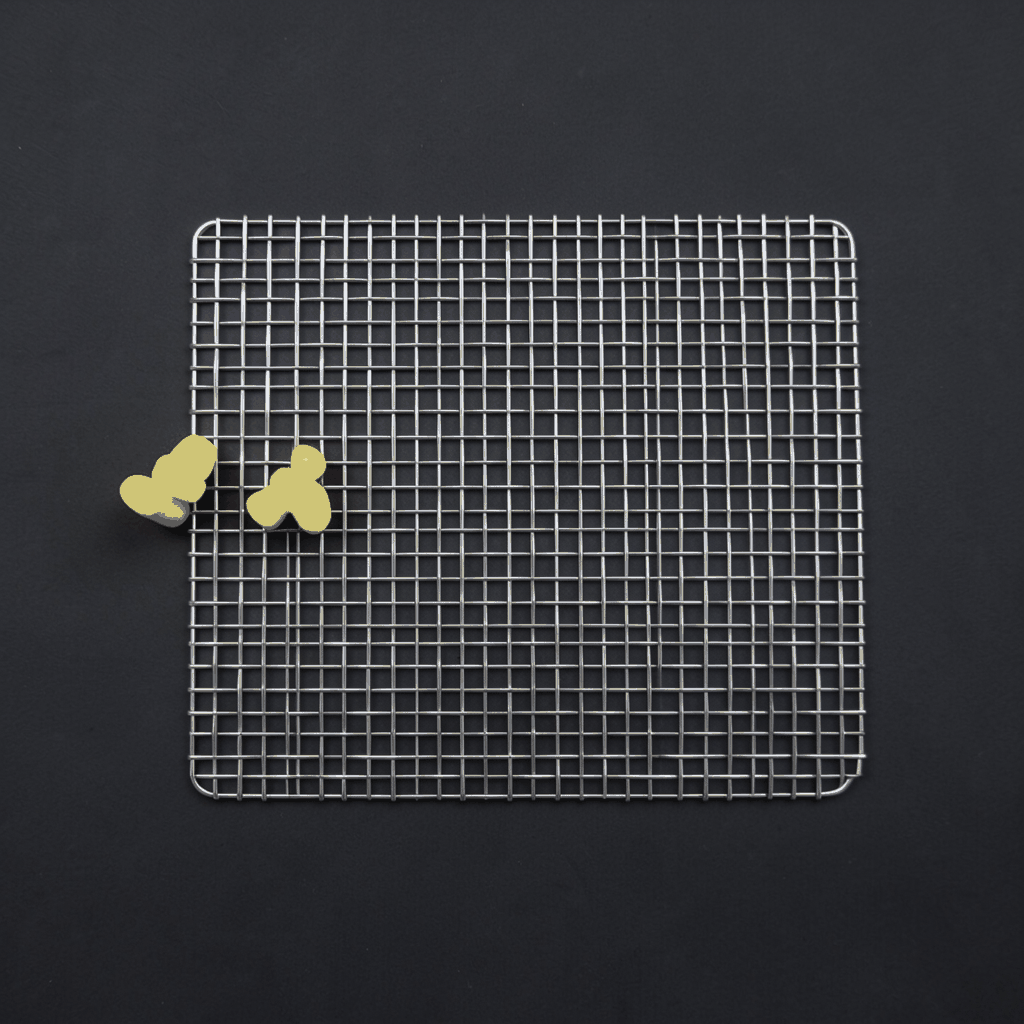
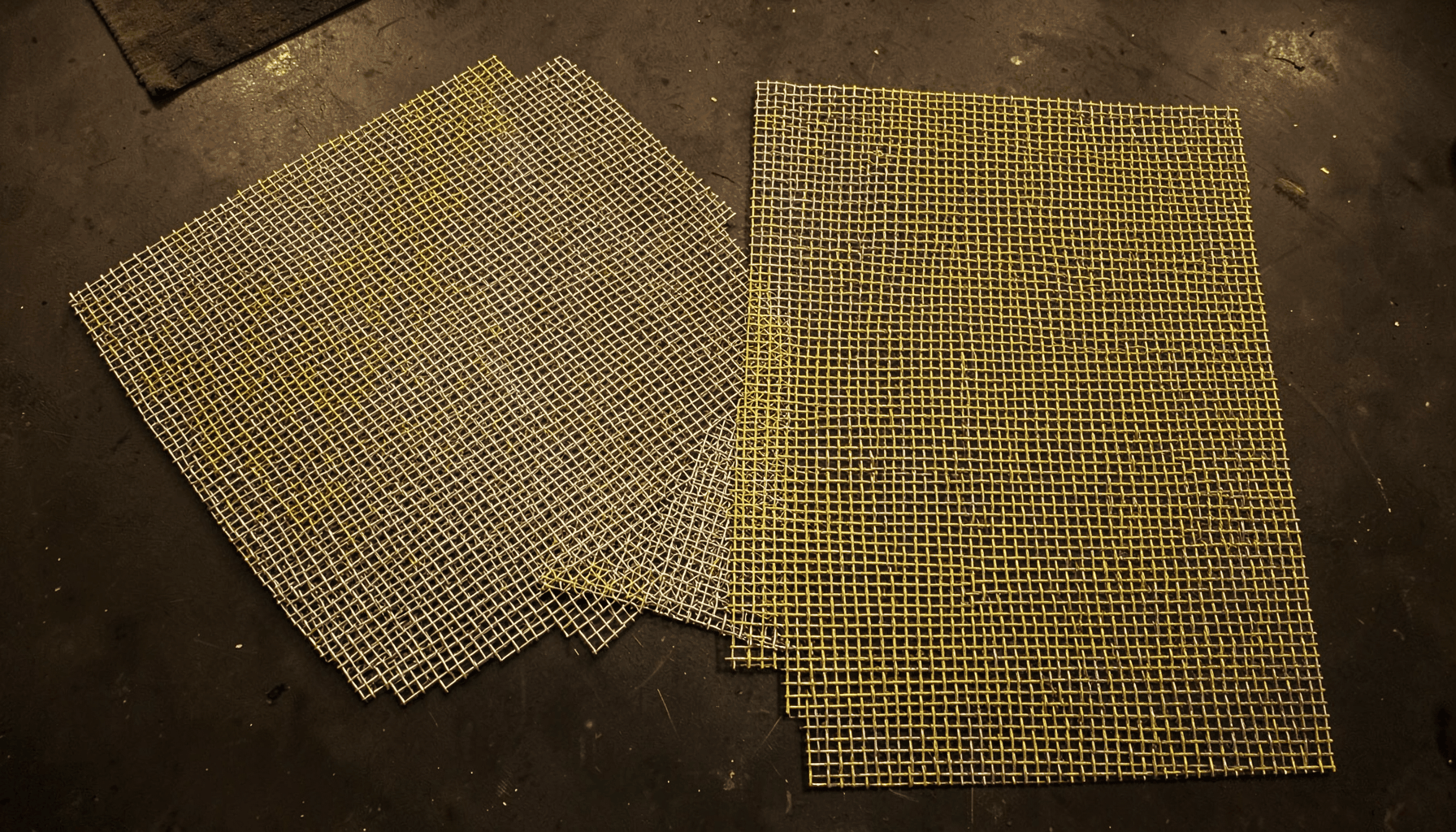
Stainless steel is valued for its strength, dimensional stability and resistance to corrosion. Woven wire mesh can be manufactured with consistent square or rectangular openings, making it suitable for coarse pre-filtration, pump guards and media retainers. Perforated stainless sheet offers a more rigid alternative when a panel must hold its shape across a larger tank intake or filtration chamber.
Grade 304 stainless steel is widely used for freshwater equipment and indoor applications. Grade 316 or 316L is generally a stronger choice for marine aquariums, brackish systems and installations near the coast because molybdenum improves resistance to chloride-related corrosion. Even marine-grade stainless steel requires care: salt deposits should be rinsed away with fresh water, and harsh chlorine-based cleaners should not be left on the surface.
A properly selected metal screen can remain stable around pumps, overflow boxes and sump compartments without swelling, splitting or shedding fibres. This is valuable when compared with some soft plastics that may become brittle under ultraviolet exposure or repeated cleaning. Stainless steel also tolerates moderate heat from sterilisation or warm water better than many low-cost polymer meshes, although the cleaning method must suit the fish, plants and beneficial bacteria in the system.
The stainless mesh manufacturer can help match alloy, wire diameter, opening size and fabrication method to the intended aquarium component. A supplier with processing capability can also provide cut panels, folded baskets, frames and deburred edges rather than sending a raw roll that requires additional workshop preparation.
Selecting Mesh Openings And Wire Diameter
Mesh aperture determines what the screen will retain and how quickly it may clog. A coarse intake guard may use openings large enough to maintain strong flow while stopping fish, shrimp, snails or plant debris from reaching an impeller. A finer filter screen can capture suspended particles, but it creates greater resistance and may need more frequent cleaning.
Micron ratings are useful when discussing fine filtration, but they should be treated as an approximate description for woven mesh. The actual opening is affected by wire thickness, weave style and manufacturing tolerance. A 100-micron screen, for example, will behave differently from a 100-micron filter pad because the metal openings are rigid and may have a different surface area available for flow.
For aquarium engineering, it is sensible to begin with the pump’s rated flow, the desired turnover rate and the available screen area. A small fine-mesh panel can restrict water quickly, while a larger panel with the same opening can provide better flow and longer intervals between maintenance. Increasing screen area is often more effective than selecting an extremely open mesh that fails to protect the pump.
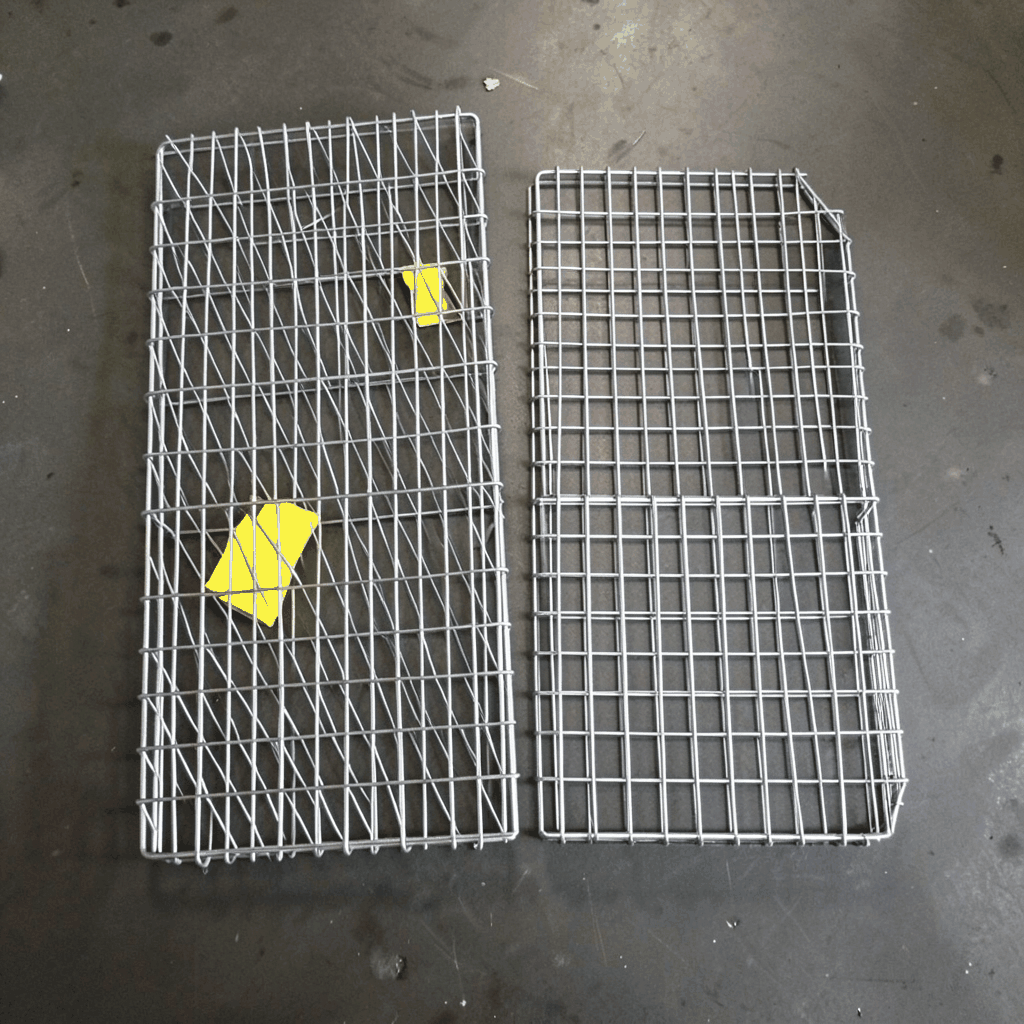
Wire diameter affects strength, flexibility and hydraulic resistance. Fine wire creates more open area, while thicker wire offers better impact resistance and supports heavier filter media. Woven wire mesh is useful for curved or removable screens; welded mesh is appropriate where rigid geometry and repeatable panel dimensions matter. Perforated sheet is often preferred for a strong sump divider, overflow cover or equipment guard.
Freshwater, Marine And Coastal Conditions
Freshwater tanks generally place less chemical stress on metal, but water chemistry still matters. Low pH, high mineral content, medication residues and aggressive cleaning products can influence corrosion over time. Stainless steel components should be rinsed after fabrication to remove production residues, and any welded or cut area should be properly finished so that sharp edges and surface contamination do not become maintenance problems.
Marine aquariums create a more demanding environment because saltwater supports corrosion processes and leaves conductive deposits around equipment. Grade 316L is commonly considered for saltwater screen assemblies, particularly where the mesh remains submerged or sits in a sump with constant splash exposure. The alloy is important, yet design details matter just as much. Crevices, trapped debris, dissimilar metals and stagnant saltwater can all shorten the life of a component.
Galvanic corrosion is a practical concern when stainless steel touches aluminium, copper or ordinary steel in a wet system. Fasteners, brackets and frames should be selected as a compatible set, with insulating washers or coatings used where appropriate. Copper-based materials deserve particular caution around invertebrates, as dissolved copper can be harmful to shrimp, corals and other sensitive livestock.
Australian coastal homes often use air conditioning, open windows and outdoor entertaining areas, which can introduce dust, humidity and salt-laden air into the room. Tanks in Perth, Adelaide or coastal Queensland may need more frequent inspection of lids, intake guards and sump screens than an inland installation. A simple freshwater rinse and visual check can prevent a film of salt or algae from reducing the effective opening area.
Design Details For Safe And Efficient Use
Every aquarium mesh component should be designed around the animals and equipment it protects. An intake screen must prevent fish, fry and invertebrates from being drawn against the pump. Openings should be small enough to stop the smallest livestock from entering, while the total screen area should be large enough to keep suction velocity low. A removable frame makes this balance easier to maintain because the screen can be cleaned without dismantling the whole filtration system.
Edges deserve the same attention as the mesh itself. Cut wire can be sharp, especially after trimming a woven roll. Folded edges, welded frames, rolled borders or protective profiles can reduce handling risks and prevent damage to silicone joints, flexible hoses and fish fins. Smooth finishing is essential for aquarium covers, dividers and internal baskets that may be handled during routine maintenance.
Fine mesh can trap algae, uneaten food and bacterial film. If the screen is hidden inside an overflow or canister filter, a gradual reduction in flow may go unnoticed until the pump begins to run dry or the water level changes. Designing for access, drainage and quick removal is therefore as important as selecting the nominal mesh size.
The screen should also be checked against the filtration process. A mechanical pre-filter may be cleaned often, while a biological media support should retain media without becoming a dense barrier to oxygenated water. In a sump, a perforated divider can control the movement of sponges, ceramic rings or plastic media. In a canister system, woven mesh may work as a support layer, provided its opening and shape match the housing.
Custom fabrication can be valuable when standard aquarium parts do not fit a large reef tank, public display or commercial installation. Digital pattern development and precision fabrication services can support accurately shaped brackets, prototypes or component layouts before a final metal mesh assembly is produced.
Australian Installation And Maintenance Considerations
Aquarium owners in Australia commonly buy equipment through specialist aquarium shops, online retailers and local marine suppliers. Replacement screens should be specified in millimetres rather than described only as “fine” or “coarse”. A useful purchase specification includes stainless steel grade, mesh type, aperture, wire diameter, panel dimensions, edge treatment and whether the component will be continuously submerged.
Pumps, lights and heaters create an electrical safety issue around water. Installations should follow the applicable Australian electrical requirements, including appropriate protection and separation for equipment near the aquarium. A licensed electrician can assess power points, residual-current protection and cable routing, with particular care taken to keep connectors and power boards away from splash zones. Metal mesh should never be treated as a substitute for an electrical earth, protective enclosure or compliant equipment design.
Large public aquariums, retail displays and commercial fish rooms may also involve workplace safety, animal welfare and local building requirements. State and territory rules can differ, while imported aquatic species may be subject to Australian biosecurity controls. Anyone bringing livestock, plants or equipment into the country should check current Department of Agriculture, Fisheries and Forestry requirements rather than relying on overseas product instructions.
Routine cleaning extends the life of a stainless steel aquarium screen. Remove the mesh, rinse it with clean water and use a soft brush to clear algae and trapped particles. Avoid steel wool, abrasive tools and unapproved chemicals that can scratch the surface or leave residues. For marine systems, inspect welds, corners, fasteners and contact points for tea staining, pitting or deposits. Any component showing corrosion, distortion or a sharp exposed edge should be repaired or replaced before it returns to the tank.
A written maintenance schedule is especially useful in busy homes, aquarium shops and public displays. Record flow changes, cleaning dates and observed wear. In Australia’s warmer months, higher evaporation can increase salt concentration in marine systems, while summer power interruptions may affect pumps and biological filtration. A clean, accessible mesh screen helps operators restore normal flow quickly when conditions change.
Custom Mesh Solutions For Aquarium Projects
Off-the-shelf filter socks, plastic grids and foam blocks suit many domestic tanks, but specialised systems often need a different approach. A stainless steel basket can hold removable filter media in a sump. A formed intake guard can protect a circulation pump in a large marine display. A perforated panel can divide wet and dry areas while maintaining a predictable water path.
Fabrication drawings should show the mesh opening, wire diameter, material grade, overall dimensions and tolerances. They should also identify folds, welds, mounting holes, handles and any areas requiring a smooth finish. For curved tanks or unusual overflow shapes, a physical template or accurate digital model can reduce fitting errors and help the manufacturer plan the cutting sequence.
The best solution balances filtration performance with maintenance. A finer screen is not automatically better if it blocks rapidly. A heavier alloy is not automatically necessary if the component sits outside the water. The correct design uses the least restrictive opening that protects the livestock and equipment, then provides enough surface area for practical cleaning intervals.
Shuo Ke Wire Mesh Product Technology Co., Ltd. produces and processes stainless steel, aluminium, copper, iron and other metal mesh products for customised applications. Its experience with woven mesh, perforated panels, baskets and fabricated components can support aquarium filtration parts that combine structural strength with a clean, functional appearance.
For a new aquarium, reef system, commercial display or replacement filter assembly, prepare the operating details before requesting a quotation. Include tank volume, water type, pump flow, installation position, immersion conditions, preferred alloy, mesh opening and cleaning method. Share drawings or photographs where possible so the finished screen can be manufactured for the actual space rather than adapted after delivery.
Specify your aquarium filtration requirements with the mesh grade, opening size, dimensions and edge finish clearly defined, then request a tailored stainless steel component built for Australian operating conditions. A well-engineered screen can protect equipment, support stable water flow and make routine fish tank maintenance safer and more predictable.