Stainless Steel Mesh for Architectural Railing Infills
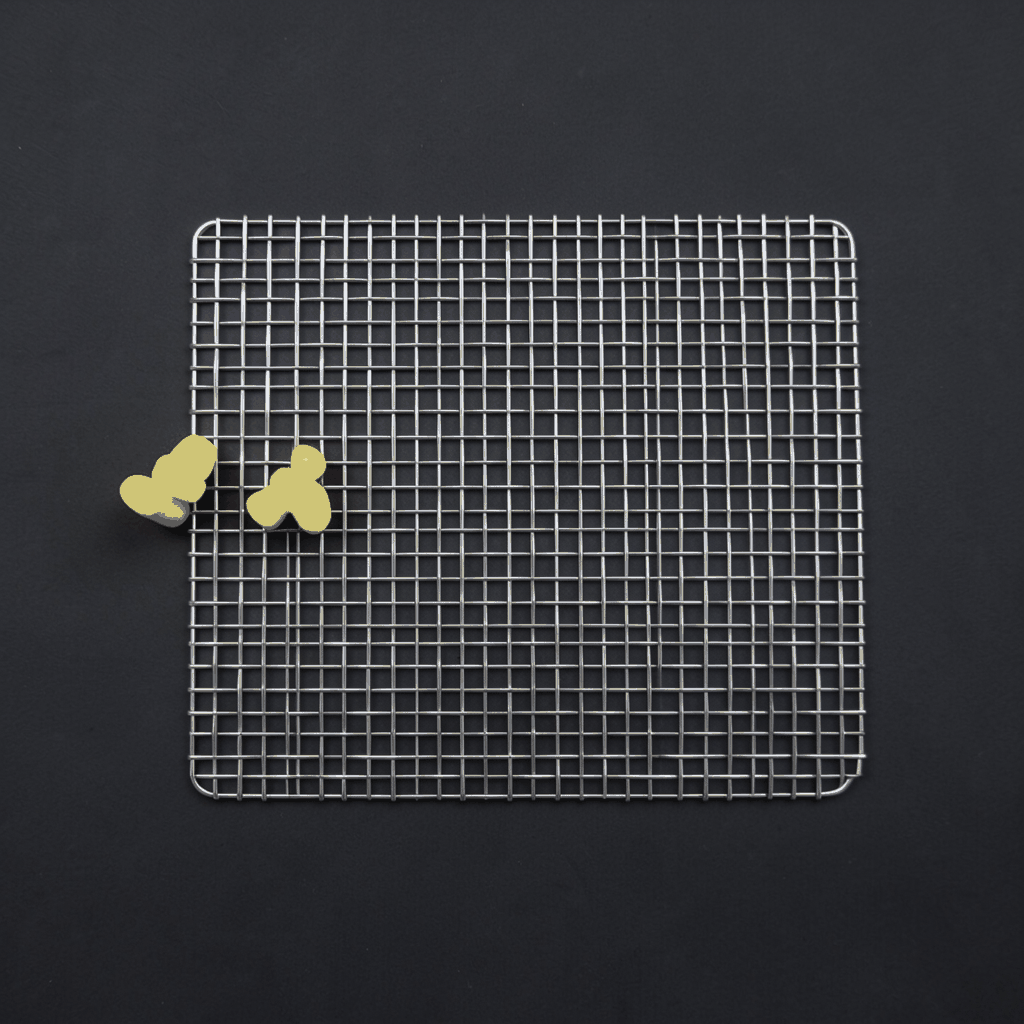
Stainless steel mesh has become a practical infill choice for balconies, terraces, stair guards and commercial balustrades. Woven wire, welded grid, perforated sheet and laser-cut panels can provide a secure barrier while preserving daylight, airflow and views. A well-proportioned panel also gives architectural railings a lighter character than a solid wall, making the infill part of the building rather than a defensive afterthought.
For Australian projects, appearance is only the first consideration. Salt-laden air around Sydney, the Gold Coast and Perth, intense summer UV, inland heat and the growth of apartment living all affect material and connection choices. Woven stainless infill must be considered as part of the whole guardrail system, from posts and handrails to fixings, drainage and compliance with the National Construction Code.
Why stainless mesh suits modern Australian buildings
A stainless steel railing infill combines openness with a clear architectural purpose. Fine wire can make a balcony feel spacious, while a denser weave improves privacy and reduces the chance of objects passing through. Unlike glass, mesh does not create a large reflective surface; unlike closely spaced vertical bars, it can use less material and suit wider, visually calmer panels.
Apartment terraces in Melbourne, Brisbane and inner Sydney are commonly used for everyday meals, reading and relaxation. Good airflow matters in warm weather, and residents often prefer a balustrade that preserves light, outlook and a sense of openness. Mesh can satisfy that preference without making the balcony appear enclosed, provided the pattern is chosen at human scale and tested as a safety component.
Long-term economics also favour stainless in exposed locations when the grade and detailing are correct. It does not need the periodic recoating associated with painted carbon steel, and quality woven panels can remain visually stable for decades. Salt deposits and handling marks still need attention, so low maintenance should be understood as reduced maintenance rather than no maintenance.
Choosing the right grade for each environment
Grade 304 stainless steel is widely used for interior and sheltered applications, and it can perform well in many urban and dry inland environments. It contains chromium and nickel that provide corrosion resistance, but it is less tolerant of persistent chlorides. Coastal properties, swimming-pool surrounds and areas with salt spray need closer scrutiny of exposure and cleaning frequency.
Grade 316 contains molybdenum and generally offers better resistance to chloride pitting, making it a common choice for marine and coastal architecture. It is a sensible default for outdoor balustrade panels near the sea, yet even 316 can show tea staining or develop crevice corrosion when salt and moisture remain trapped. Selection should reflect actual exposure rather than a marketing description such as marine grade.
Duplex stainless grades such as 2205 provide greater strength and chloride resistance for demanding projects, although availability and cost may be limited. Whatever grade is chosen, fabrication can introduce contamination. Dedicated stainless tools, clean handling, thorough pickling or passivation where needed, and removal of embedded iron particles are essential to preserve the intended performance.
Safety and building code considerations
Compliance applies to the complete guardrail assembly, not to a loose sample of woven wire. The National Construction Code and AS/NZS 1170.1 address structural actions and barriers, while AS 4326 and relevant state or territory guidance may also influence stair and balcony guard design. A qualified designer, builder or certifier should confirm the applicable requirements for the site.
Aperture size, panel orientation, edge projection, climbability, support spacing and fixing strength all matter. Some provisions are concerned with preventing a child or object from passing through; others address loads or elements that could assist climbing. A conventional square weave cannot be assumed to comply simply because its openings appear narrow. The proposed panel should be assessed against the specific clause and use, with supporting calculations or test evidence retained.
Documentation should identify the stainless grade, wire diameter, opening dimensions, panel dimensions, fixing method and structural capacity. In bushfire-prone parts of Australia, stainless steel being non-combustible does not automatically make the railing assembly compliant with local fire requirements. The designer should check applicable bushfire standards, council conditions and any ember-related needs for the building type.
Balancing openness, privacy and visual character
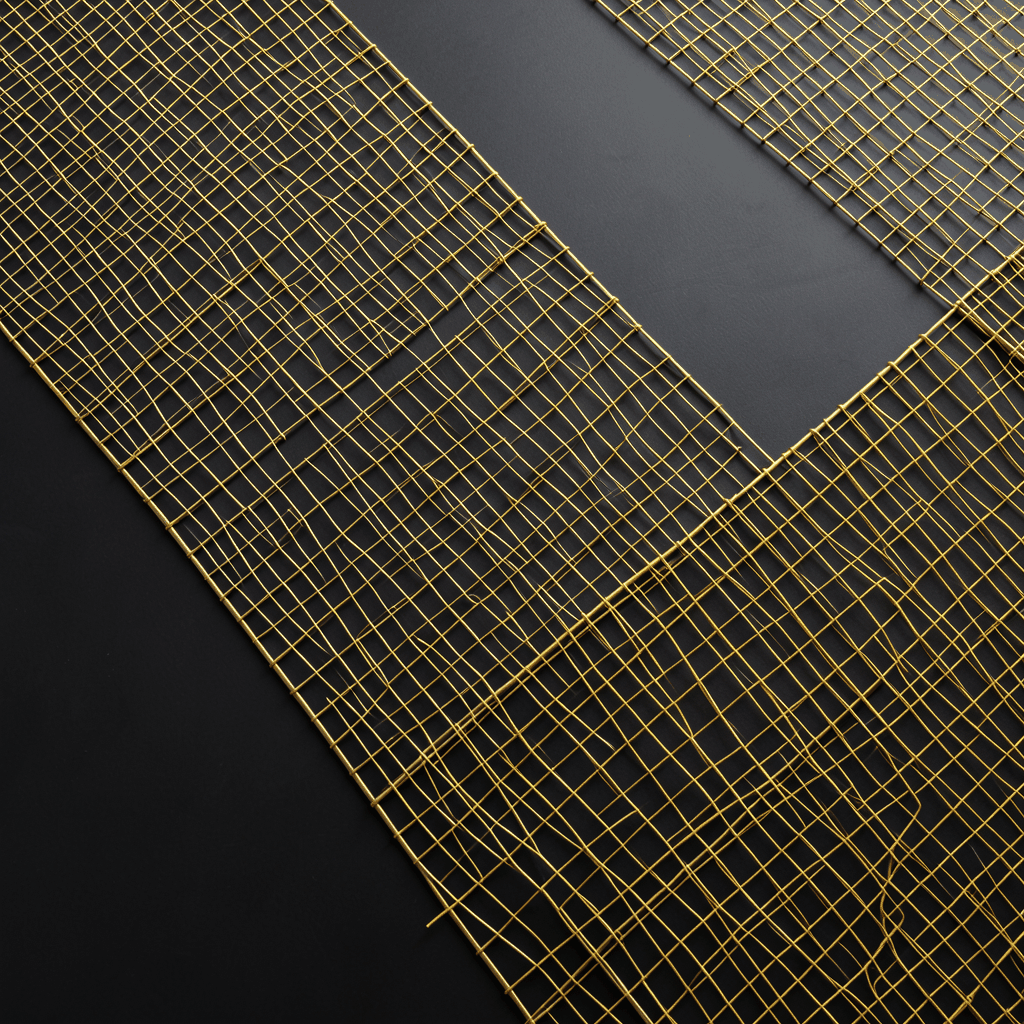
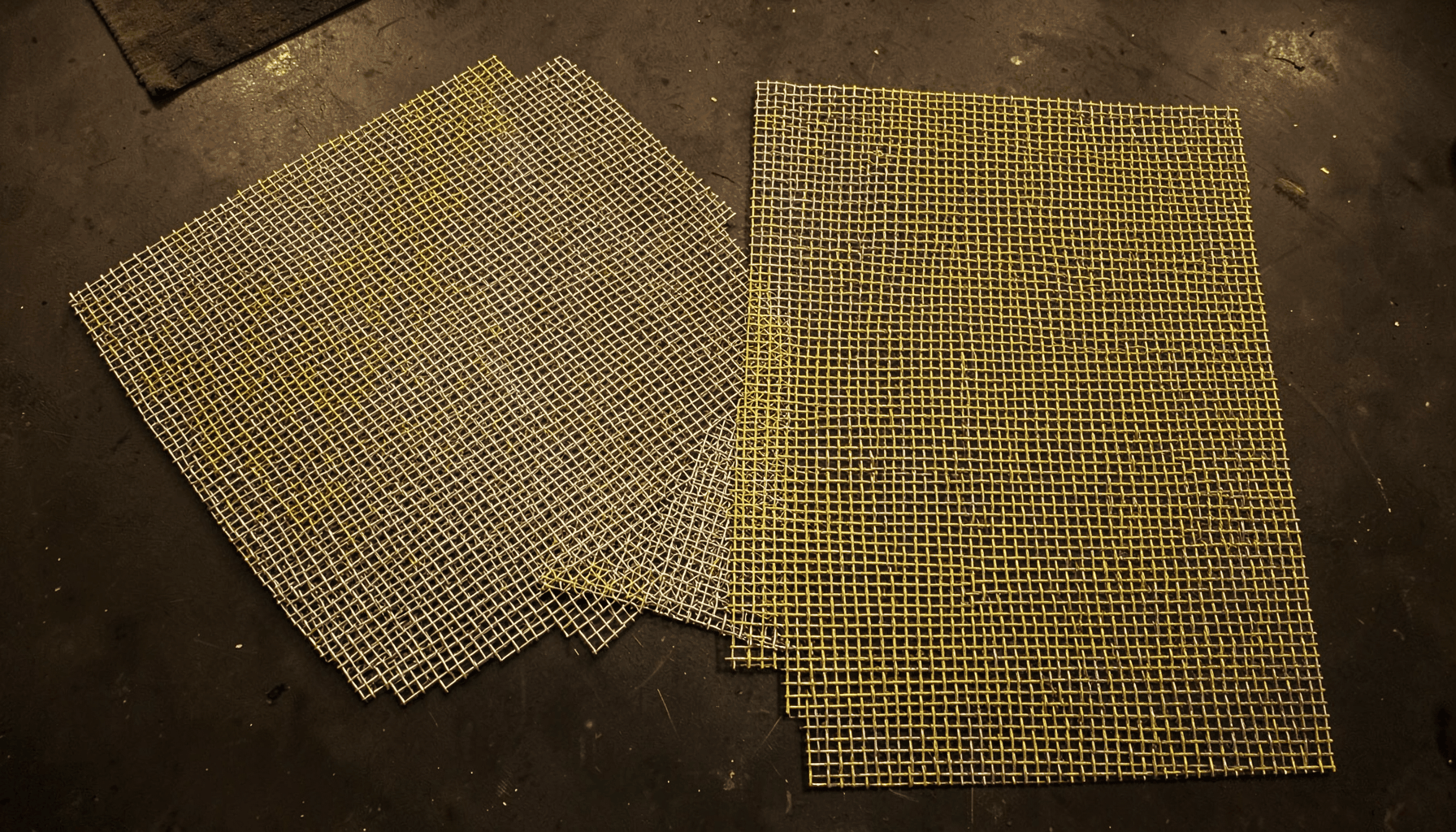
The weave changes both perception and practical performance. Square or rectangular woven wire gives a regular grid; Dutch weave creates longer lines and a different sightline; welded mesh can stay flatter across larger areas. Perforated sheet and laser-cut screens offer precise graphic patterns, but their openings, edges and load capacity require separate review from a woven infill.
Privacy needs vary by elevation. A panel facing a neighbouring balcony may need enough visual obstruction to make the space comfortable, while a frontage with a valued view should remain transparent. Fine wire can reduce visual clutter at close range, yet very small apertures can trap dust and make inspection difficult. Large panels also need intermediate supports if they are to remain flat and resist wind.
Framing is as important as the mesh itself. A slim stainless channel, flat bar or welded border can give the panel rigidity, while concealed clips keep the face clean. Designers can compare mesh panel design references when balancing weave scale, borders and fixing details. Early coordination with the railing supplier helps avoid clashes with doors, drainage paths and maintenance access.
Fabrication, installation and everyday maintenance
Custom manufacturing allows infill panels to suit actual post spacing rather than forcing the architecture around stock sheets. China-based Shuo Ke Wire Mesh Product Technology Co., Ltd. processes architectural and industrial mesh in materials including stainless steel, aluminium, copper, iron and other alloys. Its production range includes woven partitions, laser-cut screens and custom wire products for residential, commercial and municipal use.
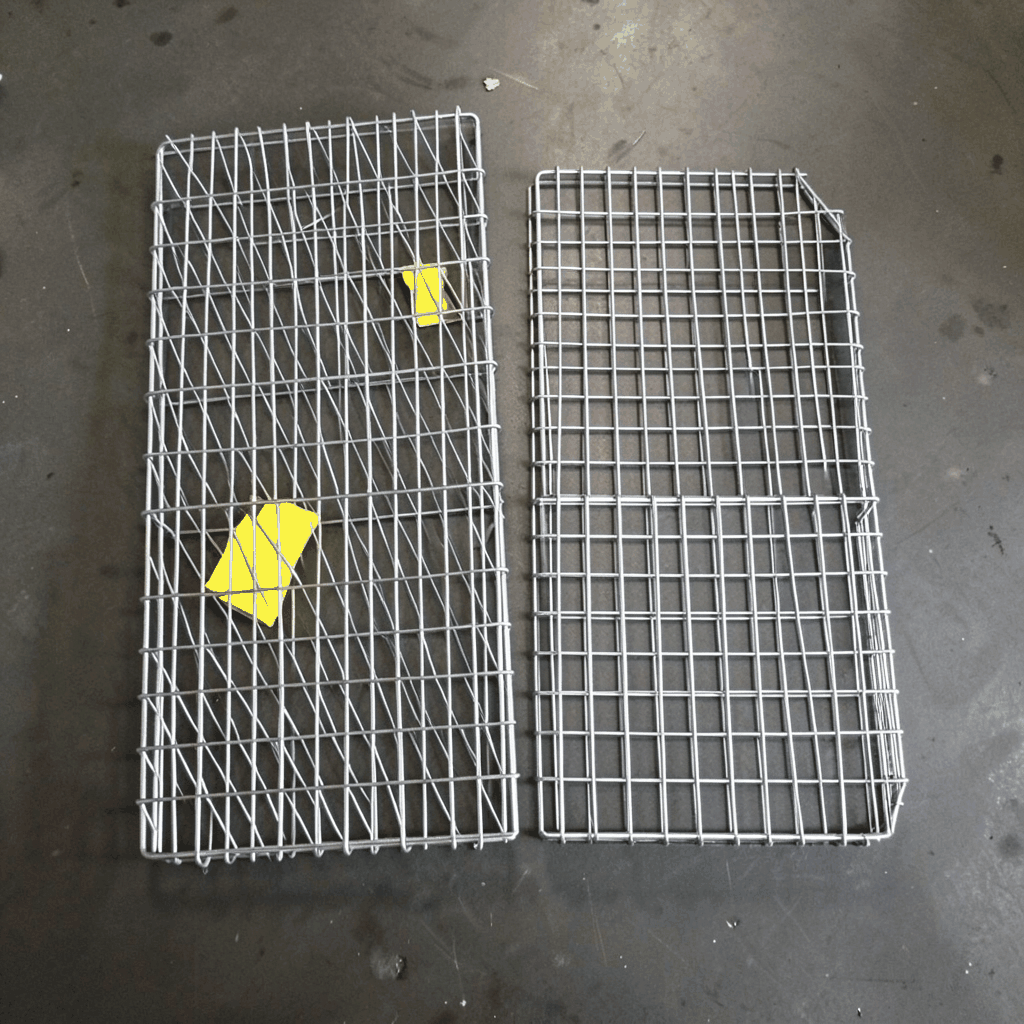
Panels should be checked for dimensional tolerance, flatness, wire direction, edge treatment and secure attachment before delivery. Site drilling or welding can weaken corrosion resistance if the procedure and tools are unsuitable. Mechanical clips, welded tabs and framed edges each have different detailing requirements, and any site welding should follow a controlled stainless-steel procedure with the surface restored and cleaned.
Fixings must be compatible with the post system, and dissimilar metals should be isolated where galvanic corrosion is possible. Allow for movement and drainage rather than trapping water in channels or against concrete. Cleaning usually means periodic rinsing with fresh water, a soft brush and a neutral cleaner; abrasive pads and chloride-containing detergents can damage the surface. Coastal panels deserve a shorter cleaning interval.
Comparing stainless mesh with other infill options
Aluminium offers low weight and good corrosion resistance, but its finish, deflection under wind and interaction with other metals require attention. Coated mild steel can be economical and strong, yet coatings are vulnerable to salt, abrasion and damage during installation, followed by repair or repainting as the exposed surface ages.
Glass provides excellent visibility and a clean architectural line, although it needs careful wind design, safe edges and frequent cleaning in dusty or coastal settings. Vertical bars suit some guardrail designs but use more material and create a stronger visual rhythm. Stainless mesh is most useful where openness, pattern, structural efficiency and corrosion resistance are all needed within a limited footprint.
Selection should compare the complete system, not one material in isolation. Weight, wind loading, spans, post spacing, maintenance access, repairability, appearance and local lead times can outweigh the lowest unit price. A lifecycle view also accounts for cleaning, coating, replacement and disruption to occupied areas over the railing's service life.
Specifying stainless steel mesh with confidence
A useful project brief records opening dimensions, post centres, overall guard height, exposure location, stainless grade, wire size, weave, panel size, edge treatment and required finish. It also identifies the design loads, applicable Australian Standards, evidence needed for certification, installation method and maintenance expectations. Photographs and dimensioned sketches should accompany material samples.
A full-size sample lets the designer assess transparency, reflections, visual scale and the relationship to handrails before a large order. One production panel can then serve as a reference for workmanship, flatness, fixing and site tolerances. This staged approach reduces costly changes, especially when mesh must coordinate with doors, lighting, signage or surrounding screens.
The Australian market includes local metal fabricators as well as imported specialist products, so buyers should compare total delivered cost and lead time rather than panel price alone. For overseas manufacture, request material certificates, inspection records, test reports and clear packaging instructions. Allow time for shipping, customs clearance and local installation, and confirm who bears responsibility if a panel arrives damaged or outside agreed tolerances.
Shuo Ke Wire Mesh Product Technology Co., Ltd. can support custom stainless steel railing infill from early material selection through woven or laser-cut panel production and project-specific finishing. Share the guardrail drawings, exposure conditions and compliance requirements to obtain a practical recommendation, a sample panel and a quotation built around the complete installation.
Contact the Shuo Ke team to discuss grade, aperture, panel dimensions, frame options and Australian delivery requirements. Request a project-specific sample and price for your next balcony, terrace, stair or commercial balustrade installation.