
Stainless Steel Mesh Catalyst Supports for Chemical Reactors
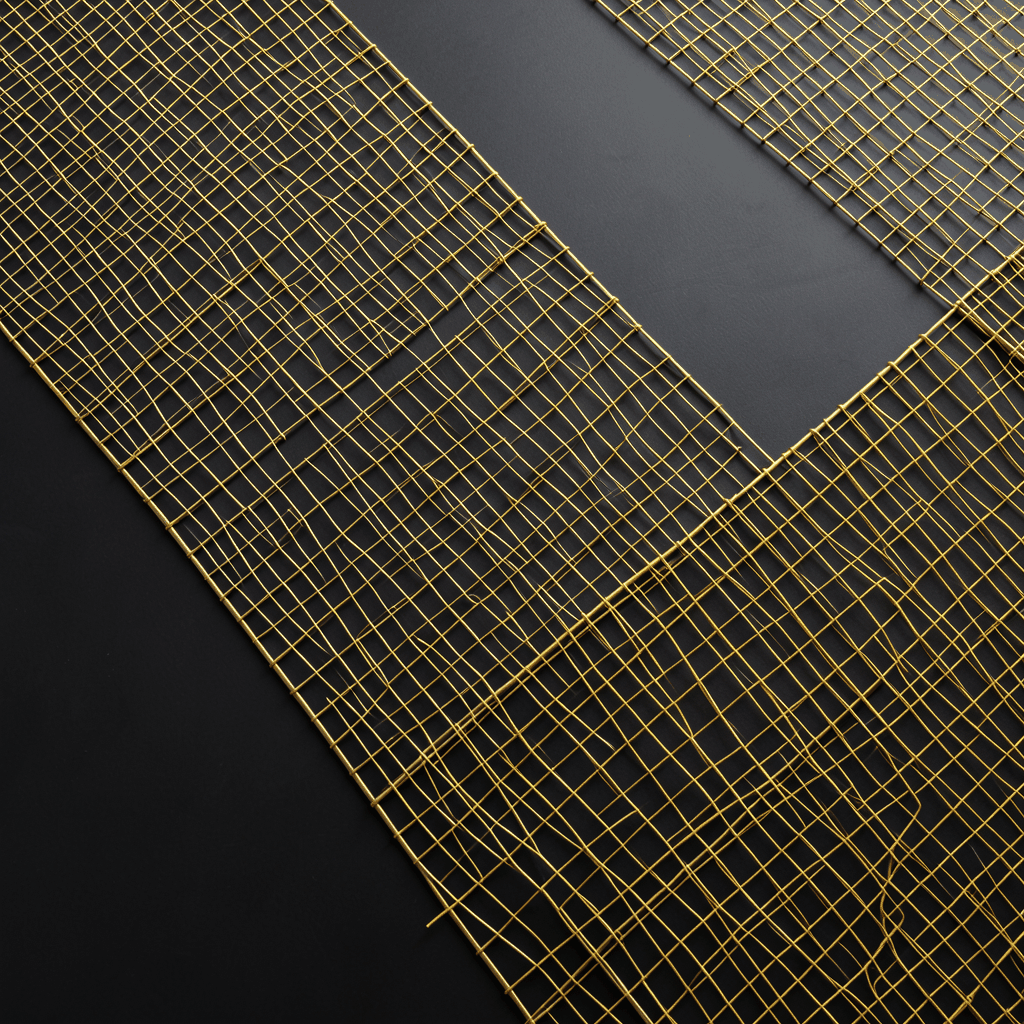
Stainless steel mesh provides a practical way to retain, distribute, protect, or physically support catalyst material inside chemical processing equipment. Depending on the reactor design, it can be supplied as a woven screen, perforated-and-meshed assembly, sintered multilayer panel, catalyst basket, support grid, or shaped internal component. The correct construction helps maintain catalyst position while allowing gases, liquids, vapours, and reaction products to pass through with controlled resistance.
For Australian processors, the selection must account for chemical compatibility, operating temperature, pressure, cleaning methods, vibration, and the realities of site installation. A catalyst retaining screen used in a pharmaceutical plant in Melbourne may require a different mesh opening and surface finish from a heavy-duty support basket operating near Gladstone or an energy project in Western Australia. Good engineering begins with the process data rather than with a standard mesh catalogue.
Choosing The Right Stainless Steel Grade
Grade 316L is a common starting point for catalyst support applications because its molybdenum content provides improved resistance to chlorides, many organic compounds, and general process corrosion. Its low carbon content also supports welding and fabrication where corrosion resistance at heat-affected zones matters. It is often considered for wet chemical service, pharmaceutical equipment, fine chemicals, and applications involving washdown or repeated cleaning.
Grade 304 and 304L can be suitable where chloride exposure is limited and the process chemistry is relatively mild. They may offer a cost advantage for dry gas systems, general-purpose retaining screens, and internal components that do not contact aggressive contaminants. For elevated-temperature service, grades such as 310S or specialised stainless alloys may be more appropriate, although the final choice should be checked against actual temperature, atmosphere, thermal cycling, and catalyst chemistry.
Australia’s coastal and humid operating environments deserve particular attention. Equipment installed around Sydney, Brisbane, or Perth may experience salt-laden air during storage, transport, or plant operation, even when the process itself is dry. Stainless steel does not eliminate corrosion risk; contamination from carbon steel, chloride deposits, poor drainage, or unsuitable cleaning chemicals can still cause staining, pitting, or premature failure.
Mesh Construction And Catalyst Retention
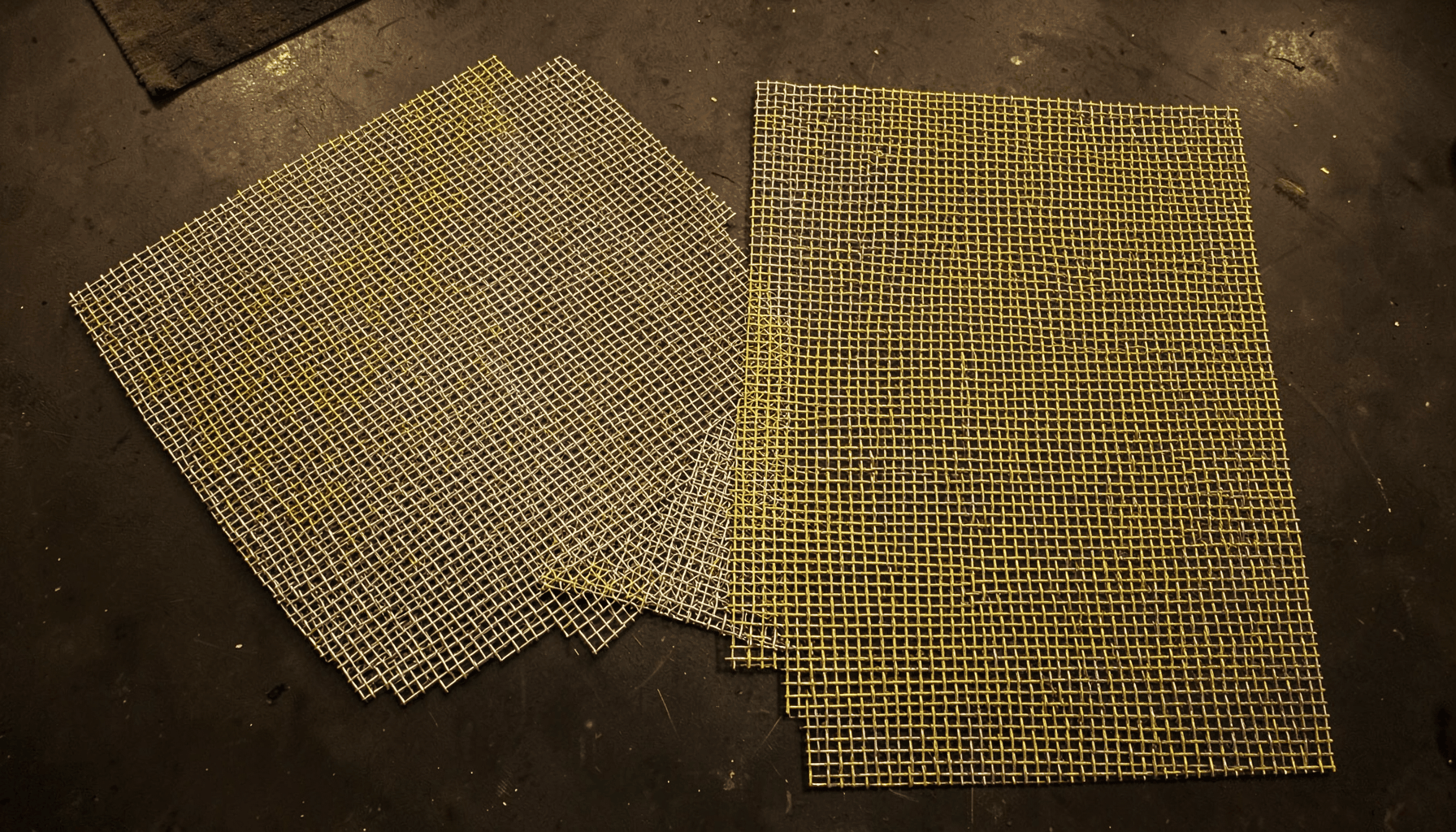
Woven wire mesh offers precise openings, high open area, and a broad range of wire diameters. Plain weave is widely used for fine screens and retaining layers, while twilled or Dutch weave can provide smaller filtration openings and greater mechanical stability. The mesh must be fine enough to prevent catalyst pellets, beads, extrudates, or powder from migrating through the support, yet open enough to avoid excessive pressure drop.
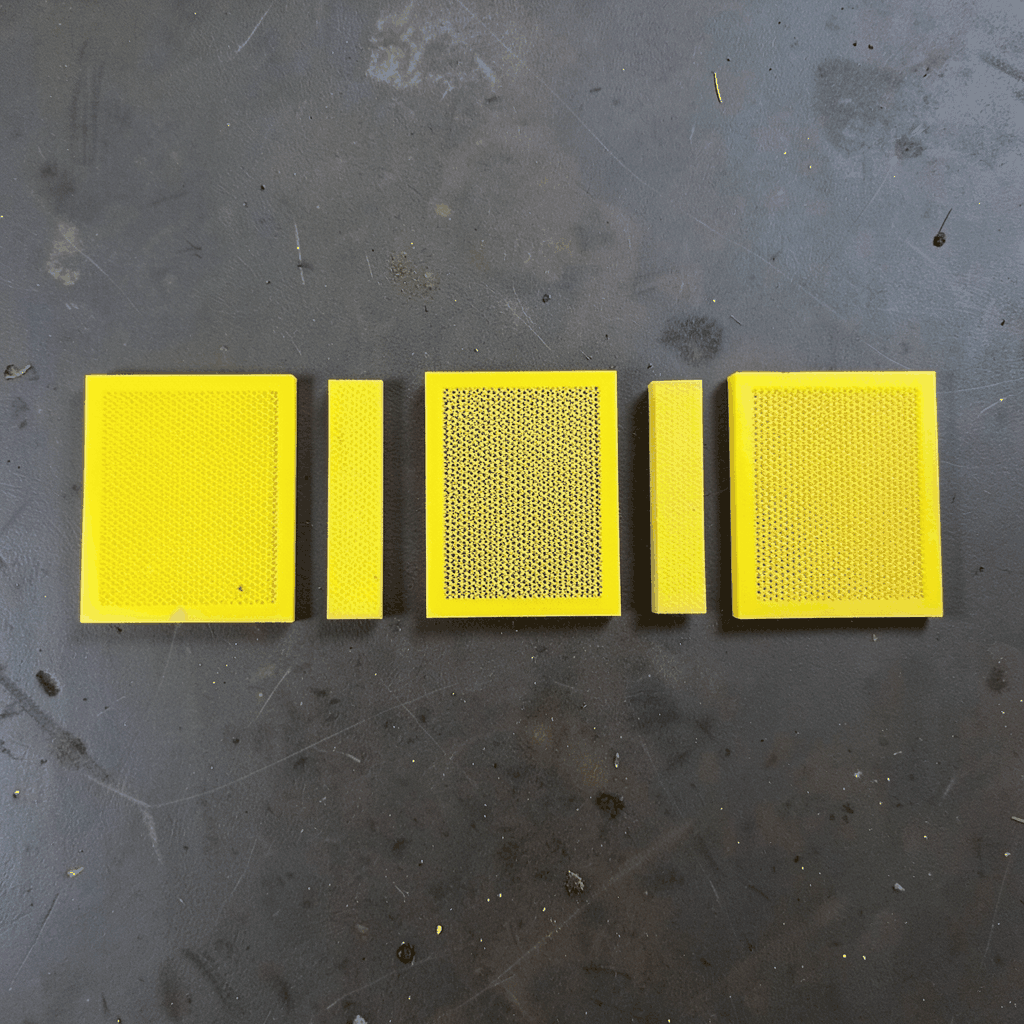
For heavier catalyst beds, a single fine screen may not provide sufficient load-bearing capacity. A layered construction can combine a coarse structural mesh beneath a finer retention mesh, distributing the weight over a larger area. Sintered wire mesh panels are another option when a rigid, cleanable, and dimensionally stable support is needed. These panels can be cut, rolled, welded, or formed into reactor internals with consistent permeability.
The mesh opening should be assessed against the catalyst’s smallest particle size, expected attrition, and movement caused by vibration or thermal expansion. Catalyst dust can gradually migrate through an oversized screen and contaminate downstream equipment. An excessively fine screen, however, may blind quickly or create a higher pressure drop than the reactor design allows. Open-area calculations should therefore be reviewed alongside flow rate, viscosity, gas velocity, and cleaning intervals.
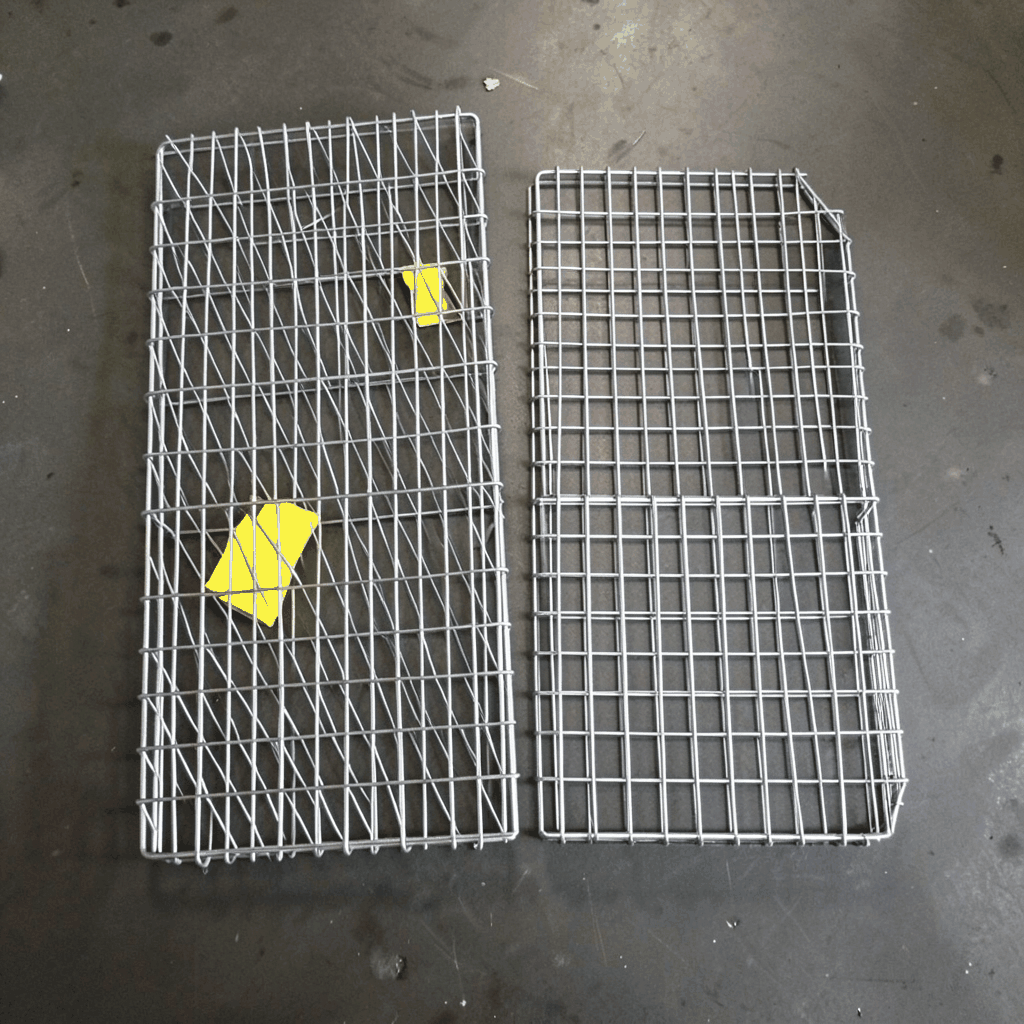
Mesh supports can also be formed into trays, cylindrical cages, baskets, rings, and removable cartridges. These formats simplify catalyst loading and unloading, especially where the reactor has a narrow access point or the catalyst must be replaced regularly. In Australian facilities with planned maintenance shutdowns, removable assemblies can reduce work at height and shorten the time required for internal inspection.
Designing For Heat, Pressure, And Chemistry
A catalyst support operates within the same thermal and chemical environment as the reaction system. Temperature can affect tensile strength, creep resistance, oxidation behaviour, and the dimensional accuracy of the mesh. A support that performs well at ambient conditions may distort under sustained heat, especially if the catalyst bed is heavy or the component is mounted with restricted allowance for expansion.
Pressure differential is another important design factor. A retaining layer may experience a sudden load during start-up, shutdown, blockage, or an upset condition. The engineering review should consider the unsupported span, frame geometry, attachment method, mesh direction, and the possibility of uneven catalyst loading. Reinforcing ribs or a perforated backing plate can prevent local deformation without blocking too much of the active flow area.
Chemical compatibility should be checked against the complete process mixture rather than a single named chemical. Water content, acidity, alkalinity, halides, sulphur compounds, solvents, oxidising agents, and reaction by-products can change corrosion behaviour. In mineral processing, hydrogen production, refining, and industrial gas applications, impurities may be more influential than the primary feedstock. A materials engineer can compare the operating data with corrosion tables and, where necessary, recommend coupon testing.
Reactor supports may also interact with catalyst performance. Sharp edges, loose wires, weld spatter, or contaminated surfaces can damage fragile catalyst particles or introduce unwanted substances into a sensitive process. Smooth welds, controlled cleaning, passivation, and inspection are valuable where purity is important. For systems linked to biomass or waste conversion, feed preparation can influence fouling and operating energy; feedstock pre-drying insights can help frame the wider relationship between moisture management and process efficiency.
Fabrication, Finishing, And Quality Control
A reliable mesh component depends on fabrication details as much as on the nominal stainless grade. Welded frames should be designed to avoid excessive distortion, and contact between dissimilar metals should be reviewed where galvanic corrosion is possible. Components that slide into a reactor should have controlled dimensions, rounded edges, and suitable clearances for thermal movement and installation.
Surface finish affects cleaning, particle retention, and corrosion resistance. A clean mill finish may be suitable for some industrial applications, while pickling and passivation can remove heat tint and restore the protective chromium oxide layer after welding. Electropolishing may be considered for hygienic or high-purity service where a smoother surface reduces product hold-up and supports more thorough cleaning.
Quality documentation should match the criticality of the reactor. Useful records may include material certificates, mesh count and wire diameter, opening measurements, dimensional inspection, weld inspection, surface treatment records, and packaging details. For a custom catalyst basket or support grid, drawings should identify tolerances, load-bearing areas, weld locations, lifting points, and the intended installation orientation.
Packaging is easy to overlook during international supply. Stainless mesh should be protected from carbon steel dust, moisture, salt contamination, and impact damage during transport to Australian sites. Components destined for remote projects in the Pilbara or Northern Territory may spend longer in storage and face rougher handling than equipment delivered to a metropolitan plant. Wrapped, braced, clearly labelled assemblies reduce the risk of damage before commissioning.
Specifying A Practical Supply Solution
A useful specification should describe the process, the catalyst, and the installation environment in enough detail for the manufacturer to recommend a suitable construction. Instead of requesting “stainless steel mesh” alone, the buyer should define the grade, mesh type, opening, wire diameter, dimensions, support arrangement, surface finish, and required documentation. Photographs or sketches of the existing reactor can clarify access and attachment conditions.
Australian projects may also require alignment with plant engineering rules, pressure equipment requirements, site safety procedures, and relevant AS or AS/NZS standards. The applicable standard depends on the equipment and industry, so it should be confirmed by the responsible engineer rather than assumed from the mesh product alone. Hazardous-area sites may also impose requirements for bonding, grounding, static control, and safe handling during catalyst changeover.
The following checks help narrow the design before quotation:
- Confirm catalyst particle size, shape, density, attrition rate, and expected replacement interval.
- Provide operating temperature, pressure, flow direction, chemical composition, moisture level, and cleaning method.
- Select stainless grade and surface treatment using actual corrosion and contamination conditions.
- Define the allowable pressure drop, support span, loading weight, and thermal expansion allowance.
- Request drawings, material traceability, inspection records, and packaging suitable for transport and site storage.
A manufacturer with wire weaving, metal forming, welding, and custom fabrication capability can combine these requirements into one engineered assembly. This is useful when a reactor needs a shaped basket, reinforced screen, removable cartridge, or multi-layer support rather than a flat roll of mesh. It also allows the same supplier to produce related filters, guards, access screens, and replacement internals with consistent materials and documentation.
The purchasing process should include a review sample or prototype when the component is safety-critical, unusually shaped, or exposed to severe temperature and chemical conditions. A trial piece can confirm catalyst retention, fit-up, flow behaviour, cleaning access, and handling before the full order is released. For plants serving Australia’s chemical, mining, food-processing, and energy markets, this modest verification step can prevent costly shutdown work caused by an unsuitable screen.
Select the mesh construction around the full operating duty, not simply the smallest opening or lowest purchase price. A properly specified stainless support improves catalyst containment, protects downstream equipment, and contributes to stable reactor performance over repeated operating cycles. Share the catalyst data, process conditions, drawings, and delivery requirements with Shuo Ke Wire Mesh Product Technology Co., Ltd. to develop a durable, accurately fabricated solution for your Australian project.