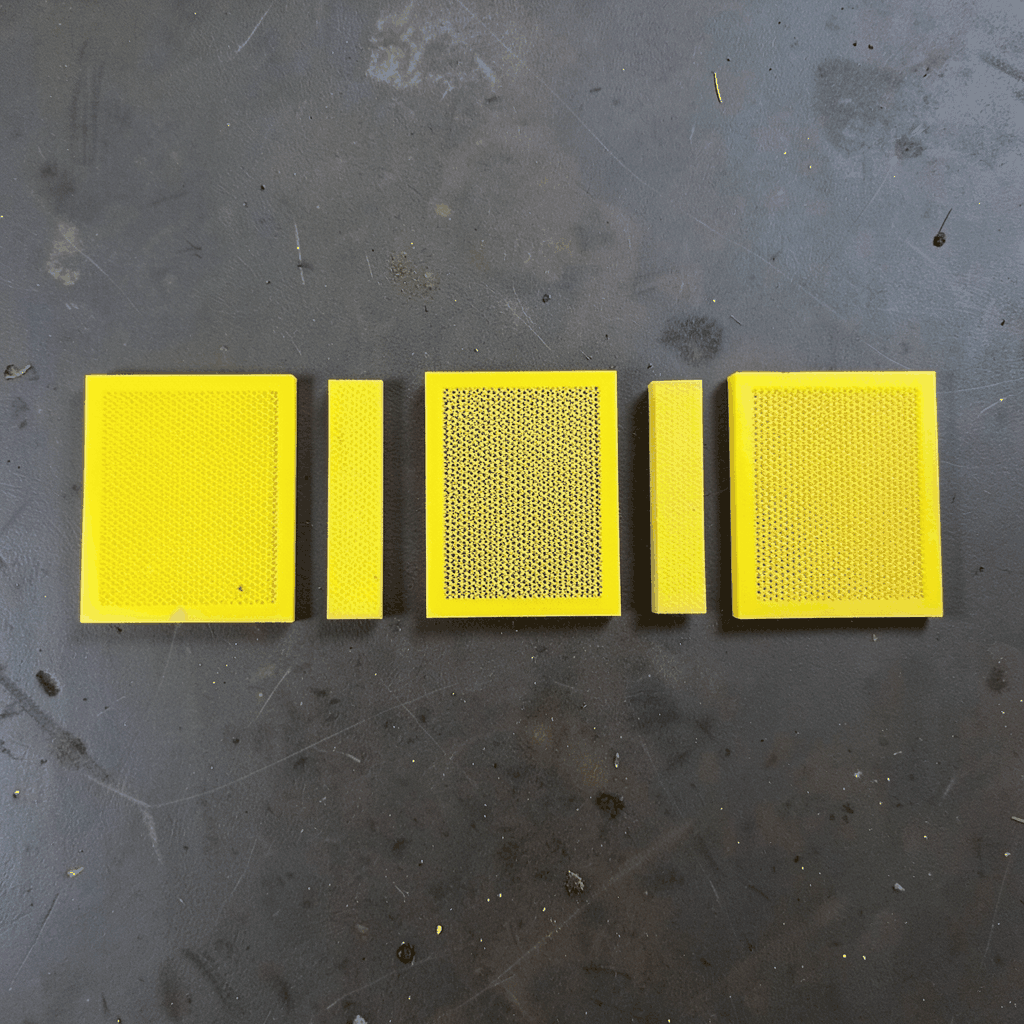
Stainless steel mesh for coffee roasting drum enclosures
Coffee roasting drum enclosures bring together guarding, ventilation and maintenance access in a compact part of the roastery. A well-designed enclosure keeps hands away from hot or moving components, helps manage chaff and coffee particles, and lets operators observe the process without hiding it behind a solid cabinet. Stainless steel mesh offers a practical balance between protection, airflow and visibility.
The enclosure should be treated as part of the machine’s guarding strategy, not as decorative cladding. Mesh normally belongs outside the rotating drum, with enough stand-off to prevent contact, heat damage and interference with bean discharge. It cannot replace the drum shell, a purpose-designed thermal barrier, burn controls or an engineered exhaust path.
Australian projects benefit from starting with the actual roaster, site measurements and a documented risk assessment. Imported roasting machinery is often fitted out locally, so panels must match service clearances and the way local technicians work. Clear drawings, millimetre dimensions and removal instructions help sheet-metal shops, electricians and roastery staff fit the enclosure without guesswork.
Why stainless mesh suits roasting drum guarding
Stainless steel suits this environment because it resists corrosion, retains strength at elevated temperatures and survives repeated cleaning better than unfinished mild steel. It also presents a controlled appearance that suits both a commercial roastery and a production coffee lab. The grade and finish still matter, but the material creates a durable base for guards around inspection doors, cooling areas, motors and exhaust components.
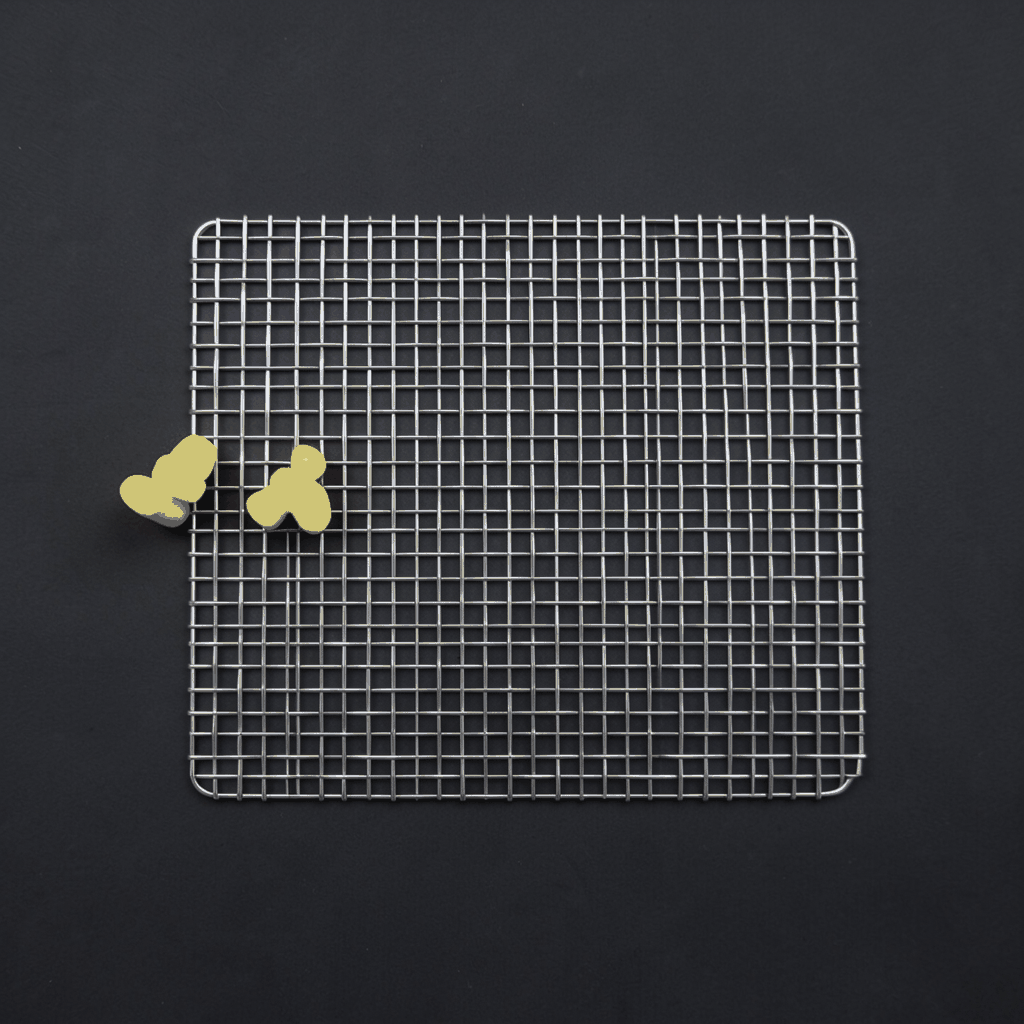
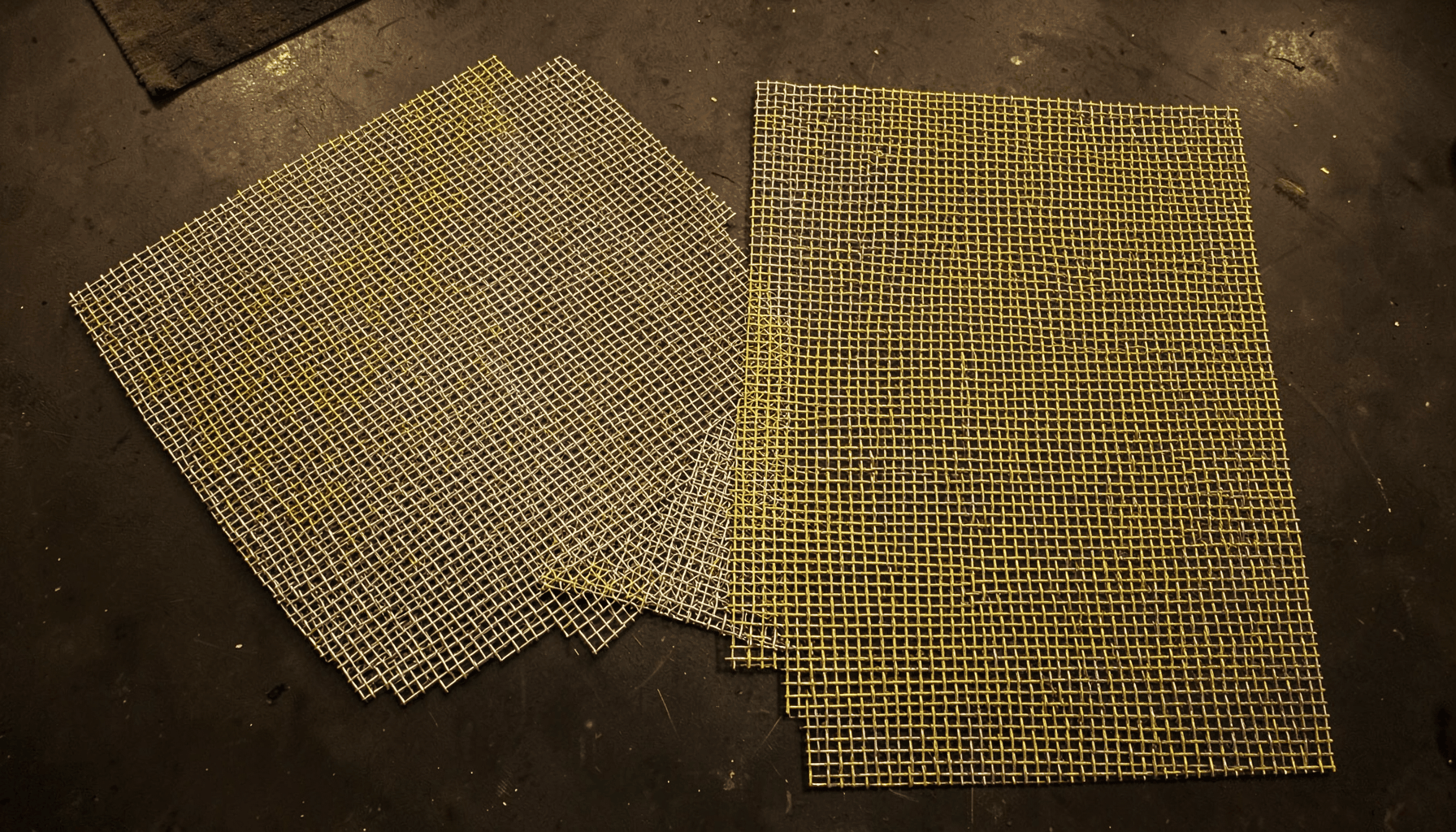
Mesh form changes performance. Woven wire mesh offers many aperture sizes and good open area but needs a rigid frame and careful tensioning. Welded wire panels stay flatter and handle larger openings, while perforated sheet or expanded metal can provide stronger edges and simpler integration with cabinetry. Expanded metal gives good visibility, although its strand geometry may collect oil and fine dust. The selected form should match the hazard, cleaning regime and required airflow.
Heat remains the decisive limitation. Ordinary stainless mesh should not be wrapped directly around a roasting drum, and fine wire can soften or discolour near burners or flue outlets. A ventilated gap, radiant shield or cool-zone layout is safer than forcing the panel to act as a heat shield. Panels near coffee residue also need smooth, cleanable surfaces and secure edges with no exposed wire ends.
Match the alloy to Australian roastery conditions
For most indoor roasteries, 304 stainless steel is a sensible, economical choice for non-aggressive cleaning and moderate humidity. It has broad availability across Australian suppliers and is widely used for cabinets, guards and custom panels. Where salt, frequent washing or harsh chemicals are present, 316 stainless offers stronger chloride resistance. For welded stainless work, 316L can help limit sensitisation around properly finished welds.
Local conditions influence that choice. Melbourne’s inner-city laneway roasteries often have limited floor area, making removable guards and compact access useful. A roastery in coastal Sydney may encounter salt through ventilation air, while a Brisbane site can face persistent humidity and condensation. Perth’s dry conditions generally reduce moisture risk, although cleaning chemicals and coffee oils still matter. These are practical reasons to specify grade by site rather than by habit.
The market also shapes how the enclosure is bought. Many Australian installations pair imported roasters with locally fabricated sheet-metal components, and workshops often work from marked-up drawings or a verified sample. Technicians tend to call the barrier a drum guard and the removable outer cover a service panel, while production staff refer to bean discharge and chaff collection. That plain vocabulary should be carried into drawings and labels.
- 304 stainless: economical indoor guarding where washdown is mild
- 316 stainless: coastal, humid or more demanding cleaning environments
- 316L stainless: welded and formed components requiring careful finishing
- Powder-coated mild steel: practical support frames where the mesh itself remains stainless
Control airflow, visibility and safety clearances
Aperture size is a safety decision, not merely a visual preference. Openings must make it difficult to reach a rotating shaft, hot shell or drive component, while allowing the intended flow of cooling air and exhaust. Very fine apertures can starve a fan, trap chaff and make a panel harder to inspect. Large openings improve airflow but can weaken containment. The risk assessment should set the limiting hazard and the required clearance.
Open area, wire diameter and fabrication method work together. A panel with a high percentage of open area can move substantial air with low fan resistance, whereas a dense screen may create pressure drop and heat. Woven panels should state nominal aperture, wire diameter and mesh count; welded panels need the same dimensional discipline. During specification reviews, precision mesh guidance provides a useful external reference for the importance of controlled tolerances and inspection points.
Australian machinery safety duties still require the finished guard to be assessed against the specific roaster. The designer should consider AS/NZS ISO 12100 principles for risk assessment, applicable safety-distance standards, guarding against hot surfaces, and any requirements set by the machine manufacturer. State and territory WorkSafe regulators can impose additional expectations. A mesh certificate alone does not prove that the installed enclosure is safe.
- Maintain the assessed clearance from shafts, couplings, hot shells and discharge points
- Confirm free-air area and fan performance with the roaster designer
- Provide sight lines without placing hands at an opening
- Keep coffee dust, chaff and cleaning residue from building on panel edges
Engineer doors, access panels and service details
Access is where many otherwise sound screens fail. A guard that requires tools during a busy service can encourage removal, while a loose cover can be left open. Fixed mesh suits areas that are inspected rarely; hinged panels can suit routine checks when fitted with positive latches. If a guard must open while the drum can operate, an interlock designed for that machine may be required and should be wired and tested by competent personnel.
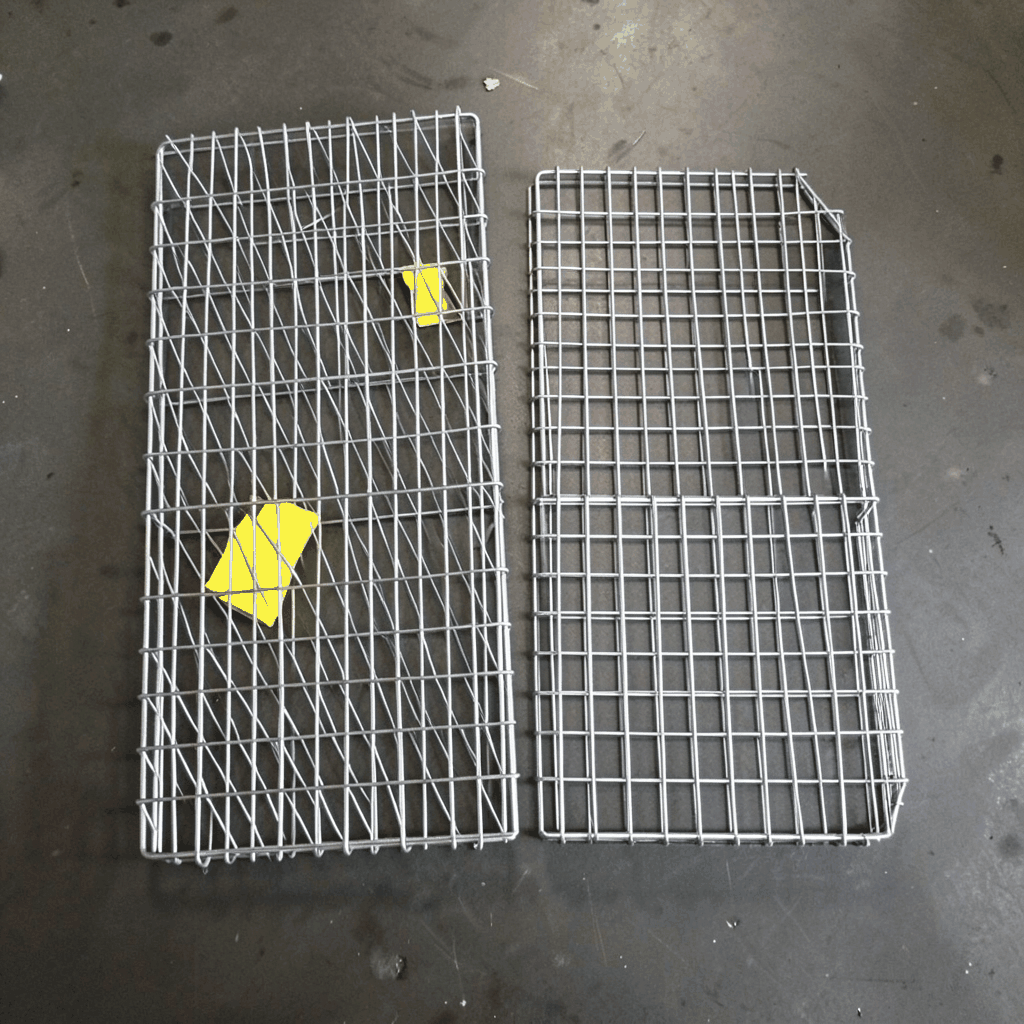
The panel frame needs to hold the mesh flat without crushing or curling it. Stainless angle, flat bar or tubular sections can support woven or welded mesh, while a powder-coated mild-steel frame may reduce cost where it is not exposed to a harsh washdown. Fixings should be tamper-resistant where practical, isolated from the hot zone and positioned so they do not snag clothing. Folded or welded edges protect the mesh and remove sharp projections.
Cleaning access should be as considered as operator access. A Perth or Melbourne roastery may remove panels during deep cleaning, while a busier Queensland site may hose a cabinet more often; both need fasteners and handles that work with gloves. Routinely inspect tension, corrosion at fixings, oil deposits and blocked apertures. A labelled removal sequence helps staff clean without dragging mesh across a hot surface or losing small fixings.
Build for local fabrication and long service life
A useful specification includes the roaster make and model, drum dimensions, overall enclosure envelope, photographs, mounting locations, fan or airflow requirements, desired viewing area and the alloy and finish required. Mark any motor, burner, flue, cooling tray, trier and discharge point that the panel must clear. A full-size template or one approved prototype can be more valuable to a fabricator than a generic reference to fine stainless mesh.
Shuo Ke Wire Mesh Product Technology Co., Ltd. can develop custom stainless steel mesh panels and related metal-mesh components for industrial and architectural applications. Its production scope includes mesh screens and partitions, wall and elevator cladding, laser-cut screens, fences, gates, guardrails, filters, baskets and barbecue mesh, with stainless steel, aluminium, copper, iron and other alloys available for different project demands. For drum guarding, the relevant capability is the ability to tailor dimensions, attachment details and visual finish rather than supply an off-the-shelf rectangle.
For Australian buyers, the package matters as much as the panel. Clear metric drawings, material records, finish descriptions, fixing lists and replacement-panel identification reduce friction when a local installer or service technician handles the job. If panels form part of a wider machine enclosure, coordination with the roaster supplier, sheet-metal shop and licensed electrician helps avoid clashes and ensures that guards, interlocks and exhaust openings remain aligned.
Send Shuo Ke Wire Mesh Product Technology Co., Ltd. your roaster drawings, site dimensions and guard requirements for a custom stainless steel mesh enclosure built around Australian operating conditions.