Stainless Steel Mesh for Drain Covers and Trench Grating in Australia
Australia's drainage networks stretch from coastal strips along the Pacific to remote outback townships and busy inner-city laneways. Wherever stormwater has to move safely, mesh-lined covers do quiet duty underfoot and under tyre. Specifiers from Sydney councils to Pilbara mine procurement teams tend to ask the same handful of questions: will it rust, will it hold a load, and will it still be there in twenty years?
Stainless steel mesh answers those questions more cleanly than galvanised alternatives in most wet or coastal situations. The alloy resists pitting from salt spray, shrugs off mineral-laden groundwater, and keeps its open area clear when debris builds up. For trench grating across footpaths, driveways, car parks and service yards, it has become the default material on projects where replacement cycles are costly or disruptive.
This guide walks through the grades, aperture choices, fabrication styles, compliance points and lifecycle considerations relevant to Australian sites. It also flags a few practical habits tradies and asset managers rely on when they want the job done once and done properly.
Material Grades Suited to Local Conditions
Grade 304 stainless steel is the workhorse for general suburban drainage, particularly across Melbourne's inner suburbs, Brisbane's western corridors and Adelaide's residential streets where airborne chlorides are modest. It handles stormwater runoff, leaf litter and the occasional chemical wash-down without complaint. For projects a short drive from the surf at Coogee or from the Fremantle fishing boat harbour, however, grade 316 is the safer call.
Grade 316 carries molybdenum, which lifts its resistance to pitting in chloride-rich environments. Coastal installations around Bondi, Manly, the Mornington Peninsula and the Gold Coast's beachfront promenades see salt deposits settle on metal surfaces during dry spells, only to be re-wetted by the next tide-driven breeze. Under those conditions, 316 holds its finish and structural integrity where 304 can develop tea-stained pitting within a few seasons.
In heavy industrial and mining zones across the Pilbara, Hunter Valley and Gladstone corridors, duplex grades such as 2205 are increasingly specified. They combine high yield strength with strong chloride resistance, which lets the grate span wider trench openings without sagging under truck or fork-loader traffic. For most residential and light commercial drainage, though, 304 or 316 will serve reliably for decades.
Aperture Sizes, Wire Diameters and Load Ratings
Mesh aperture and wire diameter together dictate how a drain cover performs under load. For domestic strip drains along a driveway in Carlton or behind a townhouse in Newtown, a 30-millimetre square aperture with 4-millimetre wire is a typical starting point. It stops leaves and gravel while letting a heel or pushbike wheel pass without catching.
For commercial and public-space trench grating, apertures usually tighten to between 20 and 25 millimetres to comply with AS 3996 access cover and grate requirements and to prevent stiletto heels from lodging. Wire diameter steps up to 5 or 6 millimetres, and the panel is often pressed or welded into a perimeter angle frame to spread the load into the surrounding concrete haunch.
Load classes under the same standard run from A (pedestrian-only footpaths) through B (light vehicle access), C (car parks and minor roads), D (main roads and commercial delivery areas) and up to E and F for heavy industrial and aircraft pavements. Specifiers along busy arterials such as Parramatta Road or the Port of Brisbane's service roads usually lock in class D or higher, with stainless mesh welded to a structural bearer bar to handle repeated truck axle loads.
Welded, Woven and Pressed Construction Styles
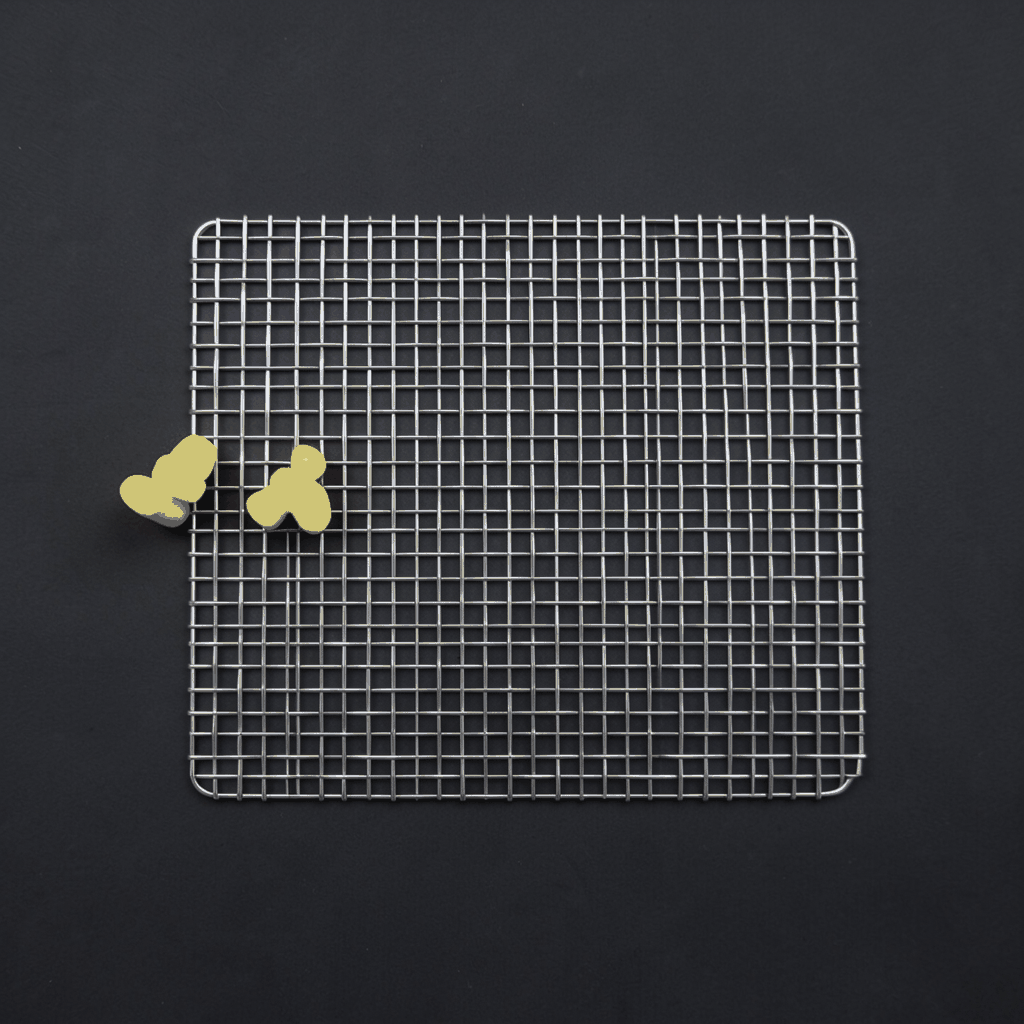
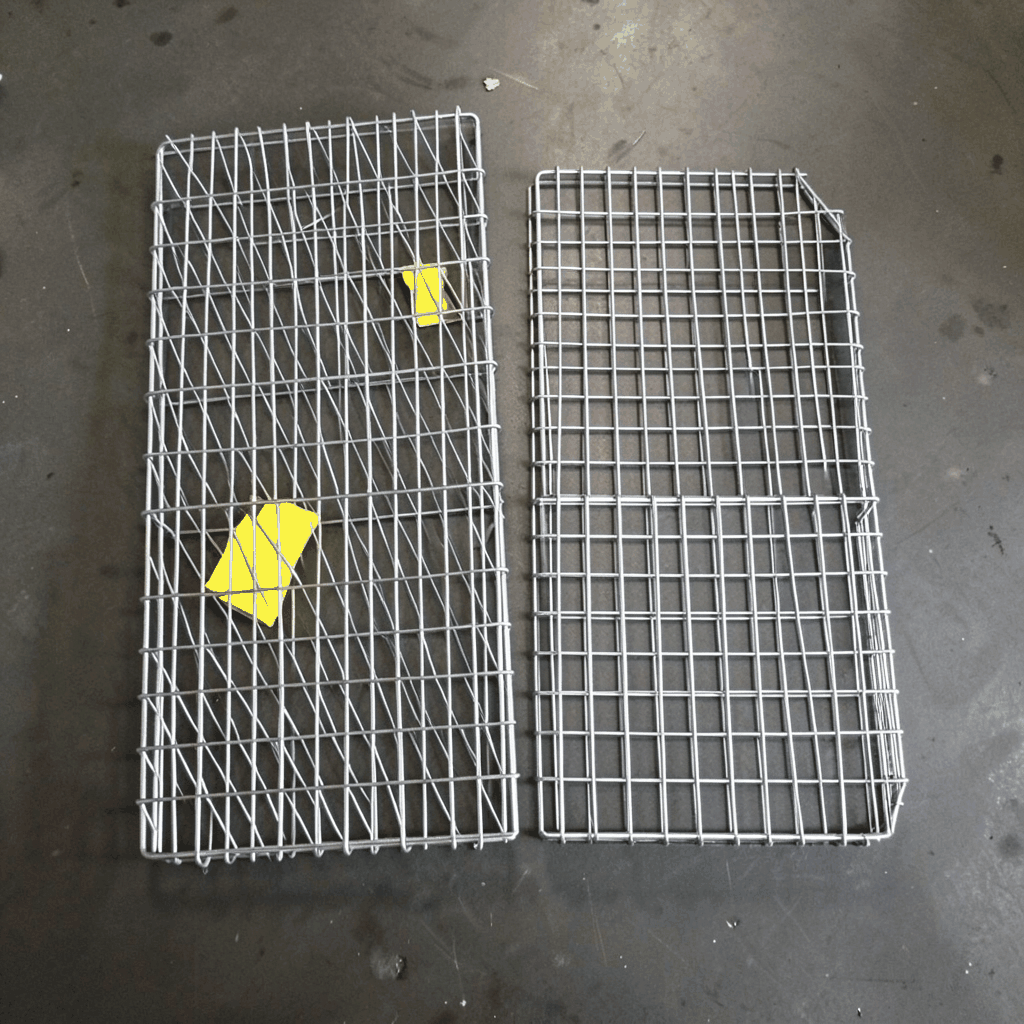
Welded stainless mesh gives the stiffest panel for trench grating. Each intersection is fused, so the cover does not relax under foot traffic the way a woven panel can. Most off-the-shelf drain covers from Australian suppliers use welded mesh because it holds its aperture shape and produces a clean, predictable slip-resistance rating.
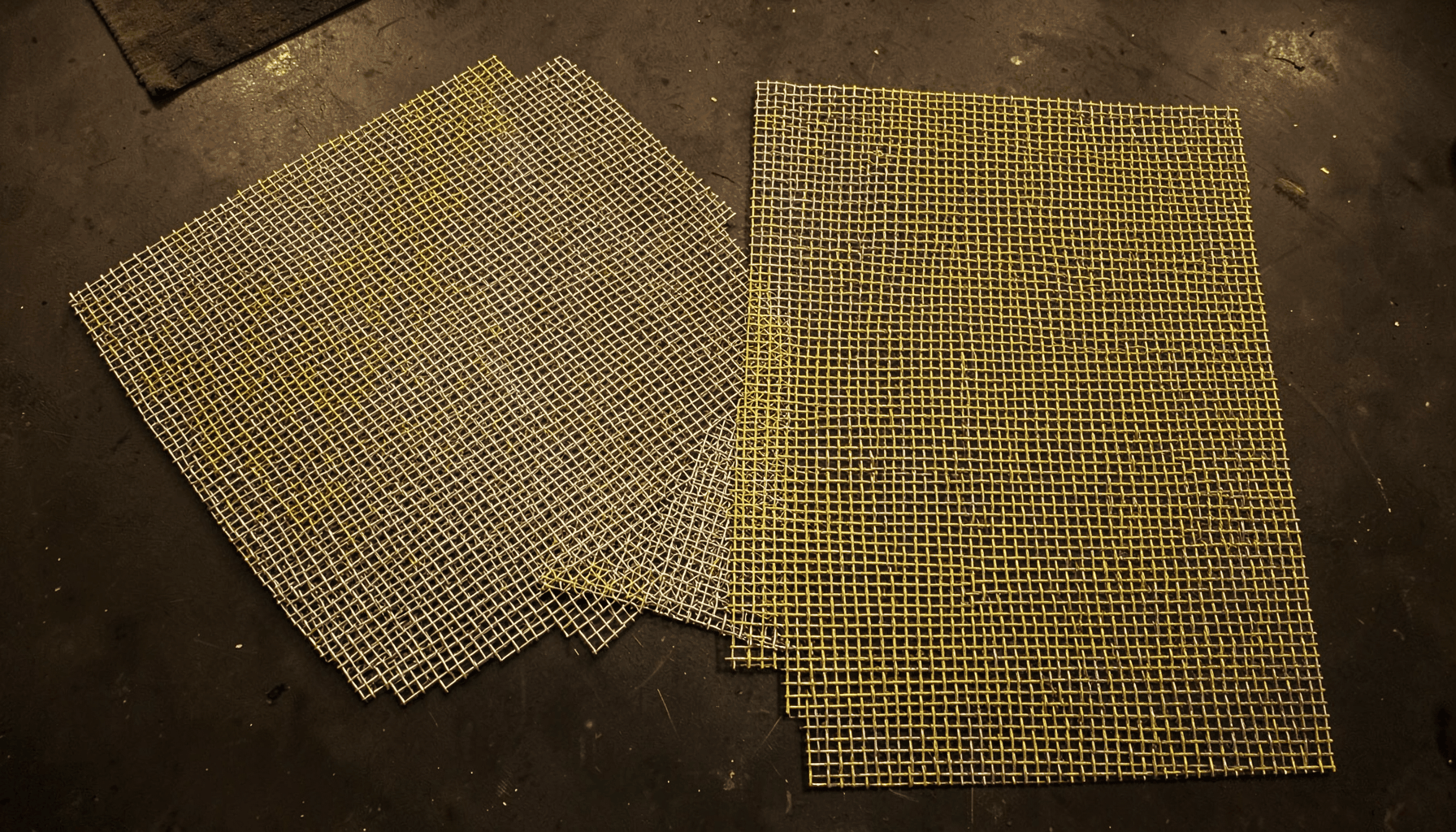
Woven mesh has its place where flexibility matters more than rigidity. Curtain drains behind retaining walls, narrow agricultural channels and stormwater soak-well surrounds often use woven stainless mesh because it can be rolled, cut and shaped around awkward profiles. It is also gentler on bare feet around pool decks in Brisbane or Perth backyards, where welded intersections can feel sharp under a thong.
Slip resistance is a quiet but important detail. A plain mill-finish mesh panel becomes slick when wet, particularly with algae build-up. Most Australian fabricators offer a serrated or checker-plate top surface, or specify a mesh orientation that breaks surface tension. For accessible public spaces audited under the Disability Discrimination Act, slip rating often has to be documented in the handover pack.
Compliance, Fastening Systems and Site Realities
Australian councils and water authorities each carry their own quirks. Sydney Water generally requires grated trench covers along easements to be removable for cleaning, while Melbourne's stormwater authorities often lock down the inverts to specific depths. In Perth, the Water Corporation pays close attention to debris capture in street drainage to protect the Swan River catchment, and grates are often specified with finer apertures than the national standard would otherwise require.
Fastening the mesh to its frame is where the small details start to matter. Stainless steel bolts, paired with machine assembly washers sized to the bolt class, keep the cover seated under repeated wheel loads without chewing through the mesh. Anti-theft fixings are worth specifying on public parkland and streetscape projects in places like Parramatta, Footscray or Elizabeth, where grates occasionally walk off in the back of a ute.
Tradies working the rounds will tell you that a tidy supply chain matters as much as the spec sheet. Most drainage and landscaping outfits around the country buy through a Bunnings trade account for small lots, while civil contractors tender through merchant wholesalers and direct importers for fabricated covers. Specifying stainless steel from a fabricator who can cut, weld and finish to drawing in one shop tends to shorten lead times on regional jobs.
Cleaning Cycles and Long-Term Value
Stainless mesh drain covers need a regular clean, particularly where leaf fall, sand or construction dust gathers. A stiff-bristle broom and a hose-down every quarter will keep most residential covers clear. For commercial and council assets, a scheduled vacuum truck sweep twice yearly is the norm, particularly before storm season in the Top End and after autumn leaf-drop in the southern capitals.
Where the mesh has been neglected and debris has compacted into the apertures, a pressure wash at around 100 bar usually clears the build-up without damaging the welds. Avoid harsh chlorine-based cleaners on grade 304, and rinse any chemical residue off grade 316 panels in coastal settings to keep the passive layer healthy.
The lifecycle maths favours stainless over galvanised in almost every wet or coastal Australian setting. A galvanised steel grate might last ten to fifteen years before corrosion forces a replacement, while a stainless panel in the same location can push past thirty years with routine care. Spread across that lifespan, the upfront premium on stainless drops to a few dollars per year per cover, which is why so many councils now write it into the standard spec.
Specifier Notes Before Placing an Order
- Confirm the local council or water authority requirement for aperture, load class and finish before locking down the drawing.
- Match the alloy grade to the exposure: 304 for sheltered suburban drainage, 316 within a kilometre or so of breaking surf, duplex for heavy industrial exposure.
- Decide welded versus woven construction based on whether rigidity or shapeability drives the application.
- Specify anti-theft fixings and document the fastener grade for public-facing installations.
- Plan a six-monthly inspection and clean, particularly ahead of storm seasons in tropical and coastal councils.
Request a Project-Specific Quote
Custom fabricated drain covers and trench grates can be cut, welded, framed and finished to suit a project drawing in lead times that suit most Australian build programmes. Send through the trench width, finish level, load class and any council notes, and a detailed quote with material certificates and fabrication drawings can be turned around to keep the program moving.