Stainless Steel Conveyor Mesh for Modern Australian Bakeries
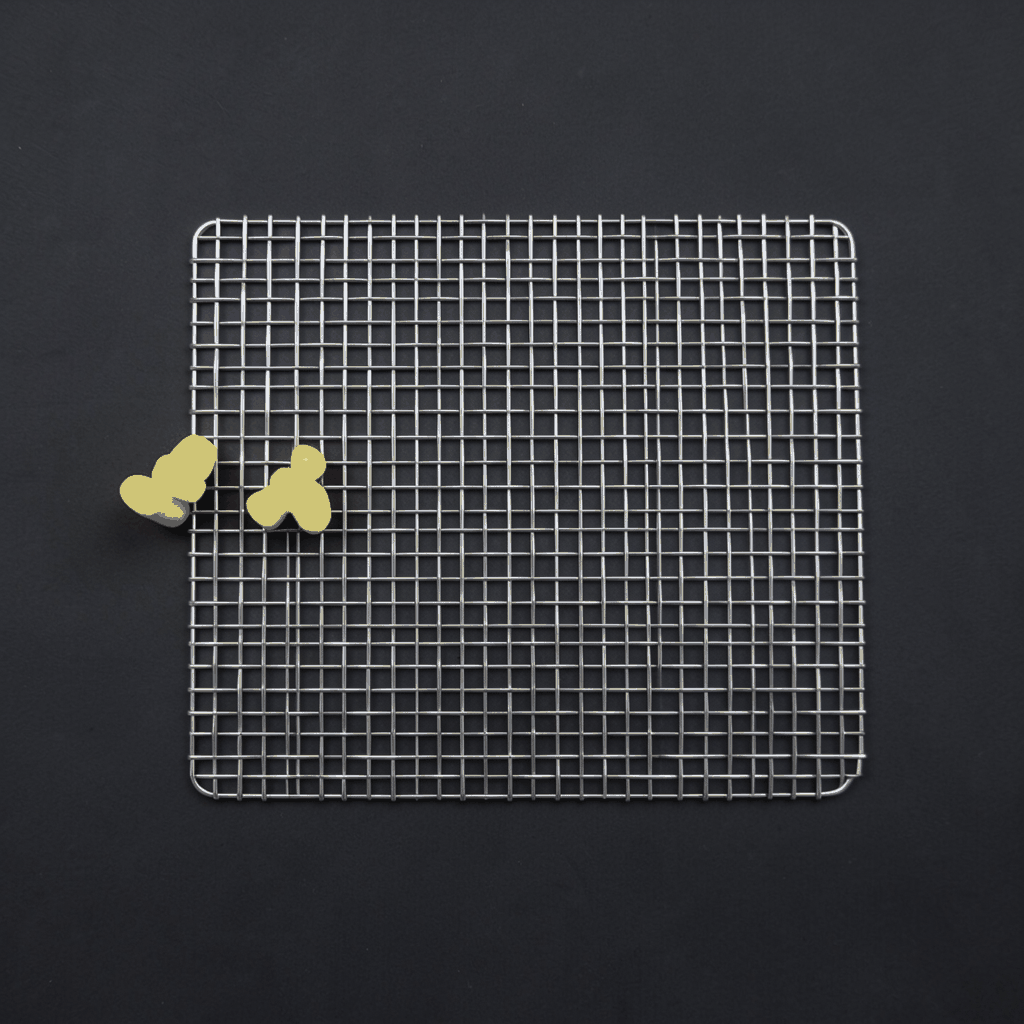
Bakeries depend on steady product movement from mixing and forming through baking, cooling, glazing, decorating and packing. Stainless steel wire mesh conveyor belts provide a durable, open structure for this process, allowing heat, air and moisture to move around products while supporting reliable transport. The right belt can improve line performance for bread, biscuits, pastries, crackers, pizza bases and other baked goods.
For Australian bakeries, belt selection must suit local production conditions as well as the food itself. A high-volume plant in Melbourne may have different requirements from a small sourdough bakery in Byron Bay, while a facility in Brisbane must give particular attention to humidity, cleaning routines and corrosion resistance. Material grade, wire diameter, mesh opening, edge construction and belt tracking all affect the final result.
Selecting Stainless Steel For Bakery Conveyors
Stainless steel 304 is widely used for bakery conveyor applications because it offers a useful combination of corrosion resistance, strength, cleanability and value. It is suitable for many dry or moderately humid production areas, including dough handling, oven discharge, cooling conveyors and packing lines. Its smooth surface also helps reduce the areas where flour, sugar, oils and crumbs can collect.
Stainless steel 316 may be a better choice where the belt faces aggressive cleaning chemicals, salty ingredients, high humidity or frequent washdown. It contains molybdenum, which improves resistance to chloride-related corrosion. This can be valuable in coastal locations such as Sydney, Perth or Adelaide, where salt-laden air may affect equipment over time, and in bakeries using brine, salted toppings or intensive sanitation procedures.
The choice of alloy should be considered alongside the complete operating environment. Temperature, belt speed, product weight, cleaning chemicals and exposure to water all influence service life. A lower-cost belt can become an expensive option if it stretches, corrodes or requires frequent replacement. Specifying the stainless steel grade at the beginning helps buyers compare products accurately and plan maintenance with greater confidence.
Matching Mesh Design To Production
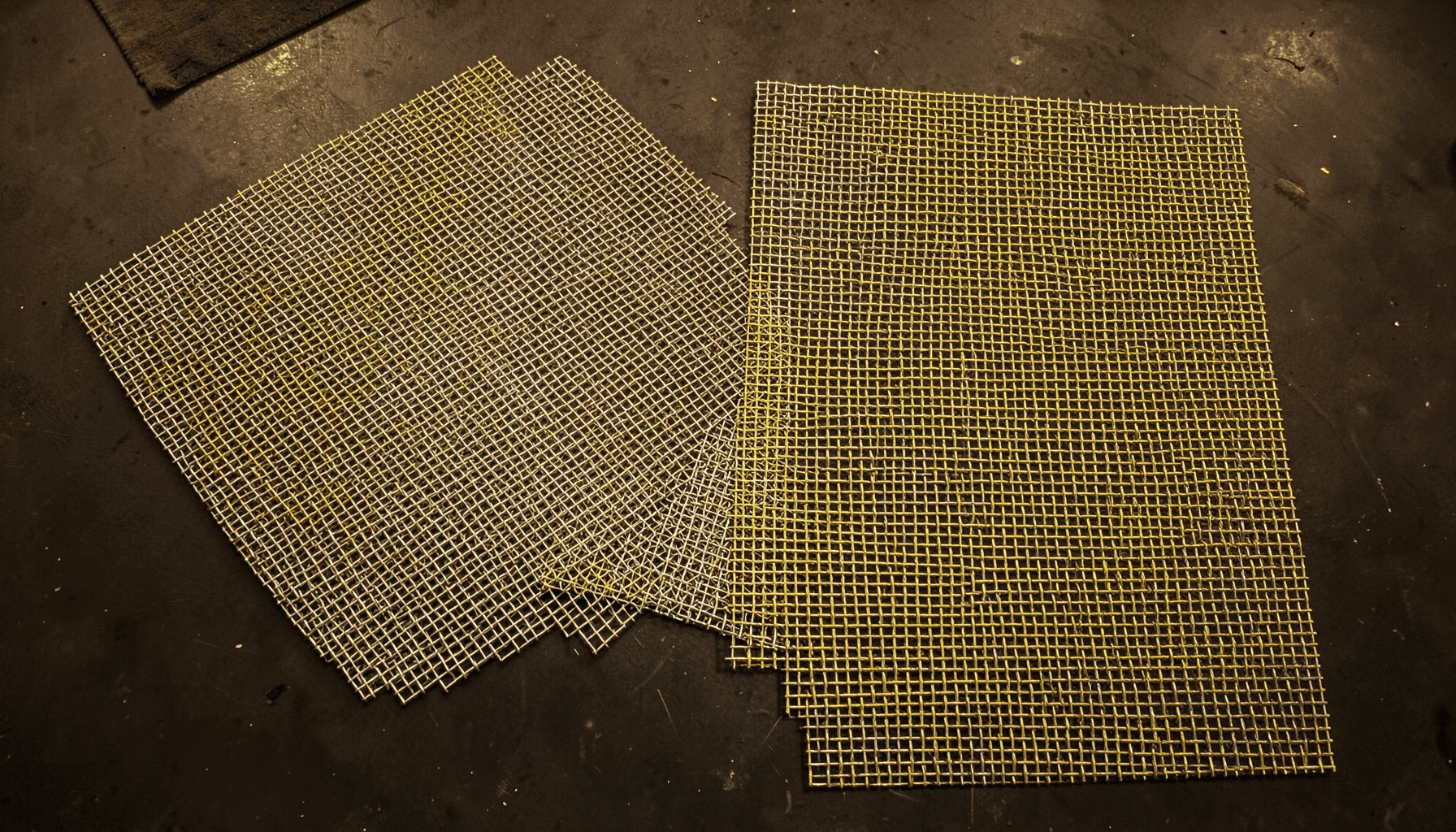
Conveyor mesh is available in different opening sizes, wire diameters and weave patterns. A fine mesh supports small biscuits, seeds and delicate pastry items that could fall through a larger opening. A more open structure increases airflow and drainage, which is useful on cooling conveyors or in processes where products need fast moisture removal after baking.
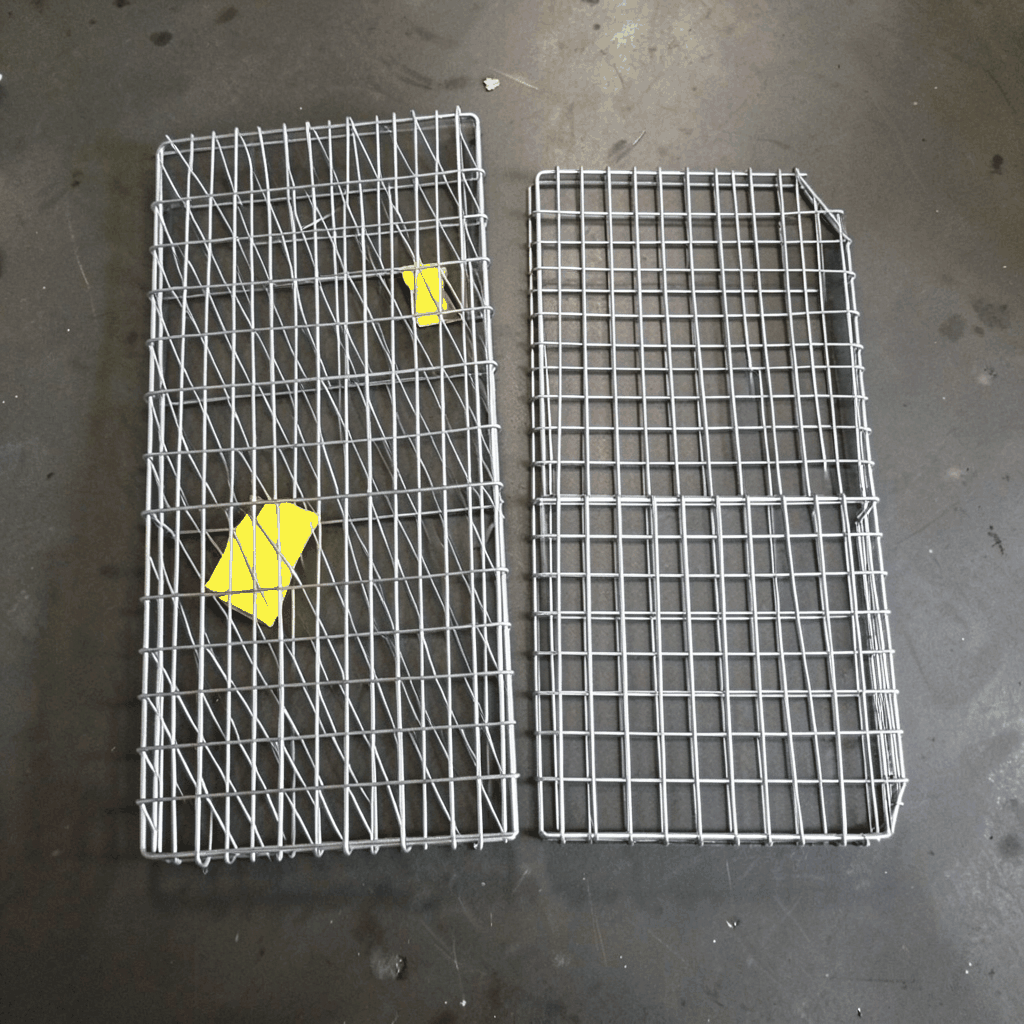
Balanced weave, chain-driven belts and rod-reinforced designs can be selected according to load and operating conditions. A belt for lightweight biscuits may prioritise a fine, stable surface, while a belt carrying trays or heavy dough pieces needs greater tensile strength and resistance to distortion. Edge treatments, cross rods and sprocket compatibility should be checked before production begins.
Belt dimensions must match the conveyor frame, drive system and transfer points. Important details include belt width, length, pitch, wire thickness, turning radius and allowable operating temperature. A correctly specified mesh belt should run smoothly without excessive vibration, product marking or lateral movement. It should also transfer products cleanly between conveyors, especially where small pastries or soft bread items could catch at a gap.
For Australian equipment upgrades, the replacement belt should be measured against the existing sprockets and drive arrangement rather than selected by width alone. Many bakeries operate machinery from different suppliers across several production stages. A custom-fabricated belt can help integrate older conveyors with newer ovens, cooling systems and packaging equipment without replacing the entire line.
Hygiene Cleaning And Food Safety
Open stainless steel mesh supports hygienic bakery production by allowing air and cleaning water to pass through the belt. This reduces the risk of trapped moisture beneath products and can make inspection easier. A well-finished belt also gives operators better visibility of flour build-up, burnt crumbs and product residue during routine cleaning.
The belt surface should have smooth joins and carefully finished edges. Rough welds, sharp wire ends and poorly aligned cross rods can harbour residue or damage products. They may also create avoidable safety risks for bakery staff during cleaning and maintenance. Welded or linked construction should be selected according to the level of sanitation, load and flexibility required.
Food businesses in Australia operate under the Food Standards Code, with individual sites also applying documented sanitation programs and, in many larger operations, HACCP-based controls. A conveyor belt does not replace these systems, but its design can support them. Easy access, cleanable geometry and compatible materials make it simpler to verify that the line is being maintained to the required standard.
Cleaning methods should be confirmed with the belt manufacturer and the bakery’s chemical supplier. Strong alkaline cleaners, chlorides and prolonged exposure to standing water may affect stainless steel if the wrong grade or concentration is used. After washdown, allowing the belt and surrounding conveyor structure to dry properly helps limit corrosion, odour and microbial growth.
Engineering For Australian Conditions
Australian bakery environments vary substantially. A plant in tropical Queensland may deal with warm, humid air, while a facility in inland New South Wales may experience dry conditions and significant airborne dust. Coastal bakeries from the Gold Coast to Geelong can face salt exposure, and regional producers may have longer delays when specialist replacement parts are needed. These factors make robust construction and dependable supply important.
Temperature is another major consideration. Belts close to ovens may encounter continuous heat, radiant heat or rapid changes as they move from baking zones into cooling areas. Stainless steel retains useful mechanical strength across a wide temperature range, but the belt design still needs to account for thermal expansion, tension and possible product sticking. The correct wire diameter and weave help maintain stability during repeated heating and cooling cycles.
Conveyor safety should be considered at the same time as belt performance. Guards, emergency stops, access points and nip-point protection need to be compatible with the belt and drive system. Australian workplaces commonly refer to machinery safety requirements under the AS 4024 series, while site procedures must also meet applicable state or territory workplace health and safety obligations. A belt replacement should never create an unprotected access point or interfere with existing guarding.
Good installation practice has a direct effect on service life. Sprockets must be aligned, shafts should remain parallel and the belt should be tensioned according to the manufacturer’s instructions. Operators should inspect for bent rods, broken welds, unusual tracking and material build-up during planned maintenance. Catching these issues early is especially useful for bakeries outside Sydney, Melbourne and Brisbane, where emergency service visits may take longer to arrange.
Custom Manufacturing And Long-Term Value
Standard mesh belts can suit many bakery lines, but custom manufacturing is valuable when a conveyor has unusual dimensions or a specialised process. A manufacturer can produce belts with specified widths, lengths, mesh openings, edge forms, reinforcing rods and connecting methods. This allows the design to reflect the product, oven configuration and existing drive components rather than forcing the bakery to adapt around a generic item.
Custom stainless steel mesh is also useful for multi-stage systems. A fine-mesh belt may be selected for small crackers, an open balanced weave for cooling bread, and a heavier construction for tray handling or high-load transfers. Different sections can be designed to maintain consistent product flow while meeting different temperature, airflow and cleaning requirements.
The real cost of a conveyor belt includes installation time, cleaning labour, lost production and the risk of product damage. A belt that tracks correctly, cleans efficiently and resists corrosion can provide better value over its working life than a cheaper option with frequent faults. Reliable spare belts and connecting components can further reduce downtime during planned shutdowns or seasonal demand peaks.
Shuo Ke Wire Mesh Product Technology Co., Ltd. manufactures and processes stainless steel mesh products for industrial and architectural applications, including conveyor solutions, filters, baskets and other fabricated components. Its production capability supports made-to-order dimensions and material choices for bakery equipment manufacturers, food processors and maintenance contractors. Technical details such as material grade, mesh pattern, wire diameter and operating conditions can be reviewed before fabrication.
A clear specification should include the bakery product, conveyor speed, belt width and length, maximum load, working temperature, drive type, cleaning method and required food-contact finish. Photos, drawings or measurements of the existing conveyor can help confirm compatibility. Supplying these details early allows the manufacturer to recommend a practical construction and reduce delays during replacement or line installation.
Stainless steel mesh conveyor belts offer Australian bakeries a dependable way to move products through demanding production stages. When the alloy, opening, weave and fabrication details are matched to the process, the belt can support hygiene, airflow, temperature control and consistent product handling. Careful engineering also helps protect production schedules during busy periods such as Easter, Christmas and weekend wholesale runs.
For a belt designed around your bakery line, contact Shuo Ke Wire Mesh Product Technology Co., Ltd. with your conveyor dimensions, product details and operating conditions. The team can assist with stainless steel selection, mesh configuration and customised fabrication for bakery processing equipment across Australia.