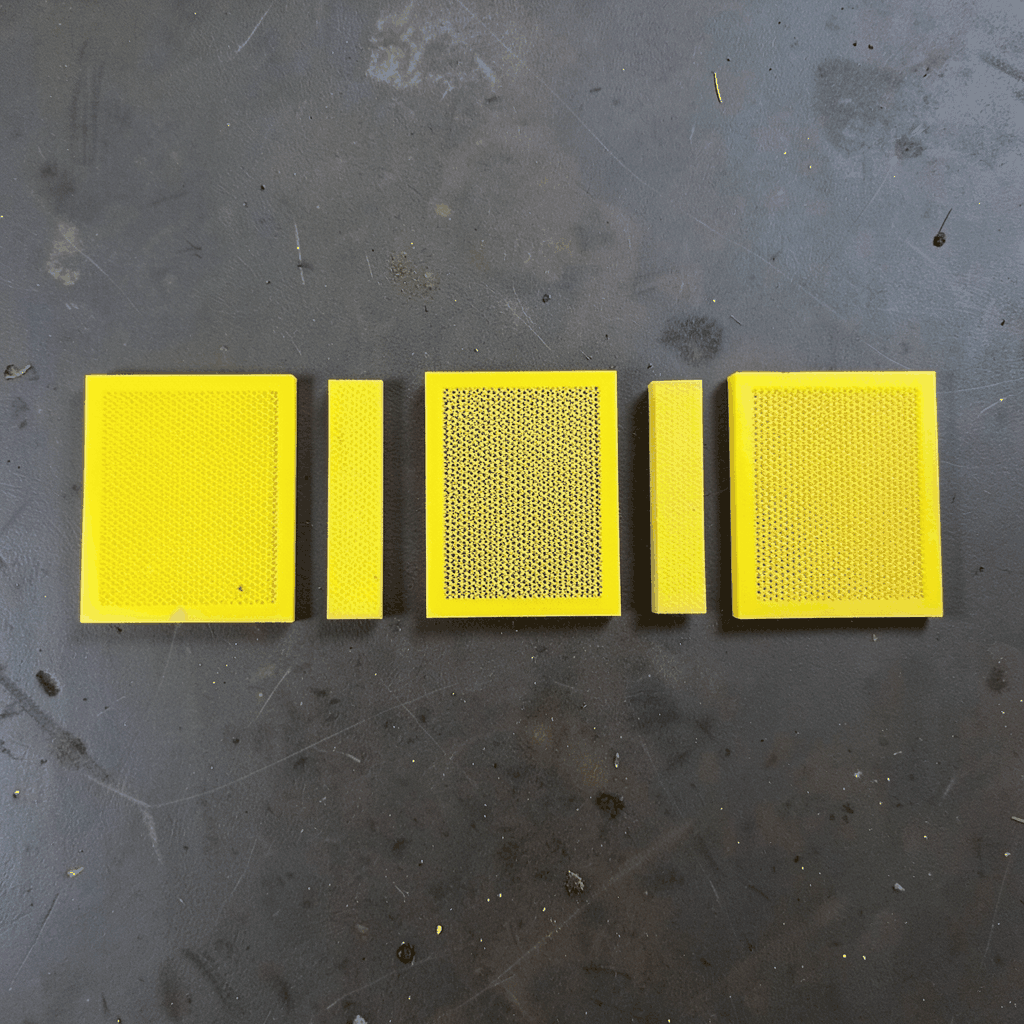
Stainless Steel Mesh for Laser-Cut Decorative Dividers
Stainless steel mesh for laser-cut decorative room dividers combines a crisp architectural finish with the light, airflow and visual separation many spaces need. Rather than sealing off an area, a patterned metal screen softens views, preserves brightness and gives the room a stronger sense of order.
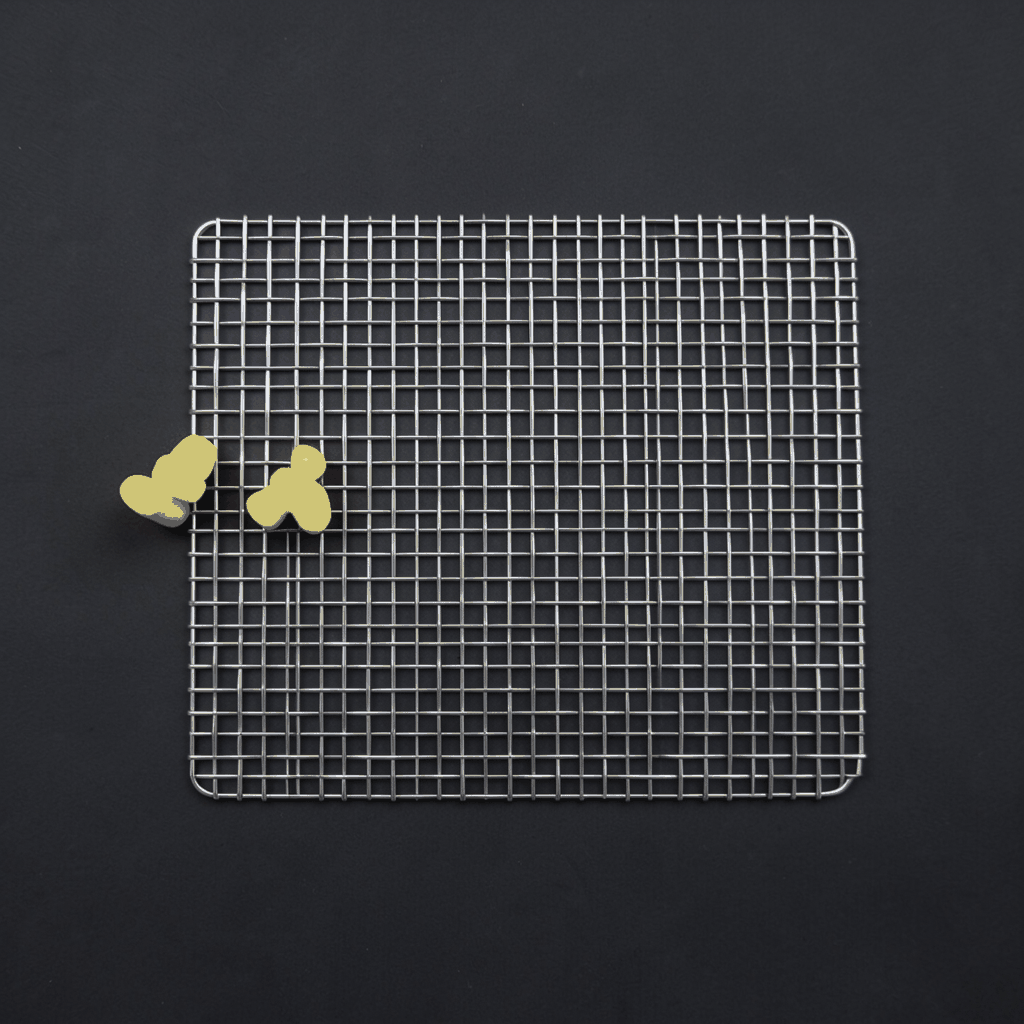
Laser cutting transforms flat stainless steel sheet into custom patterns of circles, diamonds, leaves, lines or abstract forms. Here, “mesh” describes a perforated architectural screen rather than woven wire fabric. The result can be restrained enough for a home or bold enough to define the centrepiece of a commercial interior.
These qualities suit Australian conditions and design preferences. A narrow Sydney terrace, Melbourne apartment or Brisbane home office may need privacy without losing natural light, while offices often want a polished way to divide work zones. Local buyers also tend to favour materials that are durable, low-fuss and built to last.
Shuo Ke Wire Mesh Product Technology Co., Ltd. is a China-based manufacturer and processor of architectural and industrial metal mesh products. Its custom capabilities include decorative partitions, laser-cut screens, wall and elevator cladding, fences, gates, guardrails, filters and other mesh products made from stainless steel, aluminium, copper, iron and other alloys.
Why stainless steel suits decorative mesh screens
Stainless steel brings strength, corrosion resistance and a contemporary appearance to a freestanding or fixed room divider. Its structural consistency allows a delicate-looking pattern to function as a practical screen, particularly when the sheet is supported by a suitable frame. Unlike some decorative metal products that distort during handling, properly engineered stainless panels retain their shape.
The material also suits busy Australian interiors. It tolerates routine cleaning, withstands high humidity better than ordinary steel and does not need painting in the way mild steel panels can. In kitchens, studios, hospitality venues and offices, a smooth stainless surface can be wiped down quickly and maintain a clean, professional appearance.
Design flexibility is another advantage. Brushed, satin or polished finishes can respond to different lighting and fit alongside timber, stone, glass and painted walls. A coloured powder coat can introduce a warmer tone, while a metallic finish can create a more industrial connection. The grade, finish and fixing method should be selected together rather than treated as separate decisions.
Balancing privacy, daylight and airflow
The amount of open area in the screen determines how it performs. A densely perforated panel creates stronger visual separation, while an open geometric pattern preserves more daylight and airflow. Circles and hexagons produce a regular rhythm, whereas flowing or organic patterns can make a divider feel softer and more decorative.
Privacy also depends on viewing angles and light levels. A screen may block a direct sightline from a hallway while leaving side views visible. Backlighting can reveal silhouettes, so important seating areas may require a lower open-area ratio or a double-sided arrangement. Custom pattern development helps designers balance these effects without making the installation feel heavy.
For open-plan offices, the screen can define a meeting zone while allowing air to circulate and light to reach desks beyond it. In a home, it can separate a living area from an entry, conceal storage or create a private reading corner. It should complement curtains, planting and furniture rather than attempt to perform every function of a solid wall.
Choosing a grade and finish for Australian conditions
Grade 304 stainless steel is widely suitable for interior screens in dry, controlled environments. Grade 316 contains molybdenum and offers improved resistance to chloride corrosion, making it a sensible choice for coastal properties, outdoor walkways and rooms exposed to moist air. This distinction matters around Sydney, Perth, Adelaide and other coastal locations where salt can accumulate on metal surfaces.
Finish affects both appearance and maintenance. A brushed or satin surface disguises fingerprints and minor marks, while a highly polished panel looks dramatic but shows water spots and fingerprints more readily. Powder coating adds colour and an additional protective layer, although the stainless grade still needs to suit the installation environment.
Strong sunlight and reflective heat are familiar parts of Australian summers. Screens near windows should be checked for thermal movement, while coastal installations benefit from stainless fasteners compatible with the chosen grade. Decorative mesh is not a certified fire or bushfire barrier; screens near glazing or within bushfire-prone areas need advice from the relevant designer, builder or certifier.
Getting panel dimensions and structure right
Measurements should include the finished opening, available wall space, ceiling clearance and desired floor gap. Standard screen sizes may be tempting, but a laser-cut divider can be made to fit an awkward corner, sloping ceiling or curved room edge. Giving fabricators accurate millimetre drawings early helps reduce waste and keeps the final installation predictable.
Large panels require careful structural planning. Sheet thickness, support spacing and the number of fixing points depend on panel height, pattern and expected contact. Options include slim wall channels, floor-standing feet, ceiling suspension or a welded stainless frame. Freestanding screens also need stable bases and appropriate anti-tip measures, especially in homes with children or in high-traffic commercial areas.
A decorative room divider is not automatically an acoustic partition. Open metal screens can reduce direct sound transmission, but sound also travels around the edges and through the open areas. Genuine acoustic performance requires a tested panel system with seals, absorbent materials and a defined construction. For privacy, visual screening and airflow alone, laser-cut stainless mesh offers a practical balance.
Details to confirm before custom production
Clear information at the design stage helps manufacturers produce panels that fit both the visual brief and the installation method. Decisions about geometry, tolerances and fixings should be documented before cutting begins.
- Finished width, height and acceptable dimensional tolerances
- Preferred pattern, open-area ratio and visual direction
- Stainless grade, sheet thickness and surface finish
- Edge treatment, panel divisions and visible fixing details
The delivery and installation requirements should also form part of the production brief, particularly when several screens are being coordinated with other trades on an Australian project.
- Wall, floor, ceiling or freestanding mounting method
- Required hardware, support frame and anti-tip provisions
- Packaging, labelling and delivery sequence
- Site access, installation responsibility and inspection requirements
Australian projects often move through architects, interior designers, builders and trade suppliers, with a fabricator supplying a component to an agreed drawing rather than a ready-made retail item. In that market, samples, clear approvals and traceable specifications can be valuable. Buyers should check that the final drawing reflects the site conditions instead of assuming a catalogue dimension will suit the space.
Bring your screen concept into production
Shuo Ke can develop custom laser-cut decorative panels in stainless steel and other suitable metals, with the pattern, dimensions, finish and support approach aligned to the project. A useful brief includes room dimensions, reference images, an indication of how much privacy is needed, the installation environment and any preferred colour or surface direction.
For developers and designers, coordinated panels can create a consistent architectural language across multiple rooms. For homeowners, one made-to-measure divider can solve an awkward layout while adding a distinctive feature. In either case, reviewing a sample and testing a connection detail before full production helps protect the design outcome.
Send Shuo Ke your drawings, measurements and project requirements to discuss a durable, made-to-fit stainless steel mesh screen for the next Australian interior.