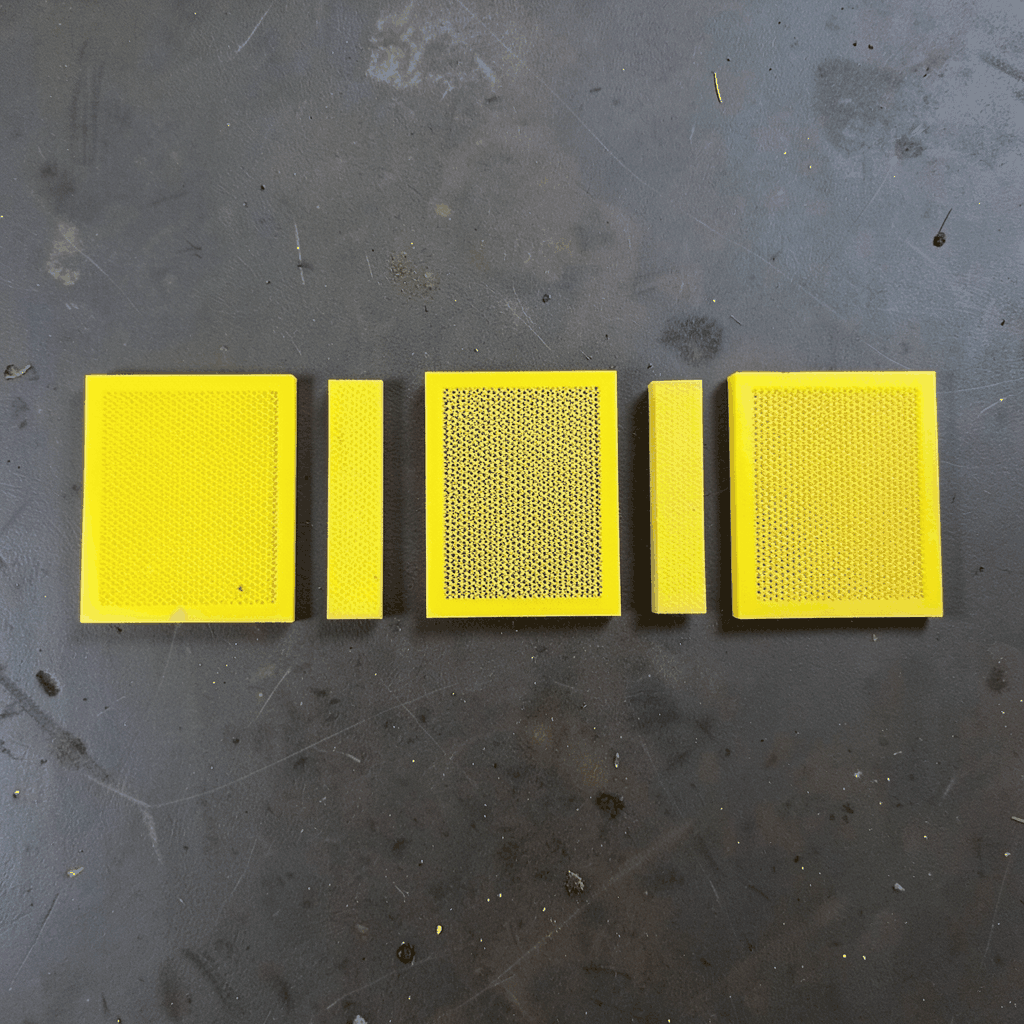
Stainless steel mesh for marine boat railings and lifelines
Stainless steel mesh for marine boat railings and lifelines offers a durable barrier against falls, objects and weather while preserving visibility. Welded, woven and perforated panels can suit private runabouts, charter vessels, ferries, fishing boats and commercial workboats. For Australian operators, the material must also withstand salt spray, high humidity, ultraviolet exposure and constant movement in demanding coastal conditions.
A railing panel and a safety lifeline perform different functions. Railing mesh acts as a protective infill, while a lifeline is usually a tensioned cable or rope designed to arrest a person or hold equipment. Marine-grade mesh can support either application when it forms part of a properly engineered system, but it cannot simply be substituted for certified lifeline components.
The right specification balances corrosion resistance, structural strength, visibility and weight. Aperture size, wire diameter, weld quality, edge treatment and attachment details all influence performance. Metal grade alone does not guarantee suitability, particularly where galvanic reactions, trapped water or poor fabrication can accelerate corrosion.
Precise drawings and clear operating conditions help manufacturers produce suitable mesh without unnecessary material or labour. Custom suppliers can develop marine railing panels, decorative partitions, safety screens and other woven or welded wire products around a vessel’s dimensions and attachment system.
Saltwater exposure and material choice
Chloride deposits from seawater can penetrate passive films and create pitting corrosion, especially in warm, poorly ventilated areas. Salt-laden moisture also settles on fasteners, welds and lower edges, where damage may remain hidden. Australian boats face these conditions around Sydney Harbour, the Gold Coast’s broadwater canals, Port Phillip Bay and Perth’s coastal working waterways.
Austenitic 316 or 316L stainless steel is a common starting point for marine mesh because of its resistance to chloride corrosion and ease of fabrication. Grade 304 has greater strength than some readers expect but is generally less suitable for persistent saltwater exposure. Duplex stainless steel, such as 2205, offers higher strength and strong chloride resistance, although welding, heat treatment and fabrication require appropriate controls.
Surface condition matters as much as the nominal grade. Dense oxide layers formed during fabrication can protect the surface, while free-iron contamination from carbon-steel grinding can lead to rust staining. Passivation, thorough rinsing and the use of dedicated stainless-steel tools help maintain corrosion performance. Designers should also consider water flow, drainage paths and isolation from incompatible metals.
Mesh geometry and railing performance
Aperture dimensions affect containment, visibility, airflow and the safe passage of hands, tools or lines. Fine woven mesh can discourage climbing and prevent small objects from falling overboard, while larger architectural mesh may suit upper decks where visibility and style are priorities. The chosen geometry should reflect the location of the panel and the consequences of an impact.
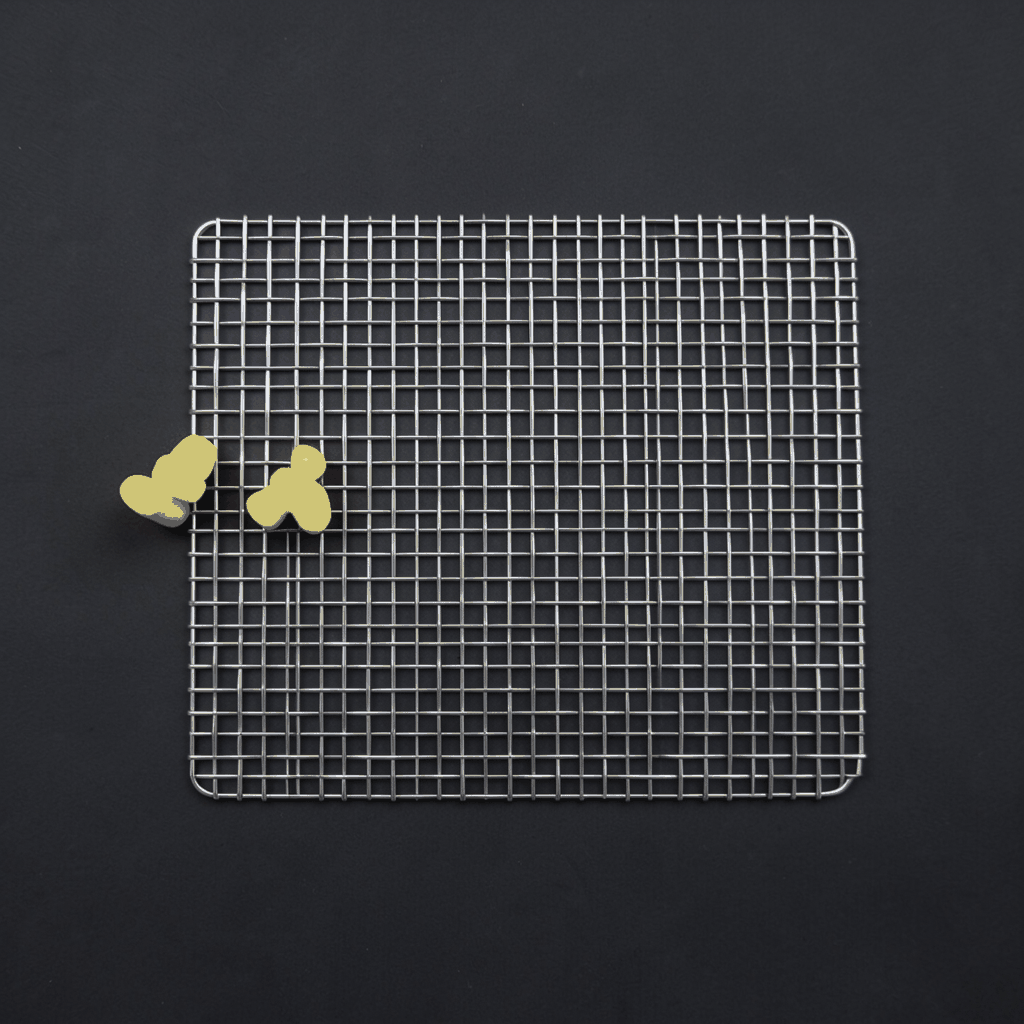
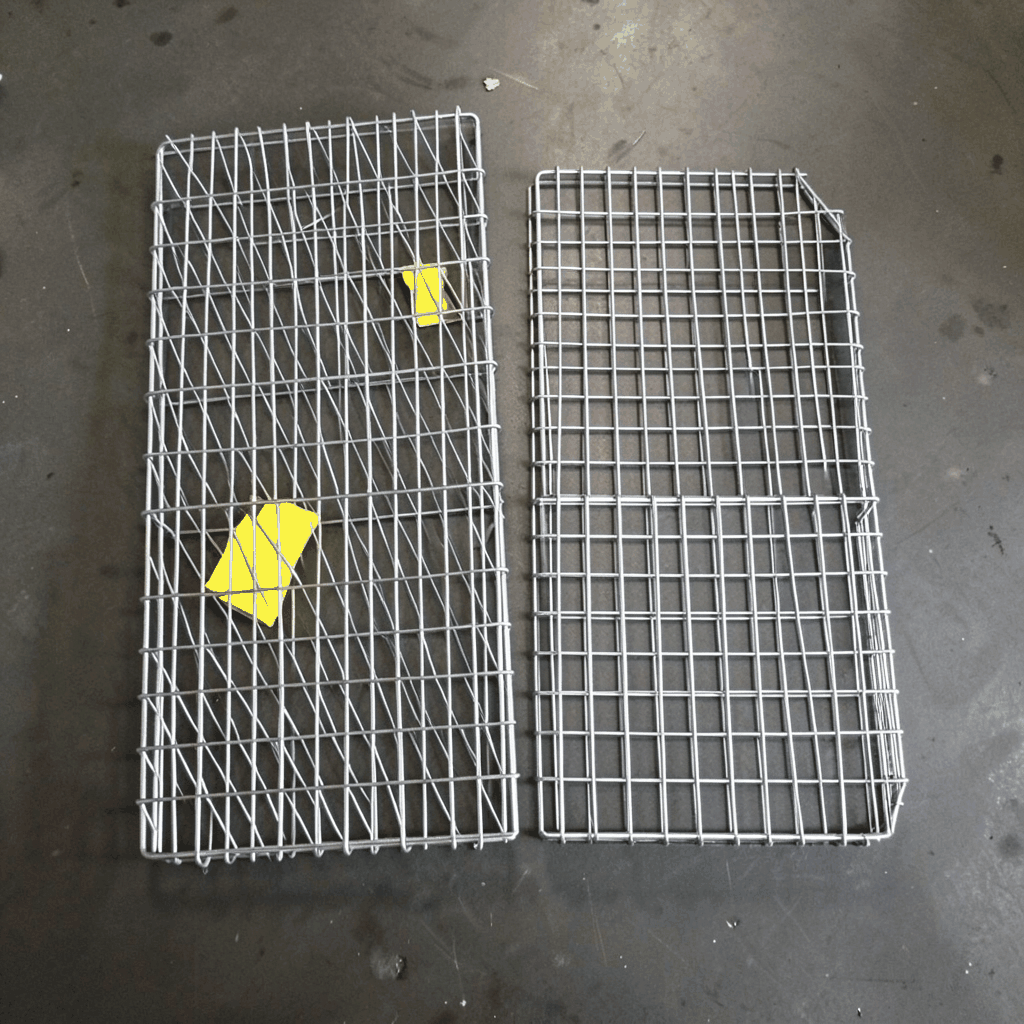
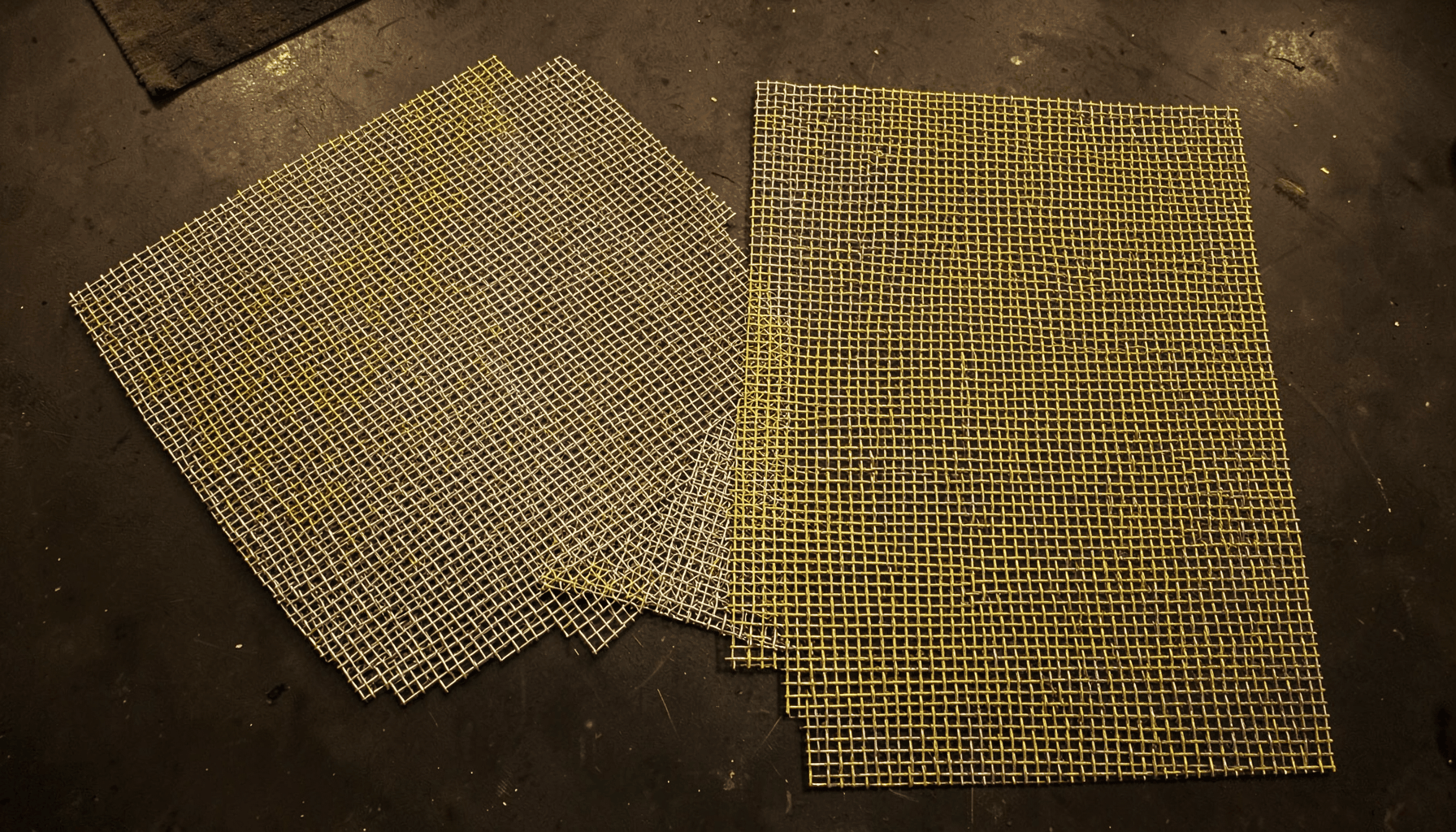
Teams comparing patterns can consult mesh selection guidance while assessing square, rectangular, welded and woven formats. Each pattern behaves differently under load. Welded panels usually retain their shape well and suit framed railings, whereas woven mesh provides flexibility and is often easier to tension between posts. Decorative perforated or expanded patterns require separate checks for edge strength and local stress.
Wire diameter, mesh count and panel dimensions determine load capacity, but the complete assembly must also be considered. Posts, channels, swages, bolts and clamps may become the weakest elements. Continuous welds, reinforced perimeter edges and properly sized fixing holes generally produce more consistent performance than a lightweight panel connected with undersized hardware. Marine applications benefit from calculations based on the intended loads rather than appearance alone.
Lifelines, fall protection and visibility
Marine railing mesh is commonly used around stairwells, side decks, boarding areas, flybridges and elevated walkways. It can provide a secure barrier without blocking views across the vessel or restricting airflow. On passenger craft, public areas and working decks, the panel layout may need to satisfy additional requirements for crowd loading, emergency access and impact resistance.
A true safety lifeline is normally a separate, tensioned system of cable, webbing or rope with purpose-designed terminals, tensioners and mounting points. Mesh can be incorporated into a lifeline assembly as a catch screen, backing panel or secondary barrier, but it should not be presented as equivalent fall-arrest equipment without engineering evidence. Relevant components should carry appropriate certification and be installed according to the vessel’s approved system.
Visibility and passenger safety can conflict. Very fine mesh may be difficult to see against bright water or low light, while open patterns can create finger traps and catch clothing. Reflective trim, contrasting frames or careful placement of openings may improve perception. Local conditions reinforce the need for deliberate design: Sydney’s busy harbour traffic, Melbourne’s cool damp conditions, Fremantle’s working-port environment and Gold Coast waterways subject different parts of a vessel to salt, spray and prolonged humidity.
Australian compliance and installation
Marine mesh must fit the vessel’s category, intended service and governing regulatory framework. Recreational craft, commercial fishing vessels and passenger vessels operate under different arrangements involving state maritime authorities, the National Maritime Safety Authority and, where relevant, AMSA. Designers should identify the current Australian Standards and National Standards for Recreational Craft provisions that apply before fixing panel dimensions or load assumptions.
Installation quality can determine whether corrosion-resistant material performs as intended. Stainless-steel fasteners should be used with compatible base metals, or electrical isolation should be provided. Holes, welds and cut edges need smooth finishing, while drainage should prevent salt water from remaining trapped inside channels or behind panels. Fabricators should control heat tint, remove weld spatter and restore the passive surface after machining or grinding.
Imported marine mesh also enters the Australian market through Australian Border Force. Importers should confirm the correct tariff classification, customs value documentation, GST treatment and any applicable duties with a customs broker. Metal components may attract particular handling or marking requirements depending on their use. For local boatbuilders, yards, repair workshops and marine distributors, documented material grades and inspection records add value to tendering and maintenance documentation.
Custom fabrication and quality assurance
A useful fabrication brief should state the vessel type, installation location, panel dimensions, preferred aperture, wire diameter, stainless-steel grade, finish and attachment method. It should also define expected loads, exposure conditions, inspection points and applicable standards. Photographs, sketches or CAD drawings help manufacturers identify edge conditions, access restrictions and areas where rounded corners or reinforced borders are necessary.
Quality assurance should cover more than visual appearance. Dimensional checks confirm aperture and panel size, while weld testing, tensile data and material certificates establish structural consistency. Depending on the project, salt-spray testing or specialist corrosion assessment may be appropriate. Documentation can include mill certificates, batch records, coating or passivation details, inspection reports and traceability for replacement panels.
Shuo Ke, a custom metal mesh supplier, produces architectural and industrial mesh products in stainless steel, aluminum, copper, iron and other alloys. Relevant capabilities include woven and welded mesh, laser-cut screens, partitions, guardrails, filters and baskets. This combination of decorative design and practical engineering allows marine mesh requirements to be developed as repeatable components rather than improvised repairs.
Prepare a concise project brief that includes the exposure environment, opening size, load expectations, panel dimensions and attachment details. Request material samples, edge and weld samples, and supporting documentation before approving production.
Work with a qualified marine designer and the relevant authority to confirm how the mesh integrates with the railing or lifeline system. Contact Shuo Ke with your drawings or specifications to discuss marine-grade mesh fabrication, customization and a suitable path to sampling and production.