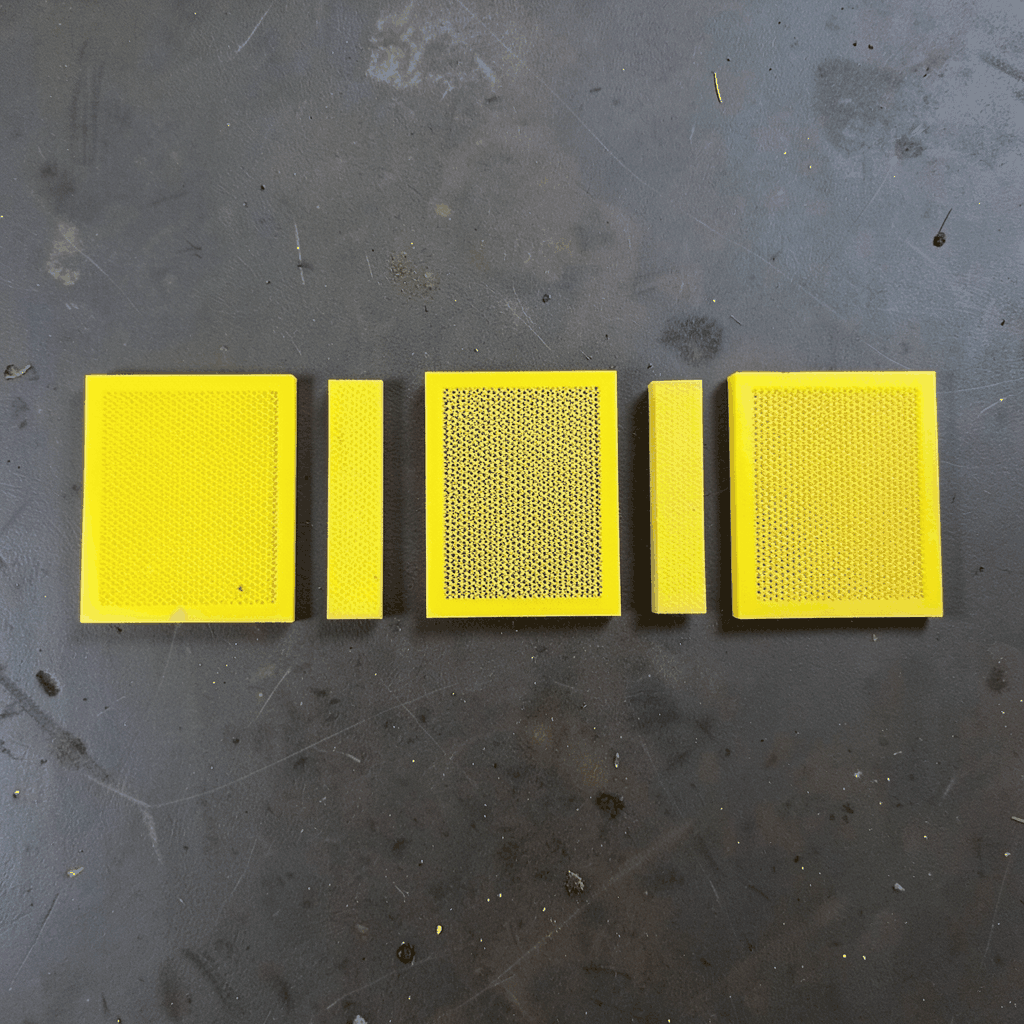
Stainless Steel Wire Mesh for Food Processing Conveyor Belts
Food processing plants in Australia need conveyor systems that move ingredients without trapping soil, hold their shape under washdown, and withstand heat, moisture and daily sanitation. Stainless steel wire mesh combines structural strength with an open surface that drains wash water and allows inspection. It is used in ovens, freezers, blanchers and packing lines where hygiene, product flow and equipment access are priorities.
The material alone does not create a suitable conveyor. Wire diameter, aperture, weave, edge treatment, tension and joining method all affect performance. A belt carrying soft bakery pieces needs different geometry from one supporting heavy meat trays or moving washed produce. Drawing the actual product, loading and cleaning conditions before ordering helps prevent product damage, mesh distortion and premature replacement.
Stainless Steel Selection for Australian Food Plants
Australian food factories often combine high-throughput production with intense cleaning cycles. Stainless grades such as 304 and 316 resist corrosion and can be cleaned repeatedly without degrading like mild steel. The smooth, non-porous surface does not absorb moisture or food residues, and an open mesh allows crumbs and wash liquid to pass through instead of remaining on the belt.
For most general food-processing duties, 304 stainless steel offers a sound balance of strength, weldability and cost. Grade 316 contains molybdenum and performs better in chloride-heavy environments, making it a stronger choice for seafood plants, coastal facilities and wash areas using chloride-based products. It can suit humid regions such as Brisbane, while grade selection should follow an assessment of the actual cleaners, water chemistry and exposure rather than location alone.
Finish matters as much as the grade. A properly passivated surface has a stable protective oxide layer, while damaged welds, grinding marks and iron contamination can create corrosion sites. Components should be made from stainless-compatible tooling and assembled without grinding carbon-steel fragments onto the mesh. Smooth welds and rounded wire edges are valuable in bakeries, meat processing and produce handling because they reduce catch points.
Weave Patterns, Openings, and Product Flow
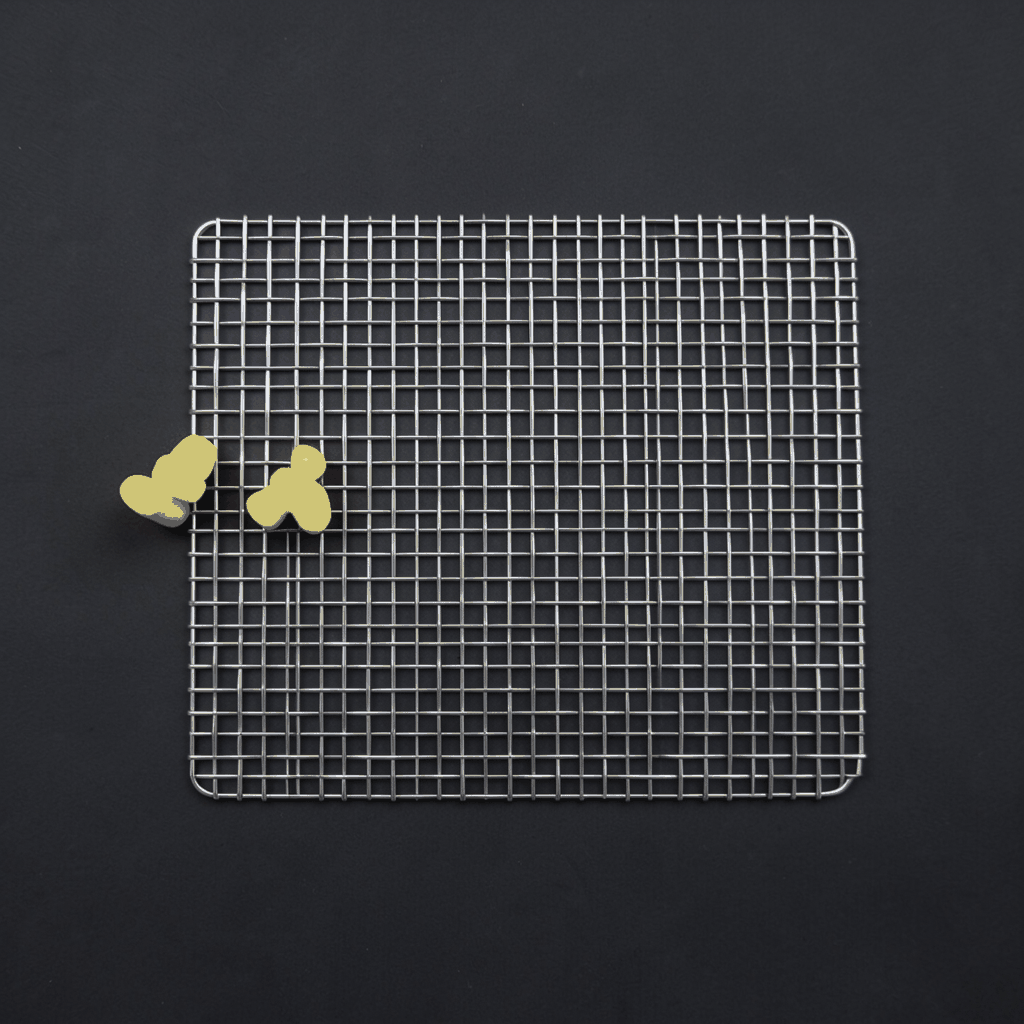
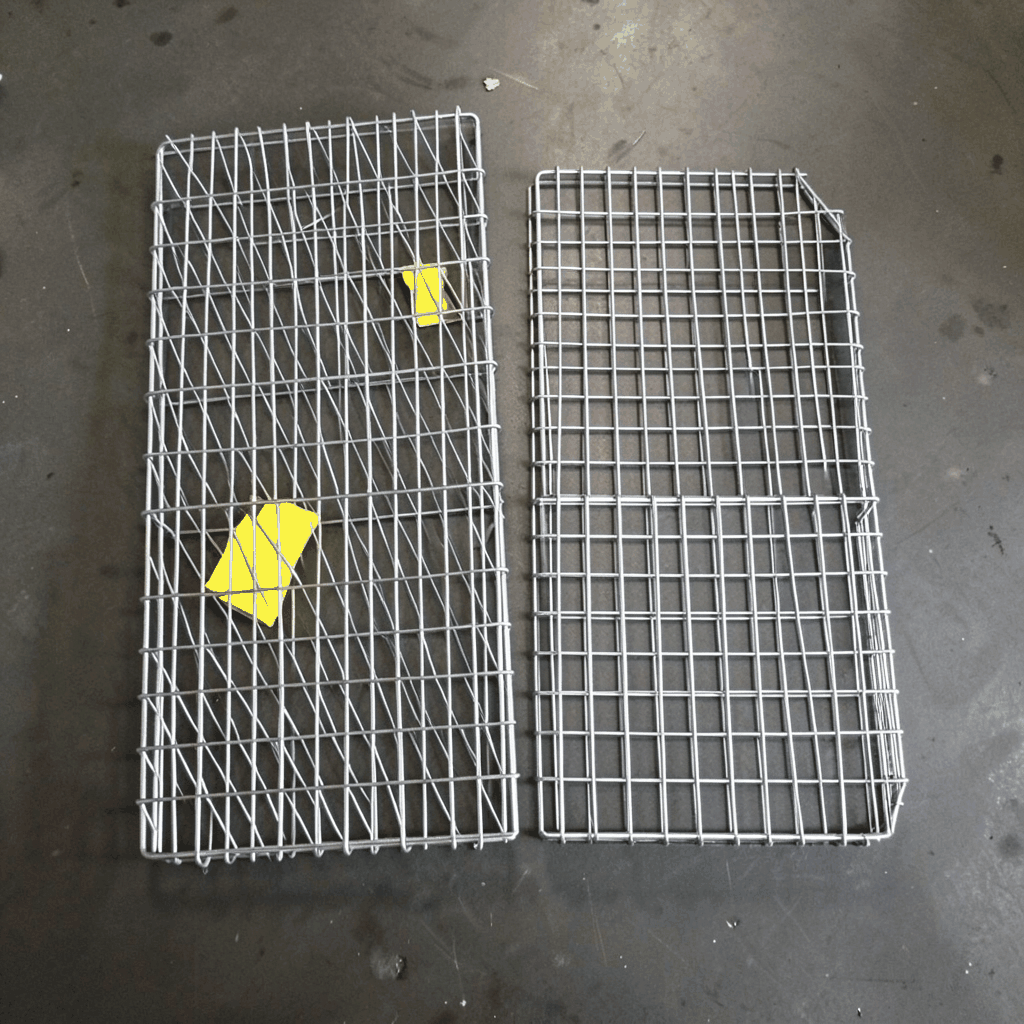
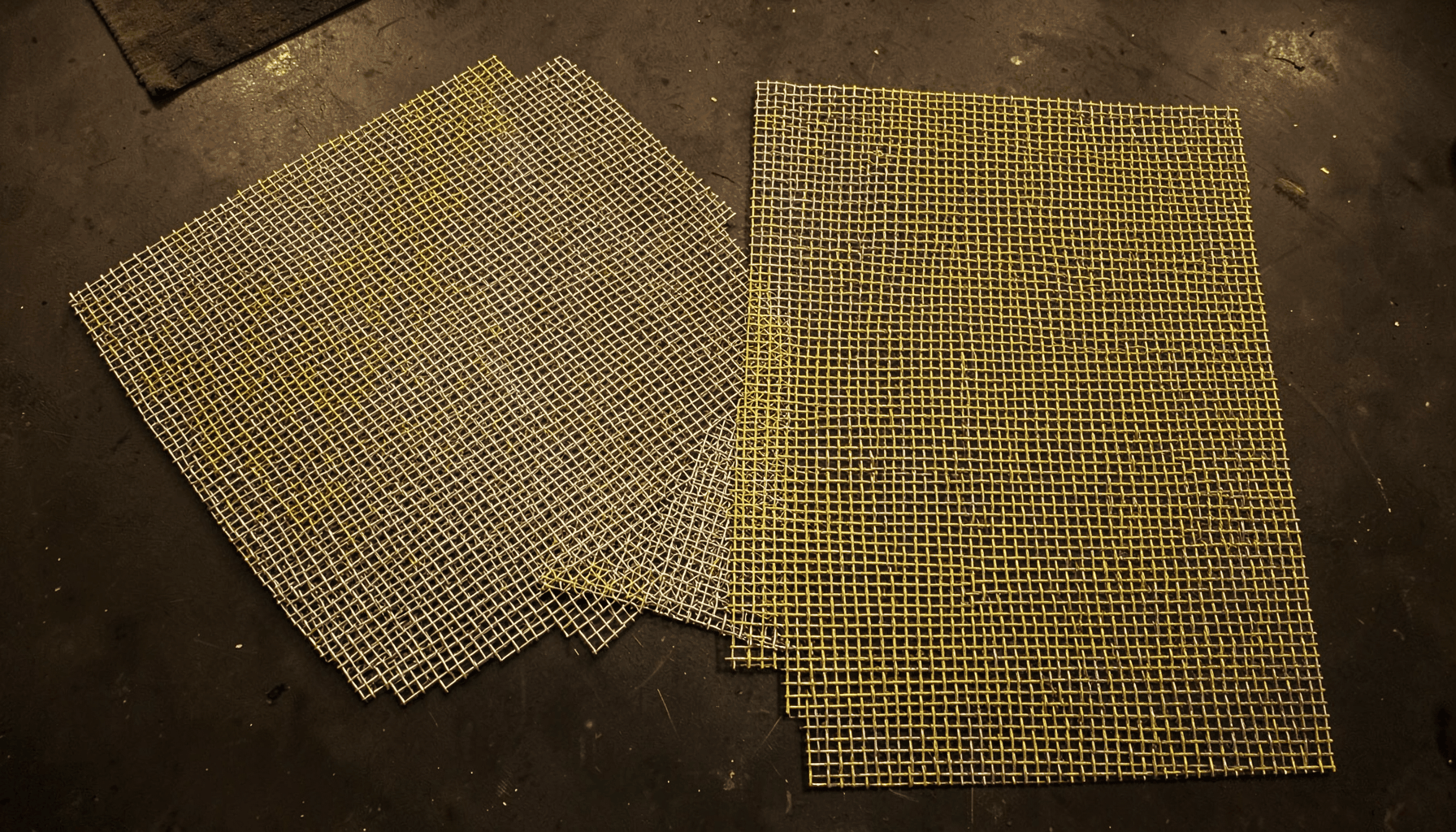
Mesh construction determines how the belt handles the load and how readily it releases material. Woven wire mesh is flexible, offers high open area and works well on driven or gravity rollers. Welded panels provide greater rigidity for fixed ovens and heavy indexing duties. Spiral-link and flat-wire constructions support larger products or steeper transfer points, with the best choice depending on product size, belt speed and cleaning access.
Aperture should be smaller than the smallest food piece that could escape, yet large enough to drain liquids and permit cleaning. Fine square openings suit bagged ingredients, herbs and small baked goods. Larger openings can carry seafood, cut produce or carcasses more efficiently. Engineers should check product deformation as well as nominal dimensions, because soft or wet items may pass through an opening that appears safe on a drawing.
Edges and connections deserve close attention. A woven edge or welded rail must retain tension without cutting the mesh, and each splice should remain flush on the working side. Fasteners should be stainless, corrosion-resistant and positioned away from the product path. A well-designed belt can be lifted, washed and inspected without trapping a screwdriver, wire end or bracket beneath the product.
Belt Strength, Tensions, and Conveyor Geometry
The first engineering step is to calculate belt pull from line speed, incline, load and friction rather than selecting mesh by aperture alone. Belt capacity also depends on wire diameter, mesh count, weave and support spacing. Too little tension allows the belt to ride over rollers or buckle; excessive tension stretches the mesh and concentrates stress at fixing points. Damaged edges can then loosen and create a contamination risk.
Conveyor geometry should be recorded with the mesh specification. The same belt may require a different pitch, edge profile or take-up on a straight packing conveyor than on a compact spiral or incline. Frame deflection, roller crown and corner radius affect tracking. Useful documentation for Australian integrators includes centreline dimensions, shaft positions, direction of travel and the required direction of product flow.
Modular construction can simplify maintenance, particularly when replacement sections must reach plants in Melbourne, Sydney, Brisbane or Perth without long production shutdowns. A common pitch and repeatable edge width allow damaged panels to be swapped while preserving tension across the line. It also helps local maintenance teams keep critical spares on hand, reducing dependence on overseas lead times for a single custom panel.
Cleanability, Food Safety, and Verification
Food-contact compliance should be treated as documented evidence, not a general claim of being food grade. Material declarations, mill certificates and statements of suitable stainless grades give processors information for their food safety plans. In Australia, equipment and articles in contact with food are managed under the Australia New Zealand Food Standards Code, including FSANZ Standard 1.4.3. Individual sites remain subject to applicable state and territory regulation and audits, including state schemes such as Victoria’s Clean Food Program.
Cleaning systems must be considered when the weave is selected. CIP or COP equipment may apply hot caustic detergent, acidic products or chlorine-based sanitizers at specified concentrations and temperatures. A belt with narrow crevices, inaccessible weld zones or mixed-metal fittings can hold residue and defeat the cleaning process. The mesh should tolerate the plant’s worst credible chemistry and be easy to inspect after each wash rather than relying on an unverified chemical rating.
Verification includes checking surface condition, passivation records, weld quality and fastener compatibility before installation. After commissioning, inspect tracking, edge tension and signs of fretting or corrosion at regular intervals. A preventive replacement schedule can be based on condition and sanitation cycles, helping Australian operators document due diligence without replacing sound mesh simply because a calendar date has passed.
Application Choices for Australian Processors
Different Australian food sectors place different demands on mesh. Bakeries need fine, closely supported surfaces that carry pastry without crushing it, while meat and poultry lines often favour corrosion-resistant belts with washable edges. Seafood operations need chloride resistance and open drainage; dairy equipment must handle fat, milk residue and frequent chemical cleaning. Produce and salad lines require gentle support, clear visibility and rapid removal of wash water.
Products supplied for barbecue markets and fresh-food retail can use a more robust open mesh that tolerates heavier handling. Architectural or decorative mesh is not automatically suitable for food duty: wire, weld, finish and cleaners may differ from hygienic standards. The product, temperature, load and cleaning method should therefore be specified separately from appearance, even when a processor wants the belt to remain visually unobtrusive.
Local supply relationships add another practical layer. Melbourne has a large dairy, meat and ready-meal manufacturing base, Sydney combines extensive food production with coastal exposure, and Brisbane’s meat, poultry and seafood plants face humid washdown conditions. Across Perth and regional processors, documented spares and predictable replacement panels are valuable because transport distance can affect downtime. Local conveyor builders can confirm frame details and install clearances before final mesh approval.
Specify, Trial, and Procure with Confidence
Custom conveyor mesh works best when the supplier receives a clear application brief rather than only a belt width. Useful inputs include the product and its weight per square metre, operating temperature, line speed, incline, roller dimensions, cleaning chemicals and preferred splice method. Shuo Ke Wire Mesh Product Technology Co., Ltd. can use stainless steel, aluminum, copper, iron or other alloys to develop architectural or industrial mesh, but hygienic food lines should specify stainless grades and surface requirements explicitly.
- Select 304 or 316 from chemistry and wash conditions, documenting chloride exposure and cleaning chemicals used on the line.
- Match mesh count, wire diameter and open area to the smallest product, support requirements, expected load and drainage needs.
- Provide a dimensioned drawing showing roller positions, direction of travel, frame clearances, tensioning method and required capacity.
- Require stainless-compatible fabrication, smooth welds, rounded edges, passivation evidence and traceable material documentation.
- Test a representative section for product damage, tracking, cleanability and cycle life before approving a large production order.
- Confirm packaging, delivery timing and tariff classification with an Australian customs broker, allowing for GST, freight and any applicable duty.
Samples should be checked under realistic conditions, including warm washdown and actual product movement. Australian importers should also review packing requirements, marking and documentation with their customs broker before shipment, as duty treatment depends on the final product classification and import method. Clear manufacturing records and accurate commercial documents make border clearance and maintenance planning more predictable.
Prepare a line drawing or dimensional sketch, list the product and cleaning regime, and send these details to Shuo Ke Wire Mesh Product Technology Co., Ltd. The team can then recommend a practical weave, stainless grade, edge treatment and joining method for review and sampling before production.