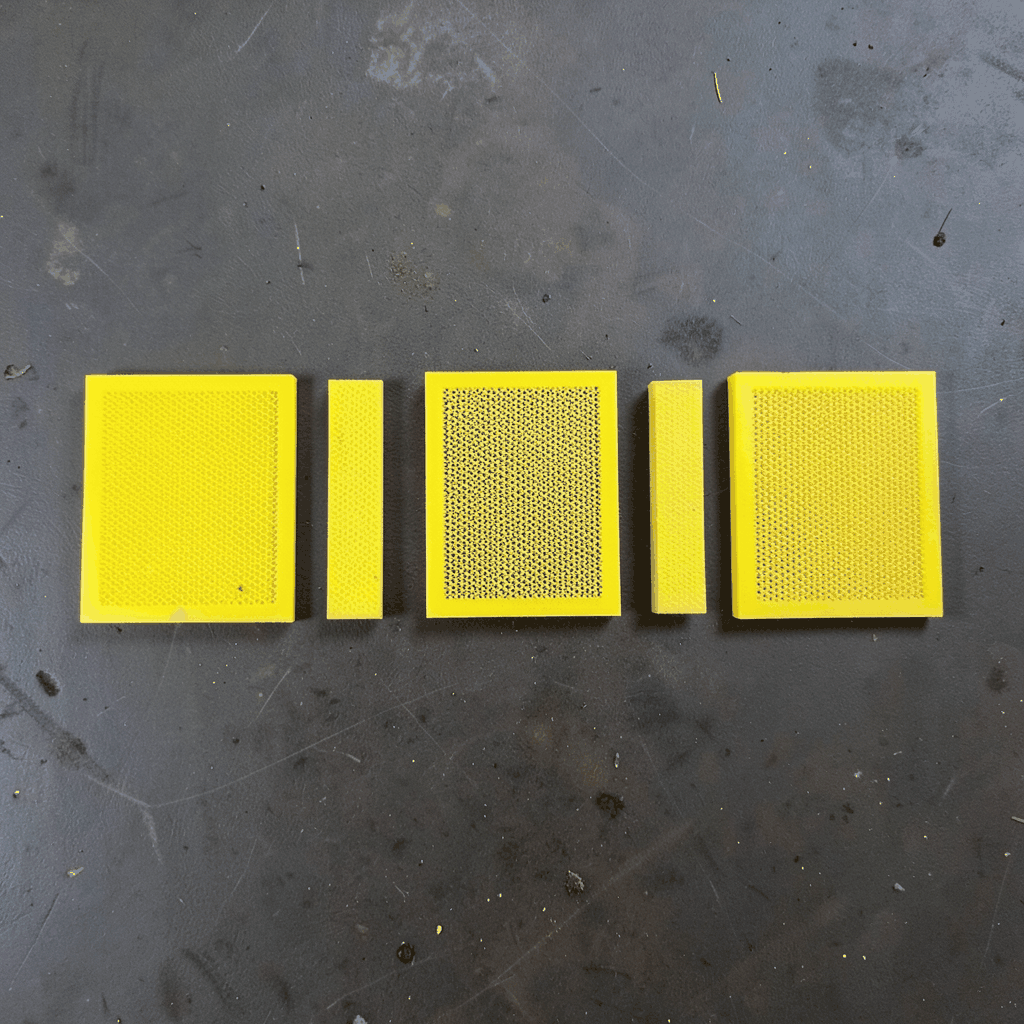
The Advantages of Aluminum Mesh in Lightweight Commercial Gate Designs
Commercial gates must manage several demands at the same time. They need to control access, protect property, support daily traffic, and contribute to the visual identity of a building or site. In busy locations, their weight also affects hinges, posts, operators, installation time, and long-term maintenance.
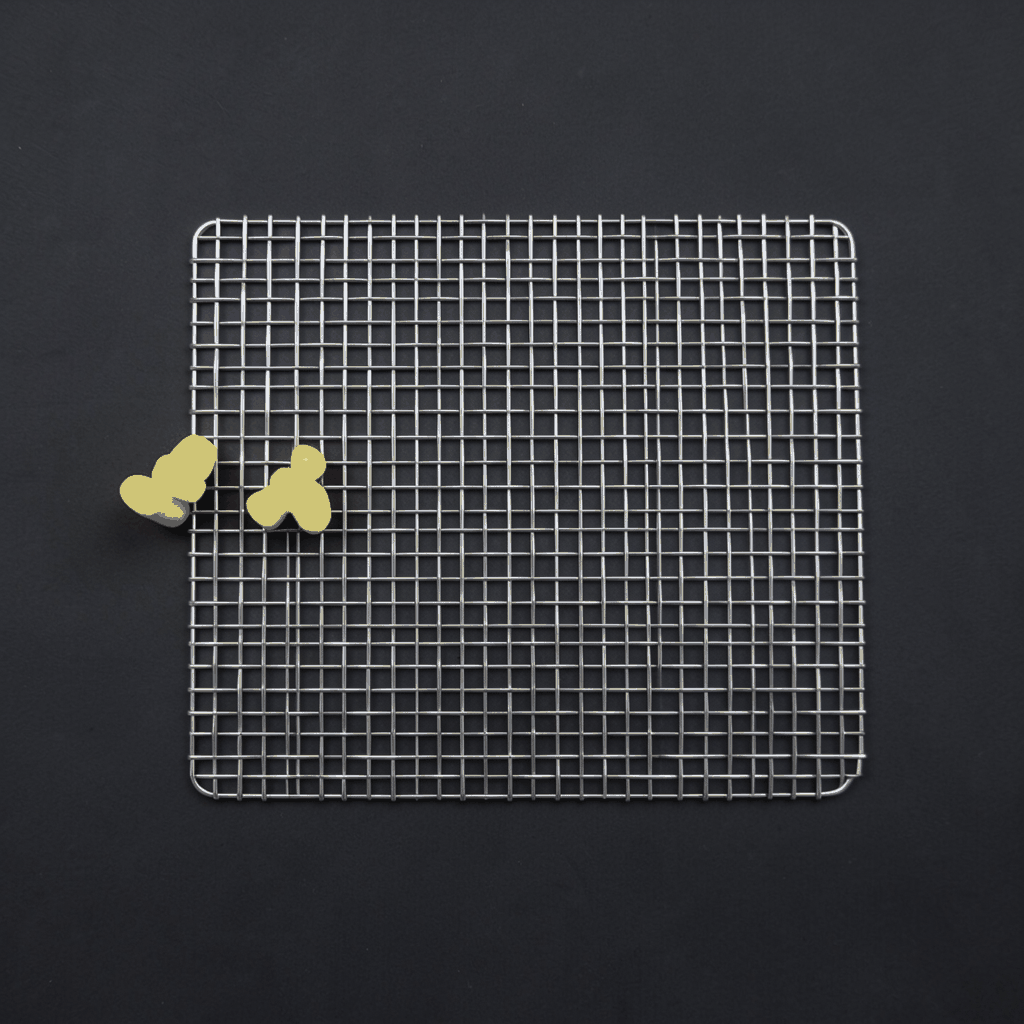
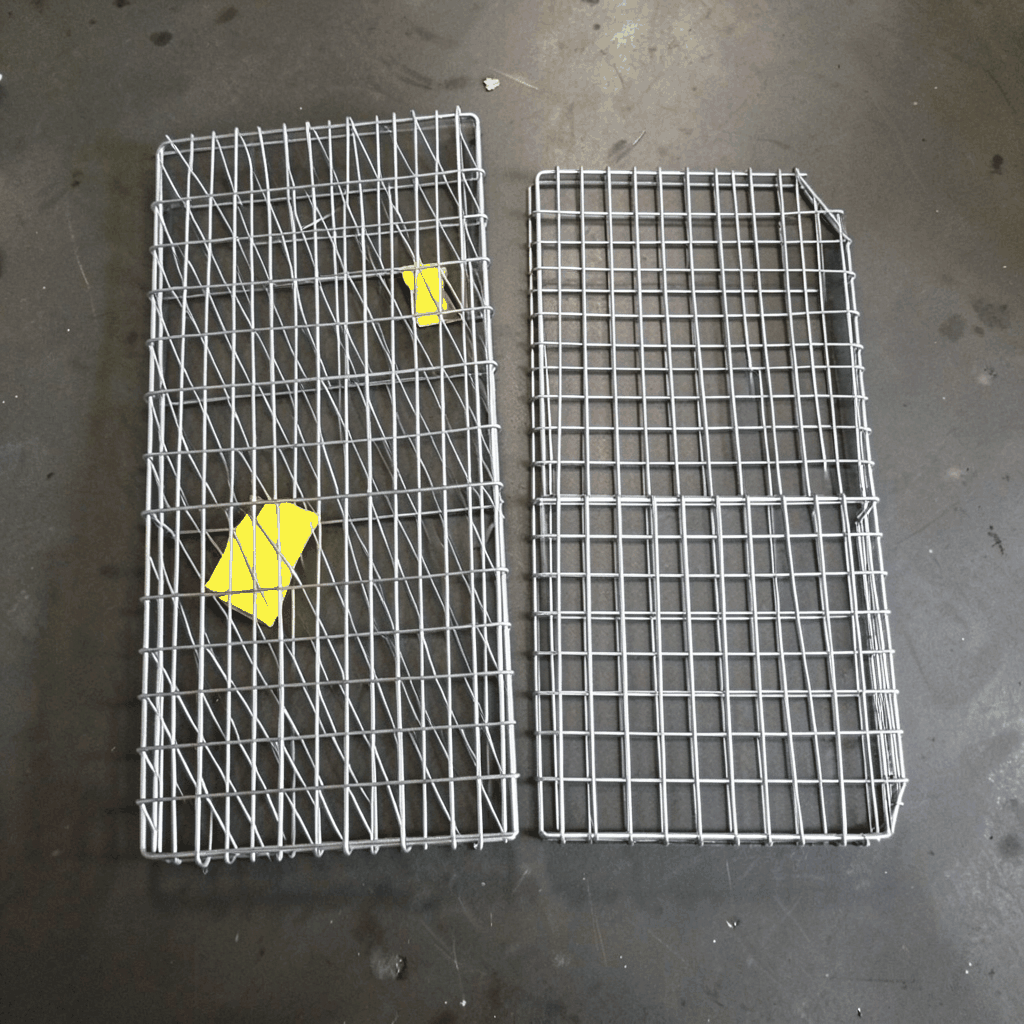
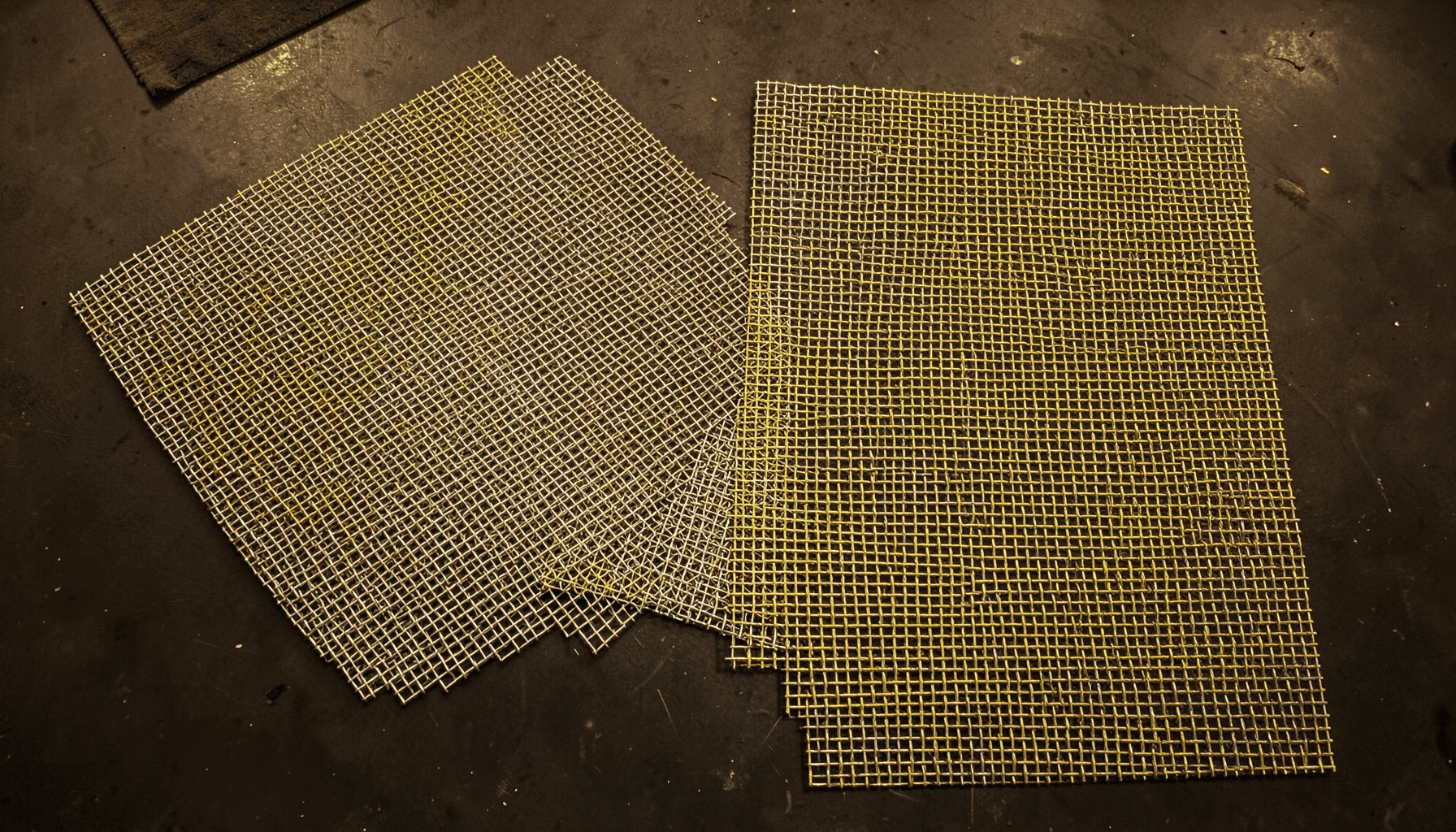
Aluminum mesh offers a practical way to balance these requirements. Compared with steel or solid metal panels, it can reduce the load placed on a gate frame while preserving strength, ventilation, and design flexibility. Perforated, expanded, woven, and laser-cut aluminum mesh can all be adapted to different commercial environments.
For offices, retail developments, schools, parking facilities, municipal sites, and mixed-use properties, a lightweight metal gate can improve operation without making the entrance look temporary or utilitarian. The right alloy, mesh pattern, surface treatment, and frame design allow aluminum to function as both an engineering material and an architectural feature.
Reduced Weight For Easier Gate Operation
The most immediate advantage of aluminum mesh is its low density. An aluminum gate generally weighs much less than a comparable steel gate, especially when the design uses an open mesh infill instead of a solid sheet. This reduction makes swinging gates easier to move and sliding gates easier to start, stop, and align.
Lower gate weight also reduces stress on hinges, rollers, guide tracks, pivots, and electric operators. Hardware can operate with less force, which may support smoother movement and reduce wear over time. For automated entrances, a lighter leaf can allow more efficient motor selection and may help limit energy consumption during repeated opening cycles.
Installation teams also benefit from the reduced mass. Handling, positioning, and final adjustment can be completed with less lifting equipment in many projects. This is useful where access is restricted, where the gate must be installed inside an occupied commercial property, or where the project schedule allows little time for on-site fabrication and correction.
Strength Without A Heavy Visual Barrier
A lightweight structure does not have to look weak. Aluminum mesh can be supported by perimeter frames, intermediate rails, folded edges, and reinforced connection points. The mesh opening, wire or strip thickness, panel geometry, and frame profile can be selected according to the required span and security level.
Open metal infill provides visibility across the entrance, which can improve natural surveillance and help security staff monitor vehicle or pedestrian movement. It can also prevent the enclosed appearance associated with solid steel gates. This visual openness is valuable for commercial landscapes where safety, orientation, and a welcoming frontage are important.
Mesh gates allow air and daylight to pass through the entrance. Reduced wind resistance can be particularly useful on wide driveway gates, rooftop service areas, and exposed sites. A solid panel may behave like a sail during strong wind, transferring greater pressure to posts and foundations. Aluminum mesh does not eliminate wind loads, but an appropriately engineered open pattern can help manage them.
Flexible Architectural And Branding Options
Aluminum is well suited to contemporary commercial architecture because it can be formed into clean, precise profiles. Mesh panels may use regular square openings, elongated slots, diamond patterns, decorative perforations, or custom laser-cut motifs. This gives designers control over privacy, visibility, airflow, shadow, and visual rhythm.
Surface finishing expands the design range further. Powder coating can provide colors that match a corporate identity, façade system, signage, or landscape palette. Anodized finishes can create a refined metallic appearance while supporting surface protection. Brushed, polished, or mill-finished options may be selected when the project calls for a more industrial or minimalist character.
Decorative aluminum gate panels can also carry patterns associated with a building, district, or brand. A geometric logo, repeated architectural motif, or custom screen design can be integrated into the mesh while retaining the basic function of access control. Shuo Ke Wire Mesh Product Technology Co., Ltd. can develop customized metal mesh solutions for projects that require a defined opening rate, panel size, finish, or decorative pattern.
Corrosion Resistance And Lower Maintenance
Aluminum naturally forms a thin oxide layer when exposed to air. This characteristic helps protect the base metal from many common outdoor conditions. With an appropriate alloy and finish, aluminum mesh can perform well in commercial entrances exposed to humidity, rain, urban pollution, and seasonal temperature changes.
The material does not develop red rust in the same way untreated carbon steel does. This can reduce the frequency of scraping, priming, and repainting associated with conventional ferrous gates. Powder coating or anodizing can add another protective layer and provide a more consistent appearance across the gate frame and mesh infill.
Material selection still requires care. Contact between aluminum and dissimilar metals can create galvanic corrosion under certain conditions, especially where moisture and salts are present. Stainless steel fasteners, isolation washers, compatible coatings, drainage details, and sealed joints should be specified by the project team. Coastal sites may also require closer attention to alloy grade and finish durability.
| Design consideration | Aluminum mesh gate | Steel mesh gate | Solid metal gate |
|---|---|---|---|
| Overall weight | Low to moderate, depending on profile and pattern | Moderate to high | High |
| Operator and hinge load | Generally reduced | Higher | Highest in many large designs |
| Airflow | Good with open mesh | Good with open mesh | Limited |
| Visibility | Adjustable through opening size and pattern | Adjustable through opening size and pattern | Low unless openings are added |
| Corrosion behavior | Good natural resistance with suitable finish | Requires strong protective coating | Depends heavily on coating and material |
| Design flexibility | High for formed, perforated, and decorative panels | High, with greater structural mass | Moderate |
| Maintenance needs | Usually low with correct finish and detailing | Periodic coating maintenance is often needed | Coating damage can require extensive repair |
| Typical application | Commercial entrances, screens, pedestrian and vehicle gates | Heavy-duty security and industrial sites | High-privacy or high-impact applications |
Efficient Installation And Lifecycle Value
A lighter gate can simplify transportation from the manufacturing facility to the project site. More units may be handled with standard delivery equipment, and smaller installation crews may be able to position components safely. These practical benefits can reduce labor pressure, particularly when several gates must be installed across a large commercial property.
Aluminum mesh is also compatible with modular construction. A manufacturer can produce framed leaves, infill panels, posts, hardware interfaces, and matching screens according to approved drawings. Prefabricated components help improve dimensional consistency and can reduce the amount of cutting, drilling, and welding required on site.
Initial material price should not be the only measure of value. A gate that places less strain on operating equipment, needs less repainting, and can be installed with fewer handling resources may deliver a stronger lifecycle result. The final assessment should include fabrication, finishing, transport, installation, power consumption, routine servicing, and replacement of worn hardware.
Aluminum is especially attractive for projects with multiple access points. Standardized lightweight panels can create a consistent appearance across vehicle gates, pedestrian entrances, service enclosures, and equipment screens. Repeated designs also make future additions easier to coordinate with the original installation.
Safety, Privacy, And Site Function
Mesh opening size has a direct effect on how a gate performs. A large opening supports visibility and ventilation, while a smaller opening provides more screening and can restrict the passage of objects. Perforated aluminum panels can create partial privacy without forming a completely opaque barrier.
For pedestrian gates, smooth edges and correctly folded or framed mesh are important. Commercial facilities often experience frequent contact from users, deliveries, and maintenance teams. The selected design should avoid exposed sharp edges, protect fasteners from tampering where appropriate, and provide reliable alignment after repeated use.
Vehicle gates require a broader engineering review. Designers should consider the gate span, local wind conditions, post foundations, operator capacity, drainage, emergency release, safety sensors, and clearance from vehicles. Lightweight construction makes these factors easier to manage, but it does not replace professional structural and access-control planning.
An aluminum mesh gate can also support better site circulation. Clear visibility helps drivers identify the entrance and pedestrians recognize designated routes. Decorative screening can separate loading areas, waste storage, plant rooms, and parking zones while maintaining a coherent appearance throughout the property.
Selecting The Right Aluminum Mesh System
The best solution depends on the balance between appearance, security, exposure, and operating frequency. A decorative pedestrian gate may use a fine laser-cut panel, while a service-yard entrance may need a stronger expanded mesh with reinforced framing. The same aluminum material can serve very different purposes when its geometry and supporting structure change.
A reliable manufacturer should be able to discuss alloy choice, mesh type, opening ratio, panel dimensions, frame construction, finish, and hardware integration before production begins. Drawings and samples are useful for checking color, transparency, edge treatment, and the relationship between the gate and surrounding walls or fences.
For commercial gate projects, the following priorities help guide the specification:
- Match the mesh opening and panel thickness to the required visibility, privacy, and security level.
- Confirm the gate leaf weight, span, hinge capacity, roller system, and automatic operator requirements.
- Select a corrosion-resistant alloy and a finish suitable for the site climate, pollution, and cleaning routine.
- Use compatible fasteners and isolation details to reduce the risk of galvanic corrosion.
- Coordinate the gate pattern, color, frame profile, and adjacent fencing with the wider architectural design.
Customization is particularly valuable when a standard gate would leave gaps between functional requirements and the project aesthetic. Shuo Ke Wire Mesh Product Technology Co., Ltd. manufactures and processes aluminum mesh products for architectural, commercial, residential, and municipal applications. Its capabilities include decorative screens, fences, gates, guardrails, cladding elements, and other formed or fabricated mesh products.
A project-specific approach can also improve replacement and expansion planning. Matching mesh panels, coatings, and frame details make it easier to add a secondary entrance later or replace a damaged section without creating an obvious visual mismatch. Careful documentation of dimensions and finishes provides useful reference for future maintenance teams.
Lightweight commercial gates made with aluminum mesh offer a combination of efficient operation, corrosion resistance, visual openness, and architectural adaptability. They can reduce pressure on hardware and foundations while creating a more refined entrance than a basic solid barrier. With correct engineering and finishing, they are suitable for a wide range of commercial and public-facing environments.
Contact Shuo Ke Wire Mesh Product Technology Co., Ltd. to discuss aluminum mesh gates, decorative metal screens, and coordinated fencing for your project. Share the required dimensions, application, mesh pattern, finish, and operating conditions so the appropriate customized solution can be developed for reliable performance and a strong architectural result.