Why Oval-Crimp Mesh Performs Well In Aggregate Screening
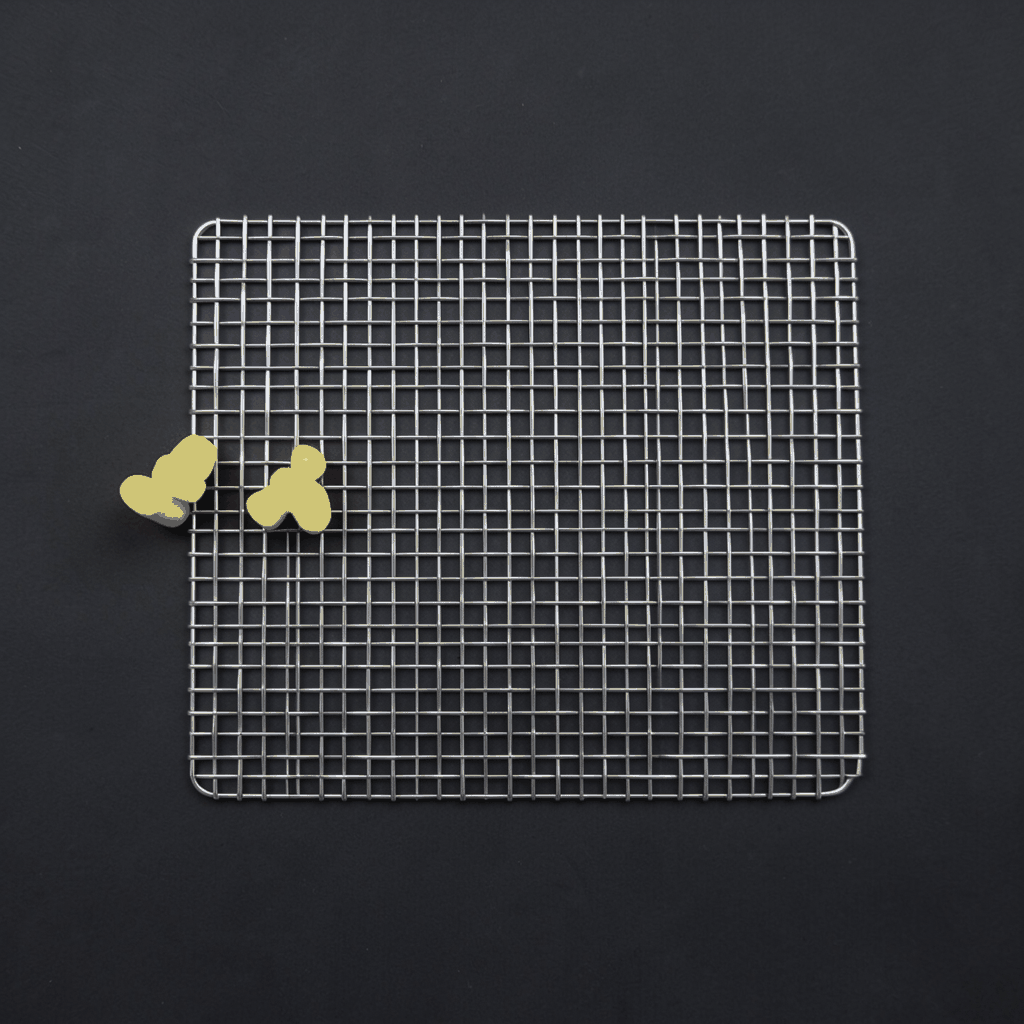
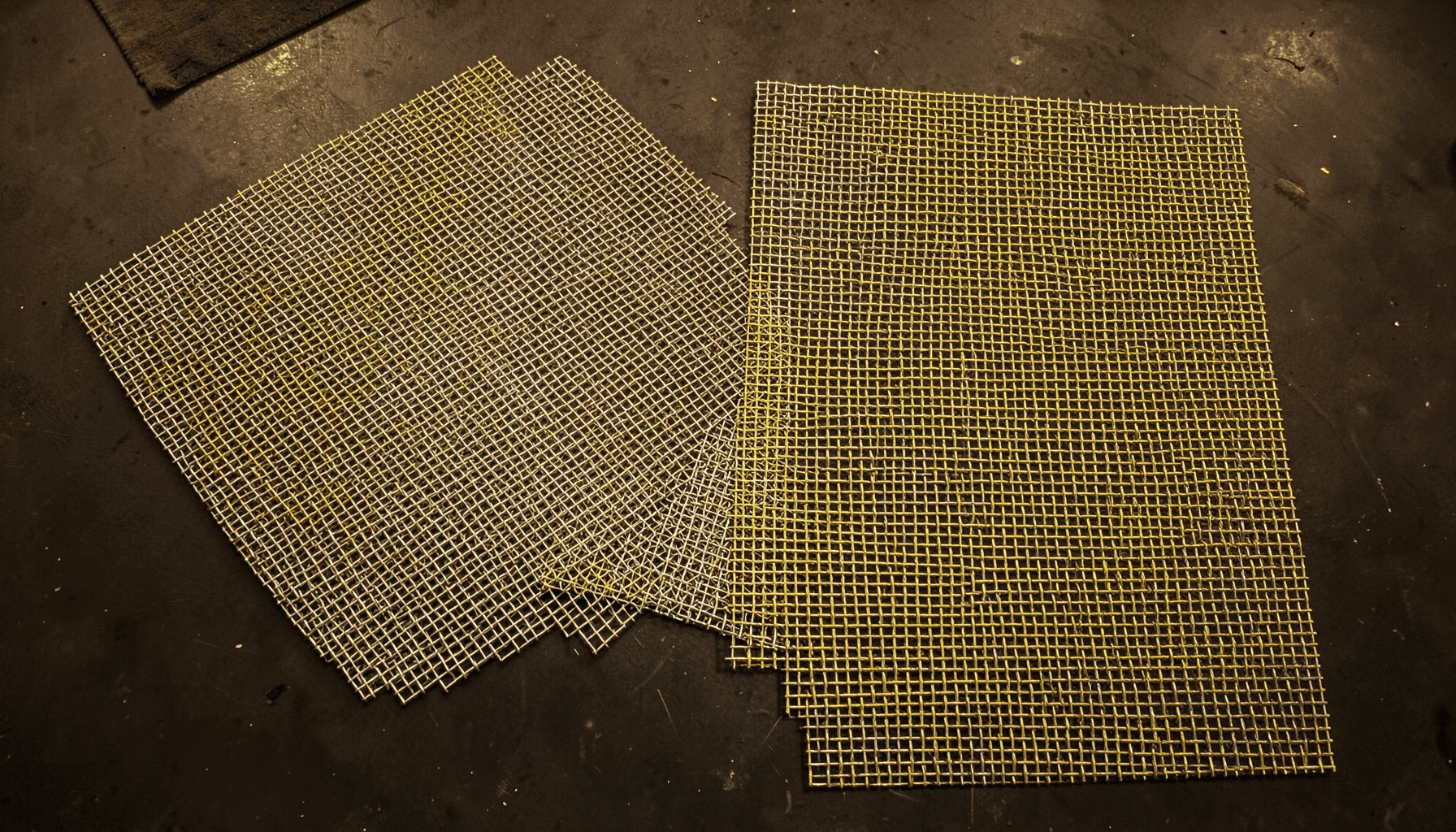
Oval-crimp mesh is a practical screening medium for quarries, mines, recycling plants, and aggregate processing lines. Its shaped wire profile combines the open structure of woven screen cloth with a contact surface designed to handle repeated impact, abrasion, and vibration. For operations seeking stable particle separation, this construction can offer a useful balance between capacity, service life, and screening accuracy.
The performance of any vibrating screen depends on more than aperture size. Material type, moisture, feed gradation, deck angle, vibration frequency, and support conditions all influence the final result. Oval-crimp mesh should therefore be selected as part of a complete screening system rather than treated as a universal replacement for every type of wire cloth.
For manufacturers and processors, the value of this mesh lies in its ability to be customized. Stainless steel, high-carbon steel, and other suitable alloys can be specified according to abrasion, corrosion, temperature, and loading requirements. Correctly manufactured panels can also be adapted to different screen boxes, tensioning systems, and aggregate applications.
How The Oval Profile Supports Screening Performance
In an oval-crimp screen, the working wire has a rounded or flattened oval profile rather than a simple circular cross-section. This changes how the material contacts the mesh. The broader surface can distribute contact forces over a larger area, helping reduce concentrated wear at individual points.
The crimped construction locks the wires into a stable woven pattern. This gives the panel structural integrity while maintaining consistent openings during vibration. A stable aperture is important because even small changes in opening geometry can affect undersize production, oversize carryover, and the overall separation curve.
The shape also creates a screen surface with practical flow characteristics. As aggregate travels across the deck, particles interact with the inclined wire surfaces and openings. Properly matched oval crimps can help encourage stratification, allowing smaller particles to move through the upper material layer and reach the screening surface.
Abrasion Resistance And Longer Service Intervals
Crushed stone, gravel, slag, and recycled concrete can be highly abrasive. Sharp edges repeatedly strike the screen wires, while sliding particles remove material from contact zones. A screen that wears unevenly may develop enlarged openings, broken wires, or weak areas that reduce separation quality before the panel reaches complete failure.
Oval-crimp mesh can provide useful wear resistance because its formed wire geometry offers a substantial working surface. The load is less likely to remain concentrated along a narrow line, particularly when the screen is correctly installed and supported. The actual service life still depends on alloy grade, wire diameter, material hardness, feed volume, and impact height.
Longer wear life has operational value beyond reducing replacement purchases. Fewer shutdowns can improve plant availability, limit labor spent on deck changes, and reduce the risk of unplanned production interruptions. For high-throughput operations, a screen cloth that lasts longer under the same feed conditions may provide a better total cost than a lower-priced panel with a shorter replacement cycle.
Capacity, Open Area, And Particle Separation
Screen capacity is influenced by the percentage of open area available for material passage. Oval-crimp mesh can be designed with different wire diameters and apertures, allowing engineers to balance usable opening area against mechanical strength. A larger opening may increase throughput, but it must remain appropriate for the target product size and the expected impact load.
The relationship between aperture and wire size also affects screening efficiency. Fine openings require careful control of wire geometry, while coarse aggregate decks need enough metal to withstand heavy impact. In both cases, the panel should allow particles to pass without excessive obstruction while resisting deformation under vibration.
| Screening Factor | Oval-Crimp Mesh | Square Woven Mesh | Piano Wire Screen | Polyurethane Panel |
|---|---|---|---|---|
| Wear resistance | Strong when matched with a suitable alloy and wire size | Good, but wear can concentrate at crossing points | Moderate to strong, depending on wire material | Very strong in many abrasive applications |
| Open area | Adjustable through crimp and wire selection | Usually predictable and consistent | Often high | Generally lower than open woven cloth |
| Fine particle separation | Suitable with accurate aperture control | Very suitable for regular sizing | Can be effective where blinding is severe | Depends heavily on panel design |
| Flexibility in fabrication | Available in many woven patterns and dimensions | Widely available | Requires specialized support layouts | Molded to specific modular designs |
| Typical limitation | Requires correct tension and support | Can blind with damp or irregular material | Less suitable for some fine, precise cuts | Higher initial cost and fixed module geometry |
This comparison shows why oval-crimp mesh is often selected for applications that need a woven metal screen with a strong balance between openness and durability. It is especially useful when the operation requires a conventional replaceable panel but faces more severe wear than ordinary aggregate screening can tolerate.
Screening results also depend on feed presentation. If the feed is too deep, particles may not reach the openings efficiently. If the deck is overloaded, even a well-designed screen can produce poor separation. Oval-crimp mesh performs best when the feed rate, vibration, and deck inclination are adjusted to suit the material.
Reduced Blinding And Better Material Flow
Blinding occurs when damp, sticky, elongated, or near-size particles block the screening apertures. Once enough openings are covered, effective open area drops and the deck may begin producing a less accurate cut. This is a common concern when screening wet sand, clay-contaminated aggregate, or recycled materials with irregular shapes.
The angled surfaces created by crimped wire can encourage particles to move across the openings instead of resting flat over them. The vibration of the deck adds movement that may help release borderline particles. Oval-crimp mesh does not eliminate blinding in every application, but its surface geometry can contribute to more active material flow than a flat, obstructed screening surface.
A suitable aperture shape is also important. Openings that are too narrow for the expected particle shape can trap elongated pieces, while openings that are too large can reduce product control. Choosing the opening pattern according to the feed gradation helps the mesh deliver its intended self-cleaning and separation performance.
Matching Materials And Manufacturing Details
Material selection should reflect the working environment. Stainless steel mesh is useful where corrosion resistance, washdown, or chemical exposure is important. High-carbon or alloy steel may be preferred for dry, highly abrasive aggregate service when hardness and wear resistance are the primary concerns. The right choice depends on both the material being screened and the conditions around the equipment.
Wire diameter, crimp depth, aperture tolerance, and edge treatment all affect performance. A heavy wire may extend wear life but reduce open area. A lighter wire can increase capacity but may be unsuitable for large rock or high-impact feed. The most reliable specification considers the complete operating profile rather than selecting a wire size from aperture dimensions alone.
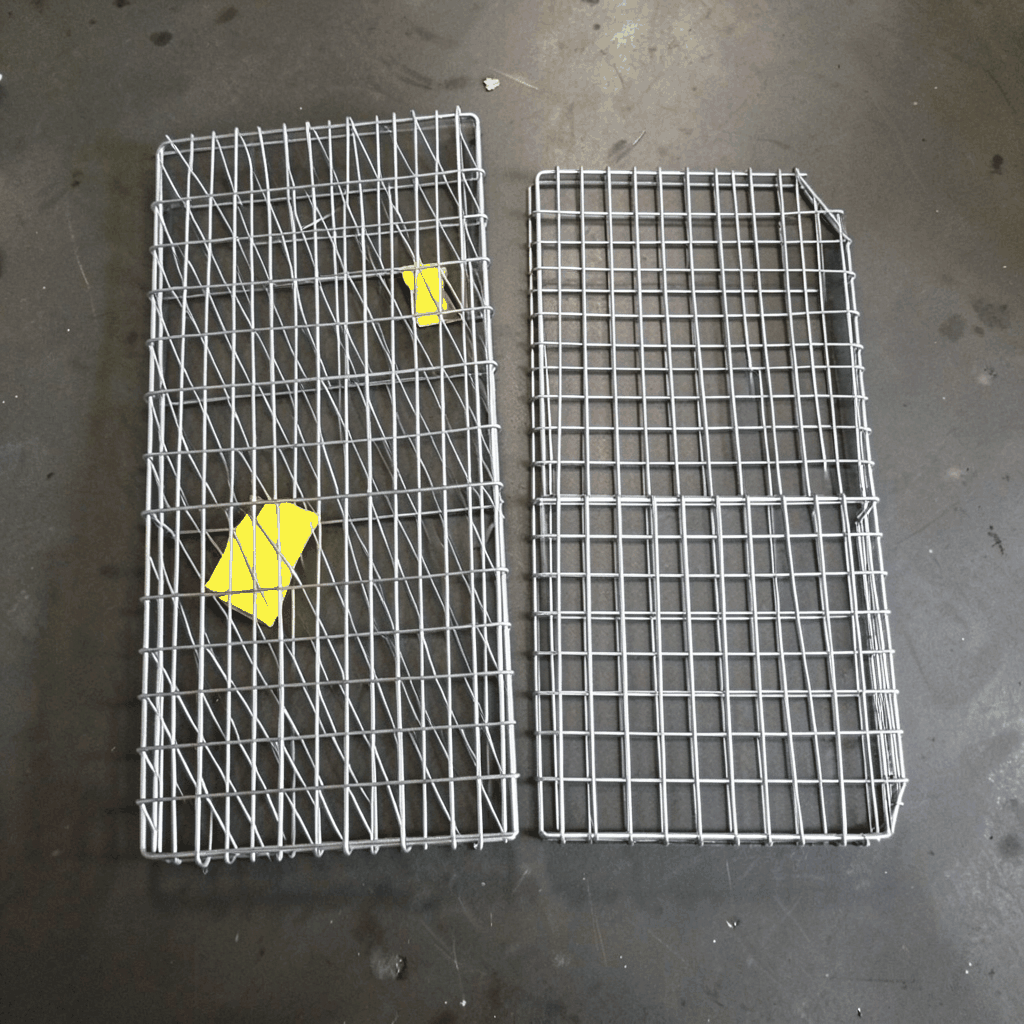
Panel edges must also match the screen box. Hooked edges, flat edges, reinforced borders, and tensioned or modular formats may be required for different machines. The same attention to secure panel support used in large-format mesh mounting systems is valuable in screening equipment, where correct load distribution helps prevent premature loosening, vibration damage, and edge failure.
Installation And Maintenance Considerations
Even a high-quality wire screen can fail early if it is installed with loose tension, uneven support, or incorrect fasteners. The panel should sit firmly against the supporting bars or rails, with no high points that create local impact stress. Tensioned screens require even adjustment across the width so that the cloth does not sag or flutter during operation.
Regular inspection should focus on the areas that experience the greatest load. These include the feed zone, side edges, tensioning hooks, support rails, and sections beneath heavy material flow. Look for enlarged apertures, cracked wires, broken crimps, loose panels, and unusual wear patterns. A small defect can spread quickly under continuous vibration.
Operators should also record replacement intervals and relate them to feed material, production volume, and deck position. This information helps identify whether a screen is failing because of abrasion, impact, blinding, corrosion, or installation. Data-based replacement planning is usually more economical than changing all deck panels on an arbitrary schedule.
Practical Selection Points For Aggregate Plants
A manufacturer can produce a more suitable panel when the buyer provides specific operating information. Product descriptions such as “heavy-duty aggregate screen” are useful starting points, but they do not define the actual mechanical requirements. Feed size, target cut, moisture level, tonnage, and machine model should be included in the specification.
Consider these points before ordering:
- Specify the material being screened, including hardness, moisture, clay content, and particle shape.
- Confirm the required aperture, wire diameter, crimp style, and allowable dimensional tolerance.
- Match the panel edge design to the screen box, tensioning arrangement, and support spacing.
- Select stainless steel, carbon steel, or another alloy according to abrasion and corrosion exposure.
- Request trial pieces or operating feedback when changing from a conventional woven screen.
Customization is particularly valuable when a plant has several decks with different duties. A coarser feed deck may need heavier wire and greater impact resistance, while a finishing deck may prioritize accurate aperture control and high open area. Using one identical mesh specification across every position can create unnecessary compromises.
For projects requiring repeated supply, consistent manufacturing is equally important. Stable crimp dimensions and controlled weaving help ensure that replacement panels perform like the original set. Clear drawings, sample approval, and inspection of aperture size can reduce fitting problems during maintenance.
Build A More Reliable Screening Specification
Oval-crimp mesh gives aggregate producers a durable woven option for demanding vibrating screen applications. Its shaped wire profile can support wear resistance, material movement, and dependable aperture stability when the mesh is matched to the feed and installed correctly. The result is a screening surface designed for practical production conditions rather than a one-size-fits-all performance claim.
Shuo Ke Wire Mesh Product Technology Co., Ltd. can support customized metal mesh requirements involving material choice, wire form, aperture, dimensions, and edge processing. Share the screen machine details, operating conditions, and target separation size with the manufacturer to develop a panel specification suited to the deck and the aggregate being processed.