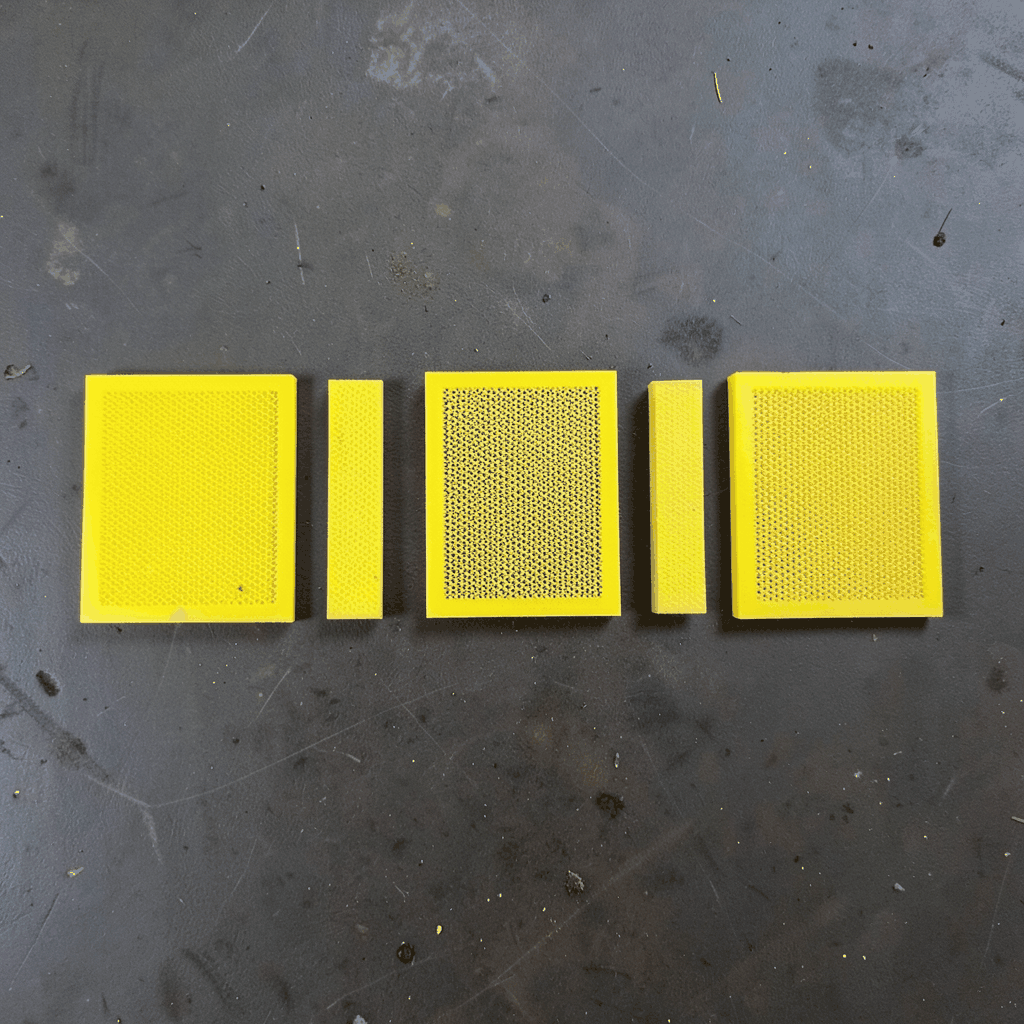
The advantages of pre-crimped mesh in filtration applications
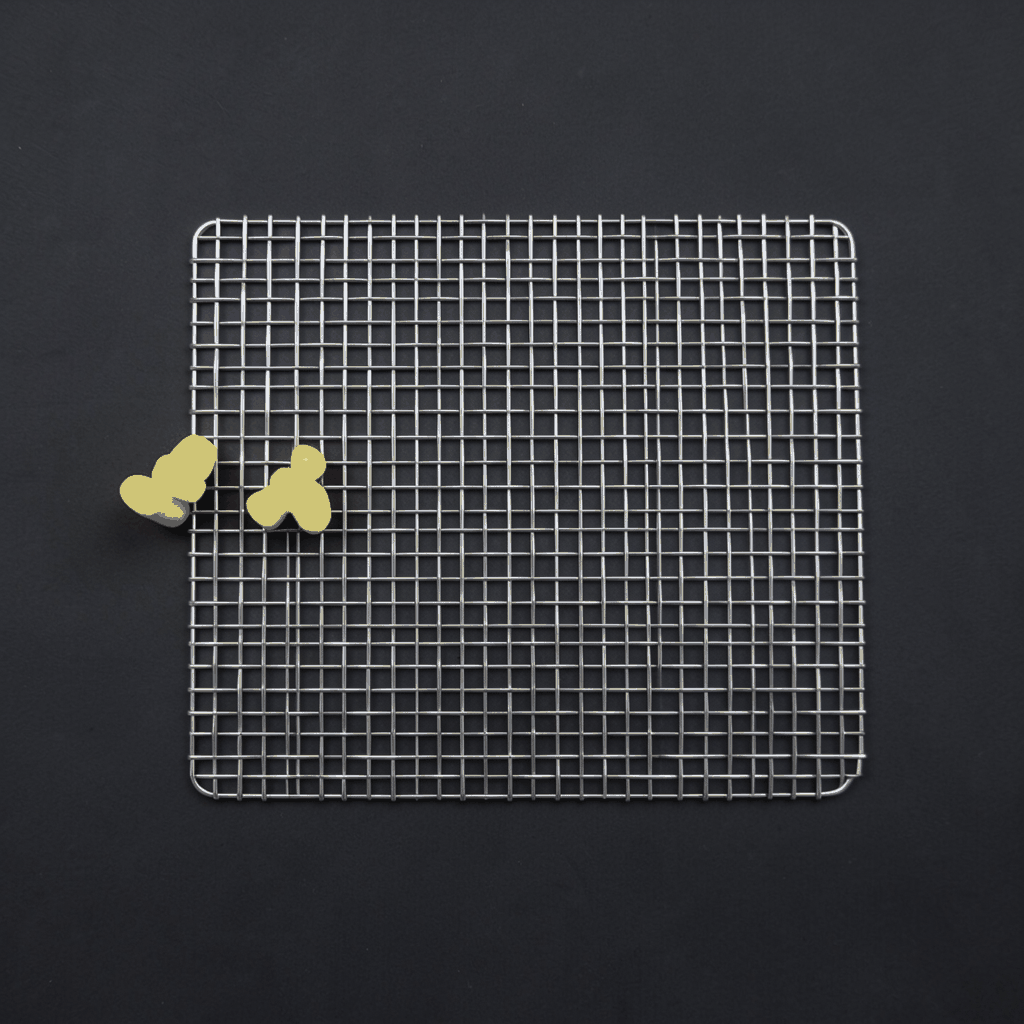
Pre-crimped mesh is a versatile form of woven wire cloth used when filtration equipment needs a stable opening pattern, dependable strength and consistent particle separation. The wire is formed with bends before weaving, allowing each strand to interlock with neighbouring wires and create a rigid screen. This construction is suitable for industrial filters, intake screens, grading systems, baskets and protective filtration components.
Compared with plain woven mesh, pre-crimped wire mesh can provide greater structural support at a similar aperture. It is particularly useful where screens must handle vibration, impact, abrasive materials or repeated cleaning. Stainless steel, aluminium, galvanised iron, copper and other alloys can be selected according to the fluid, temperature and operating environment.
Australian industries place demanding requirements on filtration products. Mining operations in Western Australia and Queensland process abrasive ores and slurries, while food and beverage plants in Melbourne, Sydney and Adelaide require cleanable and traceable components. Water treatment and desalination facilities around Perth, Brisbane and coastal New South Wales also need mesh products that resist corrosion and maintain predictable flow.
A suitable filtration screen must do more than catch particles. It must match the required opening size, flow rate, pressure conditions, material compatibility, cleaning method and installation arrangement. When these factors are considered together, pre-crimped mesh can deliver a practical balance of filtration performance, durability and manufacturing flexibility.
Stable openings support consistent separation
The main advantage of pre-crimped mesh is its ability to retain a regular aperture under working conditions. The crimps hold the wires in position, reducing movement and distortion when the screen is exposed to pressure, vibration or material impact. This helps the filtration surface maintain a more predictable opening size throughout its service life.
In a filtration application, a stable aperture supports consistent particle separation. If the wires shift or the mesh stretches, particles that should be retained may pass through, while the flow path can also become restricted. Pre-crimped construction reduces this risk, especially in screens used for mineral processing, aggregate classification, bulk solids handling and industrial liquid filtration.
The mesh pattern can be specified with different crimp styles, including plain crimp, intermediate crimp, lock crimp and double crimp. Each arrangement affects the relationship between wire diameter, mesh count, aperture and open area. A manufacturer can adjust these variables to create a screen that prioritises fine separation, higher throughput or greater mechanical strength.
This flexibility is valuable where filtration requirements vary from one stage to another. A coarse pre-crimped screen may protect a pump or remove large debris, while a finer woven wire filter can be installed downstream for more precise separation. Using the appropriate opening pattern at each stage can help reduce premature blockage and extend the operating life of finer filtration media.
Strength for abrasive and demanding environments
Filtration screens are often exposed to forces that are greater than the fluid pressure alone. Dry particles can strike the mesh at high speed, wet slurries can carry abrasive solids, and vibrating equipment can subject the screen to continual mechanical stress. The formed wire structure of pre-crimped mesh provides useful rigidity in these conditions.
A stronger screen is less likely to sag, buckle or lose its shape when installed across a frame or used as a support layer. This is important for filter baskets, centrifuge screens, hopper grates and vibrating separators. In mining areas such as the Pilbara, filtration and screening equipment may operate continuously in dusty, high-wear conditions, making wire diameter and alloy selection essential design considerations.
Stainless steel pre-crimped mesh is widely selected for applications that require corrosion resistance and mechanical performance. Grade 304 stainless steel is suitable for many general industrial and food-related environments, while 316 or 316L stainless steel offers improved resistance in chloride-rich or marine conditions. Near the Australian coast, in desalination plants or wastewater installations, the additional corrosion resistance of 316-series material can be valuable.
Where corrosion is less severe and cost control is important, galvanised iron or other steel options may be considered. Aluminium can reduce weight in certain equipment designs, while copper and specialised alloys may serve electrical, thermal or chemical applications. Material selection should account for the fluid chemistry, cleaning agents, operating temperature and contact with dissimilar metals.
Better flow and practical maintenance
Filtration performance depends on the movement of air, water, oil or process liquid through the screen. Pre-crimped mesh can be designed with a suitable open area to balance retention and flow. A larger aperture or thinner wire may provide greater throughput, while a smaller opening can capture finer particles but create higher resistance to flow.
The correct balance helps filtration systems operate efficiently. If the mesh is too fine for the application, pressure drop may increase and the screen may blind quickly. If it is too open, unwanted particles can pass into pumps, valves or downstream processing equipment. Mesh count, wire diameter and aperture should therefore be selected together rather than treated as separate specifications.
The crimped surface can also provide useful separation characteristics for dry screening and solids filtration. Particles are encouraged to move across the surface instead of immediately lodging in a flat, tightly packed opening. The result depends on the material being processed, particle shape, moisture content and screen angle, but the structure can support effective classification in many applications.
Cleaning and maintenance are equally important. Pre-crimped mesh can be removed for brushing, washing, air cleaning or pressure cleaning, depending on the material and equipment design. Stainless steel versions are well suited to facilities that use regular washdown procedures, including food processing plants in Victoria and New South Wales. The mesh should be cleaned using methods compatible with the alloy and should be inspected for blocked apertures, broken wires and edge damage.
Design flexibility for filters and equipment
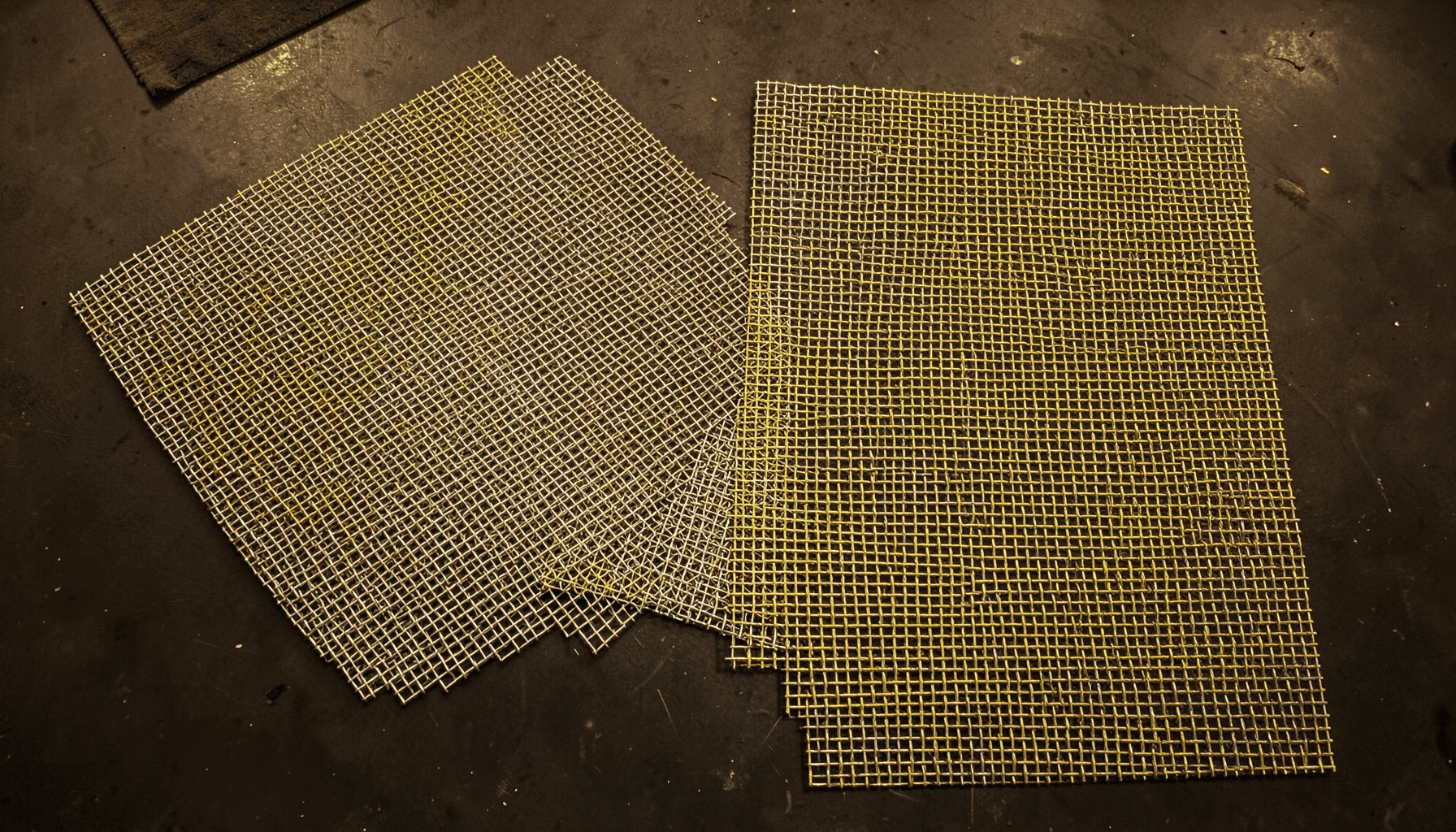
Pre-crimped wire mesh is available as sheet, roll, cut panel, cylinder, basket or fabricated filter component. This allows it to be incorporated into many types of equipment, including screening machines, filter housings, ventilation systems, pump protection units, dust collectors and liquid straining assemblies.
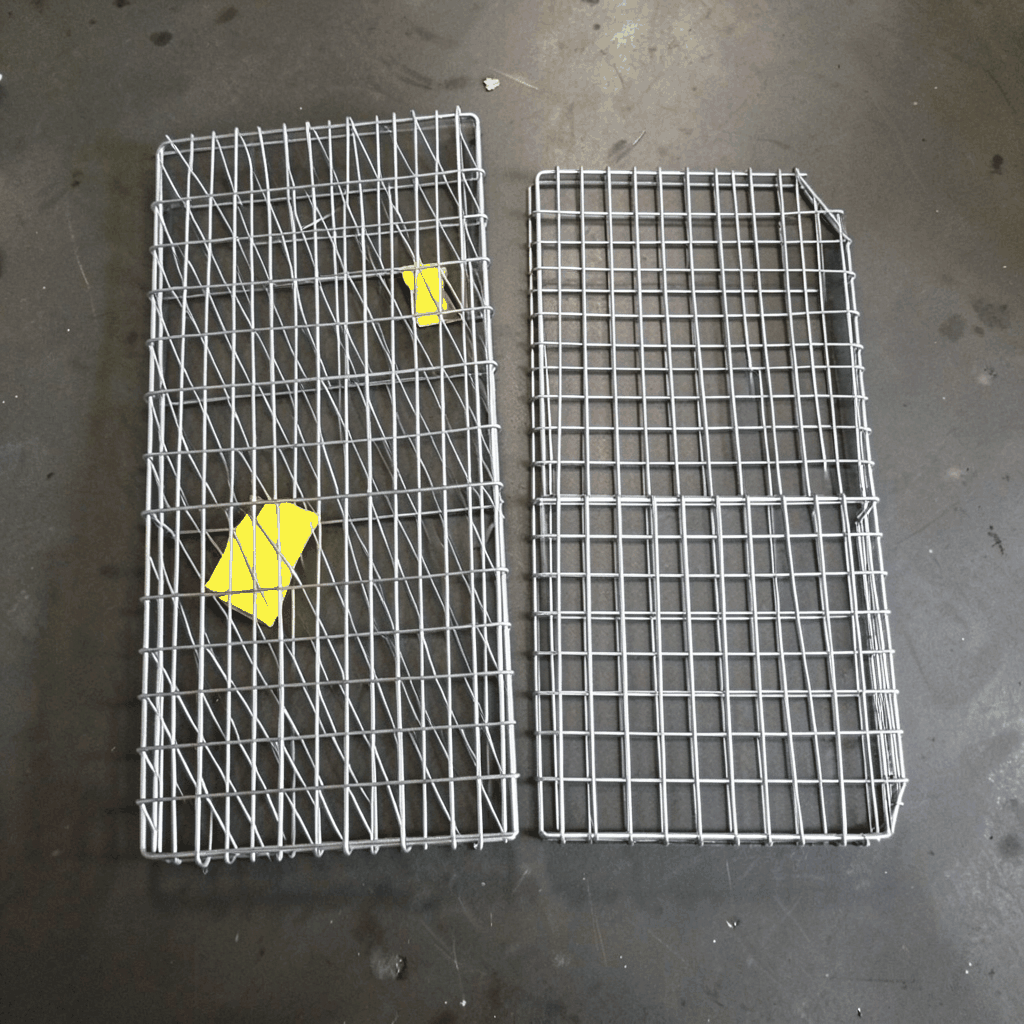
Fabrication can include cutting, welding, folding, edging, rolling and forming. A screen may be supplied with a reinforced perimeter so it can be bolted into a frame, or it may be shaped into a removable basket for easy servicing. Welded edges and support bars can increase rigidity when a large filtration area would otherwise require additional reinforcement.
Custom dimensions are particularly helpful when replacement screens must fit existing Australian equipment. Imported machinery may use non-standard frame sizes, while local processing plants often modify systems over time. A made-to-order mesh panel can reduce the need for improvised trimming or unsupported joints that may compromise filtration performance.
The same design approach applies to air and gas filtration. Pre-crimped mesh can serve as a coarse pre-filter, guard screen or support layer behind finer filter media. In dust control systems, it can protect pleated cartridges or fabric bags from large particles. In ventilation and industrial intake systems, it can prevent debris, insects and larger contaminants from reaching fans and ductwork.
For liquid applications, the mesh may be formed into strainers or baskets that capture solids while allowing the process fluid to pass. Such components are used in water treatment, irrigation, chemical processing and general manufacturing. The final design should consider how the basket is supported, how it will be removed, and whether the retained material needs to be emptied during routine operation.
Choosing the right mesh specification
A reliable filtration solution begins with clear operating information. The required filtration grade should be expressed through aperture size or particle retention, rather than mesh count alone. Two meshes with the same nominal mesh count can have different openings if their wire diameters differ, so both details should be confirmed on technical drawings or product data.
Flow rate, pressure, temperature and solids loading should also be defined. A screen handling clean water has different requirements from one processing mineral slurry, recycled plastic or a hot oil. The expected type and quantity of contamination will influence whether the mesh should prioritise fine filtration, high open area, impact resistance or easy cleaning.
Material compatibility deserves particular attention. Stainless steel is often a strong general-purpose option, but the correct grade depends on chloride exposure, acids, alkalis and cleaning chemicals. In coastal Australia, salt-laden air can affect exposed components even when the process itself is not highly corrosive. Protective finishes, drainage and suitable fasteners can help prevent premature deterioration around the mesh.
The support structure is just as important as the wire cloth. Large panels may need backing bars, a rigid frame or closer fixing points to prevent deflection. A filter basket may require a rolled seam, reinforced rim or lifting handle. These details help the pre-crimped screen perform as part of a complete assembly rather than as an isolated piece of mesh.
Quality control should include checking aperture dimensions, wire diameter, material grade, flatness, edge condition and weld quality where fabrication is involved. For replacement or custom filtration components, sample testing under actual process conditions can provide useful confirmation before larger quantities are produced. A specialist manufacturer can help match the screen specification to the equipment and operating environment.
Shuo Ke Wire Mesh Product Technology Co., Ltd. manufactures and processes metal mesh products for industrial, architectural and municipal applications. Its capabilities include stainless steel and other alloy mesh, custom cutting, forming and fabricated components. By combining material selection with practical engineering and tailored dimensions, the company can support filtration screens, baskets, guards and related products for demanding installations.
Pre-crimped mesh is a practical choice when filtration equipment requires stable openings, structural strength and adaptable fabrication. Its performance depends on choosing the right alloy, aperture, wire diameter, crimp pattern and support method for the application. When these specifications are properly matched, the mesh can provide dependable particle separation and long service in Australian industrial conditions.
Contact Shuo Ke Wire Mesh Product Technology Co., Ltd. with the required aperture, material, dimensions, operating temperature, flow conditions and installation details. The technical team can develop a customised pre-crimped mesh screen, filter basket or fabricated component suited to your equipment and application.