How Metal Finishes Shape Decorative Mesh Gates
A decorative mesh gate is often the first architectural detail people notice at an entrance. Its pattern establishes rhythm, while its finish determines how that pattern behaves in daylight, under artificial lighting, and against surrounding materials. The same stainless steel mesh can appear refined, industrial, warm, or dramatic depending on whether it is polished, brushed, colored, or given a darker protective coating.
Finish selection affects much more than color. Surface texture controls reflections, visual weight, and the way dust or fingerprints appear. Coating technology influences weather resistance, maintenance, and color stability. When these details are selected together, a metal gate becomes a coordinated part of the building rather than an isolated security feature.
Shuo Ke Wire Mesh Product Technology Co., Ltd. manufactures customized architectural and industrial metal mesh products for residential, commercial, and municipal projects. Its decorative mesh gates can be produced from stainless steel, aluminum, copper, iron, and other alloys, allowing designers to balance appearance, strength, fabrication requirements, and site conditions.
How finish changes the first impression
A bright polished finish creates a crisp, reflective appearance. It catches sunlight and nearby architectural colors, giving a gate a clean and high-end character. This treatment suits contemporary entrances, luxury retail properties, hotels, and interiors where the gate is intended to act as a visual focal point. The open pattern of the mesh becomes more noticeable because highlights trace the wires and intersections.
A brushed or satin finish produces a quieter impression. Fine directional lines diffuse light instead of reflecting it sharply, making the gate look sophisticated without appearing flashy. Satin stainless steel is frequently used with glass, stone, concrete, and timber because it provides contrast while remaining visually balanced. It is also a practical choice for busy entrances where minor marks should be less conspicuous.
A matte black or dark bronze finish gives a mesh gate greater visual weight. The pattern may appear more architectural and graphic, especially when the gate is installed against a pale wall or illuminated from behind. Dark finishes can define a boundary without making the entrance feel overly ornate. They are effective for modern homes, restaurants, office buildings, and landscape projects that use strong geometric forms.
Light, texture, and visual depth
Metal mesh has a distinctive relationship with light because its open structure creates alternating areas of reflection, transparency, and shadow. A reflective finish can make a gate seem lighter and more dynamic as people move past it. A low-gloss surface absorbs more light and emphasizes the silhouette of the mesh pattern. These effects can alter how wide, dense, or private a gate appears.
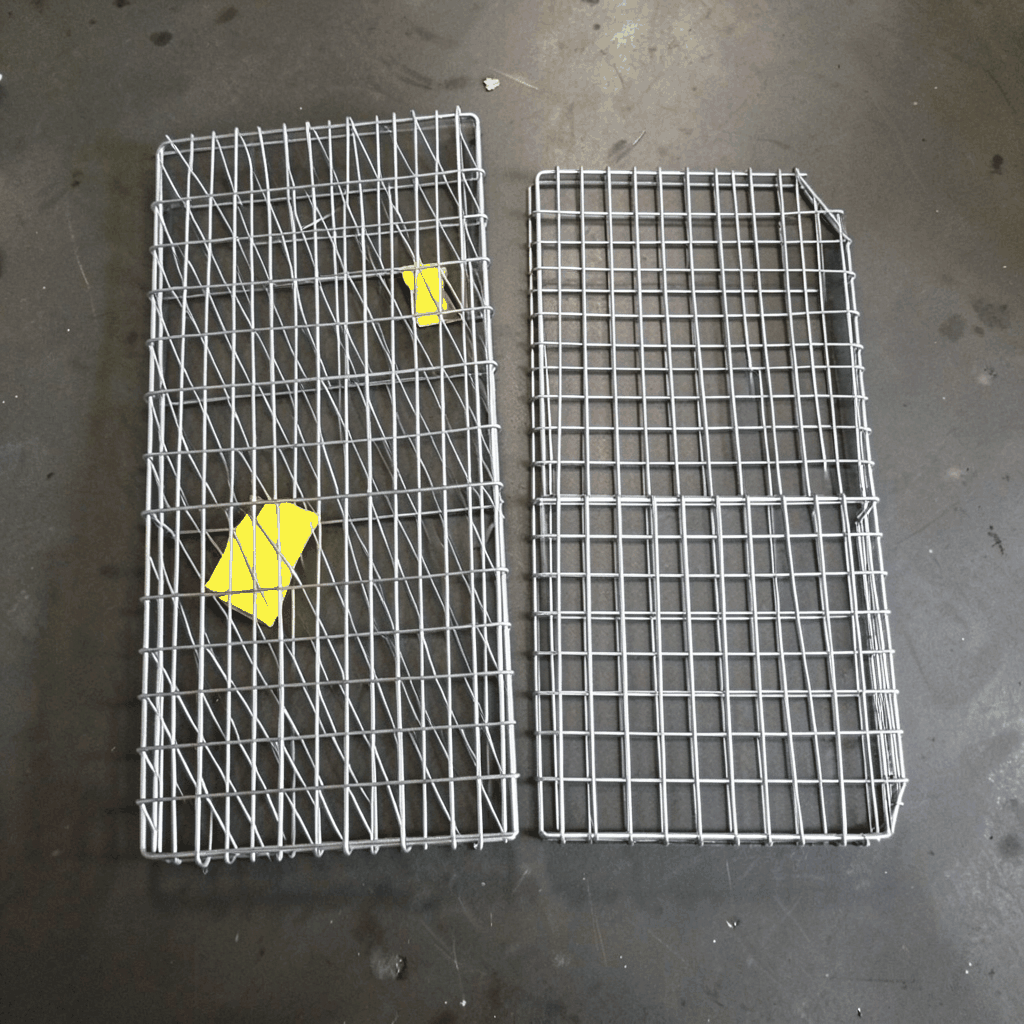
The viewing angle also matters. Expanded metal, woven wire mesh, chain link variations, and decorative woven mesh each present a different surface geometry. Polishing may emphasize the regularity of woven wires, while a dark powder coating can unify the pattern into a strong screen. Laser-cut panels with decorative openings often benefit from matte or textured finishes because the cutout design remains clear without excessive glare.
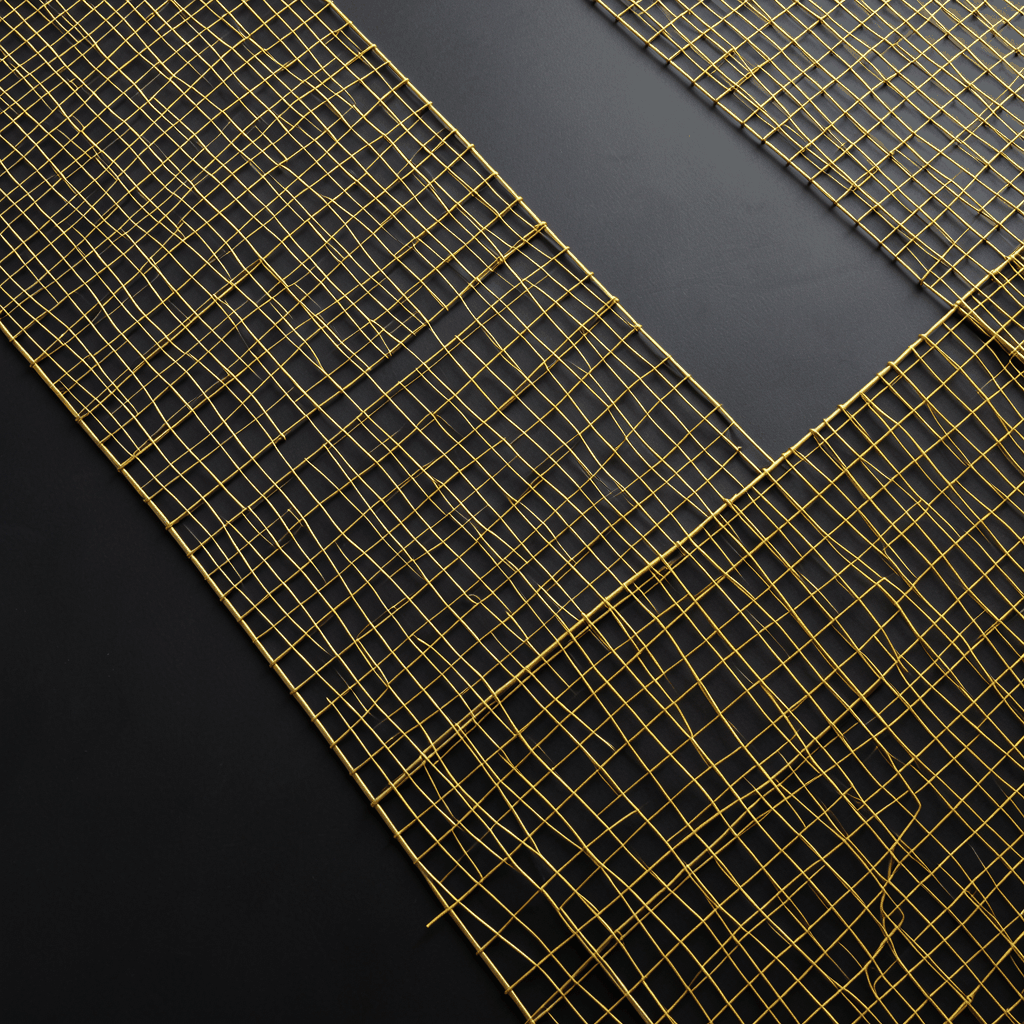
Backlighting can intensify these differences. A warm light behind a bronze or copper-toned screen creates a welcoming glow, while cool white lighting paired with brushed stainless steel supports a precise, technical appearance. Designers should review finish samples in both daylight and intended nighttime lighting before approving a large gate. Small samples cannot reproduce every reflection, but they reveal the basic relationship between color, texture, and illumination.
Comparing popular finish options
The base metal and the finishing method work together. Stainless steel offers inherent corrosion resistance and a naturally technical appearance, while aluminum is lightweight and accepts a wide range of powder-coated colors. Copper develops a changing patina over time, which may be desirable for heritage, landscape, or hospitality settings. Iron and carbon steel can provide substantial structural presence when properly protected against corrosion.
Finishing processes also change the perceived quality of the same material. A uniform powder coat can create a bold architectural color, while electroplating or specialized coating may produce metallic effects. Physical vapor deposition can provide decorative tones such as champagne, black, bronze, or gold on suitable substrates. The correct choice depends on exposure, substrate preparation, gate hardware, cleaning routines, and the desired design life.
| Finish type | Visual character | Common materials | Suitable applications | Maintenance considerations |
|---|---|---|---|---|
| Polished | Bright, reflective, luxurious | Stainless steel, aluminum, copper | Premium entrances, interiors, retail façades | Shows fingerprints, water spots, and fine scratches |
| Brushed or satin | Soft, refined, low-glare | Stainless steel, aluminum | Offices, hotels, residences, elevator areas | Relatively easy to clean; brush direction should be preserved |
| Matte powder coat | Solid, contemporary, controlled | Aluminum, iron, steel | Homes, commercial façades, municipal gates | Color selection should account for UV exposure and surface wear |
| Textured powder coat | Tactile, durable, visually forgiving | Aluminum, steel, iron | Outdoor gates, fences, public projects | Texture can hide minor marks but may retain dirt |
| Bronze or copper tone | Warm, decorative, distinctive | Copper, coated aluminum, stainless steel | Hospitality, heritage-inspired, landscape projects | Patina and color consistency should be defined in advance |
| Dark metallic or PVD-style finish | Dramatic, precise, premium | Stainless steel and compatible substrates | Luxury interiors, feature entrances | Requires suitable cleaning products and careful handling |
The table illustrates why a finish should be selected as part of the complete gate specification. A visually attractive coating may be unsuitable for heavy-contact areas if it reveals scratches easily. Conversely, a highly practical textured coating may not provide the refined appearance required for a hotel lobby or luxury residence.
Choosing finishes for different architectural settings
Residential gates often benefit from finishes that support the character of the home without dominating the façade. Satin stainless steel works well with minimalist architecture, while black, bronze, or dark gray powder coating can complement brick, timber, or rendered walls. For garden entrances, a muted green, brown, or weathered-metal effect may connect the gate to planting and natural materials.
Commercial buildings usually require a more controlled and repeatable appearance. Brushed stainless steel and neutral powder-coated aluminum are suitable for offices, shopping centers, and apartment developments because they coordinate easily with curtain walls, stone cladding, and signage. A consistent finish across gates, guardrails, screens, and elevator cladding can create a unified visual language throughout the property.
Hospitality and cultural projects have more freedom to use expressive finishes. Warm copper tones, champagne metallics, deep bronze, and custom colors can turn a decorative mesh gate into part of the visitor experience. A patterned gate may echo a brand identity, local craft tradition, or interior material palette. In these settings, finish variation, edge detailing, and controlled lighting can be as important as the mesh pattern itself.
Municipal and industrial applications typically prioritize long service life, visibility, and manageable maintenance. Durable powder coating, galvanized protection, or appropriately specified stainless steel can preserve the appearance of fences, access gates, and protective screens in demanding environments. The most attractive solution is the one that remains stable after repeated use, cleaning, weather exposure, and contact with surrounding equipment.
Coordinating finish with mesh pattern and hardware
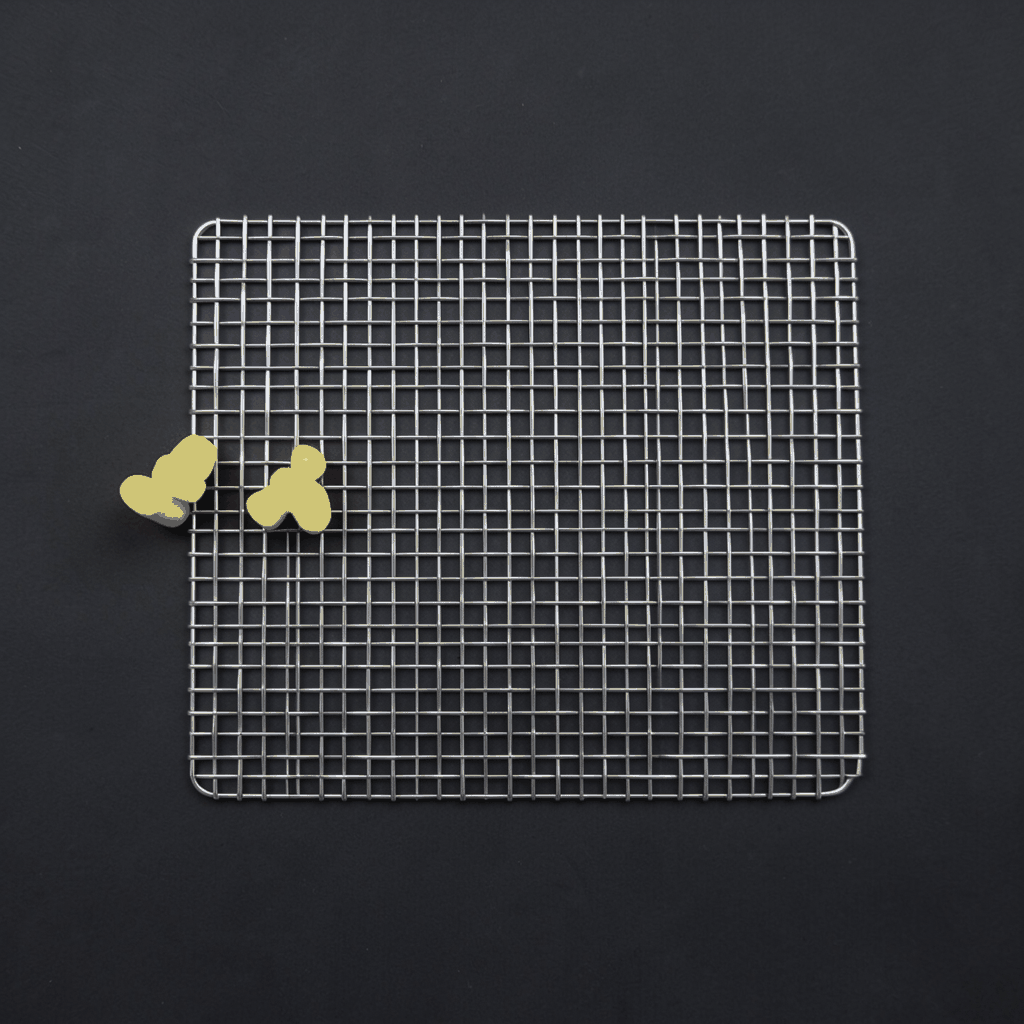
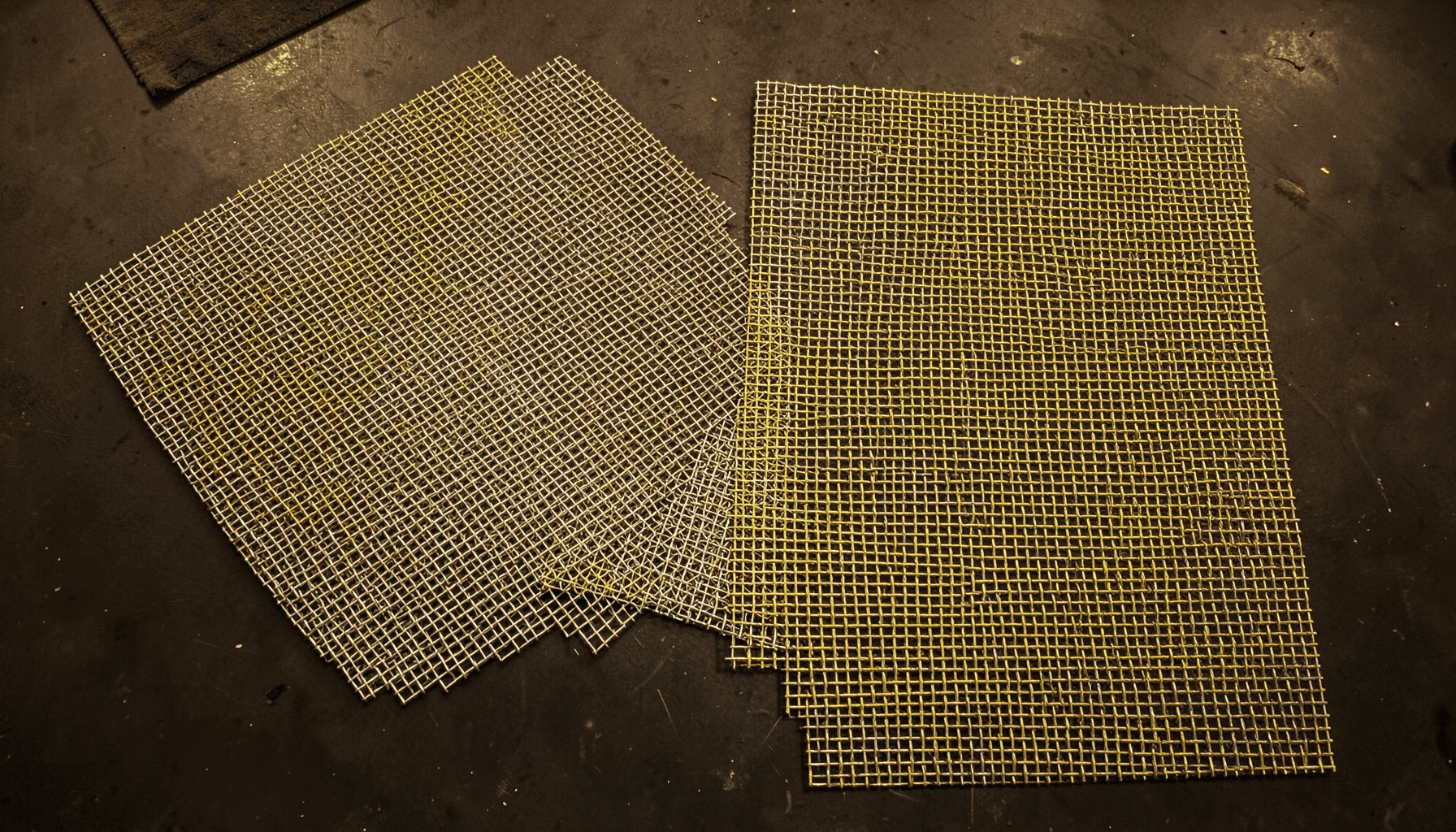
The density of the mesh influences how strongly a finish is perceived. Fine woven mesh has many small reflective surfaces, so a polished or metallic finish can produce a lively shimmer. Coarser mesh presents larger gaps and stronger lines; dark matte coatings often make this geometry appear bold and orderly. Perforated and laser-cut panels allow the finish to emphasize either the solid surface or the negative space, depending on color and lighting.
Gate frames, hinges, handles, locks, and posts should be considered at the same time as the mesh infill. A stainless steel mesh set inside a black frame can create a deliberate two-tone composition, while matching every component creates a quieter, more seamless result. Hardware with a different sheen may become an unintended focal point, particularly on a small pedestrian gate viewed at close range.
Contrast can be used to improve wayfinding and safety. A dark mesh panel against a lighter frame may clarify the gate boundary, while a metallic handle can be easier to locate on a matte surface. For larger vehicular gates, contrast between the moving panel and fixed posts can help communicate the opening line. These functional benefits should be coordinated with the desired decorative effect rather than added after fabrication.
Recommendations for a balanced specification
A successful finish specification combines visual intent with site performance. Before production, the project team should define the substrate, coating system, gloss level, color reference, edge treatment, fastener finish, and cleaning requirements. Factory samples or small mock-ups help reveal differences between digital color images and actual metal surfaces.
- Select the finish after reviewing the gate beside the façade, paving, lighting, and nearby metalwork.
- Use brushed or textured surfaces where fingerprints, glare, or minor contact marks are likely.
- Confirm corrosion protection for coastal, humid, industrial, or polluted environments.
- Match the finish of frames, posts, hardware, and adjacent mesh products unless contrast is intentional.
- Approve a physical sample that shows the actual substrate, coating, pattern, and edge detail together.
Color stability and repairability also deserve attention. Outdoor gates may experience ultraviolet radiation, rain, airborne pollutants, salt, and abrasion from daily operation. A coating supplier or metal mesh manufacturer can advise whether the selected finish is appropriate for the exposure category. Where a gate will be repaired or expanded later, recording the finish code and production method helps maintain a consistent appearance.
The surface should be cleaned according to the material and coating system. Stainless steel generally benefits from mild, non-abrasive cleaning, while powder-coated surfaces should not be treated with harsh solvents or aggressive pads. Copper and decorative patinated finishes may require a different maintenance approach because their character can develop over time. Clear project documentation protects both the appearance and the service life of the installation.
A decorative mesh gate succeeds when its finish supports the architecture, communicates the intended level of privacy and security, and remains attractive under real operating conditions. Polished metal can bring brightness and prestige, satin surfaces can provide calm refinement, and dark or colored coatings can add depth and identity. The best choice is shaped by material, pattern, lighting, climate, and use rather than by color alone.
For a customized solution, Shuo Ke Wire Mesh Product Technology Co., Ltd. can help coordinate metal selection, mesh design, surface treatment, fabrication, and application requirements. Share the gate dimensions, preferred pattern, site environment, and architectural finish palette to develop a decorative mesh gate that delivers both lasting performance and a deliberate visual impact.