The Aesthetic Of Weathered Copper Mesh In Modern Architecture
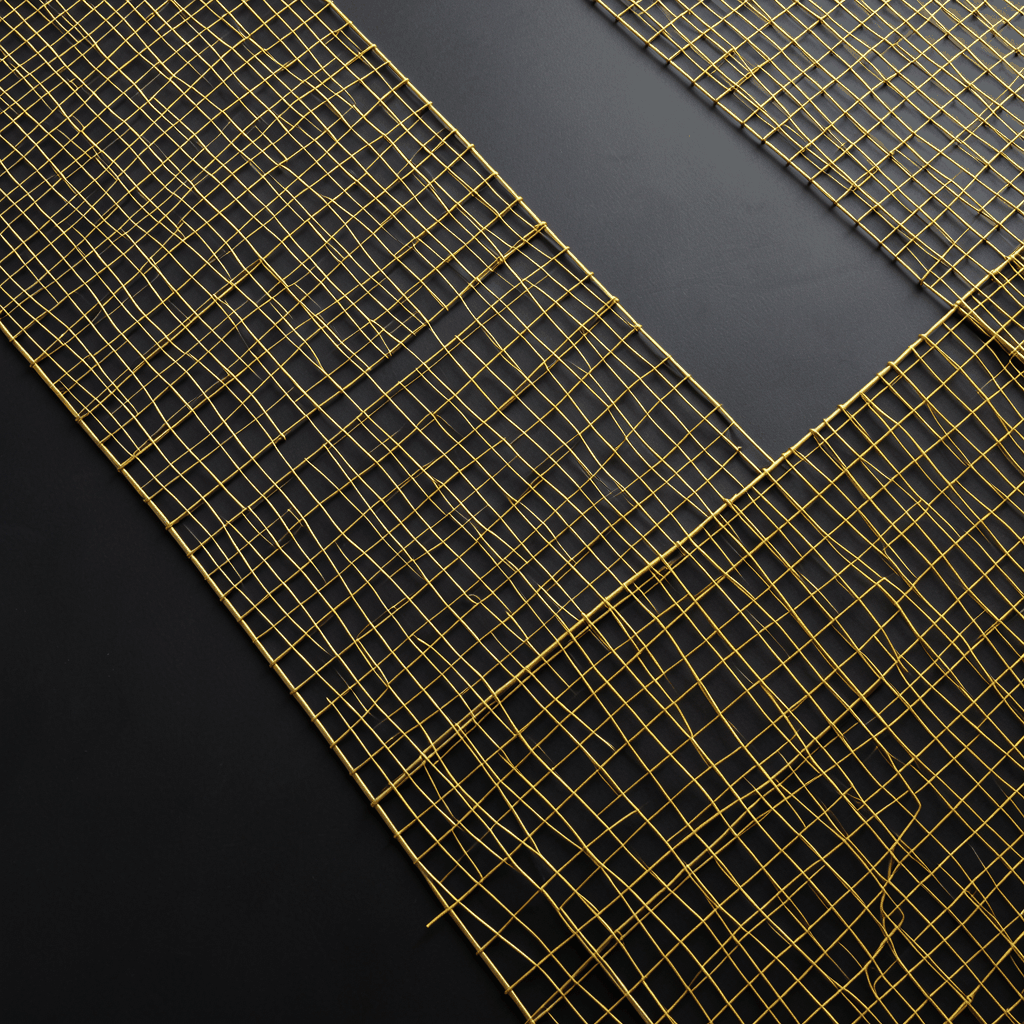
Weathered copper mesh brings warmth, texture, and changing colour to contemporary buildings. Its surface can move from bright metallic orange to russet, deep brown, and muted green as the copper reacts with air, moisture, salts, and pollutants. This gradual transformation gives an architectural façade a sense of time without sacrificing the precision of a modern material.
For Australian architects, builders, and property owners, copper mesh offers a practical way to soften glass, concrete, and steel. It can be used for façades, privacy screens, balustrades, ceiling features, partitions, gates, and decorative cladding. When the mesh specification matches the exposure, fixing method, and maintenance requirements, its natural patina becomes part of the building’s design rather than an unwanted sign of ageing.
Why Patinated Copper Suits Contemporary Design
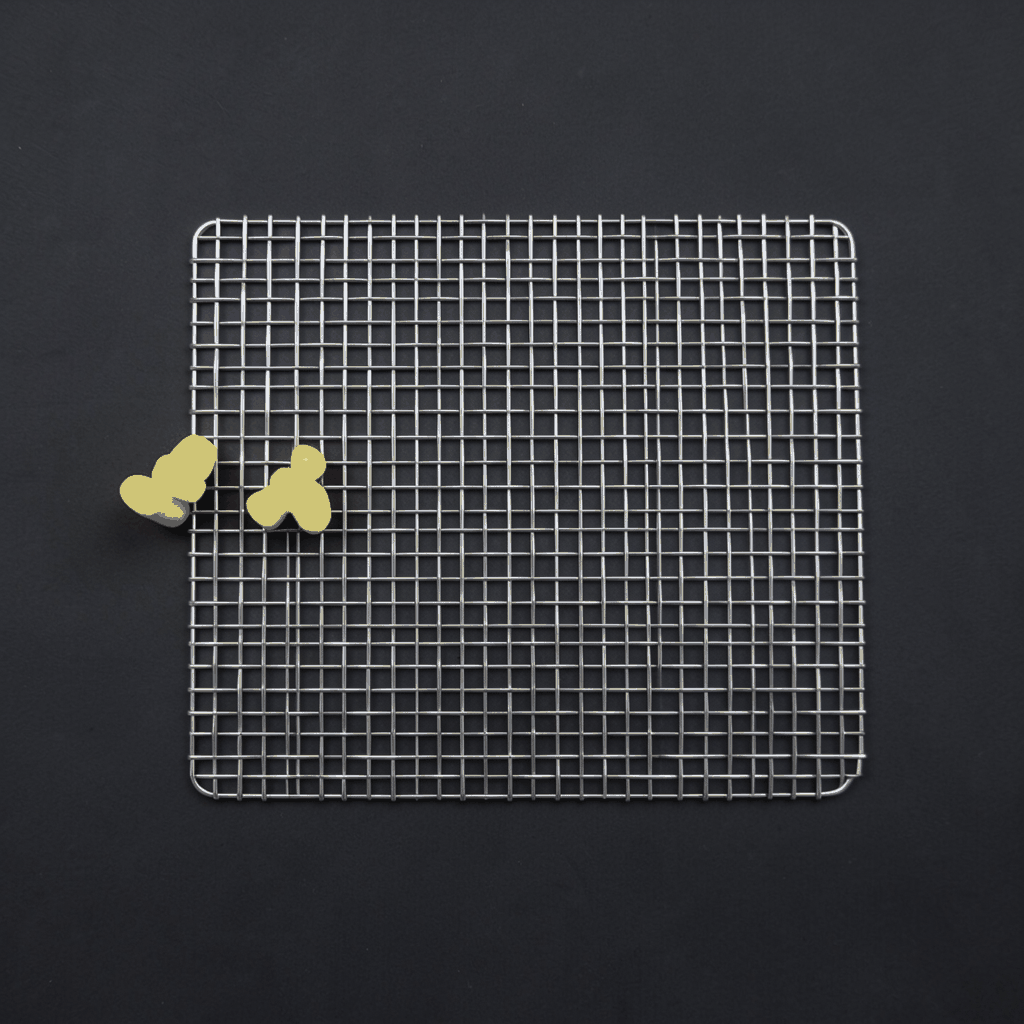
The appeal of weathered copper lies in its visual movement. A flat painted panel usually keeps a consistent colour, while copper develops a layered surface that changes with daylight and the surrounding environment. Fine wire openings add transparency, allowing a wall or screen to appear solid from a distance while remaining visually light at close range.
Architects often use copper mesh to introduce contrast. It can sit against pale concrete in a civic building, frame timber in a hospitality project, or bring a warmer note to a commercial interior dominated by glass and polished stone. The material also works with industrial design language because its woven structure reveals how it is made. This combination of craft, engineering, and colour makes copper suitable for both heritage-inspired and sharply contemporary architecture.
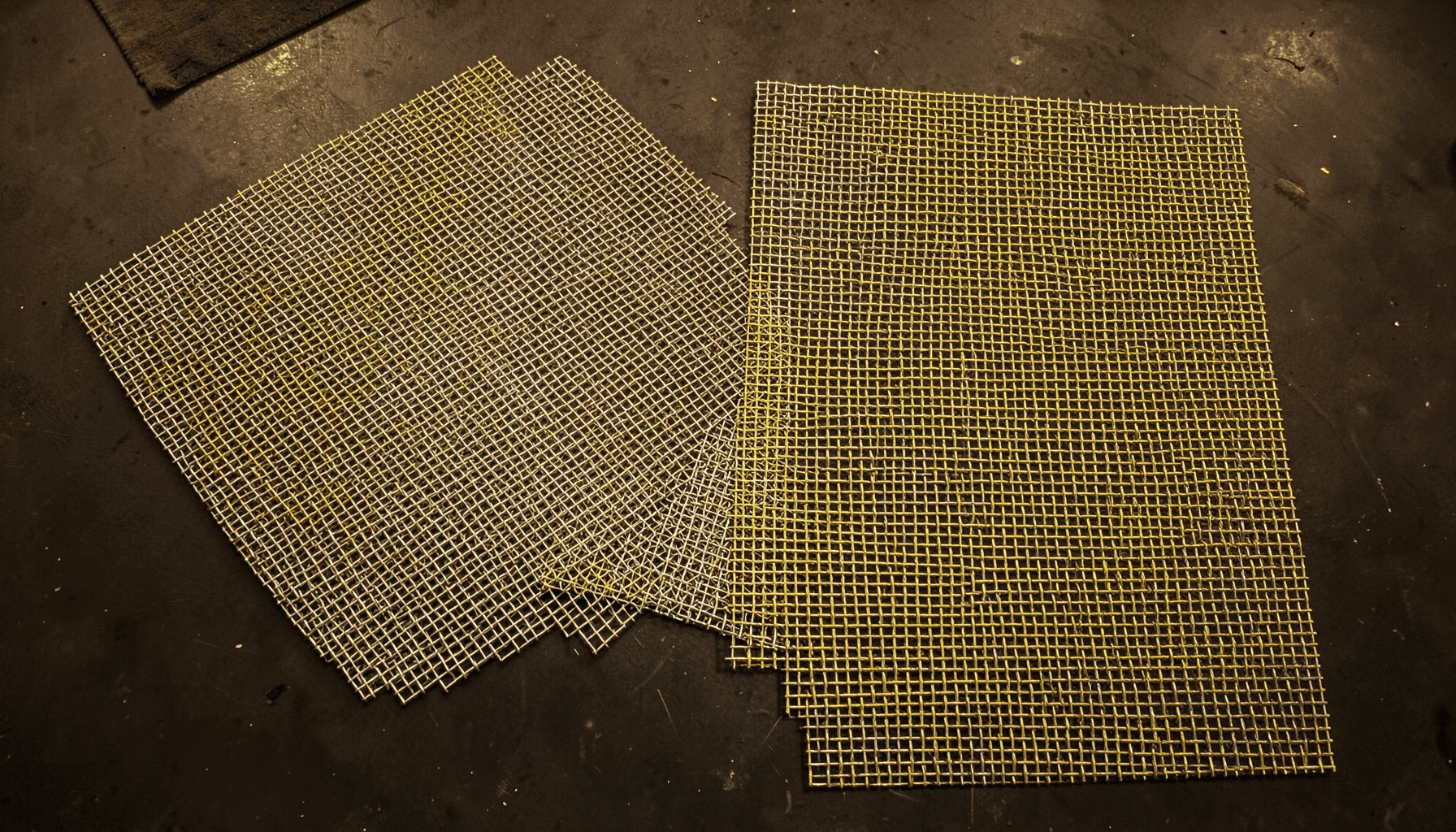
The scale of the mesh affects the overall impression. Small apertures create a denser veil with stronger privacy and solar-filtering qualities. Larger openings emphasise the pattern of the weave and preserve more views through the screen. Plain weave, twill, and special woven configurations can produce different degrees of rigidity, shadow, and reflectivity, giving designers options beyond a conventional sheet façade.
Copper’s natural oxidation is particularly valuable where a project needs to feel established rather than newly installed. A restaurant in Melbourne, a boutique hotel in Hobart, or a landscaped residential development in Brisbane can use a copper screen to connect a new structure with surrounding brickwork, vegetation, and aged masonry. The patina makes the surface more responsive to its setting.
Climate, Exposure, And The Australian Context
Australia’s climate makes material selection highly site-specific. A copper mesh façade in coastal Sydney or Perth may be exposed to salt-laden air, while a project in Darwin must account for intense humidity and seasonal rainfall. In Adelaide and inland New South Wales, strong sun, dust, and large temperature changes can influence the appearance and fixing performance of exposed metalwork.
The patina itself is generally a protective layer, but that does not mean every copper installation can be designed without environmental assessment. Runoff from copper surfaces may stain porous paving, light-coloured concrete, or rendered walls. A competent design should direct water away from vulnerable finishes and consider drainage details before the mesh is installed.
Orientation also matters. A north- or west-facing screen may experience stronger ultraviolet exposure and faster drying after rain. A sheltered recess can retain moisture and airborne debris for longer. Architects may choose a framed panel system, a tensioned curtain, or a folded mesh element depending on wind loads, cleaning access, and the desired degree of movement.
Australian projects must also respond to local planning and construction requirements. The National Construction Code influences fire, weatherproofing, access, and safety decisions, while state and territory rules can affect balustrade heights, openings, pedestrian protection, and bushfire design. In bushfire-prone areas, the full assembly should be reviewed rather than treating the copper mesh as an isolated decorative layer. Engineering documentation, secure fixings, and suitable backing materials are essential.
For everyday users, comfort can be just as important as compliance. A mesh screen outside a café in Melbourne can reduce glare and create a more comfortable edge for outdoor seating. In Queensland, a ventilated copper partition may preserve airflow while giving a pool, courtyard, or apartment terrace greater privacy. These practical benefits help the material earn its place in a project.
Applications From Façades To Interior Screens
Copper mesh is effective as a second skin over a building envelope. Installed in panels or continuous curtains, it can filter views, break up large elevations, and provide a changing surface across the day. It may be used in front of glazing to reduce visual exposure while preserving daylight, although solar performance should be assessed with the complete façade system rather than estimated from mesh appearance alone.
In residential architecture, a weathered copper screen can separate a front entry from the street, conceal services, or create privacy around a balcony. Australians commonly value shaded outdoor areas, and a carefully positioned screen can help define a verandah, courtyard, or alfresco zone without making it feel enclosed. The open weave supports air movement, which is especially useful in warmer regions where occupants rely on natural ventilation.
Commercial and hospitality projects use copper mesh to establish identity. A branded reception wall, bar front, stair balustrade, or retail display can gain visual depth without the weight of a solid copper sheet. In a busy Sydney or Melbourne venue, however, designers should consider contact points and cleaning routines. A heavily handled surface may require a protective clear finish, a framed insert, or a specification that accepts gradual variation.
Interior applications can combine copper with acoustic backing, timber, glass, or blackened steel. Suspended mesh curtains can divide a lobby while preserving sightlines, and woven panels can conceal plant rooms or lift equipment. Where a copper-coloured feature is desired without natural oxidation, pre-patinated copper or a copper alloy with a controlled finish may offer greater consistency.
Lift interiors and other high-contact areas require a more robust specification. Scratches, cleaning chemicals, luggage, and frequent impact can quickly affect delicate finishes. Stainless steel can be a better choice where durability and hygiene dominate, as shown by these stainless steel panels designed for demanding elevator environments. Copper mesh remains highly effective in adjacent feature areas, low-contact walls, ceiling details, and decorative screens where its colour and texture can be appreciated without excessive abrasion.
Designing For Performance And Longevity
The visual success of copper mesh depends on details that may be hidden after installation. Mesh thickness, aperture, panel size, edge treatment, and support spacing should be selected together. Large unsupported panels can vibrate in wind, while a very fine mesh may collect dust or reduce transparency more than expected. Folded edges, perimeter frames, and intermediate rails can improve stability and create a cleaner architectural finish.
Compatibility between metals also deserves careful attention. Copper in direct contact with aluminium, galvanised steel, or some stainless-steel grades may create galvanic corrosion in damp conditions. Isolating washers, protective coatings, compatible fasteners, and drainage gaps can reduce the risk. The specification should identify every exposed component, not just the visible mesh.
A sample panel is one of the most useful design tools. Copper colour varies between batches, and the rate of patination depends on orientation, rainfall, salt exposure, and pollution. Viewing a sample outdoors in the intended setting provides more reliable information than relying on a small indoor swatch. If the project requires a uniform appearance at handover, a factory-treated surface may be more suitable than naturally developing copper.
Maintenance is usually straightforward but should be planned. Low-pressure washing with clean water may remove dust and salt, while abrasive pads and aggressive acidic cleaners can mark the surface or accelerate unwanted changes. Building managers should record the approved cleaning method and inspect fixings, seals, and frame connections at suitable intervals.
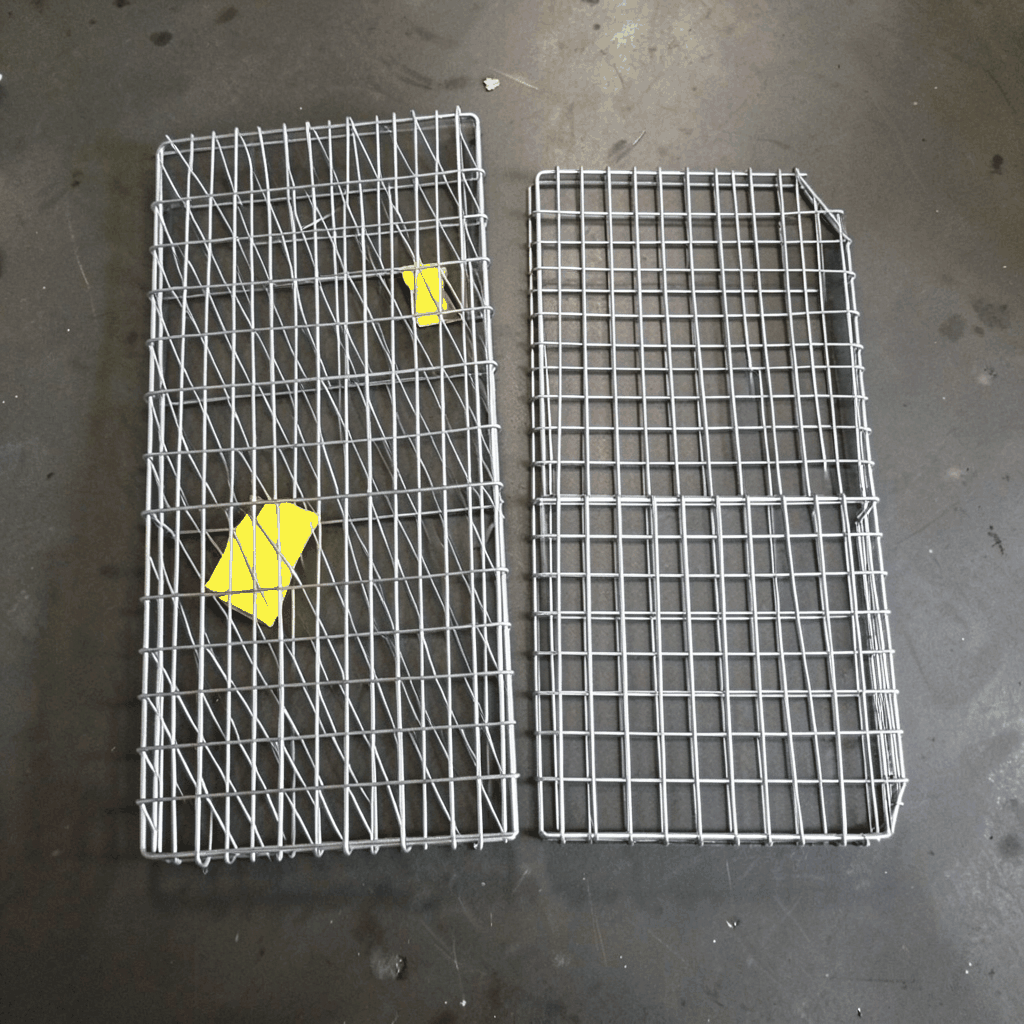
For large projects, fabrication accuracy is as important as the metal itself. Panels need consistent dimensions, clear tolerances, and installation drawings that account for expansion, access, and replacement. A manufacturer experienced in architectural and industrial mesh can help coordinate woven copper, aluminium, stainless steel, iron, and other alloy products with the surrounding construction. Custom processing is valuable when the design includes curved screens, irregular openings, gates, balustrades, or integrated frames.
Creating A Cohesive Material Palette
Weathered copper is strongest when it is connected to the wider palette of a building. Warm timber, terracotta, sandstone, brick, and muted render can reinforce its earthy character. Cool glass, concrete, and dark powder-coated steel create a sharper contrast. The aim is not to match every surface, but to establish a controlled relationship between colour, texture, reflectivity, and shadow.
Landscape design can influence how the patina is perceived. Native grasses, eucalypts, stone paving, and subdued planting may make copper appear naturally grounded in an Australian setting. A high-contrast garden with glossy foliage can make the mesh feel more decorative and refined. In either case, designers should assess the façade at different times of day because low afternoon light can intensify the red and orange tones of the metal.
The material can also support wayfinding and identity. A copper mesh entry canopy may mark the public threshold of a library or community centre, while a series of screens can guide people through a courtyard or transport-linked development. In suburban housing, a copper gate or privacy panel can add distinction without overwhelming the street frontage.
Local market expectations should be considered alongside aesthetics. Australian clients often want materials that age visibly but remain manageable in cost and maintenance. Copper is a premium option, so value can be improved by concentrating it at key elevations, entrances, and public areas rather than covering every surface. Copper-look finishes, mixed-metal schemes, or smaller framed inserts can deliver a similar visual effect where the budget or exposure conditions make solid copper mesh unsuitable.
A well-resolved design also respects the building’s context. In a heritage precinct, the mesh may need to sit behind an existing façade or use a restrained aperture and finish. In a new coastal apartment project, the design may require extra attention to salt, runoff, and cleaning. In a civic or commercial setting, the screen should be robust enough for daily public contact and easy for facilities staff to inspect.
Shuo Ke Wire Mesh Product Technology Co., Ltd. produces decorative and industrial mesh solutions for architectural, residential, commercial, and municipal use. Its capability across curtains, partitions, cladding, screens, fences, gates, guardrails, filters, baskets, and barbecue mesh supports projects that require both visual character and practical fabrication. Custom sizing, material selection, and processing can help translate a copper-mesh concept into a buildable system.
A considered copper installation becomes more than a decorative surface. It manages privacy, shade, movement, texture, and identity while developing a finish that records the building’s exposure to place and time. For Australian architecture, that combination of climate response, material honesty, and adaptable design makes weathered copper mesh a compelling choice for façades and interiors.
Bring a durable, distinctive metal feature into your next project with a copper mesh specification developed around the site, climate, fixing method, and desired patina. Contact Shuo Ke Wire Mesh Product Technology Co., Ltd. to discuss custom architectural mesh panels, curtains, screens, partitions, gates, and cladding for Australian residential, commercial, and municipal applications.