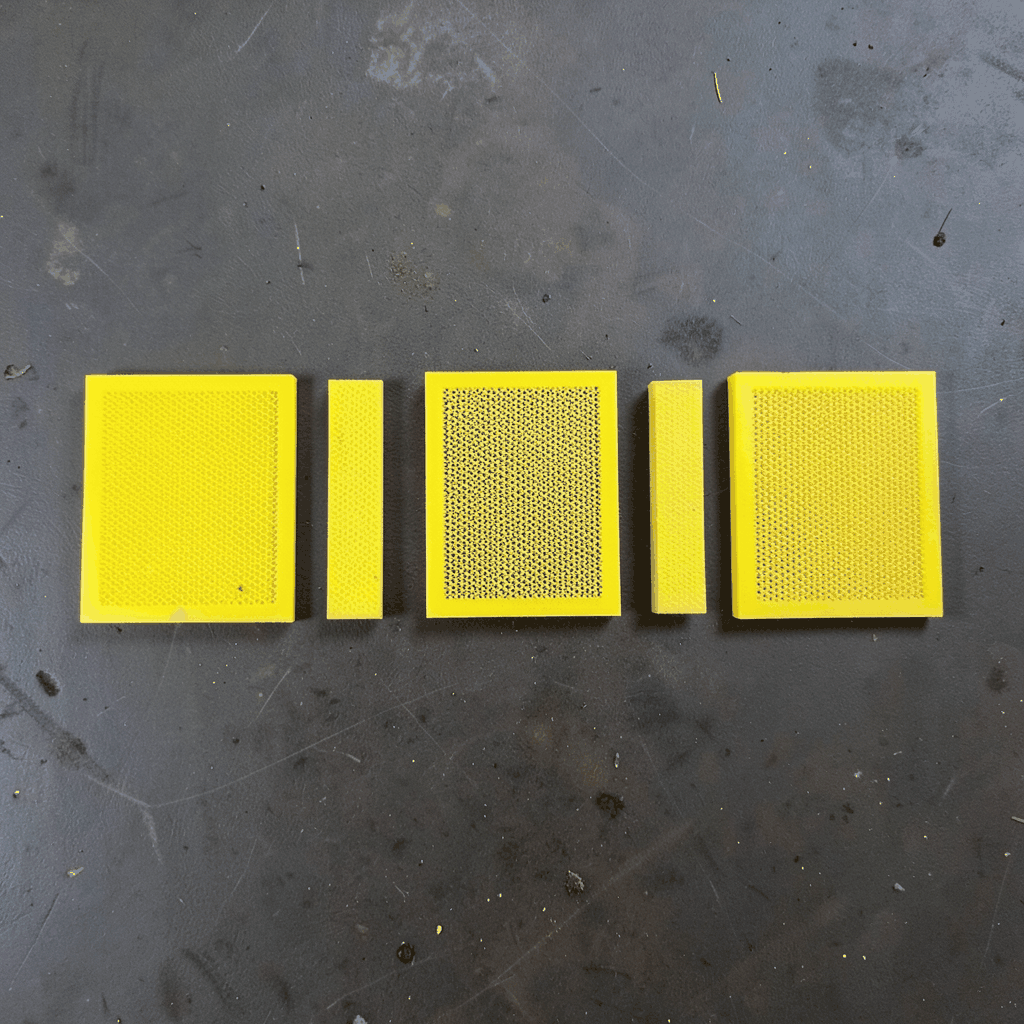
The Art of Laser-Cut Patterns in Architectural Metal Screens
Architectural metal screens occupy a distinctive space between structure, decoration, and environmental control. A precisely cut panel can define a room, soften daylight, conceal services, protect a façade, or create a memorable identity for a commercial building. Its visual effect comes from the relationship between solid metal and carefully calculated openings.
Laser cutting has expanded the creative possibilities of these screens. Designers can work with geometric grids, botanical forms, flowing lines, custom logos, cultural motifs, and highly detailed illustrations while maintaining consistent accuracy across a complete installation. The result is a product that combines digital precision with the tactile character of metal.
For manufacturers such as Shuo Ke Wire Mesh Product Technology Co., Ltd., successful screen production requires more than transferring a drawing to a cutting machine. Material selection, panel size, edge treatment, structural support, surface finish, and installation conditions all influence the final performance. A strong design therefore begins with artistic intent and develops through practical engineering.
How Pattern Becomes Architectural Character
A laser-cut screen can communicate a building’s purpose before visitors enter it. Repeated vertical lines may suggest movement and height in a lobby, while organic perforations can make a healthcare or hospitality environment feel calmer. Dense geometric motifs create privacy and visual weight; open patterns allow light and sightlines to pass freely.
Pattern scale has a direct effect on how a screen is perceived. Large openings produce a bold, graphic appearance and preserve transparency across a space. Smaller perforations create a softer veil, especially when the panel is installed in front of lighting, glazing, or a contrasting wall. Designers often combine several scales to create depth without adding physical layers.
The relationship between the pattern and its frame is equally important. A well-composed panel gives the design enough margin to remain legible near the edges and leaves room for fixing points. If the artwork extends too close to a cut boundary, the screen may appear visually crowded or lose strength during fabrication. Thoughtful composition protects both the aesthetic rhythm and the panel’s structural integrity.
From Digital Drawing To Precise Metalwork
The design process usually begins with a vector drawing or CAD file. Unlike a simple printed graphic, a laser-cut pattern must be prepared as a continuous, manufacturable geometry. Designers need to review line intersections, narrow bridges, internal corners, minimum hole sizes, and the amount of remaining metal between adjacent openings.
Scale is tested before production because a pattern that looks elegant on a screen may become fragile when enlarged or reduced. Fine details can disappear after powder coating, polishing, or viewing from a distance. A prototype, sample panel, or scaled rendering helps confirm how the pattern will behave under actual lighting and from the intended viewing angle.
The cutting sequence also influences the result. Heat generated during laser processing can affect thin sheets, particularly when a design contains many closely spaced openings. Optimized tool paths, suitable cutting parameters, and appropriate sheet thickness help reduce distortion and maintain clean edges. Experienced fabrication teams assess the drawing as both artwork and production data.
Custom branding is another important application. A company emblem, directional motif, or repeating identity pattern can be incorporated into a screen without making the installation appear like ordinary signage. By controlling repetition, density, and viewing distance, a logo can become part of the architectural surface rather than an added graphic.
Materials That Shape The Finished Effect
Stainless steel is widely selected for exterior façades, elevator surrounds, entrances, and high-traffic interiors. Its corrosion resistance and clean appearance support long service life, while brushed, mirror, bead-blasted, or colored finishes can produce very different moods. Stainless steel also suits projects where hygiene, durability, and low maintenance are important.
Aluminum offers a lighter alternative for suspended screens, ceiling features, room dividers, and façade elements where reduced dead load is valuable. It accepts powder coating and other decorative treatments in a broad range of colors. Copper and weathering-sensitive alloys bring warmth and changing surface character, making them attractive for feature walls and hospitality settings.
Iron and mild steel remain useful for robust partitions, gates, fences, guardrails, and industrial interiors. These materials can be coated for improved corrosion protection and customized with durable colors. The correct choice depends on exposure, load, cleaning requirements, budget, and the visual relationship between the screen and surrounding finishes.
A manufacturer should also consider how the material interacts with the supporting structure. Panel thickness, span, wind exposure, fixing method, and expected impact all affect the specification. A decorative screen may need a perimeter frame, intermediate stiffeners, folded edges, or concealed brackets to remain stable while preserving a clean visual appearance.
Matching Pattern, Material, And Finish
The following combinations illustrate how design decisions can support different architectural goals. Actual specifications should be adjusted to the panel dimensions, environment, and installation system.
| Design Objective | Suitable Material | Pattern Direction | Finish Options | Typical Applications |
|---|---|---|---|---|
| Bright, durable contemporary surface | Stainless steel | Linear, geometric, or abstract | Brushed, mirror, PVD, bead-blasted | Elevator cladding, lobbies, façade accents |
| Lightweight visual divider | Aluminum | Open organic or repeating motif | Powder coating, anodized finish | Offices, retail interiors, ceilings |
| Warm decorative statement | Copper or copper-colored alloy | Botanical, flowing, or custom art | Natural, polished, patinated, colored | Hotels, restaurants, feature walls |
| Strong external barrier | Mild steel or iron | Bold geometric or privacy-focused | Galvanized, powder coated, painted | Gates, fences, guardrails |
| Controlled daylight and privacy | Stainless steel or aluminum | Medium-density perforation | Matte, colored, or metallic finish | Windows, façades, partitions |
| Industrial filtration or utility use | Stainless steel or steel | Functional perforation or mesh pattern | Plain, polished, or protective coating | Filters, baskets, equipment screens |
Finish selection changes how much attention the pattern receives. A mirror surface emphasizes reflections and can make a lobby feel more expansive, while a matte coating reduces glare and presents the cut geometry more clearly. Dark finishes often make openings appear deeper, whereas light metallic finishes create a brighter and more transparent effect.
Backlighting can turn a screen into a luminous architectural feature. When a light source is placed behind the panel, the cutouts become part of the composition and can project shadows onto floors, walls, or ceilings. The distance between the screen and the light source affects shadow sharpness, so this detail should be coordinated during design rather than added after fabrication.
Where Laser-Cut Screens Perform Best
In commercial interiors, laser-cut panels can organize circulation without creating heavy visual barriers. They are used for reception backdrops, retail displays, restaurant partitions, elevator lobbies, stair enclosures, and decorative ceiling inserts. A screen can separate functions while retaining air movement and a sense of connection between zones.
Façades and exterior walls benefit from patterned metal cladding that controls sunlight and adds depth to a flat elevation. A perforated outer layer can shade glazing, reduce direct glare, and provide a changing appearance as daylight moves across the building. For these applications, corrosion resistance, drainage, access for maintenance, and wind-load performance must be addressed in the detailing.
Residential projects often use custom panels for balconies, entry gates, privacy screens, room dividers, and garden boundaries. A repeated motif can connect indoor and outdoor spaces, while a more artistic design can create a focal point around a staircase or courtyard. The pattern should be selected with neighboring views and nighttime lighting in mind.
Municipal and infrastructure projects may require a balance of security and public identity. Laser-cut fences, protective barriers, transit screens, and utility enclosures can use local symbols, landscape references, or abstract civic graphics. In these settings, robust construction and easy maintenance are essential because the screen must withstand frequent contact and changing weather conditions.
Details That Protect Long-Term Performance
A successful installation begins with accurate site information. Panel width and height, support locations, expansion allowances, access requirements, and nearby materials should be documented before the final drawing is approved. Small errors in measurement can become highly visible when a continuous pattern runs across multiple panels.
Joint planning is especially important for large installations. The artwork may need to align from one panel to the next, even when the panels are separated by frames or structural breaks. A fabrication team can divide the pattern into coordinated sections, label every component, and provide installation drawings that reduce confusion on site.
Edges deserve careful attention because they affect safety, appearance, and handling. Laser-cut parts can be deburred, ground, folded, framed, or fitted with protective trims according to the application. In public areas, exposed edges should be treated so that the finished screen is comfortable to touch and compliant with relevant project requirements.
Maintenance should be considered alongside visual design. Outdoor screens may need drainage paths and finishes that resist moisture, salt, or pollution. Interior screens should allow access for cleaning and inspection, particularly when installed near food preparation areas, elevators, or mechanical equipment. A durable coating and sensible pattern density can preserve the intended appearance for years.
Practical Recommendations For A Stronger Design
- Define the screen’s primary function before developing the artwork, whether it is privacy, shading, security, wayfinding, decoration, or spatial division.
- Select the metal and surface finish according to exposure, cleaning conditions, structural demands, and the surrounding architectural palette.
- Test the pattern at its actual production scale to check opening size, remaining bridges, edge strength, transparency, and shadow behavior.
- Coordinate panel joints, frames, brackets, lighting, and maintenance access before releasing the drawing for fabrication.
- Request a material and finish sample when color, reflection, or texture is central to the design concept.
A useful review process brings the architect, fabricator, installer, and project engineer together early. This allows artistic details to be preserved while practical adjustments are still affordable. Minor changes to line thickness, panel orientation, or support placement can prevent substantial revisions later.
It is also valuable to judge the screen in its real context. A pattern viewed from two meters away may need a different density from one seen across a large atrium. Daylight, artificial illumination, background color, and viewing direction all affect the perceived contrast. Digital renderings are helpful, but physical samples provide a more reliable understanding of texture and transparency.
Laser-cut architectural screens show how digital manufacturing can support expressive design without sacrificing function. Their success comes from the interaction of pattern, material, finish, structure, light, and installation. When these elements are developed as one system, a metal panel can become a durable architectural feature rather than a decorative afterthought.
Shuo Ke Wire Mesh Product Technology Co., Ltd. supports customized metal mesh and laser-cut screen projects for residential, commercial, architectural, and municipal environments. Share your pattern, dimensions, material preference, and application requirements with the company’s technical team to develop a screen solution that combines precise fabrication, dependable performance, and distinctive visual character.