Knotted Fence Mesh Benefits For Large Agricultural Holdings
Managing a large agricultural holding requires fencing that can cover long boundaries, control livestock movement, withstand weather, and remain practical to maintain. A fence may cross pasture, woodland, drainage channels, access roads, and uneven ground, so the best solution must perform across changing site conditions rather than in one ideal setting.
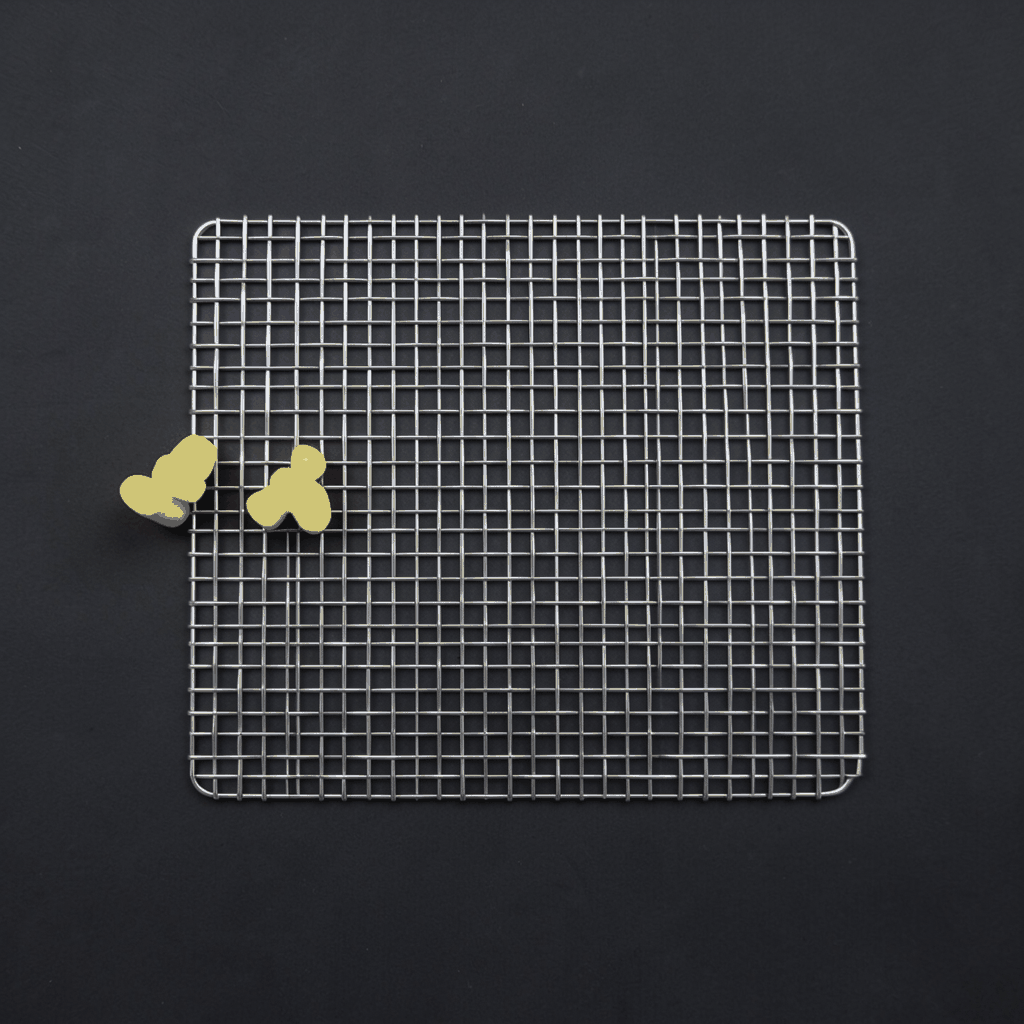
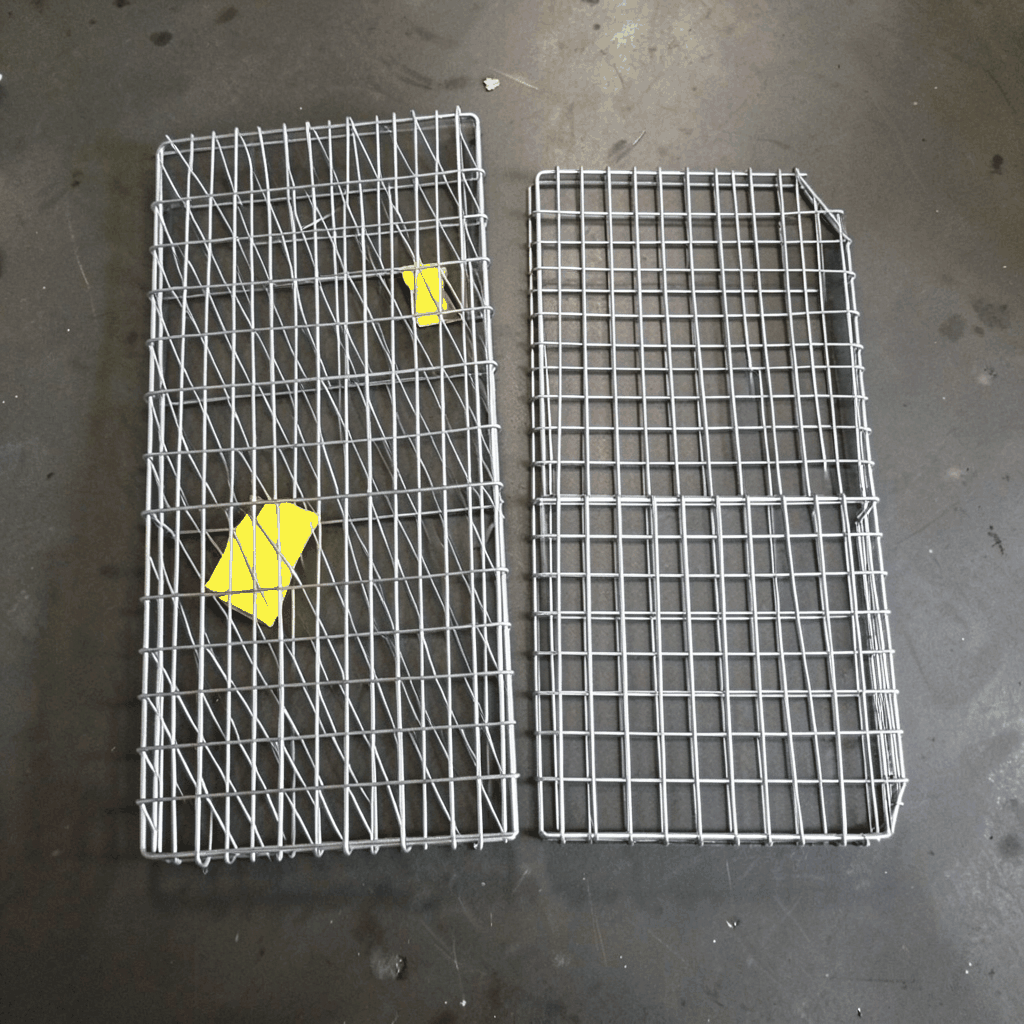
Knotted fence mesh is a woven wire system in which vertical and horizontal wires are secured at their intersections with a tight knot. This construction creates a flexible but stable barrier, making it suitable for livestock enclosures, perimeter boundaries, wildlife management, and divided grazing areas. Mesh dimensions can be selected according to animal size, terrain, security requirements, and the expected level of pressure.
For agricultural operators, the value of this fencing lies in the balance between coverage, durability, and installation efficiency. When manufactured from suitable steel or corrosion-resistant alloys and matched with strong posts, knotted mesh can support a long-term fencing strategy for farms, ranches, estates, and municipal land holdings.
Efficient Coverage Across Extensive Boundaries
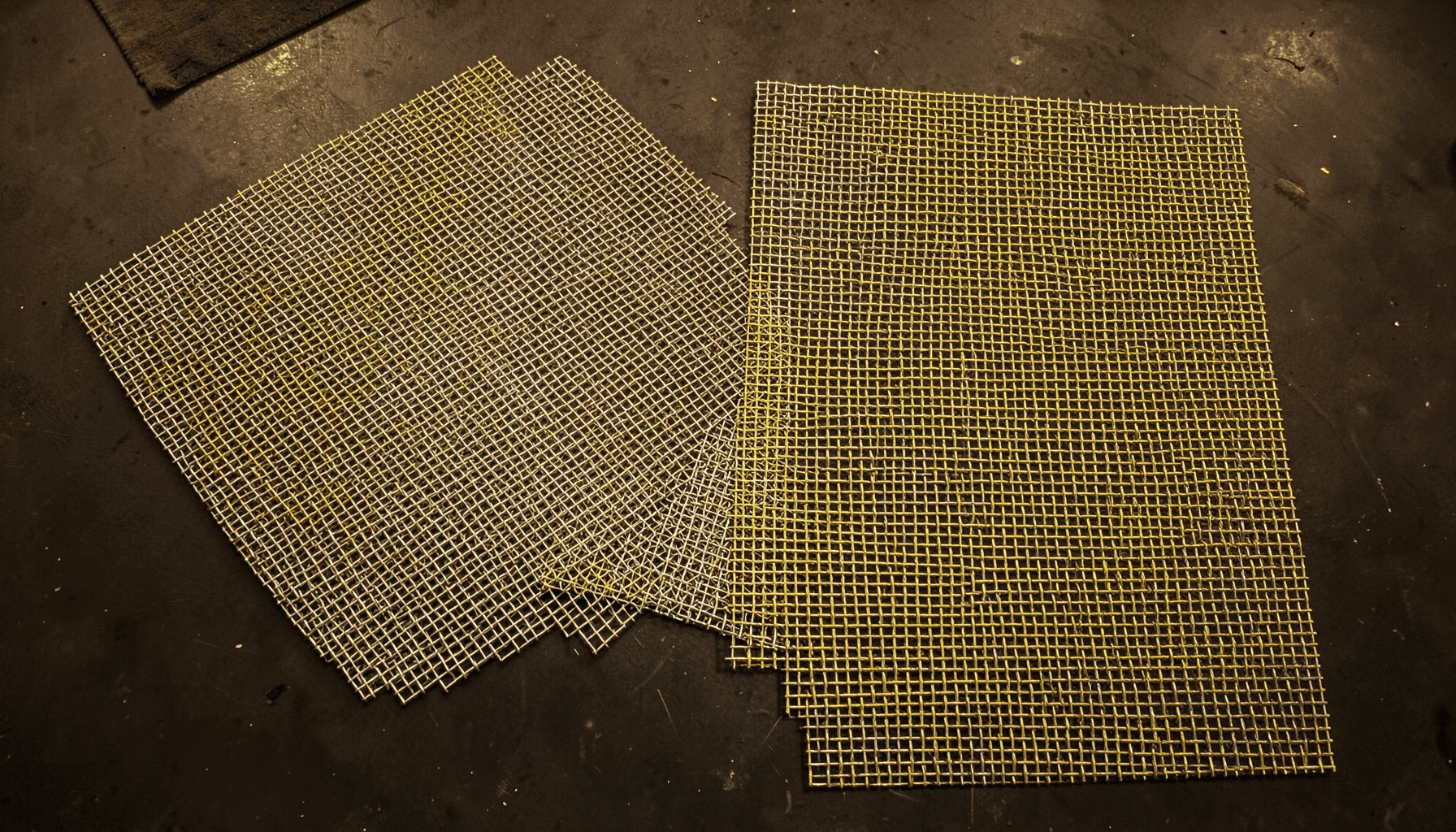
Large properties often involve many kilometers of fencing. A system that is slow to transport, position, or tension can increase labor costs at every stage. Knotted wire mesh is supplied in rolls, allowing installers to move substantial lengths of material along a prepared fence line. This reduces the number of joints compared with short rigid panels and helps create a continuous boundary.
The woven structure also adapts to moderate changes in ground level. It can follow gradual slopes and irregular contours without requiring every section to be custom fabricated. On agricultural land where boundaries pass through pasture, scrub, or lightly wooded areas, this flexibility can simplify layout and reduce unnecessary excavation.
A continuous mesh barrier provides reliable separation between grazing zones, crop fields, service roads, and neighboring properties. It can also be used to establish temporary or semi-permanent paddocks when a holding needs to adjust its land-use pattern during seasonal grazing, breeding, or harvest operations.
Strong Containment With Controlled Flexibility
The knot at each wire intersection helps distribute pressure through the woven grid. If livestock lean against the fence, the load is shared across several horizontal and vertical wires rather than concentrated at a single weak point. The result is a barrier that combines firmness with enough movement to absorb occasional impact.
Different animals require different mesh geometry. Sheep and goats need smaller openings near the ground to reduce the risk of escape, while cattle fencing may use larger vertical spacing and stronger line wires. Specialized wildlife or deer fencing can be made taller, with graduated openings that reduce the chance of animals pushing through or becoming trapped.
Flexibility is especially useful on uneven rural terrain. A rigid panel may leave gaps beneath the lower edge or require extensive leveling. Knotted mesh can be installed closer to the natural profile of the land, improving containment and reducing the visual and practical weaknesses created by uneven ground.
The system still needs correct support. End posts, corner assemblies, straining points, and gateways carry significant loads, particularly on long runs. Properly selected posts and careful tensioning allow the mesh to perform as designed without making it excessively rigid or vulnerable to localized damage.
Material Choices For Agricultural Conditions
The service life of agricultural fencing depends heavily on wire material and surface protection. Galvanized steel is widely used because its zinc coating helps protect the wire from moisture, soil contact, and normal outdoor exposure. For wetter regions, coastal sites, or holdings that require extended corrosion resistance, stainless steel and other specialized alloys may be considered.
Wire diameter is another important design variable. Heavier wire can provide greater resistance to animal pressure, accidental impact, and long-term deformation. Lighter mesh may be suitable for internal divisions or temporary management areas where ease of handling is more important than maximum strength.
The height and spacing of the fence should reflect the application rather than follow a standard specification. A boundary intended to contain cattle has different requirements from a sheep paddock, poultry area, horse enclosure, or wildlife exclusion zone. Graduated mesh, reinforced lower sections, and increased height can address specific containment risks without making every part of the fence unnecessarily expensive.
Environmental details also influence material selection. Persistent dampness, fertilizer exposure, saline air, acidic soils, and contact with vegetation can accelerate deterioration. A manufacturer experienced in custom metal mesh processing can help align the alloy, coating, wire gauge, opening pattern, and roll dimensions with actual site conditions.
| Evaluation Factor | Knotted Fence Mesh | Rigid Wire Panels | Electric Fencing |
|---|---|---|---|
| Large-boundary coverage | Efficient roll-based installation | More joints and transport handling | Fast to deploy over open ground |
| Terrain adaptability | Follows moderate slopes and contours | Requires careful leveling or stepped sections | Adapts easily but may sag |
| Animal containment | Strong physical barrier with suitable spacing | Firm and stable barrier | Depends on power and animal response |
| Maintenance needs | Inspect tension, posts, and corrosion | Inspect panels, welds, and supports | Check energizer, vegetation, and wires |
| Design flexibility | Many heights, gauges, and opening patterns | Limited by panel dimensions | Limited physical restraint |
| Best suited to | Permanent livestock and perimeter fencing | High-impact areas and formal enclosures | Temporary divisions and behavior control |
Installation Across Mixed Rural Terrain
A successful agricultural fence begins with route planning. The installation team should identify property corners, watercourses, steep sections, vehicle crossings, gates, utility corridors, and areas where animals are likely to gather. Clearing only the vegetation required for access helps preserve soil stability and limits unnecessary disturbance.
Posts should be placed according to mesh height, wire weight, terrain, and expected pressure. Corner and end posts generally require stronger anchoring than intermediate supports because they receive the tension generated by long fence runs. Where the route changes direction, a properly braced assembly prevents the mesh from pulling the line out of alignment.
The mesh should be unrolled carefully and fixed progressively so that it remains at the intended height above the ground. Excessive tension can distort the openings or place unnecessary stress on posts, while insufficient tension may create sagging and escape gaps. Gates, culverts, and drainage crossings deserve particular attention because these transition points often become the weakest parts of a perimeter.
Water movement must be preserved. Fencing placed across a drainage route can collect debris, redirect flow, or become damaged during heavy rainfall. In projects involving channels or erosion-prone ground, design teams can review guidance on drainage ditch mesh liners to understand how mesh-based systems interact with water management and soil protection.
Reduced Lifetime Costs Through Practical Maintenance
Knotted mesh fencing has a relatively straightforward maintenance routine. Regular inspections should check for broken wires, loose knots, bent posts, corrosion, fallen branches, animal digging, and damage caused by vehicles or farm machinery. Finding small defects early is generally less expensive than replacing a long section after a failure has spread.
Vegetation management is equally important. Vines and heavy growth can add weight to the fence, trap moisture, and conceal damaged areas. Grass and weeds should be controlled around gates and inspection points, while trees should be monitored so that falling limbs do not place repeated impact on the mesh.
Agricultural holdings can divide maintenance into seasonal cycles. Before livestock are moved into a new field, operators can inspect the lower mesh, corners, water crossings, and gates. After storms or periods of heavy snow, a targeted check of exposed boundaries can identify tension loss or post movement before animals reach the affected section.
Repairability is another cost advantage. In many cases, a damaged segment can be cut out and replaced without removing the entire fence line. Keeping compatible repair wire, fasteners, and basic tools on site helps farm staff respond quickly to isolated damage and maintain continuous animal control.
Supporting Biosecurity And Land Management
A well-designed boundary contributes to more than physical containment. It can help separate different animal groups, reduce uncontrolled contact between herds, and support planned movement through rotational grazing systems. Clear separation between livestock, crops, storage areas, and public access routes can also improve daily farm operations.
For mixed-use estates, knotted mesh can define zones with different levels of access. A tall wildlife fence may protect young trees or high-value crops, while a smaller livestock mesh can organize pasture. Additional screening or a secondary internal line may be used where farm activities take place close to residences, visitor areas, or roads.
The open mesh pattern preserves visibility across the property. Staff can monitor animals and inspect boundaries without the visual obstruction associated with solid fencing. Open construction can also reduce wind loading compared with broad sheet barriers, which is useful on exposed agricultural sites.
In conservation-focused applications, mesh spacing should be selected carefully to reduce entanglement risks and allow appropriate wildlife passage where required. Fence height, visibility markers, and the location of gateways should reflect local species and land-management objectives. Agricultural fencing should control movement without creating avoidable hazards for non-target animals.
Selecting A System For Long-Term Performance
The right specification begins with a clear assessment of the property. Operators should document the animals to be contained, the length and height of each fence run, the terrain profile, local weather, soil conditions, and the required service life. This information gives a manufacturer a practical basis for recommending wire diameter, mesh spacing, coating, roll length, and support arrangement.
Customization can be particularly valuable on large holdings because conditions often change from one boundary to another. A single project may require heavy mesh near cattle yards, smaller openings around sheep pasture, taller fencing beside woodland, and reinforced sections at vehicle entrances. A tailored order can reduce the need to overbuild every segment.
Shuo Ke Wire Mesh Product Technology Co., Ltd. works with stainless steel, aluminum, iron, copper, and other alloys across architectural and industrial mesh applications. Its manufacturing and processing capabilities can support agricultural requirements where durability, dimensional consistency, and application-specific fabrication are important.
Recommended planning priorities include:
- Match mesh openings and fence height to the species and behavior being managed.
- Select galvanized steel, stainless steel, or another alloy according to moisture and corrosion exposure.
- Use reinforced corner, end, gate, and drainage-crossing assemblies.
- Plan access for tractors, livestock transport, inspection vehicles, and emergency repairs.
- Establish a seasonal inspection schedule before and after major weather events.
When these factors are considered together, knotted fence mesh becomes a practical asset for large-scale land management rather than a simple perimeter product. It can provide dependable containment, adapt to changing ground conditions, and support efficient use of labor across extensive rural sites.
For a project requiring durable agricultural mesh, custom dimensions, or material guidance, contact Shuo Ke Wire Mesh Product Technology Co., Ltd. with the property layout, livestock requirements, environmental conditions, and preferred fence configuration. A well-matched specification can help create a secure, maintainable boundary built for the realities of large agricultural holdings.