The Benefits of Using Mesh in Compost Bin Construction
A well-designed compost bin needs to balance ventilation, containment, strength and ease of use. Metal mesh is a practical way to create that balance, allowing oxygen to circulate through organic matter while keeping the composting area defined and protected. Compared with solid panels, mesh can also make a bin lighter, easier to inspect and simpler to adapt to different garden layouts.
These qualities are especially useful in Australia, where composting systems may face intense summer heat, coastal air, sudden rain and long dry periods. Whether the bin sits behind a suburban home in Melbourne, on a small acreage near Toowoomba or beside a community garden in Adelaide, the right mesh specification can improve performance and extend service life.
Better Airflow For Active Composting
Oxygen is essential for aerobic composting. A bin made with open metal mesh allows air to enter from several directions, supporting the microorganisms that break down food scraps, lawn clippings, leaves and other organic material. This steady airflow can help prevent the stagnant, sour conditions associated with poorly ventilated compost.
Ventilation also assists with moisture control. Compost should be damp enough to support biological activity, but not saturated. In a humid Brisbane summer, a solid-sided container may hold too much moisture after rain, while a mesh structure can release excess humidity more effectively. In drier parts of South Australia or Western Australia, airflow can be balanced with a partial cover or internal liner.
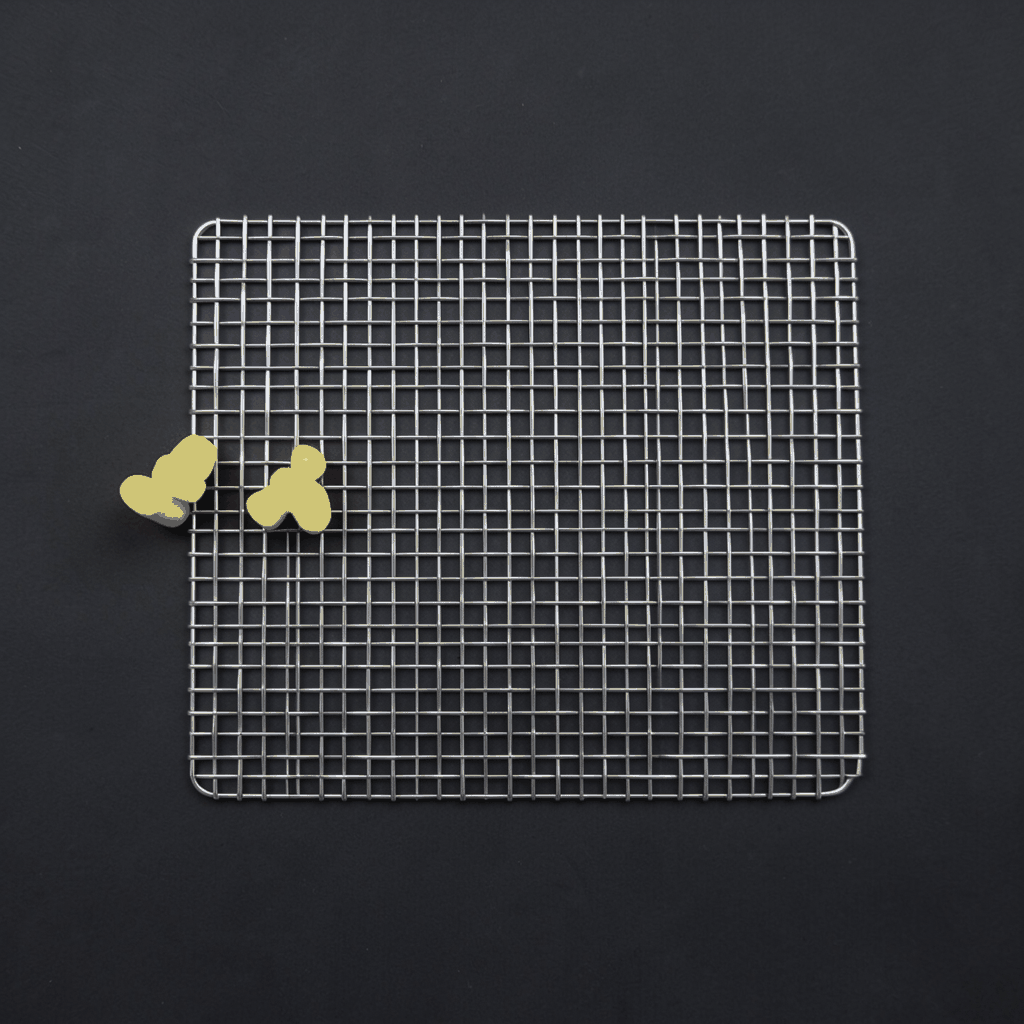
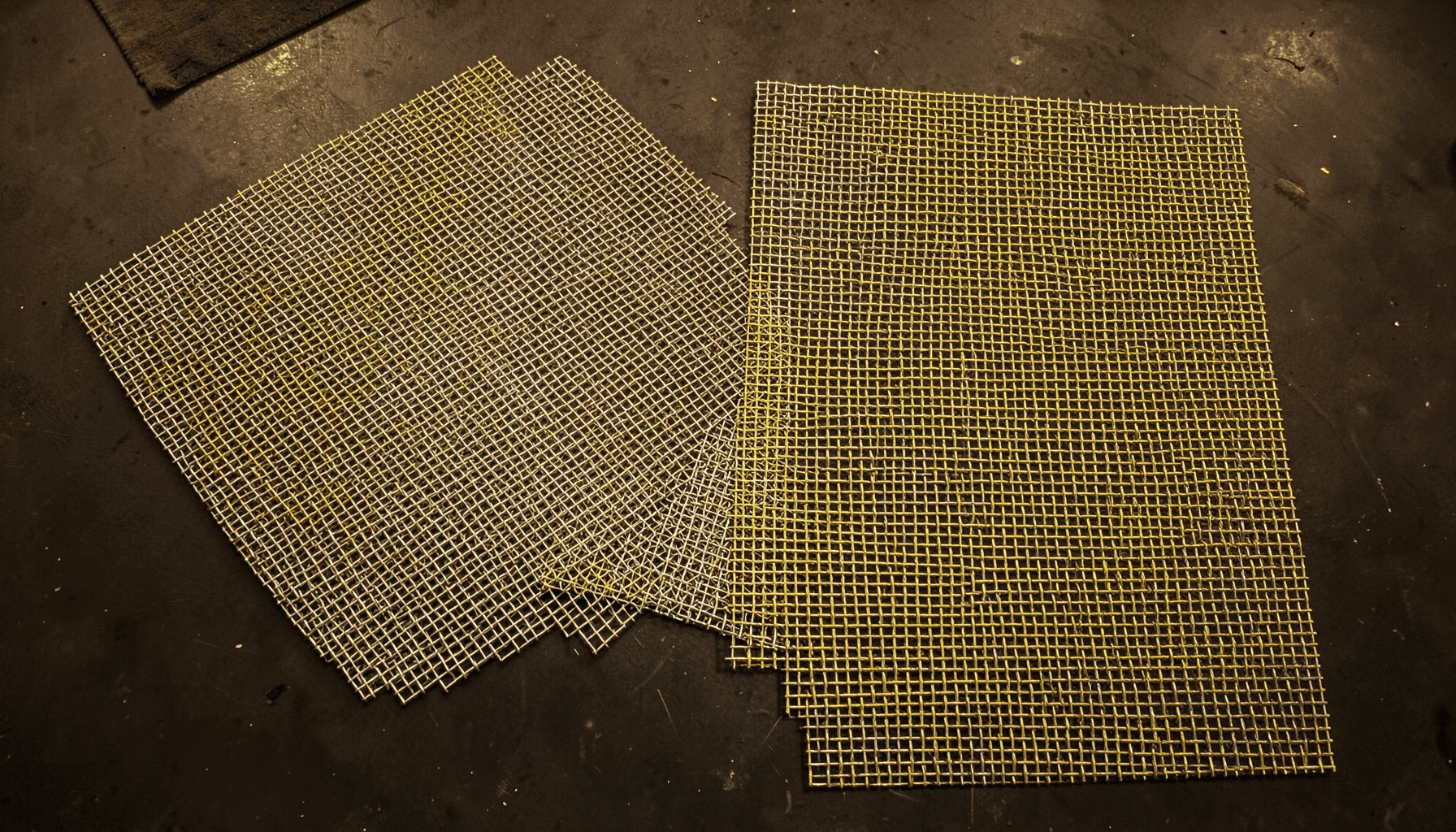
Mesh openings can be selected to suit the composting method. Smaller apertures help retain fine material and reduce access for rodents, while larger openings provide stronger ventilation and quicker drainage. A framed panel system can include solid sections at the base and mesh above, giving the compost pile protection without sacrificing oxygen exchange.
Strength In Australian Weather
Compost bins are exposed to the elements throughout the year. Stainless steel, galvanised steel and coated metal mesh can resist regular contact with damp organic matter, rain and outdoor humidity. A durable structure is less likely to sag, split or deform when filled with heavy compost, wet leaves or grass clippings.
Material selection should reflect the local environment. Stainless steel is a strong option for coastal properties around Sydney, Wollongong, Perth or Hobart, where salt-laden air can accelerate corrosion. Galvanised steel may suit many inland gardens when edges, fasteners and cut surfaces are properly protected. Aluminium offers low weight and useful corrosion resistance where a bin needs to be moved or emptied regularly.
The frame and fixing method matter as much as the mesh itself. Welded corners, reinforced posts and weather-resistant fasteners help the enclosure maintain its shape. For larger compost bays on rural properties, a manufacturer experienced in architectural mesh solutions can help match the material, wire diameter and finish to the expected load and site conditions.
Pest Control Without Trapping Moisture
Open compost can attract rats, mice, possums and other unwanted visitors, particularly when it contains fruit scraps, vegetables or cooked food. A suitable mesh enclosure creates a physical barrier while preserving the airflow needed for healthy decomposition. This is a more reliable approach than relying on loose covers that can blow away or leave gaps at ground level.
The mesh aperture should be small enough to discourage pests but large enough to support ventilation and practical handling. A secure lid is useful in urban areas, especially where compost bins are positioned near outdoor kitchens or neighbouring properties. The lower edge should sit firmly on the ground or be attached to a base frame so animals cannot push beneath it.
Pest control also depends on good compost habits. Food scraps should be covered with carbon-rich material such as dry leaves, shredded paper or straw. In Australian councils, accepted green waste and food waste rules vary, so households should check local guidance before adding meat, dairy products or treated garden material. A mesh bin supports good management but cannot replace sensible loading and regular turning.
Lightweight Construction And Easy Access
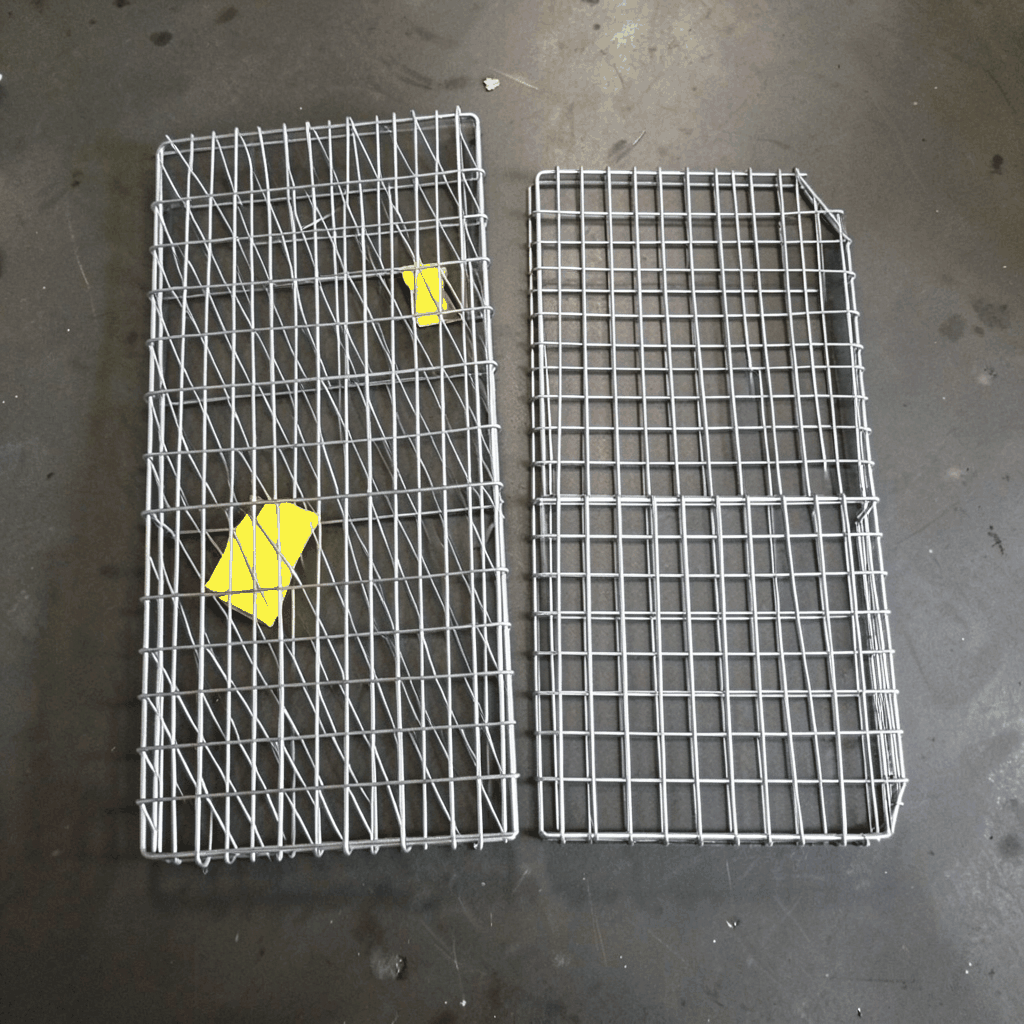
Metal mesh delivers useful strength without the bulk of solid sheet metal or masonry. A mesh compost bin can be assembled from panels, rolls or framed sections, allowing the design to be carried through narrow side passages and installed without heavy equipment. This suits compact blocks in inner Melbourne and Sydney, where access and available floor area can be limited.
Access is another practical advantage. Hinged mesh doors, removable panels and lift-off lids make it easier to add fresh material, turn the pile and remove finished compost. A two- or three-bay layout can separate fresh scraps from material that is already decomposing and compost that is ready for garden beds.
Custom dimensions are valuable when the bin must fit beneath a verandah, beside a shed or along a fence line. Mesh can be shaped into circular, square or rectangular enclosures, with openings and doors positioned around existing paths, posts and drainage points. This flexibility supports both home composting and larger systems used by schools, nurseries, market gardens and council-supported community plots.
Cleaner Handling And Drainage
Compost produces liquid as organic matter breaks down, particularly when the mix contains fresh kitchen scraps or wet grass. A mesh base or ventilated lower section allows excess water to drain, reducing the risk of anaerobic pockets and unpleasant odours. The bin should still be positioned on a surface that can absorb or safely direct moisture rather than allowing runoff to reach a neighbour’s property.
Mesh can make the condition of the compost easier to monitor. Gardeners can inspect the pile for dry areas, compacted sections or excessive moisture without dismantling the entire enclosure. This visibility is useful in changing Australian conditions, from heavy summer storms in Queensland to dry winds across inland New South Wales.
Cleaning is also straightforward when the construction uses accessible panels and corrosion-resistant finishes. An empty bin can be brushed, rinsed and allowed to dry before a new batch is added. Smooth wire or expanded metal with a suitable finish is less likely to hold large amounts of decomposing material than rough, damaged or heavily rusted surfaces.
Safety, Finish And Long-Term Value
Cut wire ends and sharp corners must be addressed during fabrication. Folded edges, welded frames, capped posts and properly finished openings reduce the risk of cuts when people add scraps or remove compost. This is especially important in homes with children, shared community gardens and school grounds where many users may handle the structure.
The finish also affects the appearance of the garden. A neat black or dark-coated mesh enclosure can blend into landscaping, while stainless steel or galvanised finishes may suit functional areas behind a shed. Decorative patterns are rarely necessary for a compost bin, but clean lines and consistent framing can make the structure look deliberate rather than improvised.
A durable bin offers value beyond its initial purchase. Replacing a broken plastic container every few years can cost more than installing a properly engineered metal enclosure once. A repairable mesh system also allows individual panels, hinges or fasteners to be replaced instead of discarding the whole bin. This supports a lower-waste approach that aligns with the purpose of composting itself.
Choosing Mesh For The Site
The best design depends on the size of the compost operation, the type of organic waste and the conditions around the installation. A small household bin may need a fine mesh, secure lid and removable front panel, while a productive garden may benefit from several large bays with reinforced frames. Commercial or municipal systems require closer attention to loading, hygiene, access and repeated use.
Before ordering, consider the wire or sheet material, opening size, frame strength, surface treatment and connection method. Stainless steel is suited to demanding or corrosive environments, while galvanised and coated steel can offer a cost-effective balance for many residential applications. Aluminium may be preferred where low weight is a priority, but the design should account for the loads created by wet compost.
Useful recommendations for an Australian compost enclosure include:
- Select a mesh aperture that limits rodent access while maintaining reliable airflow.
- Use corrosion-resistant material and fasteners in coastal suburbs or areas with frequent irrigation.
- Add a secure lid and close the lower edge to reduce pest entry and material loss.
- Include a hinged or removable panel for turning, inspection and removal of finished compost.
- Reinforce corners and posts when the bin will hold wet grass, leaves or large volumes of food scraps.
- Provide a stable, well-drained base that will not wash out during heavy rain.
- Choose smooth, finished edges to make loading and maintenance safer for regular users.
Practical Applications Beyond The Backyard
Mesh compost bins can be designed for many Australian settings. A household in Canberra may need a robust enclosure that handles frost, seasonal leaf fall and occasional strong winds. A tropical garden in Far North Queensland may place greater emphasis on airflow, drainage and resistance to persistent humidity. In each case, the mesh specification should be matched to the site rather than selected solely by appearance.
Schools, cafés, body corporates and community gardens may require larger systems with controlled access and clearly separated bays. A modular metal design allows capacity to increase as participation grows. Panels can be arranged around existing garden beds, and a lockable gate can help manage shared use without making daily access inconvenient.
Mesh also supports a tidy relationship between composting and broader landscaping. It can screen unsightly bins from entertaining areas, form a boundary beside a veggie patch or integrate with fencing and service enclosures. With accurate fabrication and appropriate finishing, the result is a long-lasting working structure rather than a temporary container.
For a composting project, specify the site dimensions, expected material volume, local weather exposure and preferred access arrangement before fabrication begins. A purpose-built metal mesh enclosure can provide ventilation, pest resistance and dependable service for years, helping Australian households and organisations turn organic waste into useful soil conditioner. Explore a suitable mesh construction with a specialist manufacturer and make the bin part of a practical, well-organised waste management system.