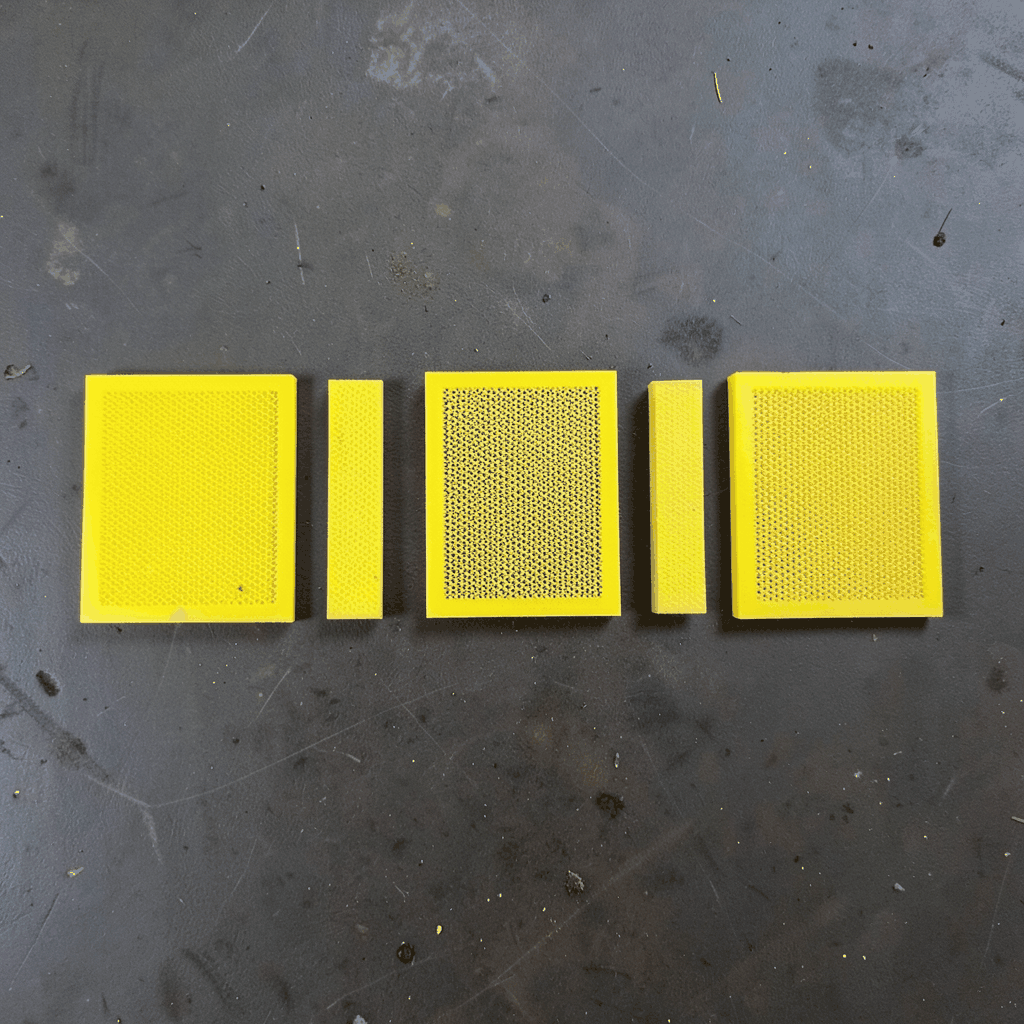
Building A Safer DIY Fireplace Spark Guard With Metal Mesh
An open fireplace can make a Melbourne winter evening, a Canberra country home or a cool night in the Adelaide Hills feel especially inviting. It also creates a practical safety issue: burning logs can release hot embers, small sparks and sharp fragments of charcoal beyond the hearth. A well-made spark guard adds a physical barrier while allowing heat and the appearance of the fire to remain visible.
For a DIY project, the choice of mesh matters as much as the frame. The guard must tolerate repeated heating, remain stable when moved, and cover the opening without creating a trip hazard or obstructing normal cleaning. Understanding metal types, mesh openings, heat exposure and Australian fire-safety requirements helps turn a simple screen into a dependable household safety accessory.
How A Mesh Spark Guard Works
A fireplace spark guard is usually a framed panel or folding screen covered with heat-resistant wire mesh. Its primary purpose is to intercept glowing embers that roll or jump from the firebox. It is not intended to seal the fireplace, control combustion or replace a properly installed flue, hearth or chimney system.
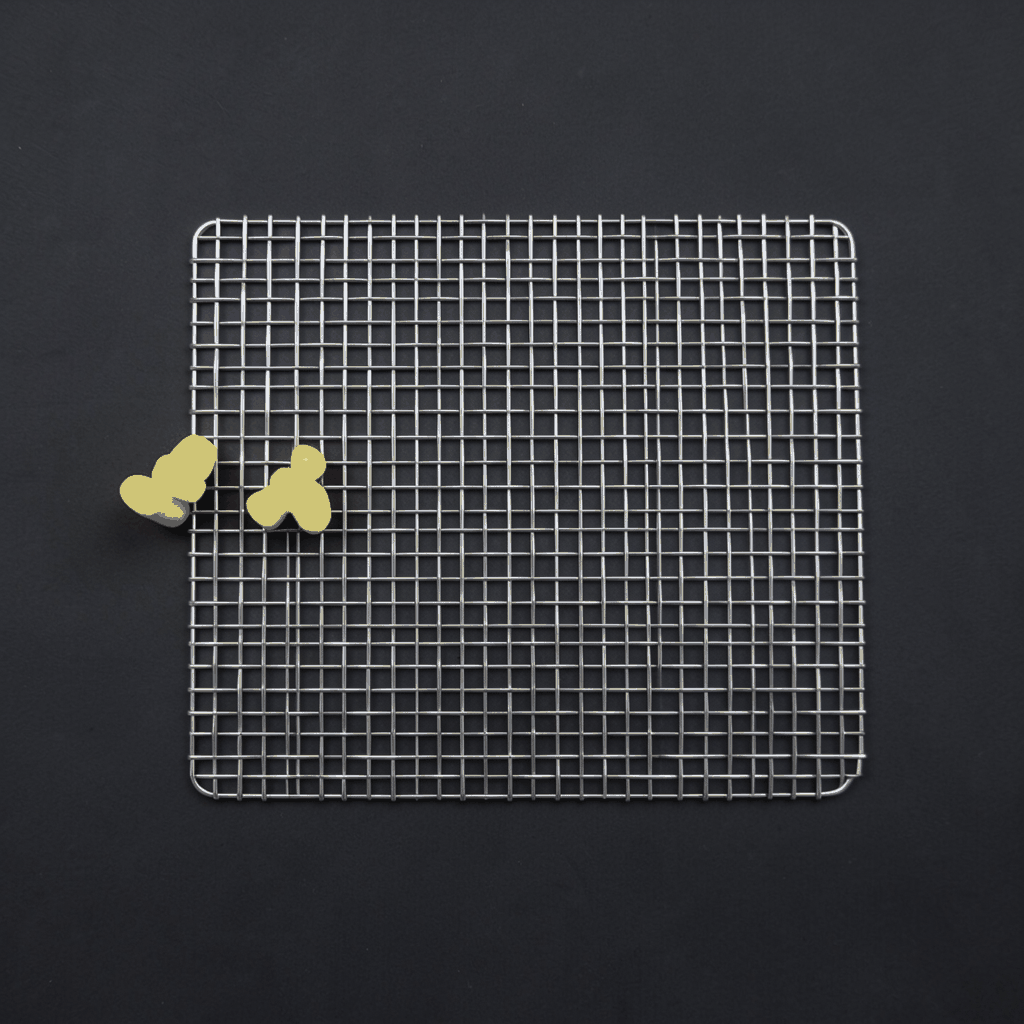
Fine woven wire mesh gives good visibility and catches small burning particles. A common DIY choice is stainless steel wire cloth because it resists rust and maintains its shape through repeated heating and cooling. Mild steel can also work when it is appropriately finished and kept dry, although paint, plating and surface coatings must be suitable for high-temperature use.
Mesh aperture is a central design decision. Openings that are too large can allow sparks through, while extremely fine mesh can restrict the movement of air around the fire and collect soot quickly. For many domestic fireplace screens, a small, even opening provides a useful compromise between ember protection, visibility and ventilation. The fireplace manufacturer or installer should be consulted where a particular model specifies a screen design.
The guard should sit in front of the opening rather than inside the combustion chamber. A small gap can make positioning and removal easier, but the structure must not lean towards the fire. A stable base, broad feet or connected side panels can prevent the screen from being knocked over by children, pets, a log tool or a passing person.
Selecting Metal For Heat And Durability
Stainless steel is often the most practical material for a homemade fire screen. Grade 304 stainless steel suits many indoor environments, including dry living rooms and covered verandas. Grade 316 offers greater resistance to corrosion where salty air is a concern, such as homes near Sydney’s coast, Newcastle, Perth or the Gold Coast. It usually costs more, but may be worthwhile in damp or marine conditions.
Copper mesh can provide a warm decorative appearance and may suit a traditional interior, although it changes colour over time and is comparatively soft. Aluminium is light and easy to cut, yet it is generally a poor choice for sections exposed directly to intense fire heat because it softens at a lower temperature than steel. Galvanised wire should be treated cautiously around high heat, since its zinc coating is not intended for uncontrolled heating in an occupied room.
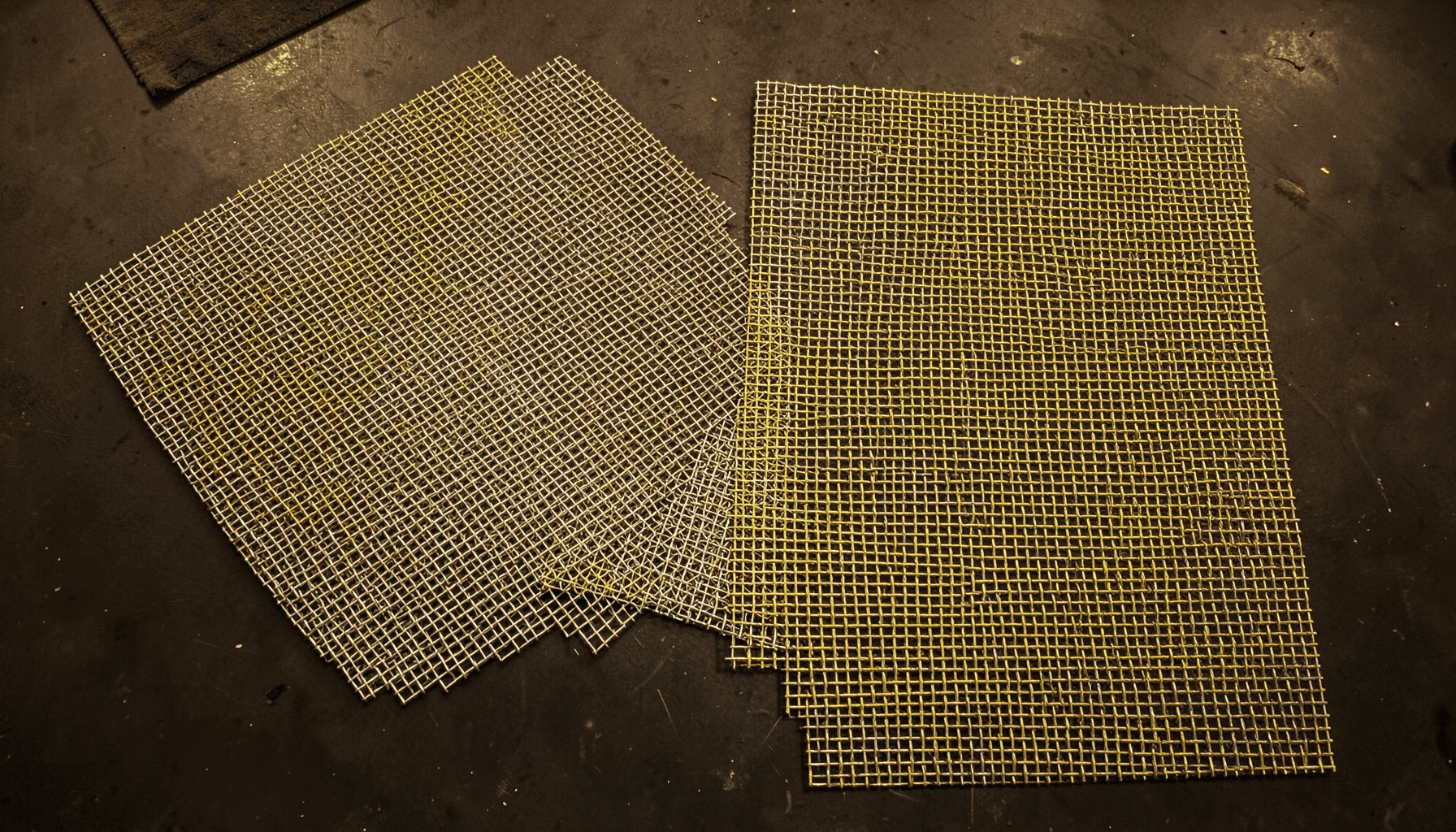
Suppliers of architectural metal mesh can provide woven, expanded or decorative mesh in different alloys, wire diameters and panel sizes. For a fireplace guard, ask for material specifications, temperature suitability and edge-finishing options rather than selecting a product based only on appearance. A sample can also reveal whether the wire is easy to cut, whether the edges remain sharp and how clearly the fire can be seen through it.
Wire diameter affects stiffness and longevity. Thin wire may be easier to handle but can deform when a hot log strikes the panel. Heavier wire adds strength but increases weight, which can make a folding guard awkward to move. The best choice depends on the fireplace width, panel dimensions, expected use and whether the screen will be handled while warm.
Designing A Safe DIY Frame
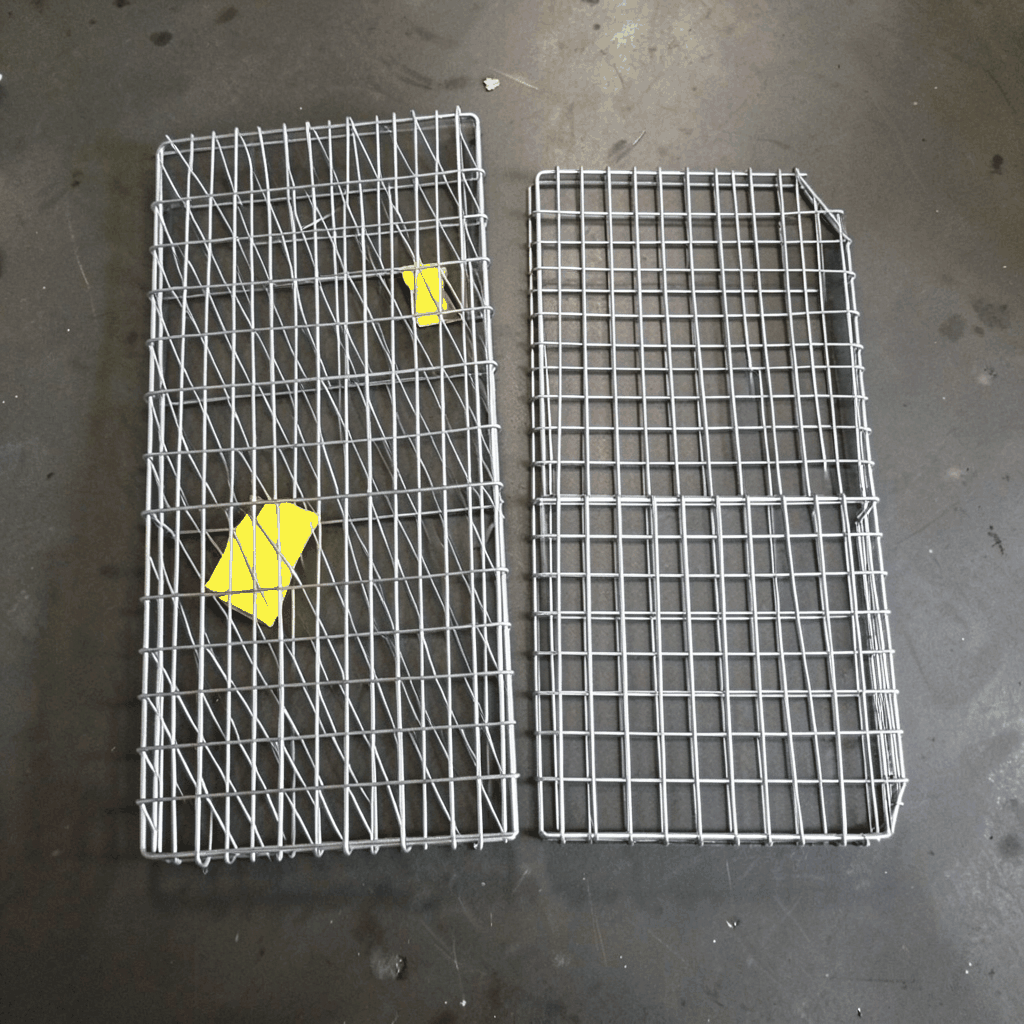
Measure the fireplace opening at several points because masonry and hearths are rarely perfectly square. Record the width, height and depth of the hearth, then decide whether the guard will be a single flat panel, a three-panel folding screen or a pair of hinged doors. A folding arrangement can stand without wall fixings and can be adjusted around irregular hearths.
Use steel angle, square tube or another heat-tolerant frame material. Avoid relying on plastic caps, adhesive-only joints or ordinary decorative paint near the fire. Welding produces a strong result, while mechanical fasteners can be suitable when they are metal, secure and positioned away from direct flame exposure. Any cut mesh edge should be folded, hemmed or covered by the frame so that it cannot scratch hands or catch clothing.
A practical screen should have a handle that stays cool enough to use safely, or it should be moved with a suitable tool when hot. Handles should be firmly attached and positioned so fingers are not close to the mesh. Hinges need enough clearance to operate after thermal expansion, and they should not be lubricated with products that can smoke or ignite when heated.
The bottom edge deserves particular attention. A gap that is too high can allow embers to pass underneath, while a guard that drags on the hearth may be difficult to reposition quickly. Add stable feet or a continuous lower rail, keeping the structure level and making sure it cannot rock on tiles, brick or uneven stone.
Before using the finished screen, remove sharp burrs, test every hinge and place it in front of an unlit fireplace. Check that doors open in the intended direction, the guard does not touch the surround and tools can still be used without pushing the screen aside. A first supervised burn should be brief, allowing you to watch for distortion, unusual odours, coating failure or excessive heat transfer to the frame.
Australian Homes, Habits And Fire Rules
Fireplaces are used differently across Australia. A wood heater in Canberra or regional New South Wales may run regularly through cold winter mornings, whereas an open fireplace in Brisbane or Sydney might be used occasionally during a short cold spell. Coastal humidity, salty air and condensation can accelerate corrosion, while dry inland conditions can make accumulated soot and ash easier to disturb.
In rural and outer-suburban areas, residents may source firewood locally and burn larger hardwood pieces. Logs that are too long, split unevenly or placed too close to the front can increase the chance of rolling embers. A spark screen helps with flying particles, but it cannot compensate for overloading the firebox, burning unsuitable materials or leaving a fire unattended.
Fire restrictions also vary by state, territory and local authority. During a total fire ban or other declared restriction, outdoor burning and some forms of solid-fuel use may be prohibited or controlled. A built-in indoor fireplace is treated differently from a backyard fire in some circumstances, so homeowners should check current advice from their state fire service, council and the appliance manufacturer before lighting it.
Installation and construction requirements may apply when a fireplace, flue or solid-fuel heater is newly installed or altered. Australian Standard AS/NZS 2918 is widely associated with the installation of domestic solid-fuel burning appliances, while state and territory rules, council approvals and manufacturer instructions may add requirements. A mesh guard does not make a non-compliant fireplace compliant, and it does not replace required clearances from combustible walls, furniture, curtains or flooring.
Australian homes should also have working smoke alarms in the required locations, with testing and replacement carried out according to local requirements. A spark guard reduces the chance of an ember escaping but provides no protection from carbon monoxide, chimney blockage or smoke leakage. Have the chimney and flue inspected when appropriate, especially before the first winter burn or after a long period without use.
Testing And Maintaining The Finished Guard
Inspect the mesh before every winter season and after any impact. Look for broken wires, enlarged openings, rust, loosened fasteners and areas where the panel has warped towards the fire. A small damaged section can allow embers through, while a loose hinge may make the screen unstable when it is most needed.
Soot and ash can collect in fine mesh and reduce visibility. Allow the guard to cool completely before cleaning it outdoors or in a well-ventilated area. A soft brush and a suitable mild cleaner are usually safer than aggressive abrasives that thin the wire or remove a protective finish. Do not use flammable cleaning products near a warm fireplace.
Keep combustible items well away from both sides of the guard. Rugs, baskets of firewood, newspapers and fabric furniture can be moved by a child, pet or draught and may end up against a hot screen. The same applies to decorative curtains and hanging ornaments, particularly in compact living rooms common in inner-city Melbourne, Sydney and Perth.
Store removable panels where they will not be bent or exposed to rain. If the guard is used outdoors around an open entertaining area, select a corrosion-resistant material and remember that outdoor fire rules can be stricter during dry periods. A screen for an outdoor brazier should be designed for that appliance rather than assumed to be interchangeable with an indoor fireplace guard.
Practical Recommendations For A Reliable Guard
- Choose stainless steel mesh with documented material and heat-suitability information.
- Measure the hearth and fireplace opening in several places before cutting the frame.
- Cover or fold all mesh edges, and test the screen for wobble, sharp points and hinge movement.
- Keep the guard outside the firebox while maintaining full access to approved controls and tools.
- Inspect the chimney, flue, smoke alarms and surrounding clearances before the heating season.
- Check current council and state fire-service rules before using an indoor or outdoor solid-fuel appliance.
A DIY fireplace spark guard works best as part of a wider safety routine. Use dry, appropriate firewood, keep the fire at a manageable size and extinguish it properly before leaving the room or going to bed. Children and pets should be supervised around the hearth, even when the screen is in place, because the mesh and frame can become hot.
A carefully selected metal mesh panel can combine protection with a clean architectural finish. Measure accurately, choose materials suited to heat and local corrosion conditions, build a stable frame and verify the complete fireplace installation against Australian requirements. With those steps in place, the finished guard can provide practical ember control through many winter seasons while preserving the character of the fire.