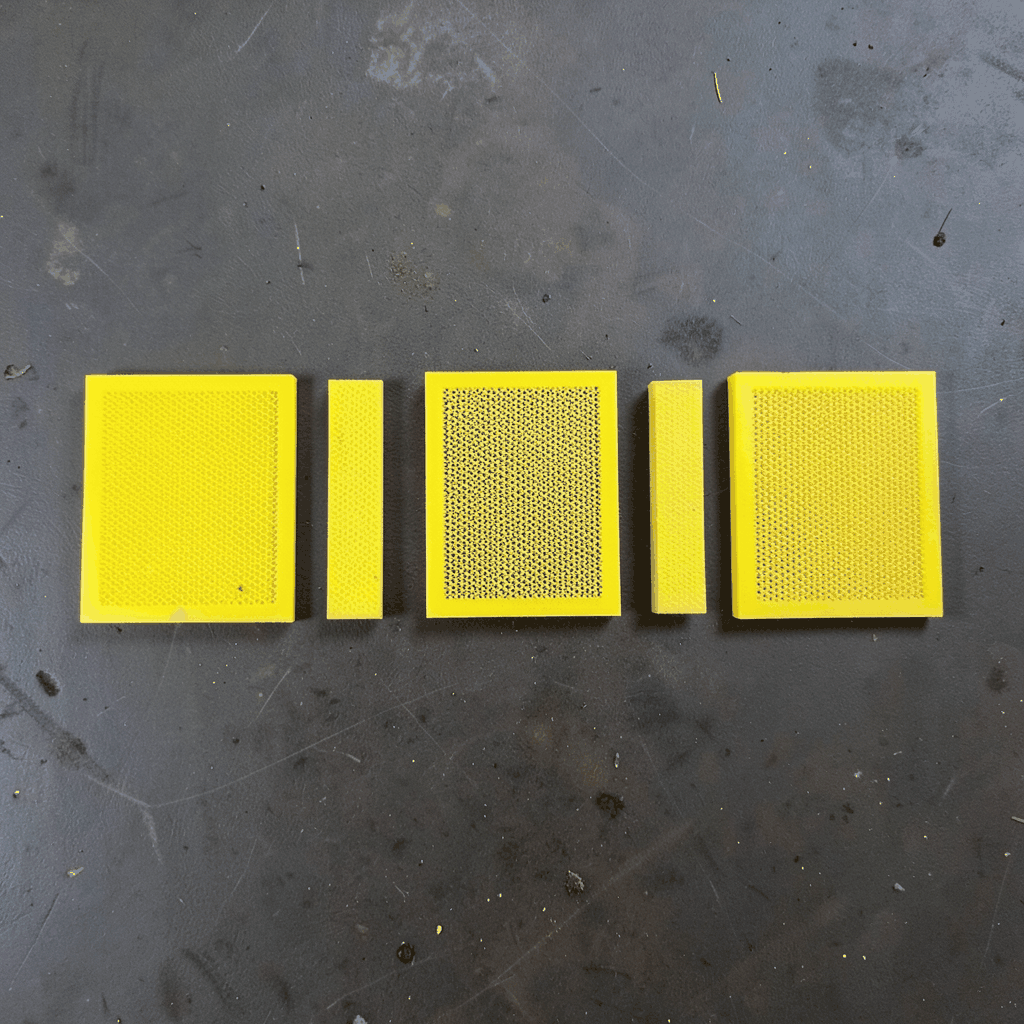
Corrosion resistance of galvanized mesh in agricultural slurry tanks
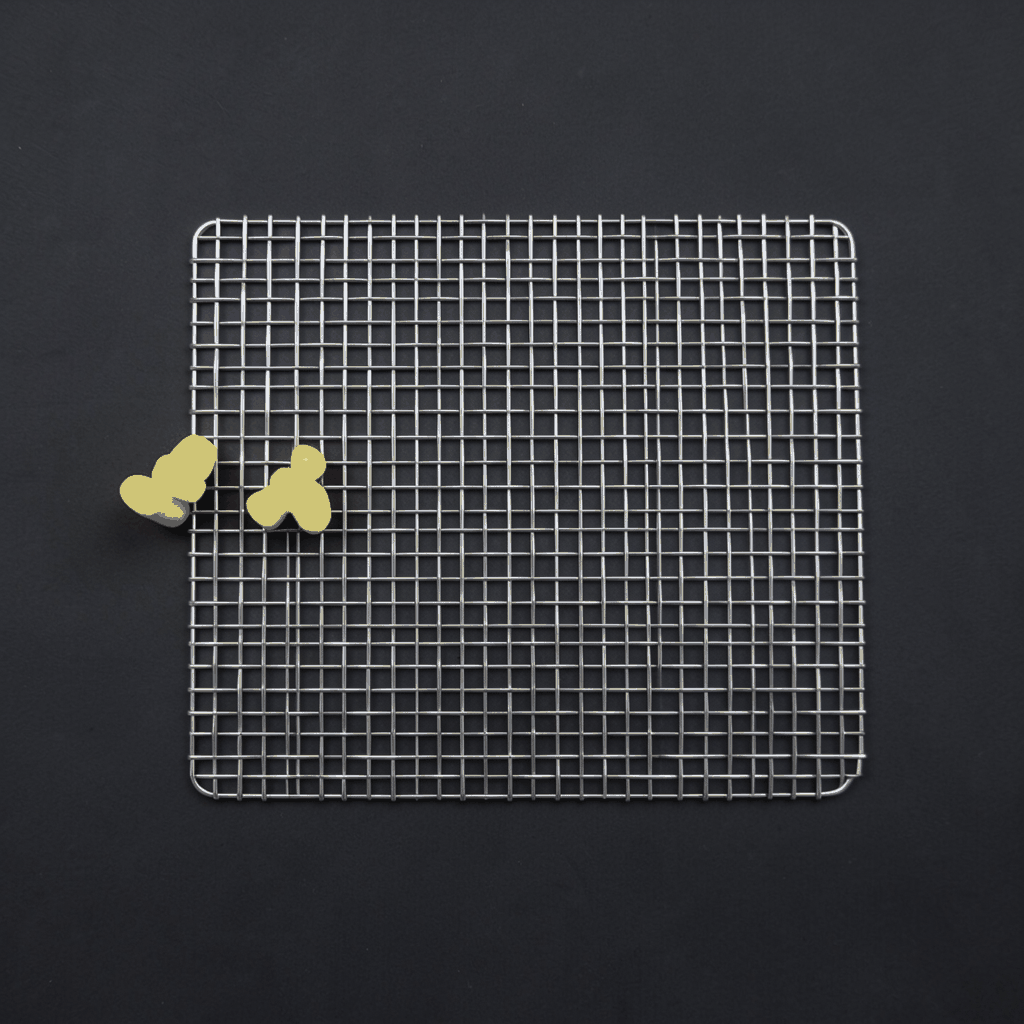
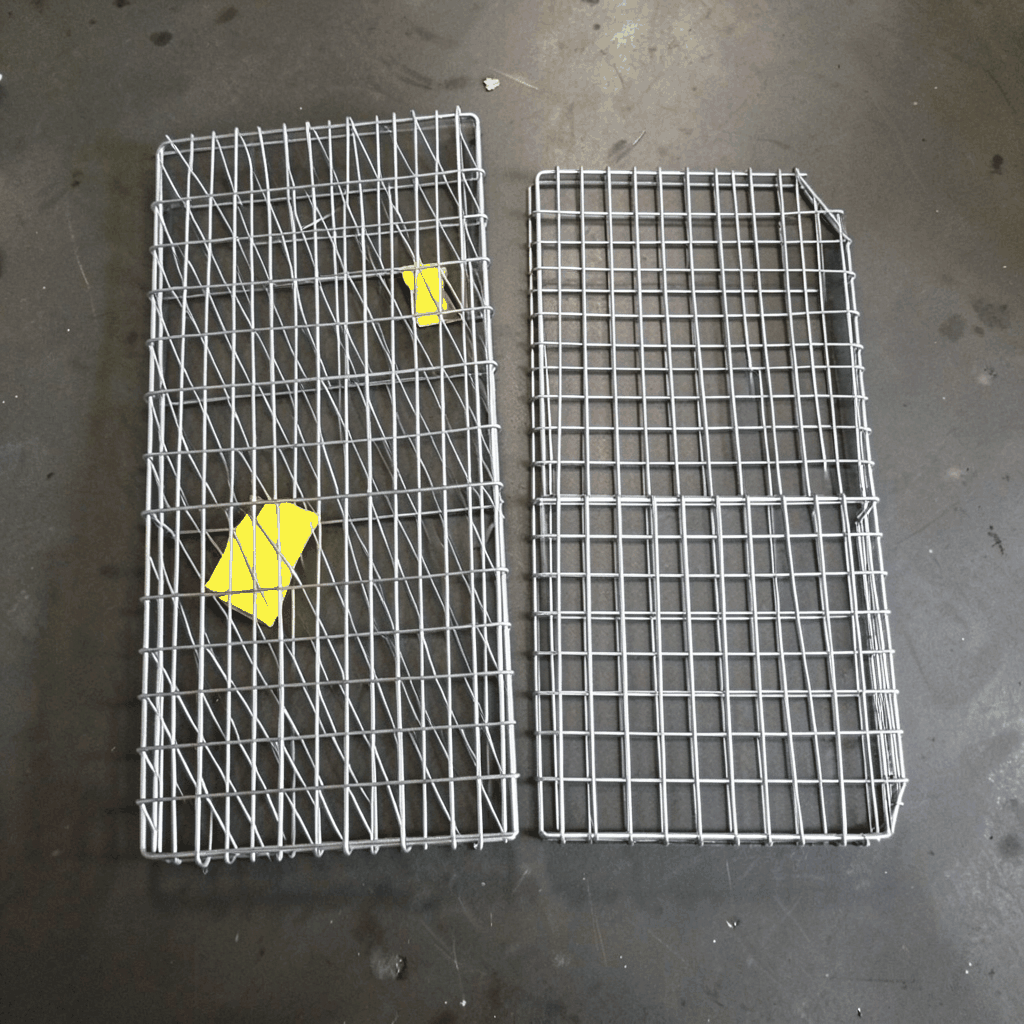
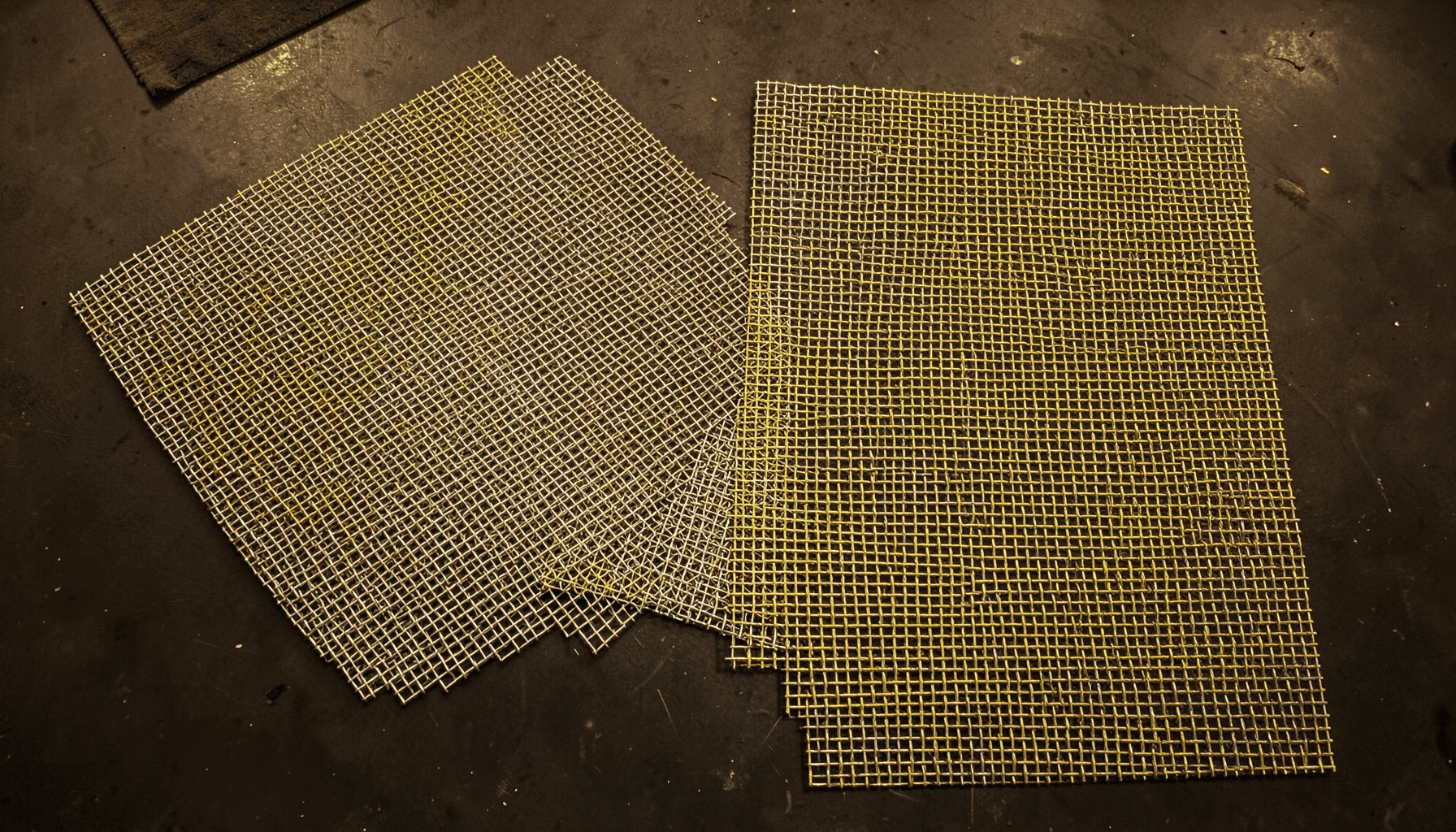
Galvanized mesh is often selected for agricultural facilities because it combines structural strength, open area, moderate cost, and a protective zinc coating. It can be used for screens, walkways, access barriers, ventilation guards, partitions, baskets, and protective panels around slurry handling equipment. Its performance, however, depends on the chemistry and operating conditions inside the tank rather than on the word “galvanized” alone.
Agricultural slurry is a changing mixture of water, manure, feed residues, minerals, cleaning chemicals, and gases produced by biological activity. The liquid may contain ammonia, chlorides, sulfides, organic acids, and abrasive solids. A mesh panel exposed to the liquid, the splash zone, and the humid gas space can experience different corrosion rates within the same installation.
For this reason, selecting galvanized steel for a slurry tank requires more than comparing wire diameter or aperture size. Coating thickness, fabrication method, exposure time, mechanical damage, drainage, and inspection access all influence service life. A properly specified product can provide reliable service, while an unsuitable coating may deteriorate quickly in a continuously wet or chemically active environment.
Why zinc-coated mesh is used on farms
Galvanized steel mesh consists of a steel substrate protected by zinc. The zinc acts as a barrier and also provides sacrificial protection when small areas of steel become exposed. In practical terms, the coating can protect cut edges, scratches, and minor handling damage for a period, because zinc corrodes preferentially to the underlying steel.
This combination makes galvanized mesh useful for agricultural applications where a component must remain rigid, washable, and resistant to general atmospheric moisture. Mesh also allows air, light, and liquid to pass through, which is valuable for ventilation guards, safety screens, overflow protection, and equipment enclosures. Compared with solid sheet, it can reduce weight while maintaining an effective physical barrier.
Hot-dip galvanizing is generally preferred for demanding agricultural environments because it produces a comparatively substantial zinc coating and can cover many external and internal surfaces of a fabricated part. Electrogalvanized mesh has a thinner, more uniform appearance, but its lower coating mass may be consumed sooner under prolonged immersion, abrasion, or chemical exposure. The correct choice depends on the specific exposure rather than appearance alone.
How slurry chemistry consumes the coating
Zinc performs best within a suitable chemical range. Slurry can fall outside that range or fluctuate over time. Ammonium compounds, sulfides, chlorides, acidic fermentation products, and alkaline cleaning residues may react with the coating. Alternating wet and dry conditions can also concentrate contaminants on the mesh surface and accelerate localized attack.
The gas space above the slurry should not be treated as a dry environment. Hydrogen sulfide, ammonia, condensation, and high humidity can create a corrosive atmosphere, particularly on the underside of covers, support frames, and mesh located close to the liquid surface. The splash zone may be more aggressive than a constantly immersed area because repeated drying leaves concentrated salts and organic residues.
Mechanical wear adds a separate failure mechanism. Sand, grit, straw, and manure solids can rub against wire, expanded sections, or welded joints as the tank is filled, mixed, or emptied. Once the zinc layer is worn away, the exposed steel can rust rapidly in a wet oxygen-rich area. Sharp edges and tight contact points can also trap slurry, creating small crevices that are difficult to rinse.
Exposure conditions and coating choices
The expected environment should be defined before choosing a mesh product. A panel mounted above the tank, a screen permanently submerged in slurry, and a removable basket exposed to washing cycles do not require the same corrosion strategy. The table below summarizes common conditions and practical responses.
| Exposure condition | Main corrosion or damage risk | Suitable approach | Relative confidence in standard galvanized mesh |
|---|---|---|---|
| Dry agricultural building with occasional humidity | Surface moisture and dust deposits | Hot-dip galvanized mesh with good drainage | Generally favorable |
| Splash zone near the slurry surface | Wet-dry cycling, salts, ammonia, sulfides | Heavier zinc coating, accessible cleaning, careful detailing | Moderate; inspect regularly |
| Continuous immersion in ordinary slurry | Depletion of zinc and limited drying | Confirm chemistry and immersion period; consider a higher-alloy or coated alternative | Application-dependent |
| High chloride or chemical-cleaning exposure | Accelerated zinc consumption and localized attack | Separate chemical review, protective coating system, or corrosion-resistant alloy | Caution required |
| Heavy solids and repeated abrasion | Mechanical removal of zinc | Increase wire size, protect contact areas, or use a more abrasion-resistant design | Limited at high wear points |
| Gas space with persistent condensation | Atmospheric corrosion and deposits | Ventilation, drainage, increased coating thickness, scheduled inspection | Generally favorable if deposits are controlled |
There is no universal service-life figure for galvanized mesh in slurry tanks. Zinc consumption depends on pH, temperature, oxygen availability, contaminant concentration, coating mass, and the amount of time the surface remains wet. Laboratory salt-spray results are useful for comparing coatings under a defined test, but they do not precisely predict performance in manure slurry.
A hot-dip galvanized coating should be specified by a recognized standard appropriate to the product and fabrication method, such as ISO 1461 or a relevant ASTM galvanizing specification. The coating requirement should identify whether the mesh is galvanized before fabrication or after welding and forming. For tank accessories, post-fabrication galvanizing can provide better protection over welds and exposed steel, provided the component can be processed correctly.
Fabrication details that affect durability
Mesh construction has a direct effect on corrosion resistance. Welding, cutting, bending, drilling, and grinding can damage or remove zinc. If a galvanized panel is cut after coating, each cut edge becomes a potential initiation point. Small openings, wire intersections, and weld zones may also retain cleaning water or slurry if the design lacks adequate drainage.
Where possible, components should be designed so that galvanizing occurs after the major fabrication steps. Drain and vent holes may be needed in hollow sections to allow process liquids and gases to move safely during hot-dip treatment. These openings also help prevent trapped moisture in service. Closed pockets, overlapping plates, and narrow crevices should be minimized around a slurry tank.
Mesh aperture and wire diameter must be selected for both function and corrosion allowance. A very fine mesh may block with fibrous solids, forcing frequent cleaning and increasing abrasion during maintenance. A heavier wire can retain structural capacity longer after partial zinc loss, but it may increase weight and cost. Weld quality is equally important because weak joints can fail mechanically before general corrosion becomes critical.
If a galvanized surface is damaged during installation, the area should be cleaned and repaired with a compatible zinc-rich repair system according to the relevant repair procedure. Paint or sealant should not be applied over dirt, oil, or loose corrosion. Where a separate topcoat is required, the galvanized surface must be prepared and the coating system chosen for adhesion and continuous wet exposure.
Inspection and maintenance in service
Routine inspection is one of the most effective ways to extend the useful life of mesh in a slurry installation. Look for white zinc corrosion products, dark staining, red rust, thinning wires, cracked welds, loose fasteners, and coating loss at corners or contact points. Red rust indicates that the steel substrate is exposed, although the surrounding zinc may still offer some sacrificial protection.
Inspection should cover the liquid zone, splash zone, vapor space, supports, hinges, fasteners, and areas where solids accumulate. A removable screen or basket should be lifted and rinsed at an appropriate interval rather than left permanently coated with manure deposits. Cleaning removes concentrated salts and reduces the time that corrosive residues remain in contact with the zinc.
Maintenance personnel should record the location and progression of damaged areas. A single small scratch may be manageable, while widespread coating loss suggests that the original material or exposure assumption needs review. Mesh that has lost substantial wire cross-section, developed deep pitting, or suffered weakened welds should be replaced before it becomes a safety hazard.
Tank cleaning chemicals require particular care. Strong acids can attack zinc quickly, while highly alkaline products may also affect the coating depending on concentration and temperature. Chemical suppliers and equipment designers should verify compatibility before a cleaning program is introduced. Rinsing with clean water after approved washing can reduce residue accumulation.
When galvanized mesh is not the best option
Galvanized steel is not automatically suitable for permanent immersion in every slurry. If the liquid contains unusually high chloride levels, aggressive cleaning chemicals, elevated temperature, or persistent sulfide activity, the zinc layer may be consumed too quickly. Continuous abrasion from pumps, scrapers, or heavy solids creates an additional reason to consider another material or a hybrid design.
Stainless steel mesh may be appropriate where long-term wet exposure, hygiene, or chemical resistance justifies the higher initial cost. The grade must still be selected carefully: stainless steel is not immune to pitting in chloride-rich conditions, and crevices or deposits can undermine performance. Aluminum, coated carbon steel, engineered polymers, or a replaceable sacrificial screen may suit other applications, but each has limitations in strength, temperature, impact resistance, or compatibility.
A practical solution can combine materials. For example, a galvanized structural frame may support a replaceable stainless or polymer mesh insert in the most aggressive zone. Wear strips can shield the lower edge from moving solids, while a removable panel can make inspection and replacement easier. This approach focuses premium material where it provides the greatest value instead of applying it to every component.
Recommendations for specifying a slurry-tank mesh assembly
A clear specification helps a manufacturer assess both corrosion and structural requirements. It should identify the liquid exposure, expected service temperature, cleaning chemicals, loading, mesh opening, wire or strand size, connection method, and whether the product will be removable for inspection.
Useful recommendations include:
- Define whether each area is exposed to immersion, splash, condensation, or dry agricultural air.
- Request the galvanizing method, coating standard, and minimum coating requirement for the finished component.
- Avoid unsealed crevices, trapped water, and unprotected cut edges in the design.
- Increase protection at impact, abrasion, fastener, and slurry-accumulation points.
- Establish an inspection and replacement schedule before the tank enters service.
The drawing should also show support spacing, fixing materials, access clearances, and any required drainage openings. A mesh supplier can then evaluate whether welded wire mesh, woven mesh, expanded metal, perforated sheet, or a custom fabricated panel provides the best balance of open area and strength.
For agricultural projects, customization is often more valuable than choosing a standard panel from a catalog. A manufacturer experienced in galvanized, stainless steel, aluminum, and other metal mesh products can adapt dimensions, edge frames, mounting tabs, gates, guards, and removable sections to the tank layout. That reduces field cutting, which is one of the common ways protective coatings are damaged.
Put corrosion performance into the project design
The corrosion resistance of galvanized mesh in agricultural slurry tanks depends on the complete service environment: slurry chemistry, exposure position, coating mass, fabrication details, abrasion, cleaning, and maintenance. Zinc-coated steel remains a useful and economical choice for many agricultural screens and protective components, but it should be selected with realistic limits rather than treated as a universal solution.
Shuo Ke Wire Mesh Product Technology Co., Ltd. can help develop custom mesh panels, guards, partitions, baskets, and supporting assemblies for agricultural and industrial applications. Share the tank dimensions, exposure conditions, mesh opening, loading, and cleaning requirements to obtain a galvanized or alternative metal mesh solution matched to the installation.