The Durability of Galvanized Iron Mesh in Outdoor Public Art
Outdoor public art must withstand weather, handling, pollution, and constant public exposure while preserving the visual character intended by the artist. Galvanized iron mesh is often selected for this demanding environment because its zinc coating gives ordinary iron a practical barrier against moisture and oxidation. It also provides the strength, texture, and adaptability needed for large sculptures, screens, tunnels, fences, and interactive installations.
The material sits between structural practicality and artistic expression. Its open pattern can filter sunlight, create changing shadows, support climbing forms, or define a boundary without making a space feel enclosed. With suitable detailing and maintenance, galvanized mesh can remain serviceable for many years in parks, plazas, transport areas, cultural districts, and municipal landscapes.
Durability, however, depends on more than the presence of a galvanized finish. Mesh geometry, coating quality, drainage, edge treatment, fasteners, site conditions, and installation methods all influence long-term performance. A well-designed installation uses these factors together rather than treating corrosion protection as an afterthought.
Why Zinc Protection Matters Outdoors
Galvanized iron mesh is generally protected through a zinc coating applied to the iron or steel substrate. Zinc shields the underlying metal from water and oxygen, while also providing sacrificial protection if the surface receives a small scratch. In that situation, the zinc can corrode preferentially around the exposed area and delay the spread of rust across the base metal.
This behavior is valuable in public spaces, where contact, transport, landscaping work, and installation adjustments can cause minor abrasions. The coating does not make the mesh immune to corrosion, but it gives the material a greater tolerance for ordinary outdoor wear than untreated iron. A properly formed galvanized surface can therefore support an attractive, lower-maintenance installation in many normal atmospheric environments.
Environmental exposure still determines the expected service life. Dry inland locations are usually less aggressive than coastal sites with salt-laden air. Industrial pollution, road de-icing compounds, standing water, and animal waste can also accelerate zinc consumption. A specification should therefore consider the installation’s microclimate rather than relying on a general assumption that all outdoor locations are equivalent.
Mesh Construction And Structural Performance
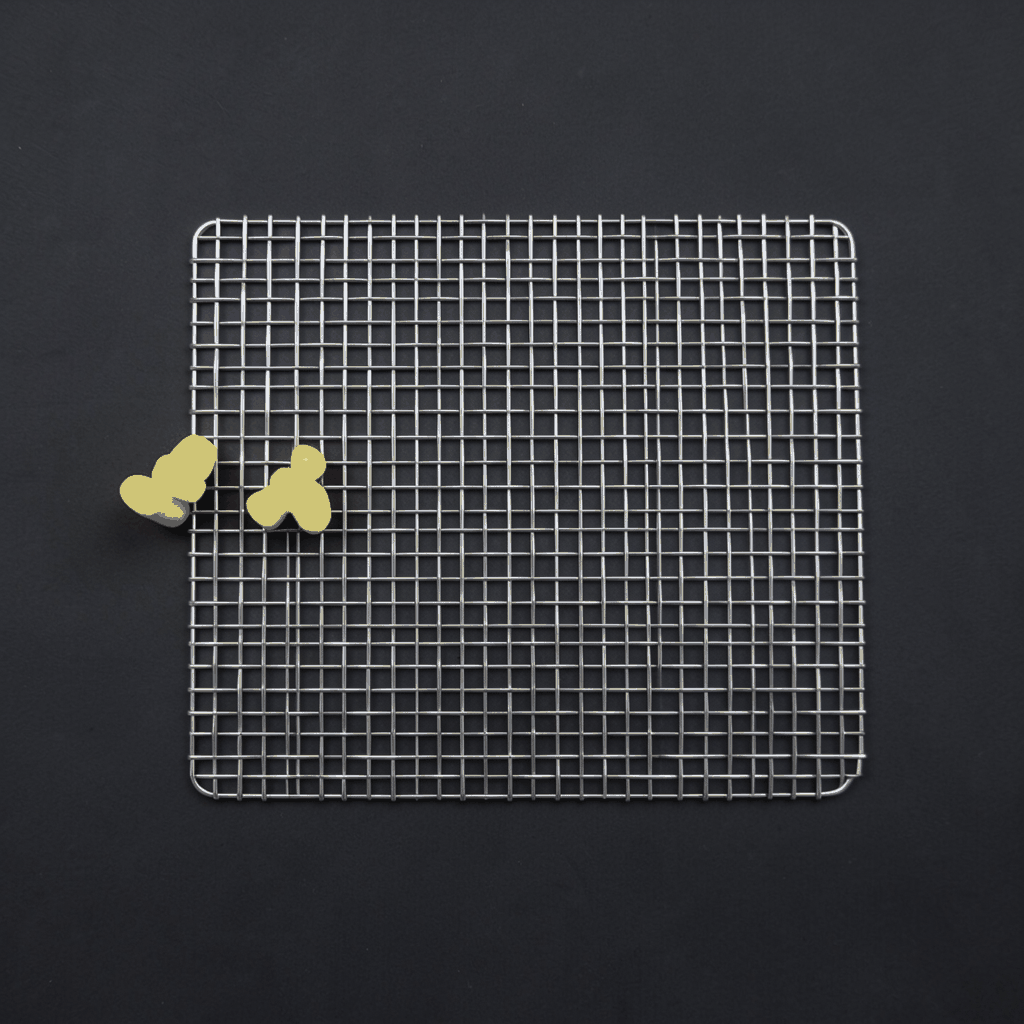
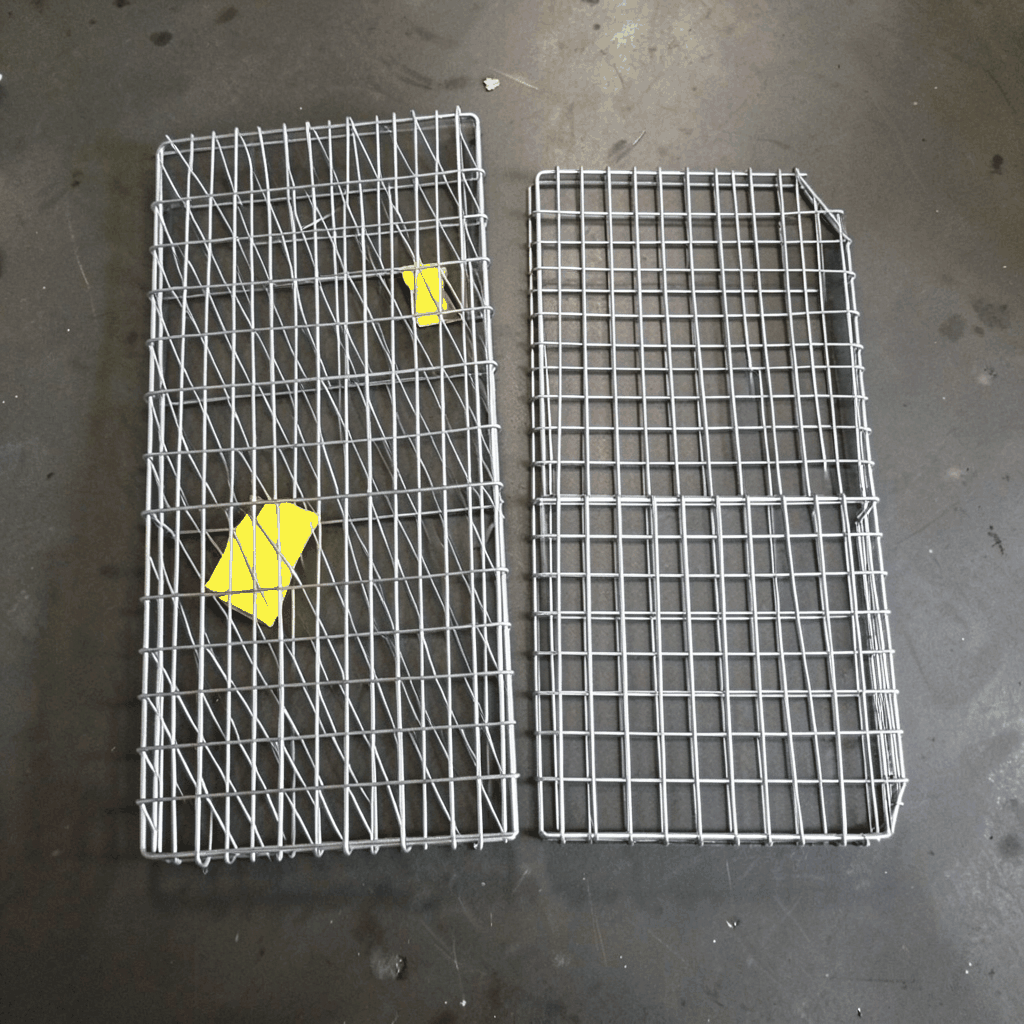
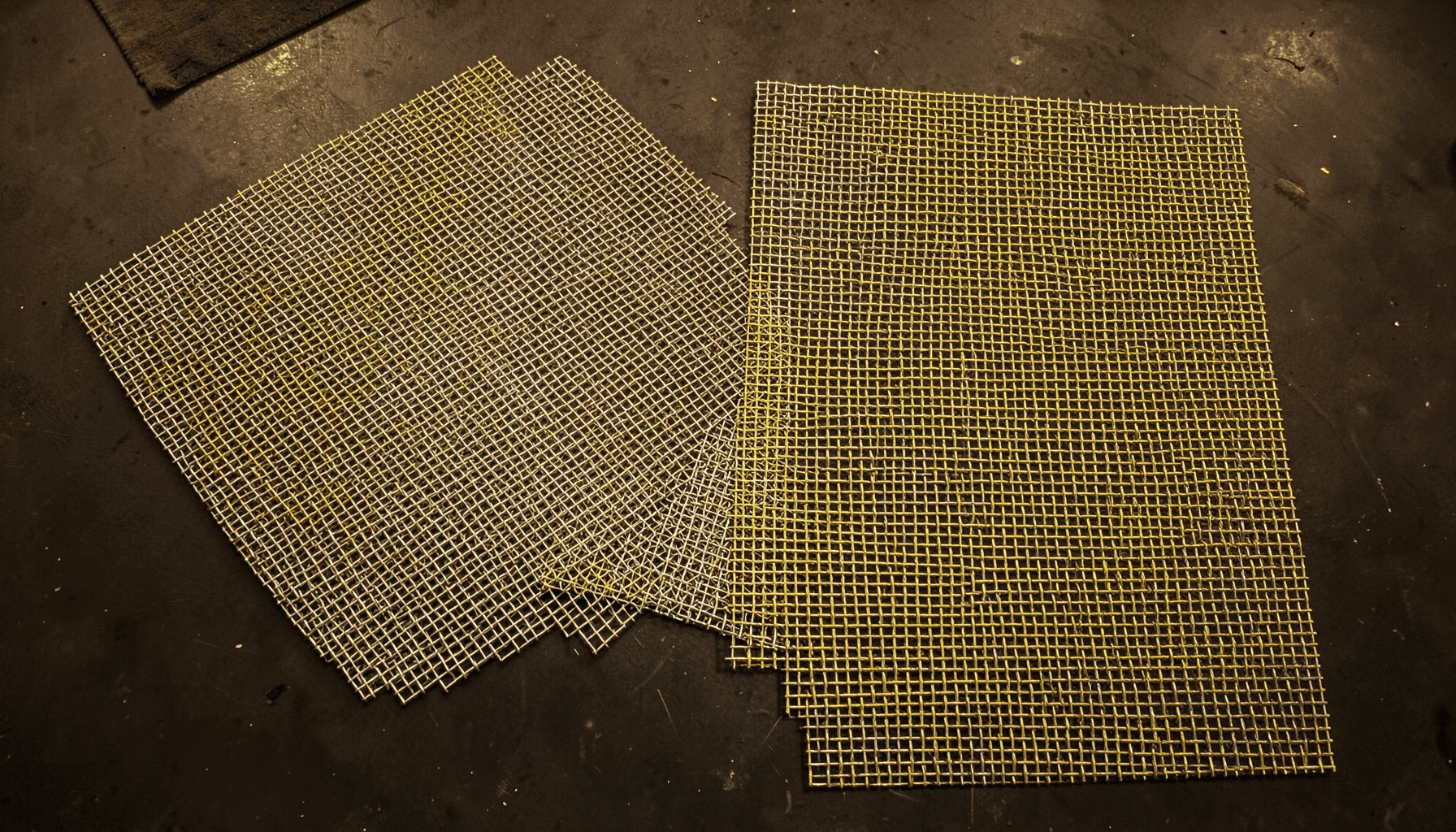
The form of the mesh influences both its artistic appearance and its resistance to physical stress. Welded mesh offers consistent openings and stable geometry, making it suitable for rigid screens, framed panels, guardrails, and sculptural planes. Woven mesh provides flexibility and movement, which can create a softer visual effect in wind-responsive installations or suspended features. Expanded metal introduces a continuous sheet pattern with useful stiffness and strong light-and-shadow effects.
Panel size, wire diameter, opening shape, and support spacing should be selected according to wind pressure, impact risk, weight, and the desired visual transparency. Large unsupported panels may vibrate, deform, or transfer excessive force to their frames. Smaller modules can reduce deflection and simplify replacement, although they may create more visible joints. For elevated or exposed work, wind-load panel design offers useful guidance on relating mesh thickness and panel construction to environmental forces.
The mesh should be treated as part of an engineered assembly rather than an isolated decorative skin. Frames, posts, anchors, welds, clamps, and foundations must accommodate the loads carried by the surface. A visually delicate mesh façade may still receive significant wind pressure, particularly when it is installed on a tall structure or positioned across an open plaza.
Surface Finish, Edges, And Connections
The durability of a galvanized art installation can be weakened at cut edges, drilled holes, weld zones, and areas where the coating has been removed during fabrication. These points deserve specific attention because water can reach the base metal more easily there. Edges should be finished cleanly, burrs should be removed, and damaged areas should receive an appropriate zinc-rich repair treatment where required.
Connection hardware also affects the service life of the assembly. Galvanized or suitably coated bolts, washers, brackets, and clamps help prevent a weak component from becoming the first source of staining or failure. Incompatible metals can create galvanic corrosion when moisture forms an electrical path between them. Isolation washers, protective coatings, or compatible material choices can reduce this risk.
Drainage is equally important. Mesh panels should not create pockets where leaves, sediment, or water remain trapped against the frame. Horizontal ledges and enclosed hollow sections may need drain holes or sealed details, depending on the design. A small change in angle or edge geometry can prevent long-term water retention and make routine cleaning substantially easier.
| Design factor | Effect on outdoor durability | Practical specification focus |
|---|---|---|
| Zinc coating thickness | Determines how long the protective layer can resist atmospheric exposure | Match coating level to humidity, salinity, pollution, and expected service life |
| Wire diameter and opening size | Influences stiffness, impact resistance, transparency, and wind response | Balance visual openness with calculated structural requirements |
| Cut edges and welds | May expose base metal or reduce local corrosion protection | Repair damaged areas and protect fabricated joints |
| Frame and fasteners | Transfer wind and impact forces while influencing galvanic corrosion risk | Use compatible, corrosion-resistant components |
| Drainage and ventilation | Reduce trapped moisture, debris accumulation, and staining | Avoid water pockets and provide accessible cleaning paths |
| Modular panel design | Simplifies inspection, repair, and future replacement | Use manageable panel sizes where access or public contact is likely |
Performance In Different Public Settings
A galvanized mesh sculpture in a sheltered courtyard may experience relatively mild conditions, while a waterfront installation faces salt spray, windborne sand, and frequent condensation. Coastal locations require careful attention to coating mass, crevice details, fastener selection, and inspection intervals. In severe marine exposure, a duplex system that combines galvanizing with a compatible paint or powder coating may provide an additional barrier and a broader color range.
Urban pollution can produce deposits that retain moisture on the surface. Traffic corridors may expose mesh to dust, exhaust residues, and winter salts, especially near roads and bridges. Periodic washing with clean water can remove contaminants before they concentrate at joints and lower edges. Harsh acidic or highly alkaline cleaners should be avoided unless the coating supplier confirms their suitability.
Public interaction creates another category of stress. Visitors may climb, lean against, touch, or attach objects to mesh artwork. Sharp projections, unstable panels, and accessible fasteners can create safety concerns even when corrosion is not visible. Designers should consider anti-climb geometry, rounded or protected edges, tamper-resistant fixings, and clear separation from areas where the artwork might be treated as play equipment.
Design Value Beyond Corrosion Resistance
Galvanized iron mesh has a distinctive industrial appearance that can complement contemporary architecture, landscape design, and civic infrastructure. Its silver-gray surface changes with daylight and weather, while the open pattern allows surrounding buildings, vegetation, and movement to remain part of the composition. Over time, the finish may become more subdued, which can support an installation intended to integrate with its setting.
The material can be shaped into layered screens, curved enclosures, suspended volumes, patterned partitions, and relief panels. Different mesh openings can establish gradients of transparency, turning a large surface into a visual transition rather than a solid barrier. Combining galvanized mesh with timber, stone, glass, corten steel, or colored coatings can further distinguish public zones or reinforce a cultural theme.
Customization should begin with the artistic concept and end with fabrication details that can be produced consistently. Laser-cut inserts, formed borders, framed modules, and selected mesh patterns can give an installation a recognizable identity. A manufacturer experienced in architectural and industrial mesh can help coordinate material selection, panel sizing, finishing, and fabrication tolerances so that the appearance survives the move from drawing to site.
Inspection And Maintenance Planning
A durable installation should have a simple maintenance routine from the beginning. Initial inspections can confirm that panels are securely fixed, drainage paths are open, and no coating damage occurred during transport or assembly. Later inspections should look for red rust, white corrosion products, loose fasteners, bent wires, staining, debris buildup, and movement at frame connections.
Cleaning frequency depends on the site. A sheltered inland artwork may need occasional washing, while a coastal or heavily trafficked installation may benefit from more regular rinsing. Soft brushes, clean water, and mild compatible detergents are generally preferable to abrasive pads or aggressive chemicals. Cleaning should include lower edges, overlaps, brackets, and areas behind decorative layers where salts and dirt can collect.
Small defects should be addressed before they expand. Localized damage can often be cleaned, dried, and repaired with a suitable zinc-rich compound or approved protective system. Severely corroded sections, distorted panels, or weakened anchors require professional assessment. A modular design makes this process more efficient because individual panels can be removed, repaired, or replaced without dismantling the entire artwork.
Recommendations For Long-Term Service
Material decisions should reflect the actual environment, anticipated public contact, and artistic intent. The following practices help preserve both the protective finish and the visual quality of galvanized mesh installations:
- Specify the coating level and substrate according to local humidity, salinity, pollution, and expected exposure time.
- Use compatible galvanized or corrosion-resistant fasteners, with isolation measures where dissimilar metals meet.
- Design frames and panel edges to drain quickly and avoid enclosed pockets that collect water or debris.
- Divide large artworks into accessible modules so damaged or heavily worn sections can be maintained without extensive reconstruction.
- Include inspection, cleaning, and repair procedures in the project handover documentation.
A clear maintenance plan also benefits public authorities and facility managers who may not have participated in the original design. It should identify the mesh type, coating system, repair products, connection details, and recommended inspection intervals. Photographs and marked drawings can make it easier to compare future conditions with the installation’s original state.
Selecting A Suitable Fabrication Partner
The quality of galvanized mesh begins before the product reaches the construction site. The fabricator should be able to control wire or sheet dimensions, opening accuracy, panel flatness, edge preparation, welding, forming, and protective finishing. Consistent production is especially important when an artwork uses many repeating modules or when patterned surfaces must align across separate panels.
Technical coordination should cover tolerances, lifting points, frame interfaces, drainage, packaging, and installation sequence. Samples or prototypes can reveal how the mesh reacts to bending, coating, lighting, and viewing distance. They also provide an opportunity to test public-facing details such as edge protection, fastener concealment, and resistance to expected contact.
For architects, artists, municipalities, and contractors, a customized mesh solution can bring structural practicality and decorative character into the same specification. The right combination of galvanized iron mesh, engineered supports, suitable connections, and planned care allows outdoor public art to remain expressive while meeting the demands of everyday exposure.
Bring your next public art concept to a mesh manufacturer that can support material selection, custom fabrication, and practical installation details from the first drawing through long-term use. Contact Shuo Ke Wire Mesh Product Technology Co., Ltd. to develop a durable galvanized mesh solution tailored to the site, scale, and visual purpose of your project.