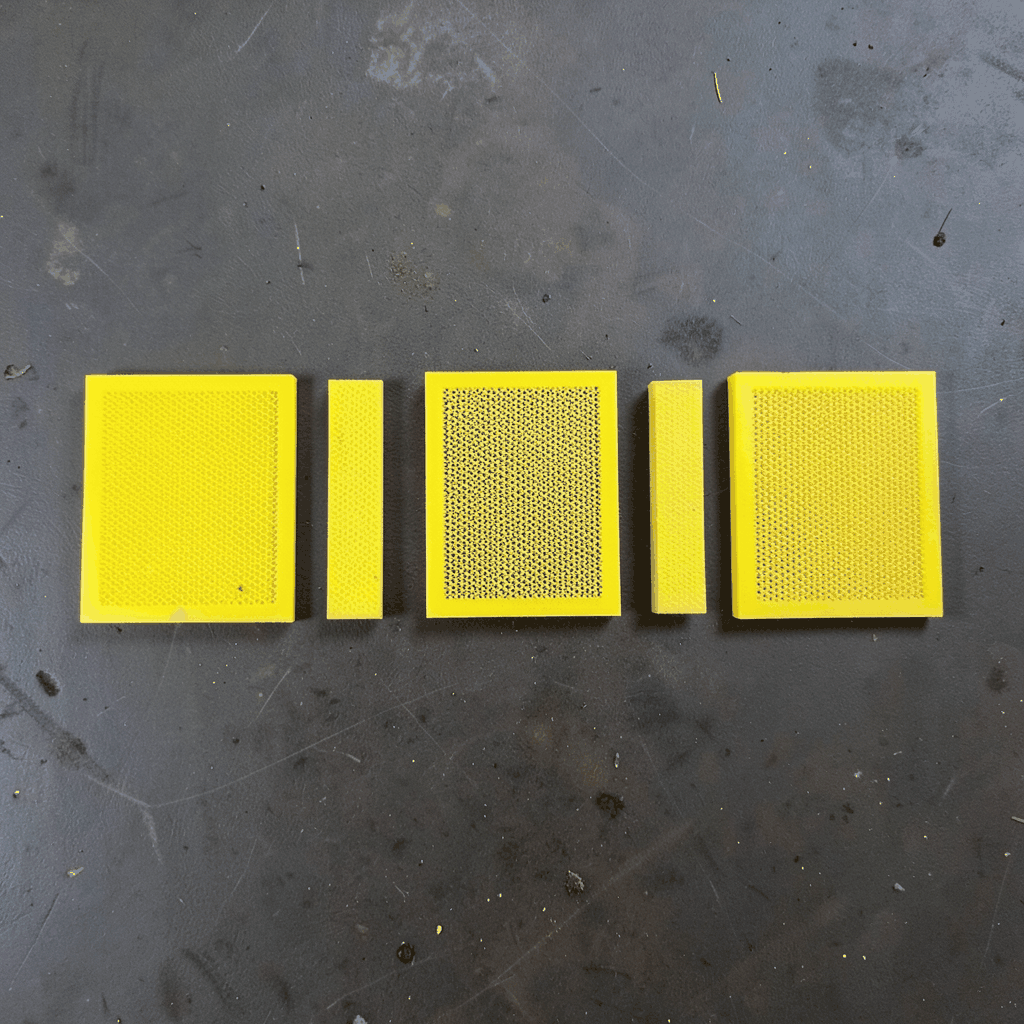
Engineering Durable Metal Mesh Fence Panels
Metal mesh fencing combines security, visibility, airflow, and efficient material use in one engineered system. Its performance depends on far more than the appearance of the mesh pattern. Wire diameter, opening size, frame stiffness, post spacing, surface treatment, and installation conditions all influence how a fence behaves over years of wind, impact, moisture, and daily use.
A durable fence panel must carry loads through a complete structural path. Forces acting on the mesh transfer into welded or framed edges, then into posts, anchors, and foundations. If any connection is undersized or poorly protected, the entire enclosure may loosen, deform, or corrode even when the mesh itself is high quality.
For architectural boundaries, industrial security zones, municipal facilities, farms, and commercial properties, selecting a suitable metal mesh system requires a balance between engineering requirements and visual goals. The right specification delivers dependable service without adding unnecessary weight, cost, or maintenance.
Material selection for long-term performance
The base metal determines the panel’s resistance to corrosion, impact, fabrication stress, and temperature changes. Stainless steel is frequently selected for coastal areas, food-processing facilities, public spaces, and modern architectural projects because chromium-rich alloys form a protective oxide layer. Grades such as 304 and 316 serve different exposure conditions, with 316 offering stronger resistance where salt, chemicals, or persistent moisture are present.
Aluminum provides low weight and strong natural corrosion resistance, making it useful when posts, hinges, or supporting structures have limited load capacity. It is easier to handle during installation, although its lower stiffness compared with steel may require larger profiles or closer support spacing. Carbon steel and low-alloy steel offer high strength at a competitive cost, but they need galvanizing, powder coating, paint systems, or another protective finish to control rust.
Material compatibility also matters. Dissimilar metals in contact can create galvanic corrosion when water and electrolytes are present. Engineers can reduce this risk with compatible fasteners, isolation washers, protective coatings, drainage details, and careful separation between aluminum, stainless steel, and galvanized components.
Mesh geometry and panel stiffness
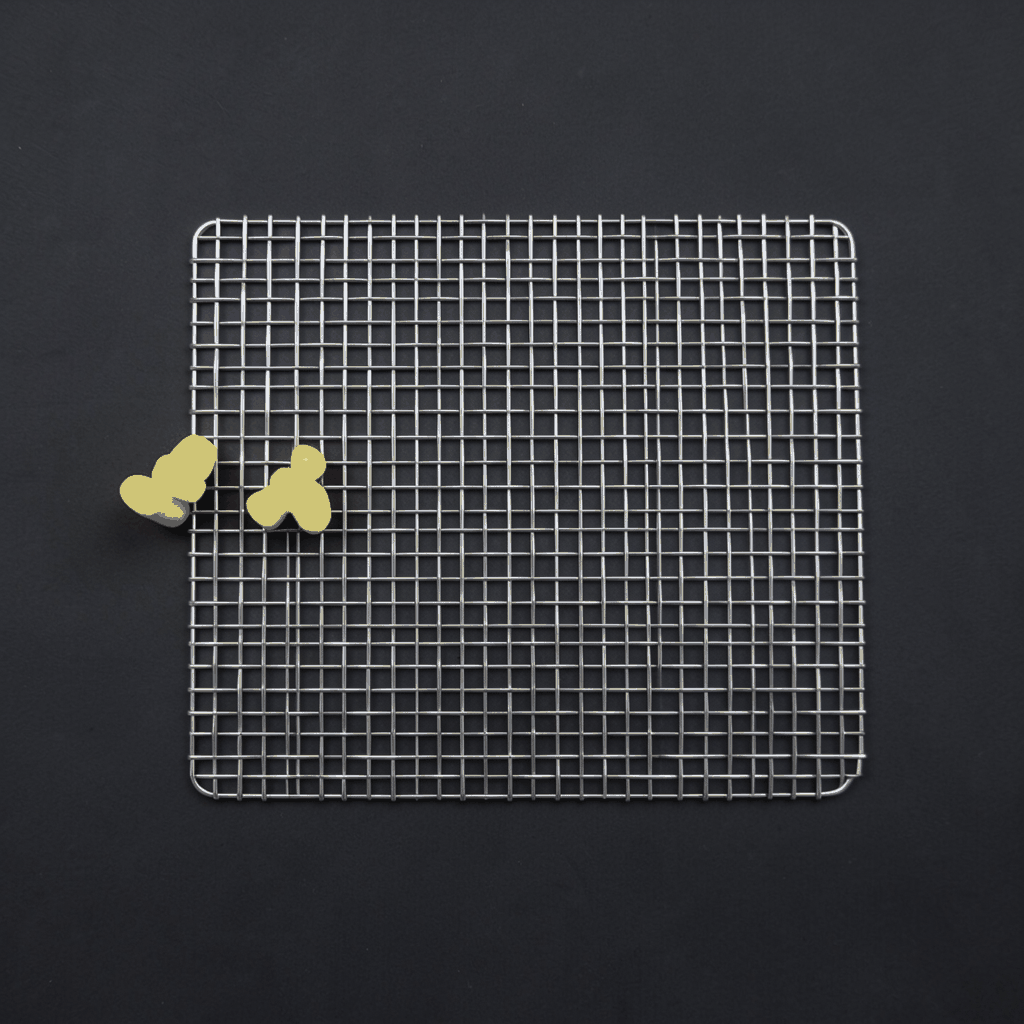
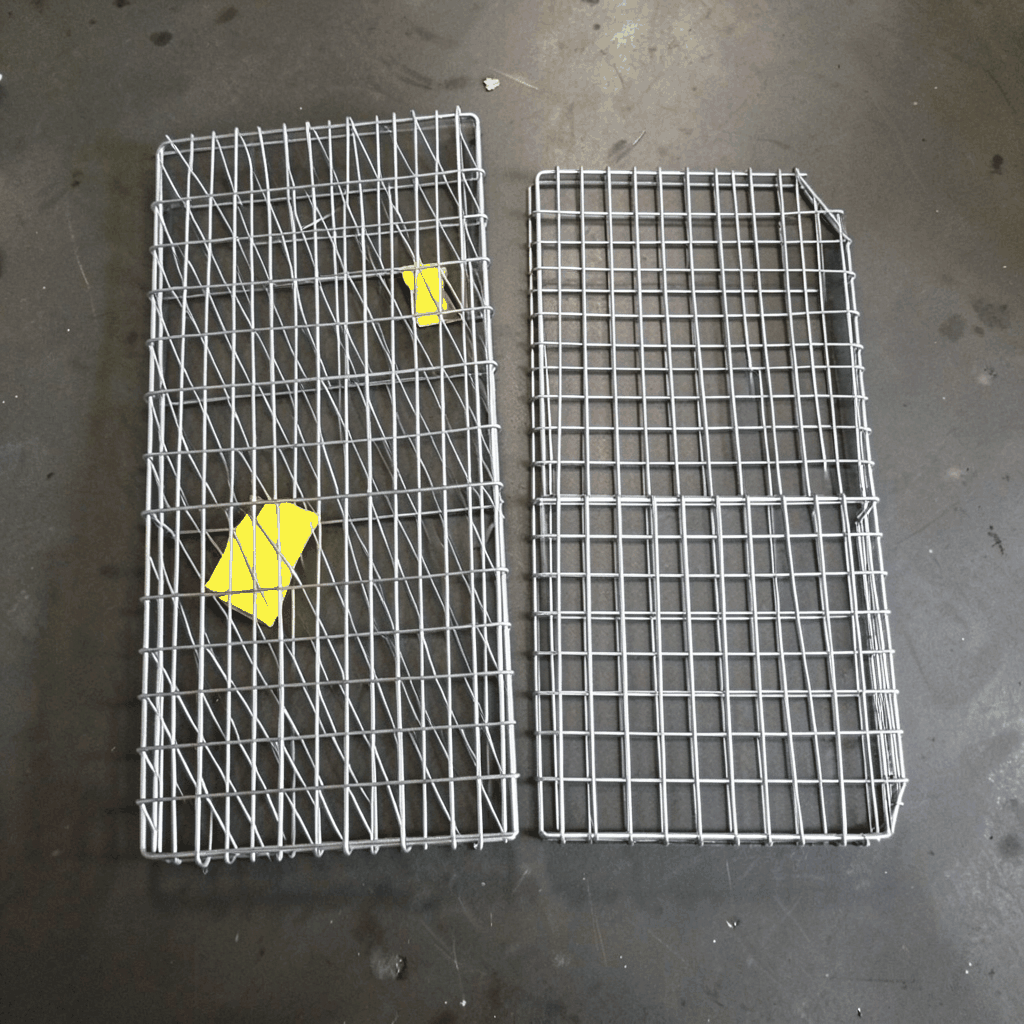
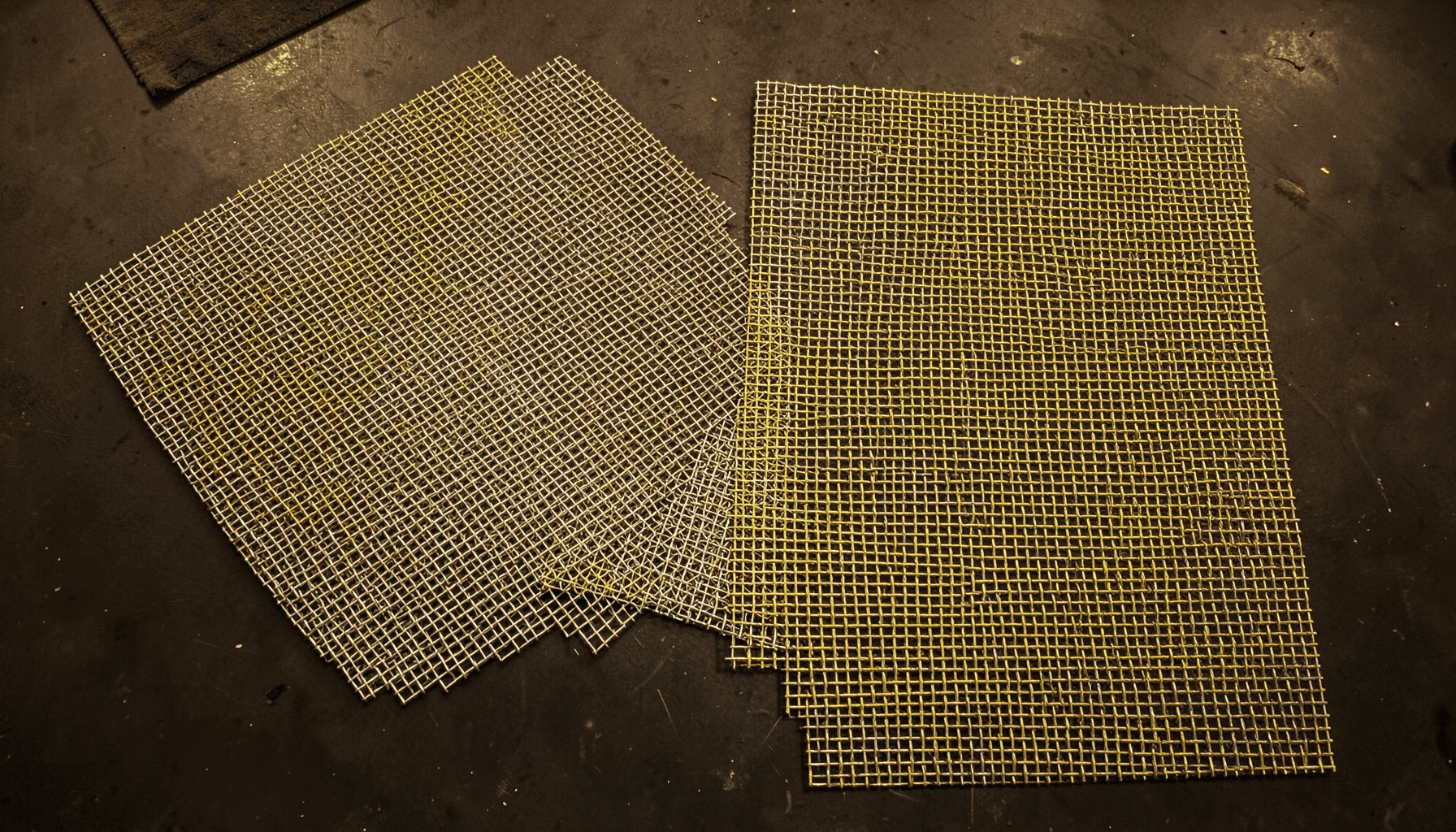
The pattern of the fence controls how efficiently it resists loads. Welded wire mesh has fixed intersections that preserve opening dimensions and provide a relatively rigid surface. Woven mesh can accommodate some movement and is useful where flexibility, screening, or impact absorption is preferred. Expanded metal creates a continuous sheet with strong visual texture, while perforated or laser-cut panels provide customized privacy and design effects.
Opening size should be selected according to the purpose of the enclosure. Small apertures make climbing, reaching, and object passage more difficult. Larger openings reduce material use and wind exposure, but they may offer less security. The wire or strand thickness must work with the opening size; a broad opening made with very thin wire can produce a flexible panel that vibrates, rattles, or deforms under concentrated force.
Panel edges are especially important. A border frame, reinforced perimeter wire, folded edge, or welded flat bar can prevent local spreading and distribute pressure toward the posts. For tall or wide panels, intermediate rails and stiffeners reduce deflection. These members should be positioned so they support the mesh without creating easy footholds or vulnerable points for cutting tools.
Load paths, posts, and connections
Wind is often the dominant design load for exposed fencing. A solid privacy screen experiences greater wind pressure than an open mesh panel because less air passes through it. Engineers therefore consider the projected open area, panel height, local wind speed, terrain, corner locations, and the possibility of pressure on gates or attached signs. End posts and corner posts generally experience higher bending and torsional forces than intermediate posts.
Impact resistance depends on how loads move through the complete assembly. A rigid mesh panel may stop a force effectively, but weak clamps can pull away, thin posts can buckle, or shallow footings can rotate. Posts should be sized for their unsupported height and spacing, while base plates, welds, bolts, and anchors should match the expected shear, tension, and bending forces.
Connections deserve the same attention as the mesh. Continuous welds can provide strong load transfer, but weld quality and post-weld corrosion protection must be controlled. Bolted systems support replacement and adjustment, especially in modular industrial fencing. Tamper-resistant fasteners, concealed fixings, and protected hinges can improve security around sensitive sites.
| Fence element | Primary engineering role | Common failure risk | Useful design response |
|---|---|---|---|
| Mesh wire or sheet | Resists local impact and distributes pressure | Buckling, cutting, tearing, or excessive deflection | Select suitable diameter, thickness, and aperture |
| Perimeter frame | Holds panel shape and transfers loads | Corner distortion or loose edges | Use reinforced borders and sound welds |
| Intermediate rails | Limits panel movement | Vibration and sagging on tall panels | Add rails according to height and span |
| Posts | Carry bending and shear forces | Buckling, rotation, or pullout | Check profile, spacing, and embedment |
| Anchors and bolts | Secure posts and panels | Loosening, corrosion, or pullout | Specify compatible, protected hardware |
| Foundation | Transfers forces to the ground | Cracking, settlement, or overturning | Match footing size to soil and wind conditions |
| Surface finish | Protects exposed metal | Rust, blistering, or coating loss | Use galvanizing, powder coating, or duplex protection |
Corrosion protection and surface finishes
A coating system must be chosen for the actual environment rather than appearance alone. Hot-dip galvanizing places a zinc layer over steel and provides sacrificial protection when the surface is scratched. Powder coating adds color and a uniform architectural finish, while a duplex system combining galvanizing and powder coating can extend service life in demanding outdoor conditions.
Preparation before coating strongly affects durability. Oil, mill scale, welding residue, sharp edges, and trapped moisture can create early coating failures. Weld spatter should be removed, drainage paths should remain open, and hollow sections should be designed with suitable vent and drain holes when galvanizing is required. A coating that looks smooth at delivery may fail quickly if the substrate was not properly prepared.
The fence should also be detailed to shed water. Horizontal pockets, unsealed overlaps, and direct contact with wet soil can create localized corrosion. In coastal or industrial locations, scheduled washing may remove salt and chemical deposits before they concentrate at joints. Galvanized, stainless, and coated components should be inspected together because the least protected part often determines the maintenance interval.
Manufacturing precision and quality control
Durable metal fence panels begin with consistent raw materials and controlled fabrication. Wire diameter, sheet thickness, tensile strength, aperture dimensions, and flatness should remain within agreed tolerances. Accurate resistance welding creates uniform intersections, while poor heat control can leave weak welds, excessive burn-through, or distortion along the panel edge.
Cutting and forming processes affect both appearance and structural reliability. Laser cutting produces precise shapes for decorative security screens and custom patterns, but heat-affected areas should be reviewed where corrosion resistance is critical. Press-braked folds can increase stiffness, provided bends do not damage protective finishes or create sharp edges that complicate handling.
A qualified manufacturer should verify dimensions, weld continuity, coating thickness, color consistency, and assembly fit before shipment. For projects with demanding performance requirements, sample panels, inspection reports, salt-spray testing, pull tests, or load verification can provide useful evidence. Working with a specialist in custom mesh solutions can help align the selected material, pattern, finish, and fabrication method with the project environment.
Installation details that preserve strength
Even a well-designed panel can underperform when installation ignores the site. Soil bearing capacity, frost depth, drainage, slope, existing utilities, and foundation spacing affect post stability. Concrete footings must reach suitable depth and gain adequate strength before the fence is subjected to significant wind or accidental impact.
Panel alignment should be checked before final tightening or welding. Uneven ground may require stepped panels, trimmed sections, adjustable brackets, or specially fabricated posts. For long runs, installers should maintain expansion allowances where temperature changes are significant. Gates need additional attention because repeated opening cycles place dynamic loads on hinges, latches, stops, and adjacent posts.
The finished installation should avoid direct contact between the mesh and standing water, vegetation, soil, or aggressive chemicals. Cut edges and field welds require compatible repair coatings. Fasteners should be tightened to the correct level: loose hardware permits movement, while excessive force can crush thin sections or damage protective finishes.
Practical specifications for a reliable fence
Project owners, architects, and contractors can improve results by defining performance requirements before choosing a pattern or finish. A specification should state the required height, opening size, wire or sheet thickness, post spacing, wind exposure, security level, gate arrangement, corrosion category, and expected service life. It should also identify whether the fence is a freestanding barrier, a boundary screen, a guardrail, or part of a larger access-control system.
The following checks help convert general durability goals into measurable decisions:
- Match the metal grade and coating system to humidity, salt, chemicals, pollution, and cleaning practices.
- Verify panel deflection, post strength, anchor capacity, and foundation stability for local wind and impact conditions.
- Select aperture dimensions that support visibility, airflow, privacy, anti-climb performance, and safety requirements.
- Specify protected welds, compatible fasteners, drainage details, and repair procedures for field cuts or damage.
- Require dimensional, coating, and assembly inspections before delivery and after installation.
Regular maintenance then protects the original engineering. Inspect posts, welds, anchors, hinges, and lower panel edges at planned intervals. Remove accumulated dirt, repair scratches before corrosion spreads, and replace distorted components rather than forcing them back into position. A short maintenance record can reveal recurring movement, water retention, or impact points that deserve a permanent design adjustment.
Metal mesh fencing offers a flexible platform for security and architectural expression, but its durability comes from disciplined coordination. Material selection, mesh geometry, structural load paths, protective finishing, fabrication control, and installation quality must work together. When these factors are specified as one system, fence panels can remain stable, attractive, and serviceable through demanding outdoor conditions.
For a project requiring welded mesh, decorative screens, security barriers, gates, or tailored architectural metalwork, review the site conditions and performance targets with an experienced manufacturer early in the design process. Share the required dimensions, material preference, opening pattern, finish, and application so the fence can be engineered and produced for dependable long-term service.