Correct Tension for Woven Mesh Panel Installation
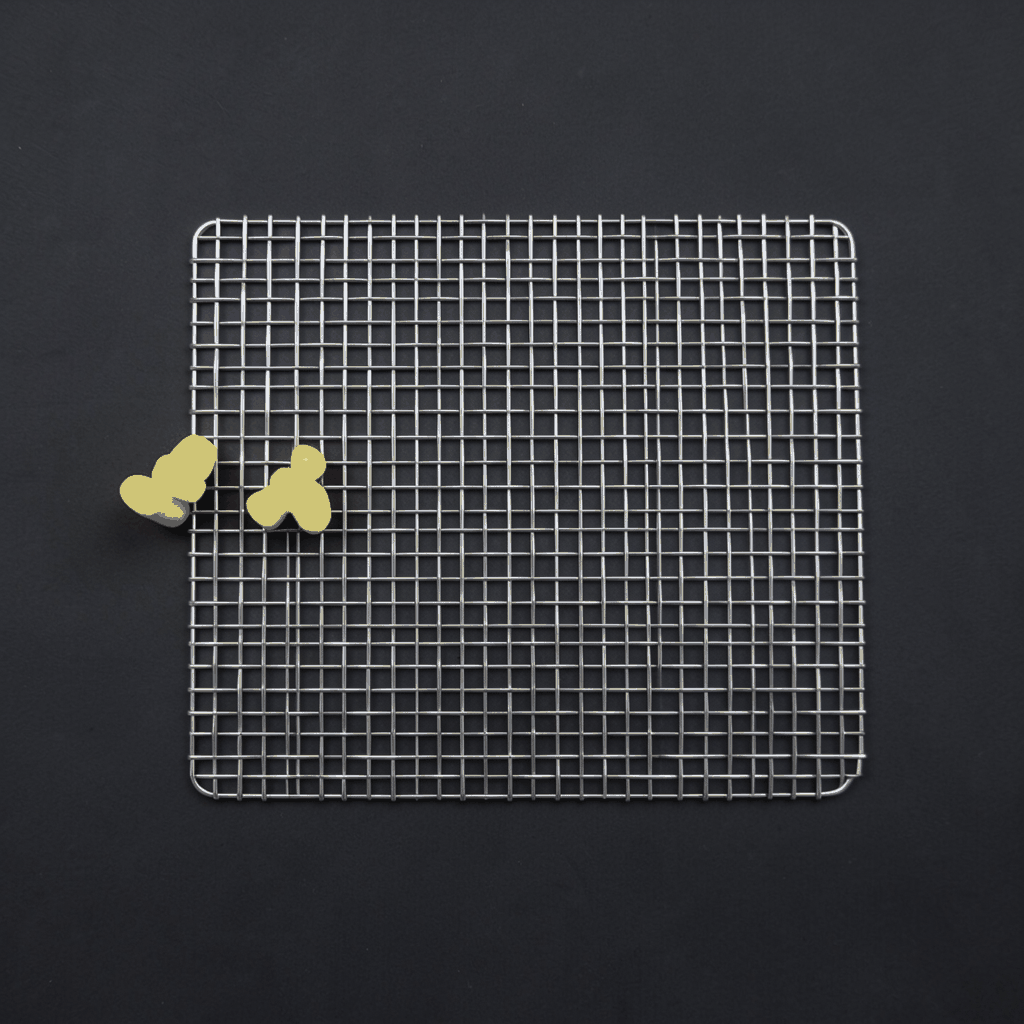
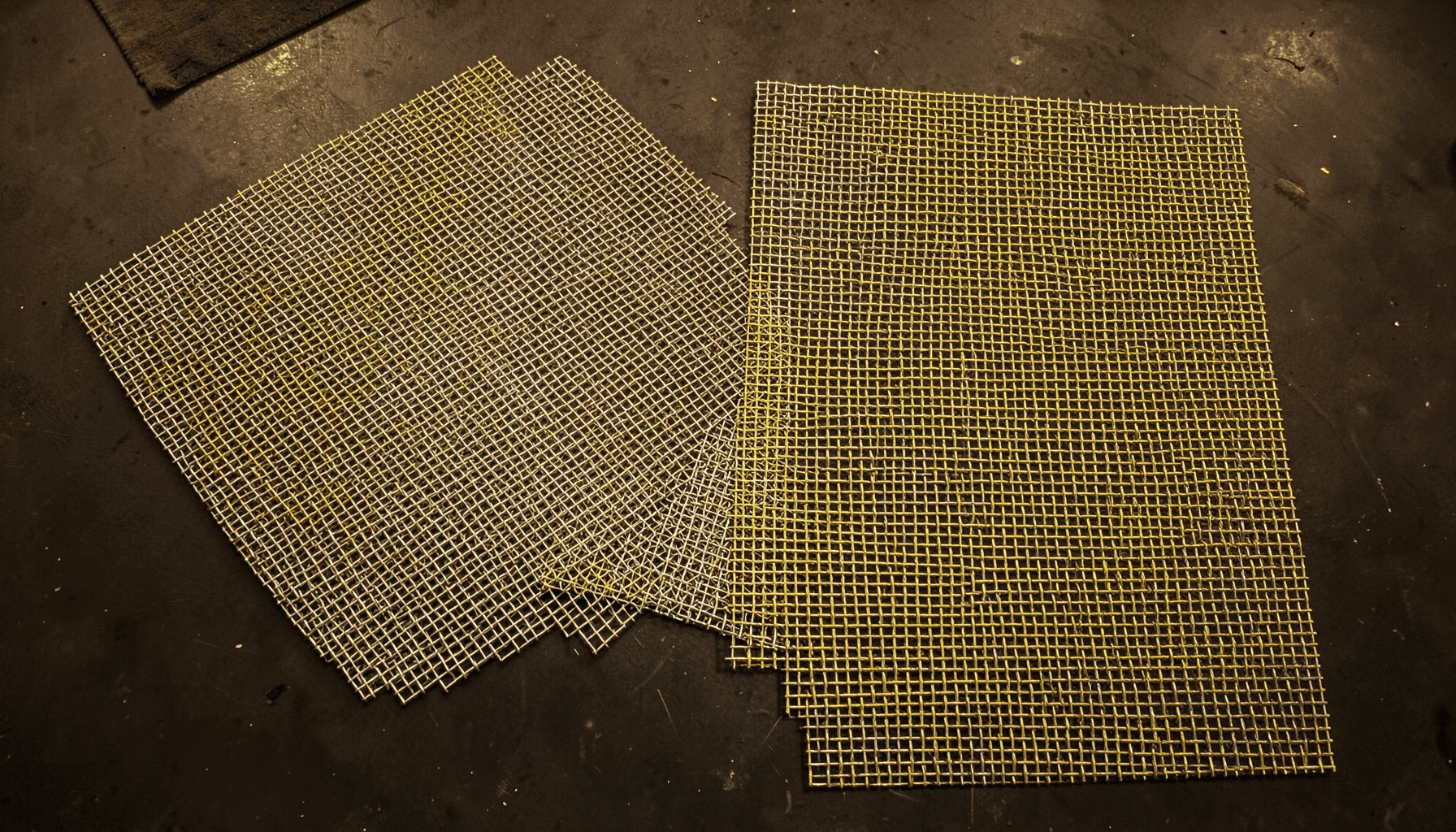
Woven mesh panels combine flexible metal wires with a structured opening pattern, making them suitable for façade screens, partitions, balustrade infill, ceiling features, security barriers, and industrial enclosures. Their appearance and performance depend heavily on how they are installed. A panel that is correctly manufactured can still look uneven or perform poorly if its tension is too low, too high, or distributed inconsistently.
Correct tension keeps the mesh plane stable between its supports. It helps preserve the intended geometry, reduces vibration, limits deflection, and creates a clean architectural finish. For industrial applications, proper tension also supports reliable airflow, filtration, guarding, and separation.
The right installation method depends on the mesh material, panel dimensions, opening size, support frame, exposure to wind or vibration, and the required visual effect. Stainless steel, aluminum, copper, iron, and other alloys react differently to loading and temperature changes, so tension should be treated as an engineered installation requirement rather than a final cosmetic adjustment.
Why Tension Controls Panel Performance
A woven mesh panel is made from interlaced wires that can move slightly under force. This flexibility is useful because the material can absorb impact and accommodate minor movement in a building or frame. However, an unsupported or loosely installed panel may develop waves, pockets, sagging, or irregular openings. These defects are especially visible on large decorative screens and elevator or wall cladding.
Tension creates a more stable surface by distributing force across the panel and into the surrounding frame. When the load is balanced, the mesh remains flatter and the wires maintain their designed relationship. This improves the visual rhythm of the weave and helps prevent individual wires from taking excessive stress.
Tension also influences safety. In guardrails, protective screens, and machine enclosures, loose mesh can move into adjacent equipment or create openings larger than intended. In façade installations, excessive movement can lead to noise, fastener wear, and damage at the edges. A properly tensioned panel offers predictable behavior during normal use and under moderate external loads.
How Woven Mesh Responds to Installation Forces
The amount of tension a panel can accept is not determined by size alone. Wire diameter, weave type, material grade, open area, panel width, and edge construction all affect its response. A fine stainless steel mesh may require gentle, even adjustment, while a heavier architectural cable or rod mesh may need stronger edge hardware and a more substantial support frame.
Temperature changes can alter the tension after installation. Metal expands when heated and contracts when cooled, while the supporting frame may respond at a different rate. If a panel is pulled excessively tight during a cool installation, warmer conditions may increase stress in the wires, fasteners, or frame. Allowance for thermal movement is particularly important on exterior façades and large municipal structures.
Wind pressure, air movement, vibration, and repeated contact can also influence panel behavior. A decorative room divider may need only enough tension to remain flat and quiet. A perimeter fence, elevator cladding system, or industrial filter support may require tighter dimensional control. The installation specification should reflect the actual service environment instead of applying the same tension to every application.
Planning the Frame and Attachment Points
A reliable result begins with a rigid, accurately aligned frame. If the frame is twisted, out of square, or insufficiently supported, installers may try to correct the defect by pulling the mesh harder. This transfers structural problems into the panel and can produce permanent distortion. Check the frame diagonals, level, plumb, and attachment spacing before the mesh is connected.
The panel should be measured against the finished opening, including the intended clearance around the perimeter. A small allowance may be needed for edge fittings, turnbuckles, hooks, clamps, or folded borders. The panel must never be forced into an opening that is smaller than its prepared dimensions, since this can damage the edge and create uneven loading.
Attachment points should be distributed evenly along the top, bottom, and side edges where the design requires restraint. Long unsupported edges are more likely to flutter or bow. For large panels, intermediate rails or concealed support members may be needed to limit movement. The support design should also allow installers to make gradual adjustments rather than relying on a single tightening point.
Comparing Tensioning Methods
Different fixing systems provide different levels of adjustment and visual control. Welded or folded edges offer a clean appearance and can be effective for fixed interior panels, but they provide limited adjustment once the mesh is attached. Clamps and bolts are versatile, while turnbuckles and threaded systems allow precise tensioning over larger spans.
| Tensioning method | Typical application | Main advantage | Key installation concern |
|---|---|---|---|
| Perimeter clamps | Interior partitions, screens, light façades | Simple access and replaceability | Clamp spacing must be consistent |
| Bolted edge bars | Heavy panels, fences, industrial guarding | Strong, distributed restraint | Avoid crushing the mesh at bolt points |
| Turnbuckles | Large decorative panels and cable-supported mesh | Fine adjustment after fitting | Hardware must be locked against loosening |
| Hook or eye systems | Curtains, flexible dividers, temporary screens | Fast installation and removal | May allow excessive movement if widely spaced |
| Welded or folded borders | Fixed cladding and framed inserts | Clean finished edge | Minimal adjustment after fabrication |
A practical system often combines more than one component. For example, a panel may use a folded perimeter edge with bolts along the frame and turnbuckles at selected corners. This arrangement gives the installer both a finished appearance and controlled adjustment. Hardware should match the mesh material and the installation environment to reduce galvanic corrosion and premature wear.
The tensioning method should also support future maintenance. A panel that cannot be loosened or removed may create unnecessary costs when access is required behind a wall screen, filter guard, or machine enclosure. Shuo Ke Wire Mesh Product Technology Co., Ltd. can process architectural and industrial mesh products with customized dimensions and edge treatments to suit the planned fixing system.
A Controlled Installation Sequence
Begin by placing the woven mesh panel against the prepared frame without applying full tension. Confirm the orientation, weave direction, edge position, and clearance. For patterned or decorative mesh, compare the alignment with adjacent panels before tightening any hardware. This early check prevents a visually consistent installation from being compromised by a small alignment error.
Attach the panel at the primary reference points, usually the center of the upper and lower edges or the designated corners. Continue toward the sides in alternating stages. Tightening from one corner across the entire panel can pull the weave diagonally and create a skewed pattern. Gradual, symmetrical adjustment distributes the load more effectively.
After the initial fixing, inspect the panel from several angles and under the intended lighting. Look for sagging, diagonal pull, ripples, open edge gaps, and variations in the mesh pattern. Make small adjustments rather than large turns of a tensioning device. When the surface is stable and visually even, secure nuts, clamps, or turnbuckles against vibration and record the final settings where practical.
Do not use tension to compensate for a damaged panel, a bent frame, or an incorrect opening. Excessive force may stretch wires beyond their elastic range, deform the weave, strip threads, or overload the supporting structure. If an irregularity cannot be corrected through moderate adjustment, the installation should be paused for inspection.
Managing Common Installation Problems
Sagging usually indicates insufficient tension, excessive panel span, inadequate intermediate support, or a frame that has moved. Increasing tension may provide a temporary visual improvement, but it does not solve a weak support condition. Review the span and attachment layout before tightening further.
Waves or diagonal wrinkles often result from uneven adjustment. Releasing the hardware slightly and retensioning from the center outward can restore a more regular plane. If the panel has been permanently overstretched, however, it may need replacement. Woven wire mesh can tolerate controlled movement, but repeated over-tensioning can alter the geometry of the weave.
Noise and vibration are common where panels are exposed to wind, machinery, ventilation, or frequent contact. Increasing tension alone may not eliminate the problem. Edge isolation pads, closer fastener spacing, intermediate supports, or a different mesh construction may be more effective. The selected solution should preserve drainage, ventilation, and the intended open area.
Corrosion at fixing points can also weaken tension over time. Stainless steel mesh should be paired with compatible hardware, while aluminum, copper, iron, and coated steel require appropriate separation and surface protection. Inspect the contact between dissimilar metals and keep water from collecting around clamps and folded edges.
Maintaining Stable Tension Over Time
A completed installation should be checked after the first period of service, especially on exterior screens, fences, gates, and large cladding panels. New structures may settle, hardware may bed into position, and temperature cycles may reveal uneven loading. A follow-up inspection allows minor adjustments before movement becomes permanent.
Routine checks should examine fasteners, welds, edge bars, turnbuckles, frame connections, and areas where the mesh contacts another material. Look for broken wires, elongated holes, loosened nuts, coating damage, and changes in the panel plane. Industrial installations may require more frequent inspection because vibration, dust, cleaning, and impact can accelerate wear.
Cleaning should be performed without bending or snagging the mesh. Harsh chemicals can damage coatings or promote corrosion at attachment points. When a panel must be removed, mark its orientation and attachment locations so it can be reinstalled with the same alignment and approximate tension. Replacement sections should match the original wire diameter, weave, material, and edge preparation.
Installation Recommendations
Correct tension is easiest to achieve when design, fabrication, and site work are coordinated. Use the following practices for architectural and industrial woven mesh projects:
- Confirm panel dimensions, weave direction, edge treatment, and frame tolerances before fabrication.
- Use a rigid, square support frame with attachment points spaced for the panel size and service conditions.
- Tension gradually from balanced reference points instead of tightening one corner to completion.
- Select corrosion-compatible clamps, bolts, turnbuckles, washers, and isolation materials.
- Inspect the finished panel for sagging, ripples, diagonal distortion, loose hardware, and excessive vibration.
- Schedule a follow-up inspection after the installation has experienced normal temperature, wind, or operational conditions.
For a dependable result, the mesh, edge construction, and fixing system should be developed as one assembly. Shuo Ke Wire Mesh Product Technology Co., Ltd. provides customized metal mesh solutions for decorative partitions, wall and elevator cladding, fences, guardrails, filters, baskets, and other applications where appearance and practical engineering must work together. Contact the company with the opening dimensions, material preference, service environment, and desired finish to develop a woven mesh panel solution with suitable tensioning and support details.