How mesh supports successful vertical garden trellis systems
Vertical gardens can turn a bare wall, balcony screen, courtyard boundary or commercial façade into a productive and visually engaging landscape. Within these installations, mesh provides the framework that supports climbing plants, distributes their weight and helps maintain a controlled distance between vegetation and the building surface. It can serve as a practical trellis, a screening element, or a design feature in its own right.
The right mesh system must suit the plants, the site, the local climate and the expected maintenance routine. In Australia, a trellis in a shaded Melbourne courtyard may face very different conditions from one exposed to salt air in Sydney, strong sun in Perth or humid summers in Brisbane. Material selection, aperture size, fixing methods and drainage all influence how well a vertical garden performs over time.
Creating a reliable structure for climbing plants
A vertical garden trellis needs to carry more than the initial weight of a few stems. As plants mature, branches, leaves, flowers and retained moisture add load to the system. Wind can increase the pressure further, especially when dense foliage forms a broad surface. Mesh provides a continuous support plane that spreads these forces across multiple fixing points rather than concentrating them at isolated hooks or wires.
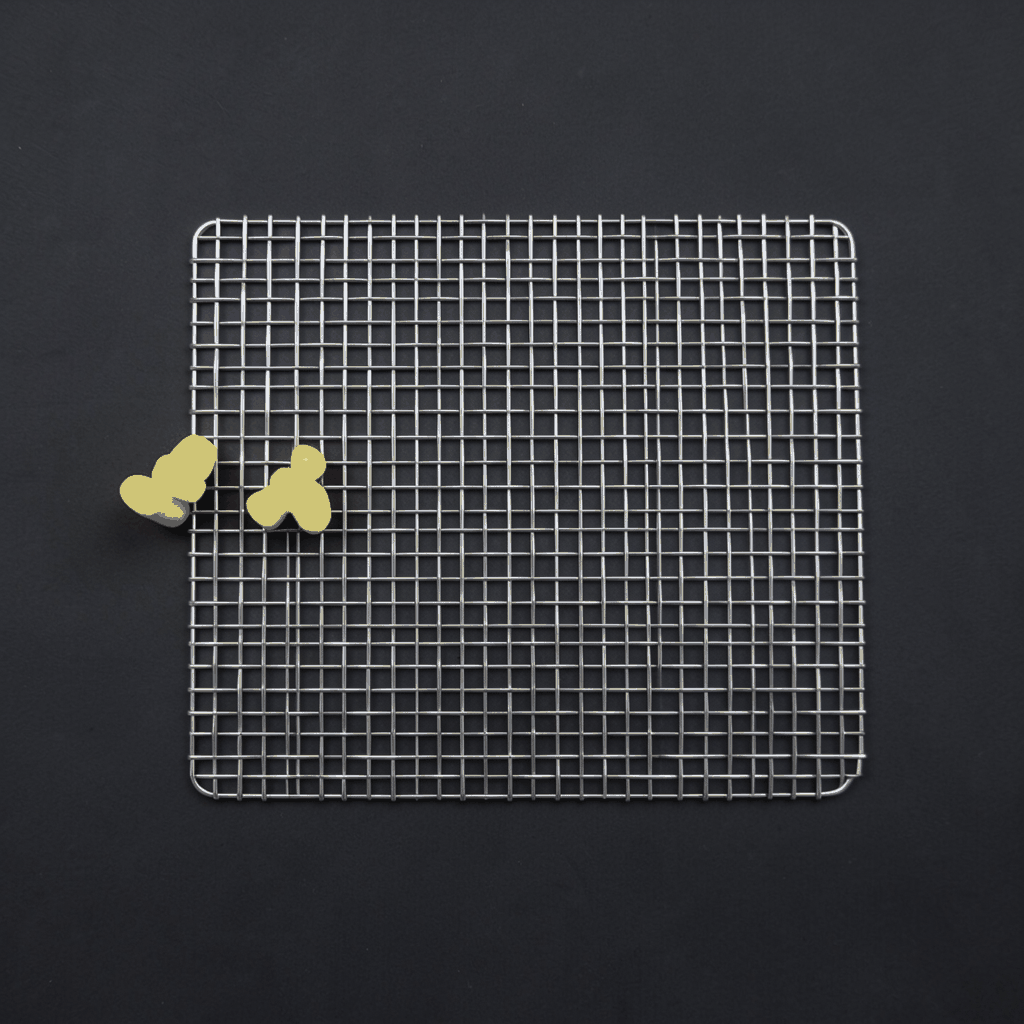
The mesh pattern also determines how plants grow through or around the structure. Welded wire mesh offers a regular grid for tendrils and soft stems, while expanded metal and perforated panels can provide a stronger architectural screen for heavier growth. Cable-style openings may suit lightweight climbers, but a rigid metal mesh is often easier to align and maintain on larger walls, fences and freestanding frames.
A sound system should be designed with the final plant size in mind. Lightweight annual vines may require only a modest grid, whereas mature bougainvillea, jasmine or passionfruit can place considerable stress on supports. Where plants are vigorous, a reinforced frame, deeper standoffs and securely anchored posts help protect both the mesh and the wall behind it.
Choosing materials for Australian conditions
Stainless steel mesh is a strong option for exposed gardens, coastal properties and commercial installations where corrosion resistance is important. It has a clean appearance that works with contemporary architecture and can remain visually effective as foliage changes through the seasons. Marine exposure around Sydney’s coastal suburbs or Queensland seaside locations may justify a higher corrosion-resistant grade and careful attention to compatible fasteners.
Aluminium mesh offers low weight and useful resistance to outdoor corrosion. This can make it suitable for balcony trellises, screens attached to lightweight frames and projects where installation access is limited. Its lower mass can reduce the demand on a supporting structure, although the mesh profile and frame still need enough rigidity for wind and plant loads.
Powder-coated steel or galvanised steel may be practical for courtyards, fences and larger garden structures when the coating system is appropriate for the environment. Copper and weathering-style finishes can add a distinctive decorative character, although their appearance changes with age and their suitability depends on the surrounding materials. Shuo Ke can process mesh in stainless steel, aluminium, copper, iron and other alloys for projects that require a specific balance of strength, finish and visual identity.
Managing light, airflow and plant health
A vertical trellis should support vegetation without creating an impenetrable barrier. Open mesh allows sunlight to reach leaves and encourages air movement through the foliage. This is important in humid conditions, where poor ventilation can increase the risk of fungal problems and prolonged leaf wetness. In Brisbane or tropical parts of northern Australia, an open structure can be particularly valuable during warm, rainy periods.
The mesh aperture should match the plant’s growth habit. Fine openings can support delicate tendrils and create a dense visual screen, but they may trap dead leaves and make pruning more difficult. Larger openings allow easier access for tying, training and harvesting. They can also reduce the amount of material in the panel, which may improve airflow and reduce wind resistance.
The distance between the mesh and the wall deserves careful consideration. A small gap allows climbers to grip the support while helping prevent stems and leaves from remaining pressed against masonry, cladding or painted surfaces. A larger ventilated cavity can assist inspection, cleaning and drainage. The final spacing should account for the plant species, irrigation system and access requirements around windows, vents and service equipment.
Combining privacy, shade and visual design
Many vertical gardens are installed to achieve several purposes at once. A trellis may screen a neighbour’s view, soften a boundary fence, shade a west-facing window or conceal mechanical equipment. Decorative metal mesh can provide a useful level of privacy before the plants mature, then become a patterned background once the garden is established.
Laser-cut panels are suitable where a project calls for a more expressive appearance. Organic motifs, geometric patterns or site-specific designs can be combined with climbing plants to create layered shadows and a strong architectural identity. Perforated and woven mesh products offer other ways to control transparency, allowing designers to balance privacy with daylight.
For Australian homes, balconies and courtyards, the design should remain practical as well as attractive. In a Melbourne terrace, a slim trellis may need to preserve valuable floor area. In Perth, a screen on the western side of a house may help reduce afternoon glare but must be finished for intense ultraviolet exposure. At a hospitality venue in Sydney, the mesh can define outdoor seating while supporting greenery and maintaining clear circulation routes.
Integrating mesh with walls, fences and frames
The installation method affects the durability of the entire garden. Mesh can be attached to masonry walls with stand-off brackets, fixed to steel or timber posts, mounted within a fabricated frame, or incorporated into a fence or gate. Each method must account for the substrate, wind exposure, plant weight and access for future repairs.
Fixings should be selected to avoid galvanic corrosion and premature staining. For example, dissimilar metals in a wet coastal environment can react when they are in direct contact. Stainless fasteners, isolating washers and suitable coatings may help extend service life. Drainage paths should remain clear so that irrigation water does not collect around brackets, wall penetrations or the base of the frame.
Strata and commercial properties may require approval before a trellis is fixed to a façade, balcony or shared boundary. Australian owners’ corporations, local planning requirements and building managers can have rules about external alterations, waterproofing, access and fire safety. A removable freestanding frame may be preferable where permanent penetrations are restricted, while public or high-traffic sites may require additional protection against impact and unauthorised access.
Supporting sustainable and productive gardens
Mesh trellises can make better use of limited urban space by moving plants upwards instead of spreading them across the ground. This is valuable in compact courtyards, rooftop gardens and apartment balconies, where residents may want herbs, vegetables, flowering climbers or screening plants without sacrificing circulation. A vertical arrangement can also keep foliage away from walkways and simplify the organisation of pots and planters.
Edible climbers such as beans, cucumbers and some varieties of passionfruit benefit from a support system that allows easy access for harvesting. Open, rigid mesh makes it easier to inspect fruit, remove damaged growth and guide new stems. Planters should still be sized for the mature root system, with adequate drainage and a secure connection between the planter, frame and surrounding structure.
Water management is especially important in regions affected by drought or seasonal restrictions. Drip irrigation can deliver moisture directly to planter media while limiting overspray onto metal surfaces and nearby walls. In water-conscious suburbs around Adelaide, Melbourne or Perth, selecting plants suited to the local climate can reduce irrigation demand. Mulching, moisture-retaining soil mixes and weather-based irrigation controls can further improve efficiency.
Planning installation and long-term maintenance
A successful trellis begins with a clear site assessment. Measure the available height and width, identify existing services, check the wall or ground condition, and observe sunlight and prevailing wind at different times of day. The design should leave enough room for pruning tools, irrigation inspection and access to windows, doors, gutters and air-conditioning units.
Maintenance requirements vary with the mesh finish and the plant selection. Periodic washing can remove salt deposits, dust and fertiliser residue, particularly near the coast. Check welds, edges, brackets and posts for movement or corrosion, and inspect the plant ties so that growing stems do not become constricted. Any cut or damaged coating should be repaired with a compatible treatment recommended for the material.
Pruning is part of the structural care routine. Removing excess growth reduces wind load, keeps pathways clear and limits contact with roofs, gutters and electrical equipment. Fast-growing vines should be trained early rather than allowed to become tangled throughout the mesh. A well-planned system makes these tasks manageable and helps the garden remain attractive across changing seasons.
Mesh can also be designed for replacement or future expansion. Modular panels allow a damaged section to be removed without dismantling the entire installation. Standardised frames, accessible fixings and accurately fabricated openings can reduce disruption when the garden changes or a new plant is introduced.
Customising mesh for residential and commercial projects
A prefabricated garden support may suit a small planter, but larger projects often benefit from customised mesh fabrication. Panel dimensions, edge treatments, mounting holes, folds, frames and surface finishes can be developed around the site rather than forced into standard sizes. This is useful for curved walls, irregular boundaries, stair voids, rooftop screens and integrated façade features.
Shuo Ke Wire Mesh Product Technology Co., Ltd. produces architectural and industrial mesh products for applications including screens, partitions, fences, gates, guardrails, cladding and customised metal components. The same manufacturing capability can be applied to vertical garden structures that need a particular aperture, alloy, finish or fabrication detail. Decorative mesh may support planting while contributing to the overall identity of a residence, retail site, office, hotel or public landscape.
For a commercial project, the trellis may need to coordinate with signage, lighting, security barriers and cleaning access. For a residential project, the priorities may be a quiet appearance, low maintenance and compatibility with existing paving or fencing. Early coordination between the landscape designer, fabricator, builder and plant supplier helps ensure that the mesh performs as a structural, environmental and decorative element.
A well-designed mesh trellis gives plants a stable route to grow while protecting the building and improving the use of vertical space. Material, aperture, spacing, finish and fixing details should be selected together, with Australia’s varied climate and practical site conditions in mind. Contact Shuo Ke Wire Mesh Product Technology Co., Ltd. to discuss a customised metal mesh solution for a vertical garden, planter screen, green wall frame or architectural landscape project.