The Role of Wire Mesh in Creating Durable Industrial Safety Partitions
Industrial facilities need to control movement, separate work zones, and protect people from machinery without making the entire site difficult to access. Wire mesh safety partitions provide a practical way to create secure boundaries while preserving visibility, ventilation, and communication between operators.
Unlike solid barriers, metal mesh systems allow supervisors to observe production areas and employees to see approaching vehicles, equipment, and coworkers. When correctly specified, they also resist impacts, corrosion, abrasion, and daily handling in demanding environments.
The performance of a partition depends on more than the mesh itself. Material grade, wire diameter, aperture size, frame construction, post spacing, anchoring, gates, and surface finish all influence service life. A coordinated system can support industrial safety requirements while fitting the layout and operating needs of a facility.
Defining Industrial Safety Partitions
An industrial safety partition is a fixed or modular barrier used to divide areas within a factory, warehouse, workshop, utility plant, or logistics center. It may protect personnel from moving machinery, isolate robotic cells, restrict access to hazardous processes, or separate storage and circulation zones.
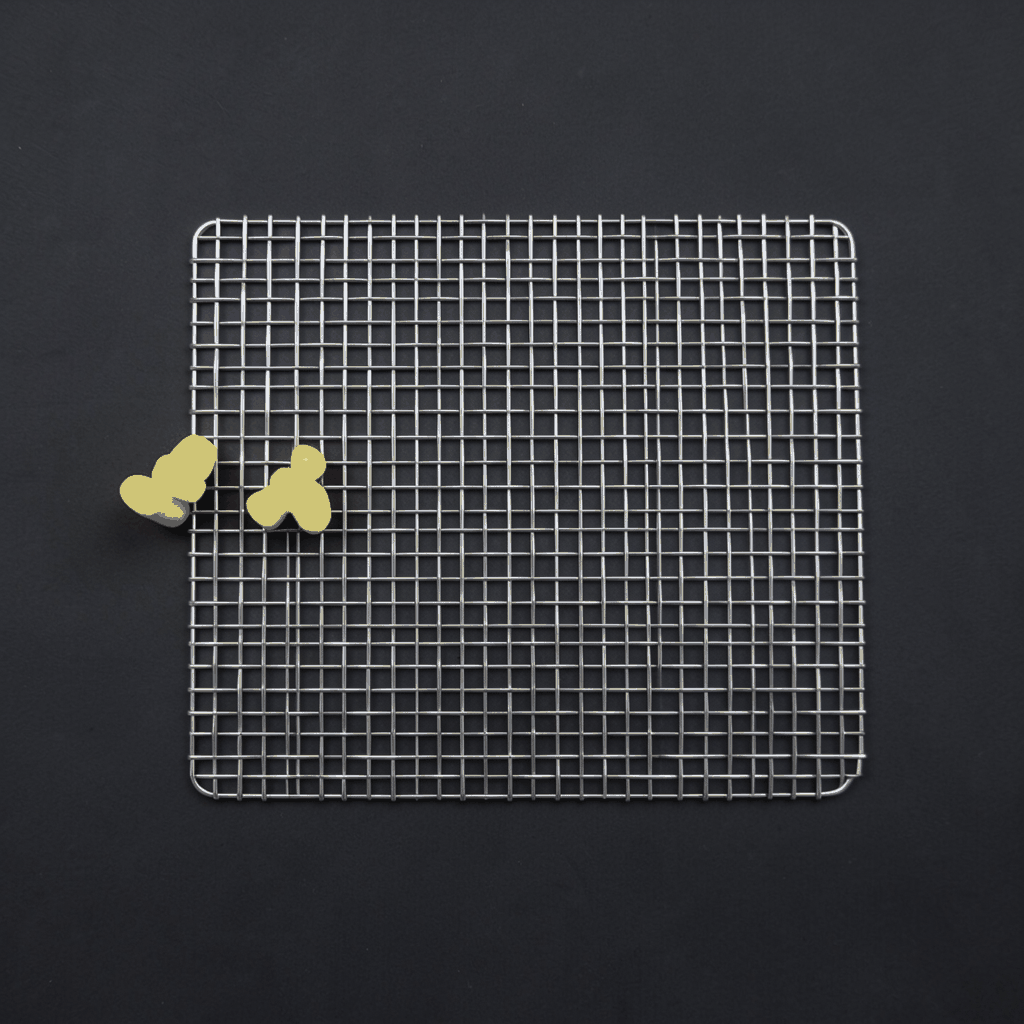
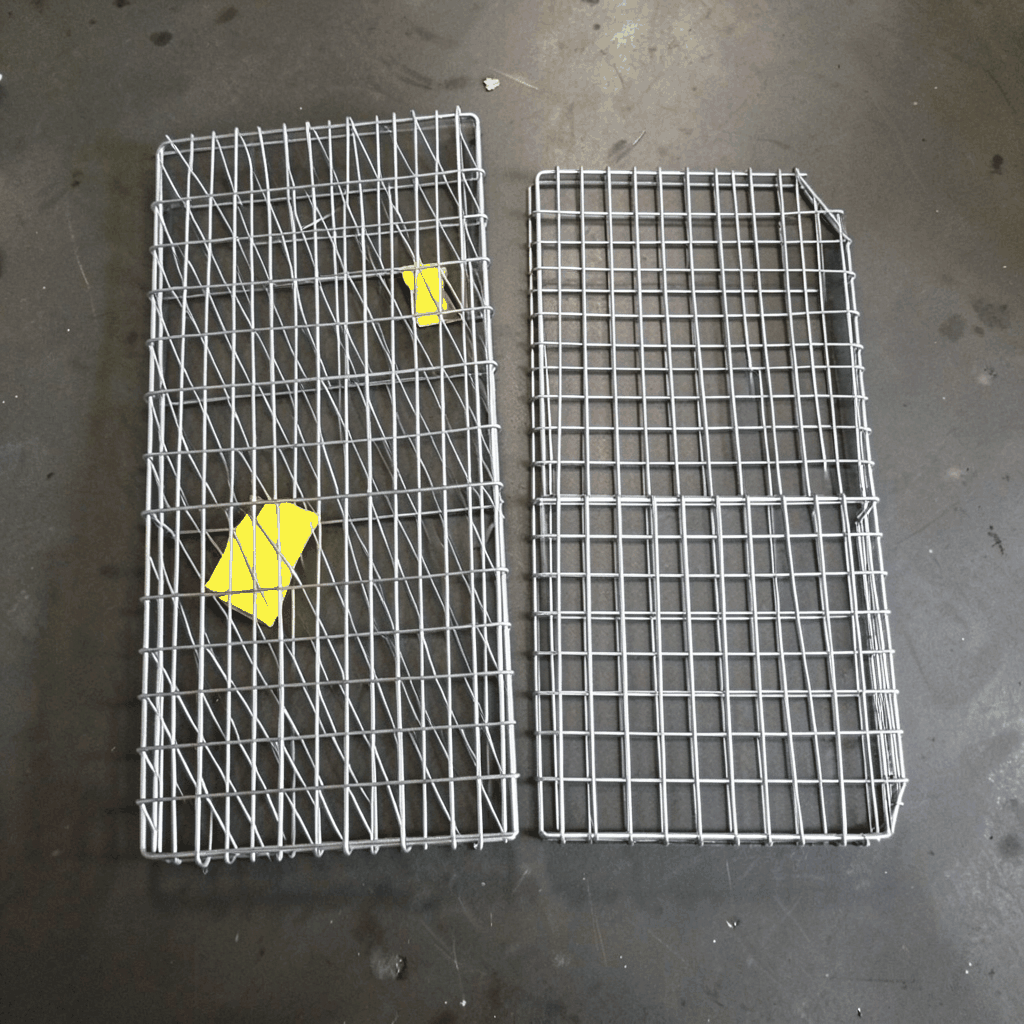
Wire mesh partitions generally consist of welded or woven mesh panels, steel posts, horizontal supports, doors, hinges, locks, and floor or wall connections. The panels form a visible physical boundary, while the supporting structure transfers impact and operational loads to the building or floor.
These systems are different from temporary construction fencing or lightweight storage dividers. A production-area barrier must remain stable under repeated use, resist accidental contact, and maintain its shape over time. In high-risk locations, the design may also need to prevent hands, tools, or loose objects from reaching protected equipment.
A well-planned layout includes access points for maintenance and emergency response. Sliding gates, swing gates, interlocked doors, and removable panels can be incorporated without weakening the overall enclosure. This makes wire mesh suitable for both permanent safety zones and production lines that may be reconfigured in the future.
Why Mesh Performs Well in Demanding Workplaces
Visibility is one of the strongest advantages of metal mesh partitions. Operators can monitor machines, conveyor systems, and restricted areas without opening a gate or entering the enclosure. Supervisors gain a clearer view of production, while workers can identify warning lights, alarms, and unusual equipment activity.
Airflow is another important benefit. Open mesh does not trap heat in the same way as a solid sheet barrier, which can help around motors, compressors, welding stations, and other heat-producing equipment. Ventilation also supports cleaner working conditions in areas where dust, fumes, or moisture must move toward extraction systems.
Durability comes from the combined properties of the selected metal and the structural design. Steel mesh offers strong resistance to impact and deformation, while stainless steel provides improved corrosion resistance in damp, washdown, chemical, or food-processing environments. Aluminum can reduce weight where moderate strength and easy handling are priorities.
The mesh aperture must match the hazard. Smaller openings offer greater protection against reach-through contact and falling objects. Heavier wire and reinforced framing can improve resistance to accidental collision from carts, pallets, or mobile equipment. Specifications should be based on the actual operating environment rather than appearance alone.
Selecting Materials, Openings, And Finishes
Carbon steel is widely used for factory guards and warehouse partitions because it combines strength, availability, and cost efficiency. A powder-coated or galvanized finish can protect the surface from general industrial exposure. Powder coating also provides a broad range of colors, allowing safety zones, walkways, and access points to be identified visually.
Stainless steel is appropriate where humidity, cleaning chemicals, salt, or hygiene requirements could accelerate corrosion. Grades such as 304 and 316 are commonly considered for different exposure levels, with the final choice depending on the chemicals, temperature, cleaning routine, and expected service conditions.
Aluminum mesh panels and frames can be useful when a lighter structure is needed for installation or periodic relocation. Copper and specialty alloys are generally selected for particular architectural, electrical, or environmental requirements rather than standard machine guarding. Material compatibility should be reviewed whenever dissimilar metals are joined.
The finish protects the surface, but it does not replace correct material selection. A coated carbon steel partition may perform well in a dry plant yet require frequent maintenance in a wet or corrosive setting. Edge treatment, weld quality, drainage, and the prevention of water traps are equally important to long-term performance.
| Design Factor | Typical Options | Main Safety And Service Considerations |
|---|---|---|
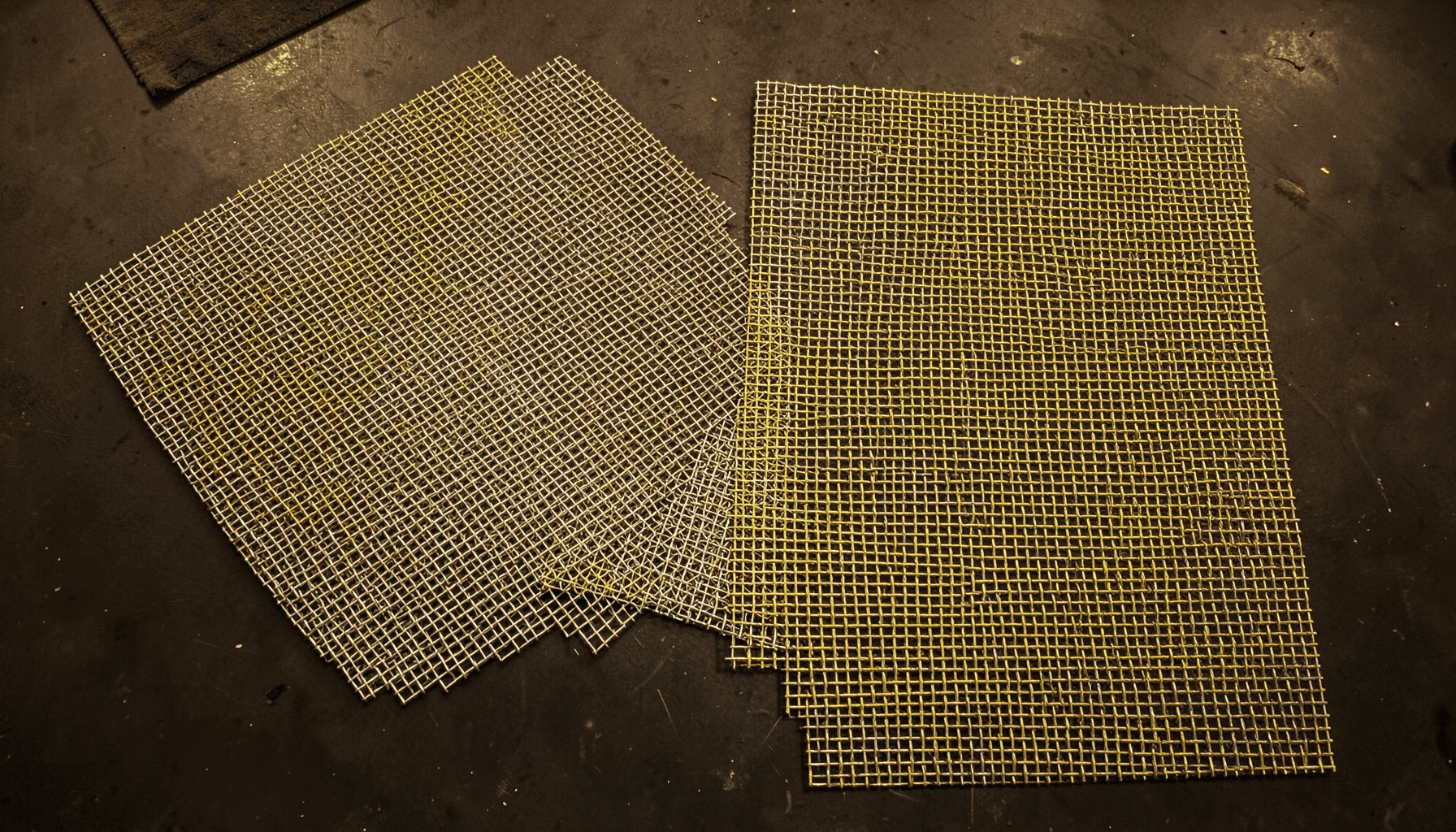
| Mesh construction | Welded or woven wire | Welded panels offer consistent openings and rigidity; woven mesh provides flexibility for selected applications |
| Base material | Carbon steel, stainless steel, aluminum, copper | Choose according to impact, corrosion, hygiene, weight, and budget requirements |
| Aperture size | Fine, medium, or large openings | Smaller openings improve reach-through protection; larger openings increase visibility and airflow |
| Surface finish | Powder coating, galvanizing, brushed or polished finish | Finish should match moisture, chemicals, cleaning methods, and visual identification needs |
| Access system | Swing gate, sliding gate, removable panel | Select according to traffic frequency, available space, maintenance needs, and emergency access |
| Structural support | Posts, rails, framed panels, floor anchors | Spacing and anchoring determine stability under normal use and accidental contact |
| Custom configuration | Straight, angled, curved, or equipment-shaped layouts | Custom fabrication reduces gaps and improves integration with machinery and building geometry |
Engineering The Barrier For Real-World Loads
A safety partition should be designed around the forces it may encounter. These can include people leaning against panels, forklifts brushing a post, carts striking a gate, vibration from nearby machinery, or repeated opening and closing at busy access points. A visually attractive barrier may fail early if its frame and anchors are undersized.
Post spacing, panel dimensions, base plates, floor fasteners, and corner connections should work as a single load-bearing system. Long unsupported spans may flex more than expected, while weak connections can cause failure even when the mesh panel itself is strong. Reinforced posts and intermediate rails are often useful in high-traffic zones.
The relationship between the partition and the protected machine also matters. Gaps beneath panels, between adjacent sections, or around conveyor penetrations can create access routes into a hazardous area. Careful measurement and fitted infill panels help maintain a continuous boundary without obstructing maintenance access.
Doors deserve separate attention. A gate used dozens or hundreds of times per day needs suitable hinges, a durable latch, ergonomic operation, and enough clearance for personnel or material movement. Where a door opens into a machine enclosure, safety interlocks or access control devices may be required by the facility’s risk assessment and applicable regulations.
Supporting Compliance And Safer Operations
Wire mesh does not create compliance by itself. The completed installation must be evaluated against the machinery, process, site traffic, emergency procedures, and relevant local safety standards. A risk assessment should identify pinch points, reach-through hazards, falling materials, vehicle routes, and the possibility of unauthorized entry.
Clear visibility supports safer behavior because workers can recognize whether equipment is running before approaching an enclosure. High-visibility finishes, warning signs, controlled gates, and marked pedestrian routes can reinforce the physical barrier. The partition should support operating procedures rather than become an obstacle that employees bypass.
In automated production areas, mesh guards can separate robots, presses, cutting equipment, and conveyors from personnel while allowing technicians to inspect the process. Access points can be coordinated with lockout and maintenance procedures. For warehouses and distribution centers, barriers may divide pedestrians from forklifts or protect racking, loading zones, and sensitive machinery.
Fire protection, ventilation, illumination, and emergency egress must also be considered. A mesh partition should not block sprinklers, emergency exits, electrical panels, or required service clearances. Early coordination with safety managers, engineers, and installers helps resolve these interactions before fabrication begins.
Maintenance And Lifecycle Performance
Routine inspection is essential to preserve the protective function of a metal mesh enclosure. Staff should check for bent panels, cracked welds, loose bolts, damaged coatings, corroded anchors, sagging gates, and changes in floor conditions. Damage caused by a vehicle impact should be assessed promptly rather than left as a cosmetic issue.
Cleaning requirements vary by environment. Dry industrial facilities may need dust removal and occasional coating repairs, while food, pharmaceutical, or chemical operations may require frequent washdown and compatible cleaning agents. Stainless steel surfaces still need appropriate care, particularly where chlorides or harsh chemicals are present.
Modular construction can reduce lifecycle cost because individual panels, posts, gates, or fittings may be replaced without removing the complete system. Standardized components also simplify expansion when a production line changes. A durable initial design should account for future equipment, maintenance routes, and possible changes in traffic patterns.
The most economical partition is rarely the one with the lowest purchase price. Service interruptions, replacement labor, damaged machinery, and injury risks can exceed the initial cost difference between a basic barrier and a properly engineered enclosure. Material selection and fabrication quality should therefore be viewed as lifecycle decisions.
Practical Specifications For A Reliable Installation
A project brief should record the facility’s conditions before a manufacturer prepares drawings or a quotation. Useful information includes the partition length, height, mesh opening, expected impact sources, floor type, corrosion exposure, gate locations, and the dimensions of nearby machines or walkways.
For custom production, photographs, sketches, CAD files, and site measurements can help resolve details around columns, ducts, conveyors, stairs, and uneven floors. A manufacturer experienced in welded and woven mesh products can then coordinate panels, framing, fittings, and finishes as one integrated system.
Recommended planning priorities include:
- Match wire diameter, mesh opening, and frame strength to the identified hazards and expected loads.
- Select carbon steel, stainless steel, aluminum, or another alloy according to corrosion, hygiene, weight, and operating conditions.
- Keep gates, maintenance access, emergency routes, and material flow practical for everyday use.
- Specify durable anchors, reinforced corners, protected edges, and suitable hardware for frequent operation.
- Prepare an inspection and repair schedule that reflects traffic, cleaning, vibration, and environmental exposure.
Shuo Ke Wire Mesh Product Technology Co., Ltd. manufactures and processes architectural and industrial metal mesh products for customized applications. Its capabilities include stainless steel, aluminum, copper, iron, and other alloy solutions, along with fences, gates, guardrails, filters, baskets, screens, and mesh partitions. This range allows industrial clients to coordinate safety barriers with other fabricated mesh components used throughout a facility.
The company’s approach combines practical engineering with decorative and functional customization. Panel dimensions, surface treatments, access arrangements, and installation conditions can be considered together, helping a safety partition fit both the operational requirements and the visual language of a commercial, industrial, or municipal site.
A durable industrial enclosure begins with a clear understanding of the hazards and ends with careful fabrication, installation, and maintenance. When wire mesh is specified as a complete structural system rather than a simple infill material, it can provide reliable separation, long service life, and efficient visibility across demanding workplaces.
Contact Shuo Ke Wire Mesh Product Technology Co., Ltd. to discuss mesh material, opening size, framing, gates, finishes, and custom dimensions for your industrial safety partition project. Share your drawings, site conditions, or performance requirements to develop a solution built for the way your facility operates.