Mesh Solutions for Temporary Construction Site Barriers
Construction sites across Australia need boundaries that protect workers, guide pedestrians and reduce unauthorised access without creating an unnecessarily harsh streetscape. Temporary barriers may surround a house renovation in Melbourne, a transport project in Brisbane or a large commercial development in Perth, yet each site has different requirements for safety, visibility, weather resistance and public presentation.
Mesh is a practical option because it can provide a clear physical boundary while allowing airflow, daylight and partial visibility. Depending on the specification, it can be used for temporary fencing, pedestrian separation, screening, gates and modular site partitions. Steel, stainless steel, aluminium and coated wire products can all be selected for different project conditions.
The right barrier is more than a roll of wire or a row of panels. It must suit the site layout, ground conditions, expected project duration, local weather and the level of public interaction around the work zone. A well-planned mesh system also supports better traffic management and helps a builder maintain a professional appearance from mobilisation through to demobilisation.
Why Mesh Suits Temporary Site Boundaries
Temporary construction barriers need to perform several jobs at once. They should discourage entry, define the work area, protect equipment and materials, and help separate vehicles from pedestrians. Welded wire mesh panels and framed mesh fencing provide a more rigid boundary than many lightweight fabric systems, making them useful where the barrier may be touched, bumped or exposed to regular movement around the site.
Open mesh allows supervisors and workers to maintain visibility across the boundary. This can help identify approaching vehicles, children, animals or members of the public near the perimeter. It also lets pedestrians see signs, access points and changes in the footpath arrangement. On compact urban sites, this transparency can make a narrow work zone feel less enclosed while preserving a clear physical separation.
Airflow is another useful characteristic. Solid temporary hoardings can catch wind, particularly when installed along exposed roads, coastal blocks or elevated sites. Mesh fencing generally reduces wind pressure, although the posts, feet, clamps and connections still need to be designed for the conditions. In areas such as Newcastle, the Gold Coast or parts of Western Australia, wind exposure should be considered before choosing panel dimensions and support spacing.
Safety and Compliance in Australian Conditions
Australian construction barriers must be planned within the project’s work health and safety system. The applicable obligations can vary by state or territory, so a contractor should check the requirements of the relevant regulator, principal contractor and local authority. SafeWork NSW, WorkSafe Victoria and WorkSafe Queensland provide guidance that may affect site access, pedestrian protection, traffic control, signage and work-zone separation.
AS 4687 is commonly referenced for temporary fencing and hoardings, but a compliant result depends on the complete installation rather than the mesh panel alone. Foundations, feet, braces, gates, couplers and other accessories must work together. The barrier should remain stable if it is pushed, subjected to wind or affected by nearby construction activity. A temporary fence that looks secure but has weak connections can create a serious hazard.
Public-facing sites need particular care. A barrier placed beside a footpath in Sydney or along a busy Melbourne street may need a protected pedestrian route, night visibility, accessible passage and clear directional signs. Where a footpath is narrowed or diverted, the arrangement may require council approval and a traffic management plan. Warning mesh, reflective strips, anti-trip feet and lockable gates can support the overall system, but they do not replace a site-specific risk assessment.
Choosing Materials and Mesh Profiles
Galvanised steel is widely used for temporary construction fencing because it offers a balance between strength, availability and cost. It is suitable for general building sites, subdivision work, civil projects and short-to-medium-term perimeter control. A galvanised finish can help resist rust, but cut edges, scratches and areas exposed to standing water still deserve attention during installation and inspections.
Powder-coated steel can provide additional colour options where the barrier needs to align with a contractor’s branding, a development hoarding scheme or a council streetscape. Black, green and other subdued colours may be appropriate for parks, residential areas or premium commercial projects. Coatings can also make the barrier look more finished, although the selected finish should be suitable for outdoor exposure and handling during repeated relocation.
Stainless steel and aluminium are useful when corrosion resistance, reduced weight or a more refined appearance is important. Stainless mesh can suit coastal locations such as Wollongong, Cairns or Adelaide’s exposed waterfront areas, where salt and humidity place extra demands on metal products. Aluminium panels are easier to move in some applications, but the design must provide enough rigidity and resistance to impact for the intended use.
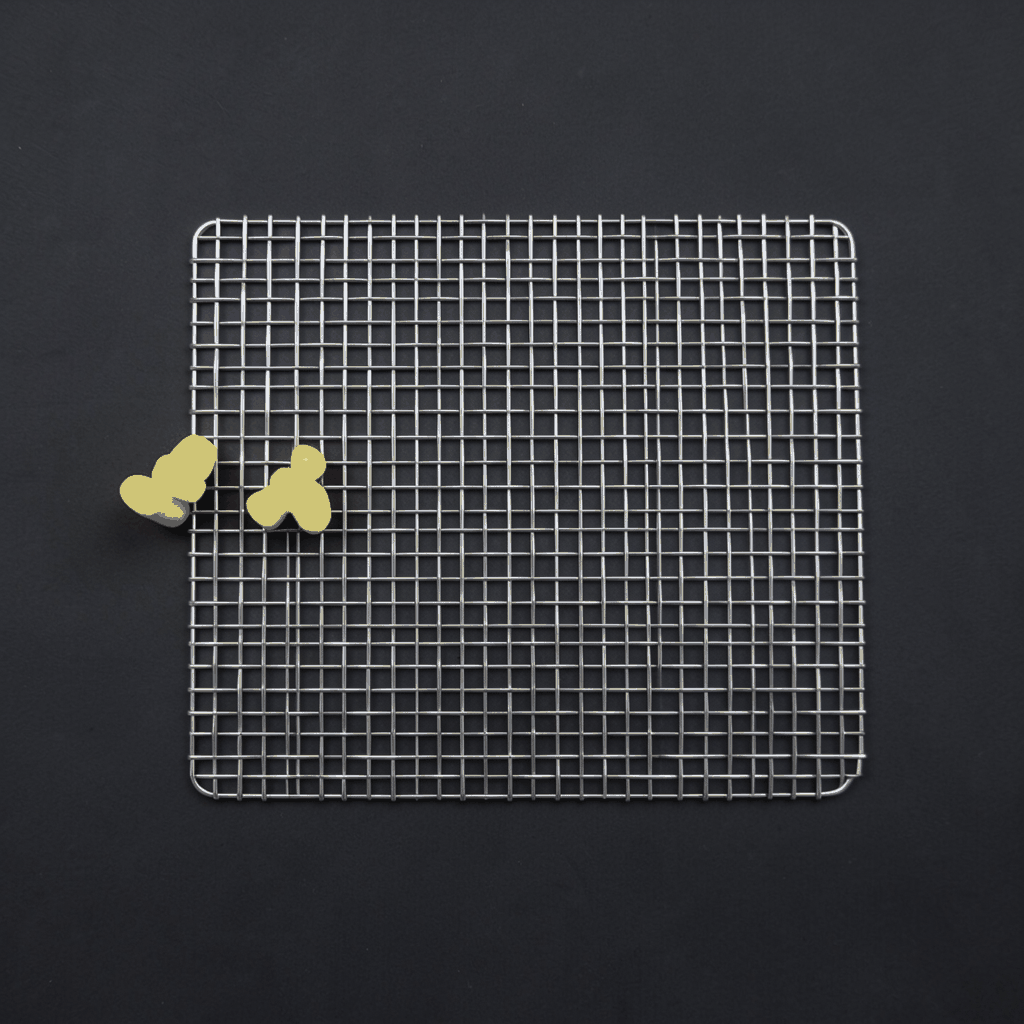
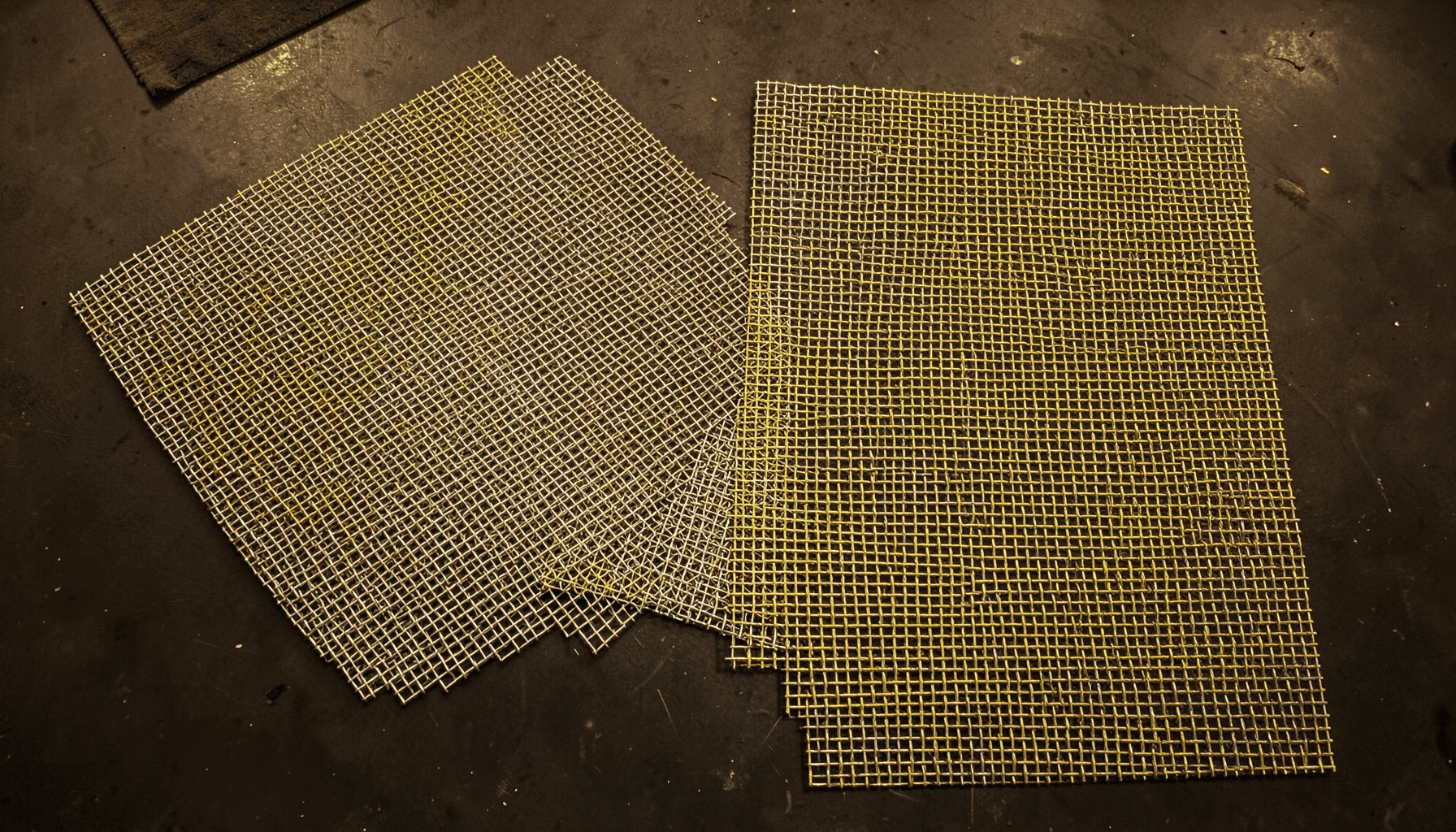
Mesh opening, wire diameter and panel format should match the hazard. Smaller openings can help prevent climbing, passing objects through the fence or reaching moving equipment. A more open welded grid may be suitable for general demarcation and visual control. Decorative or laser-cut screens can be considered for prominent entrances and presentation areas, though their cost and fabrication time may make them better suited to selected sections than the entire perimeter.
Installation for Wind, Movement and Daily Use
A temporary barrier is only as reliable as its installation. The site team should inspect the ground for uneven surfaces, underground services, drainage channels and vehicle routes before placing posts or feet. On hardstand areas, weighted bases and mechanical fixings may be appropriate. On soft ground, driven posts, ground anchors or other engineered supports may be needed, subject to the site’s soil and service constraints.
Gates deserve special attention because they are moved and handled repeatedly. A pedestrian gate should open in a controlled direction, latch securely and remain easy to operate without creating a pinch point. Vehicle gates need enough width for delivery trucks, mobile plant and emergency access. Hinges, wheels and latch components should be selected for the panel weight and expected frequency of use rather than treated as minor accessories.
Regular inspections are important after storms, heavy rain, accidental contact or changes to the work area. Brisbane summer storms, strong fronts in southern states and coastal gusts can expose weaknesses quickly. The inspection should cover leaning panels, displaced feet, loose clamps, damaged mesh, sharp protrusions and blocked emergency routes. Repairs should be completed promptly, especially where the public can approach the boundary outside working hours.
Where privacy or dust control is needed, mesh can be combined with shade cloth, debris netting or purpose-made screening. These additions change the wind load and should never be attached casually to a lightweight fence. The support system may need extra bracing or closer spacing. A designer or temporary works engineer can help determine whether the combined arrangement is suitable for the location.
Managing Appearance and Neighbour Relations
Construction sites affect the experience of nearby residents, businesses and pedestrians. A tidy, well-aligned boundary communicates that the project is being managed responsibly. Straight panels, consistent spacing, clean gates and readable signage can reduce complaints and make it easier for people to understand where they may walk, enter or make deliveries.
In busy areas such as central Sydney, Southbank or inner-city Brisbane, the public often passes within a short distance of the work zone. Mesh can maintain a degree of visual connection while separating people from excavation, demolition or lifting operations. It can also support project signs, site identification and wayfinding without requiring every section to be covered by a solid wall.
Appearance should never compromise safety. Promotional banners, shade cloth and decorative inserts must be fixed securely and kept clear of sightlines at driveways and corners. Bright warning mesh may be useful around a high-risk edge, while a more polished powder-coated screen may suit a site entrance or display frontage. Different mesh products can be combined across the project as long as the boundary remains continuous and clearly defined.
For residential work, considerate planning matters. Keeping gates closed, maintaining a clean footpath and avoiding unnecessary noise or obstruction can help preserve good relations with neighbours. A builder who uses durable temporary fencing and removes damaged sections quickly is more likely to present a controlled site, even when the project runs for several months.
Planning Reuse and Procurement
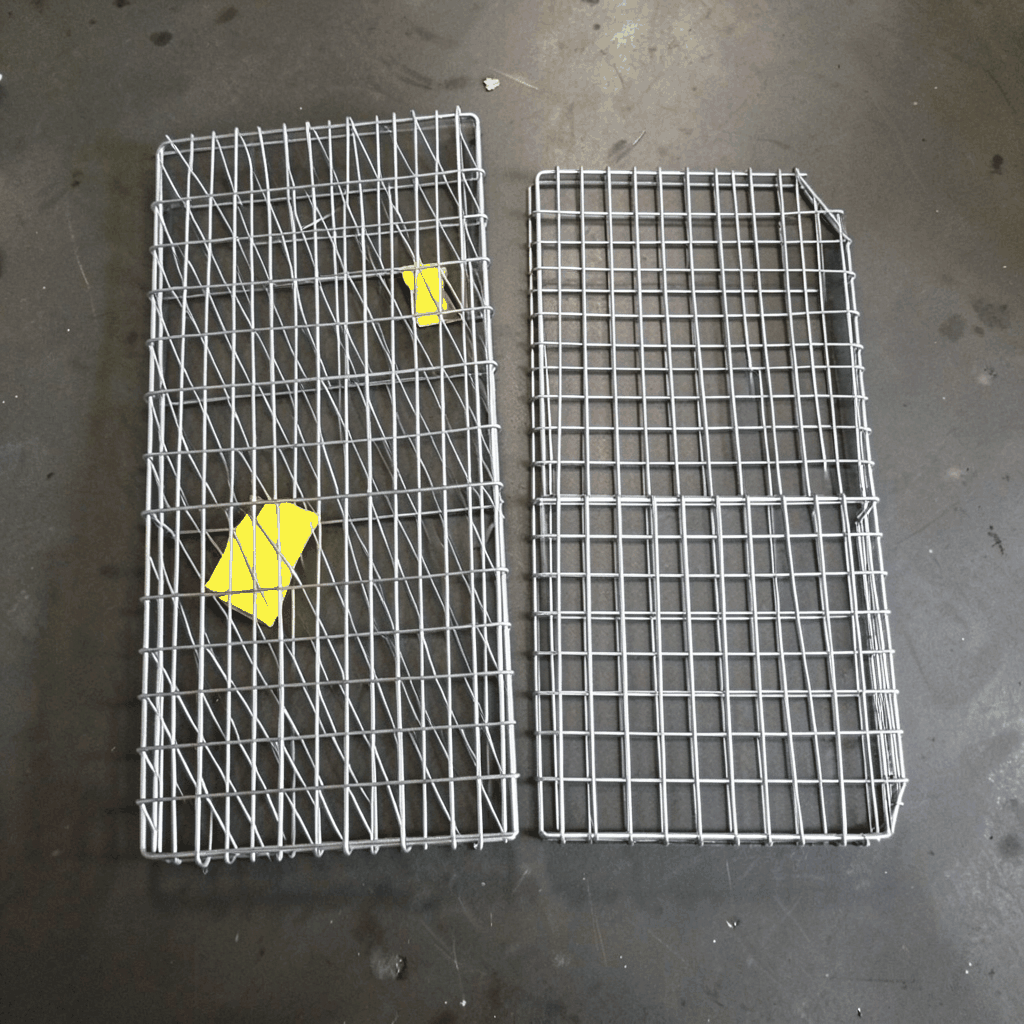
Temporary fencing is often moved as construction stages change. Early planning should consider whether the same panels will be used for excavation, structural work, finishing trades and final landscaping. Modular mesh panels with compatible clamps, feet and gates can be dismantled and reconfigured, reducing waste and limiting the need for repeated purchases.
Procurement should include more than the mesh itself. A complete schedule may include corner posts, stabilising feet, braces, pedestrian gates, vehicle gates, locks, couplers, warning signs, reflective elements and replacement components. Confirming panel dimensions and connection details before delivery helps avoid a situation where products from different systems cannot be joined securely on site.
A manufacturer experienced in fabricated metal mesh can assist with custom dimensions, finishes, openings and accessories. This is useful where a standard temporary fence does not suit a sloping boundary, an irregular site footprint or a project requiring an integrated screen and gate arrangement. It can also help when the site needs a transition between heavy-duty security fencing and a more decorative public-facing barrier.
Site Details to Confirm Before Ordering
- Project duration, relocation stages and expected reuse
- Ground type, wind exposure and nearby coastal conditions
- Pedestrian routes, vehicle access and emergency egress
- Required mesh opening, finish, height and gate configuration
Features Worth Including in the Specification
- Galvanised or coated steel panels with secure connections
- Weighted bases, braces and fixings suited to the surface
- Lockable pedestrian and vehicle gates
- Reflective markings, warning signs and replaceable components
The specification should be reviewed with the site manager, traffic controller and relevant safety personnel before manufacture or delivery. Accurate measurements are especially important on narrow Australian urban lots, where a small loss of footpath width can affect access, council conditions and public safety.
Shuo Ke Wire Mesh Product Technology Co., Ltd. can develop metal mesh products for temporary fencing, site partitions, gates and screening applications using materials such as steel, stainless steel and aluminium. Custom fabrication allows the barrier to be matched to practical engineering needs as well as the visual character of the project.
For a construction site in Australia, the best temporary barrier is one that remains stable, visible, repairable and appropriate throughout the build. Contact Shuo Ke to discuss mesh panels, gates, screening and customised metal solutions for your next project, with the dimensions, finish and support details developed around the real conditions of the site.