Understanding the difference between welded and woven wire mesh
Metal mesh is often selected by appearance first, yet its manufacturing method determines much of its strength, flexibility, opening accuracy, and service life. Welded wire mesh and woven wire mesh can look similar at a distance, but they behave differently under load, during installation, and in demanding operating environments.
The right choice depends on more than wire diameter or material grade. Panel size, aperture shape, corrosion exposure, vibration, impact, airflow, filtration requirements, and the desired finish all influence whether a rigid welded grid or a flexible woven screen will perform better.
Both products can be manufactured from stainless steel, galvanized steel, aluminum, copper, iron, and other alloys. They are used in construction, industrial processing, agriculture, architecture, security, and interior design. Understanding their differences helps buyers avoid over-specifying a product or choosing a mesh that cannot withstand its working conditions.
What the two mesh types are
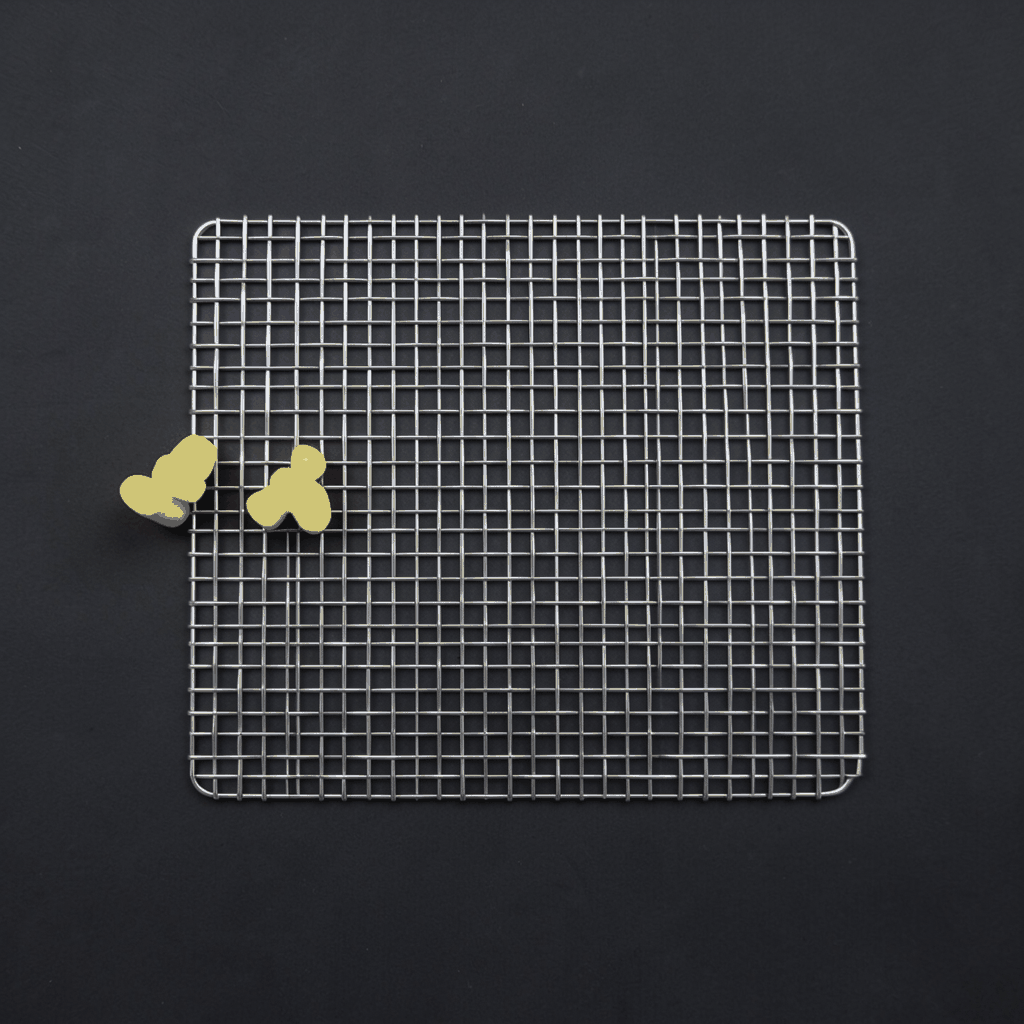
Welded wire mesh is made by placing straight wires in parallel rows and joining them at every intersection, usually through resistance welding. The result is a rigid sheet or roll with consistent square or rectangular openings. Welded joints lock the wires into a stable pattern, so the mesh retains its geometry when cut, framed, or installed across a large area.
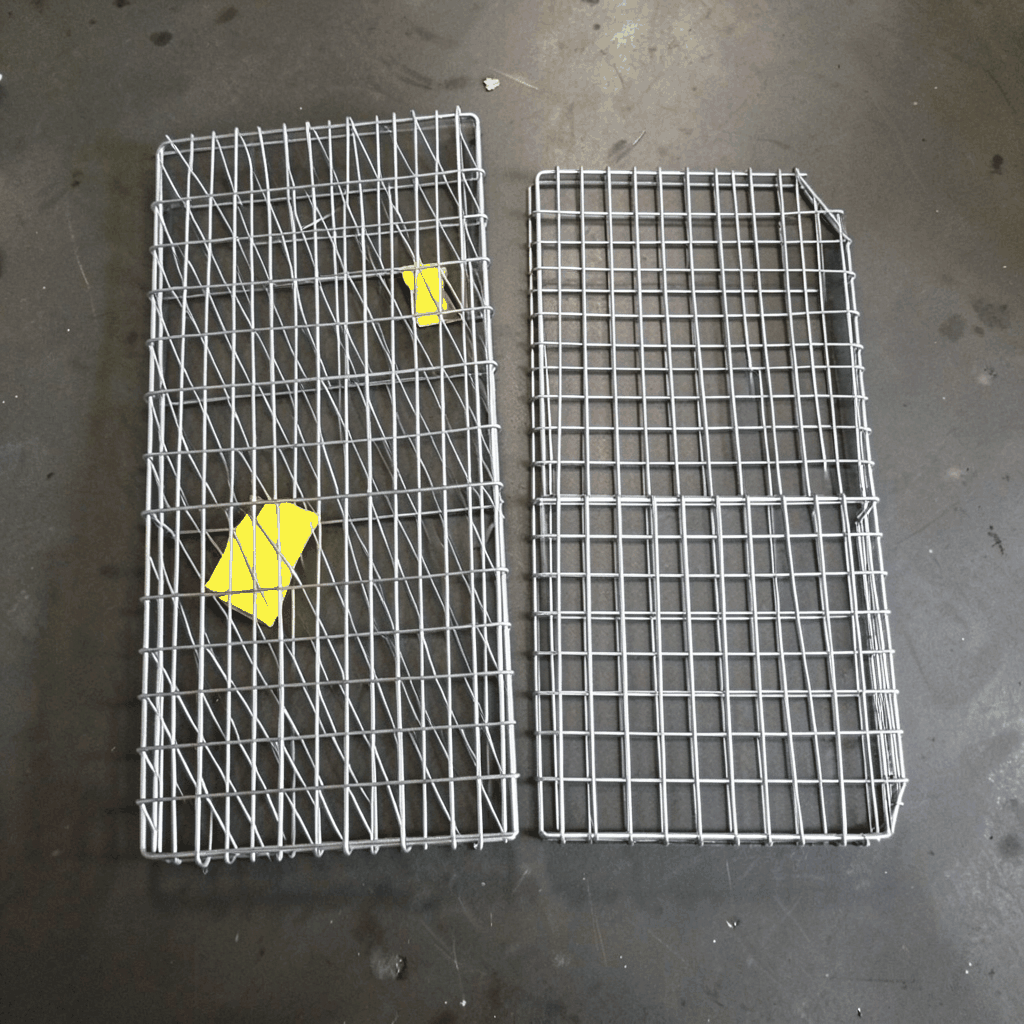
This rigidity makes welded mesh suitable for cages, fencing, security barriers, guardrails, reinforcement panels, machine guards, and architectural screens. It can be supplied in standard panels or customized with bends, frames, surface treatments, and cutouts. Galvanizing, powder coating, and stainless steel construction can improve resistance to weather or corrosive conditions.
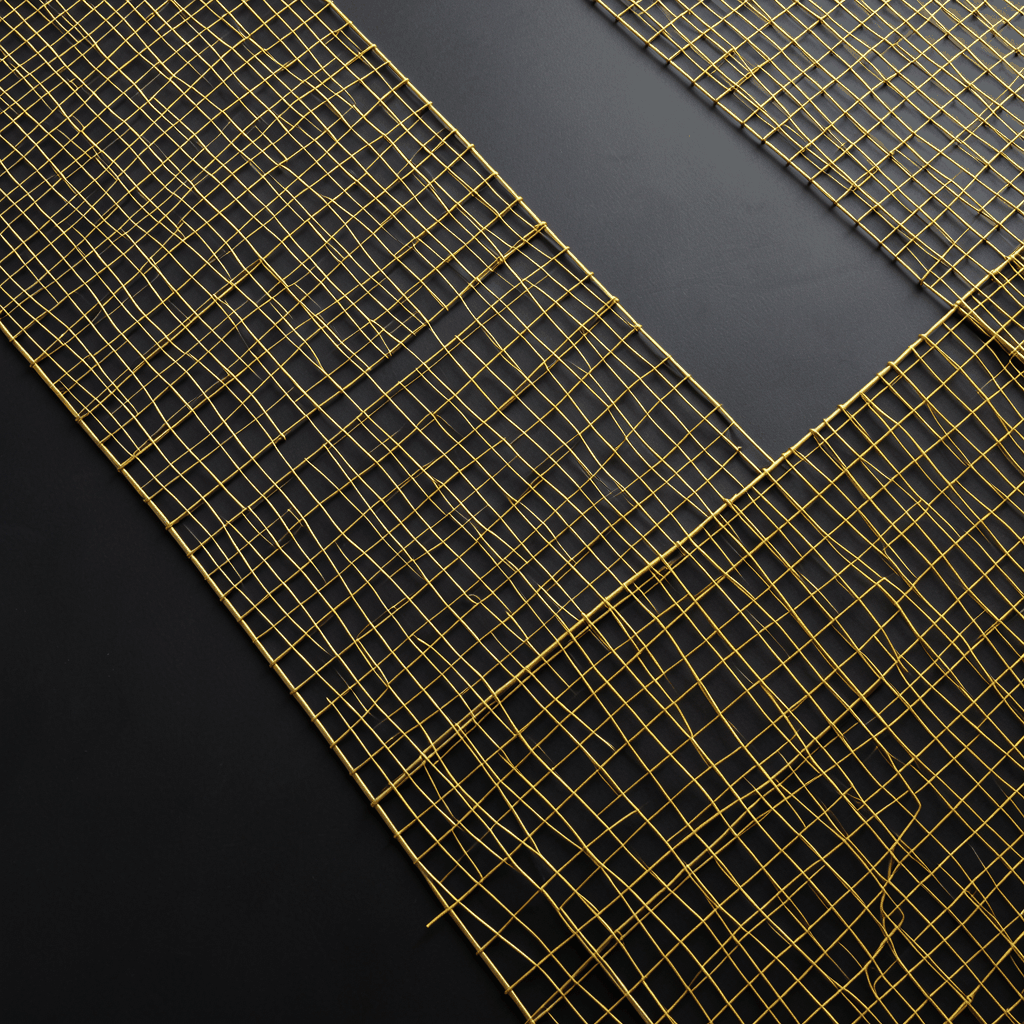
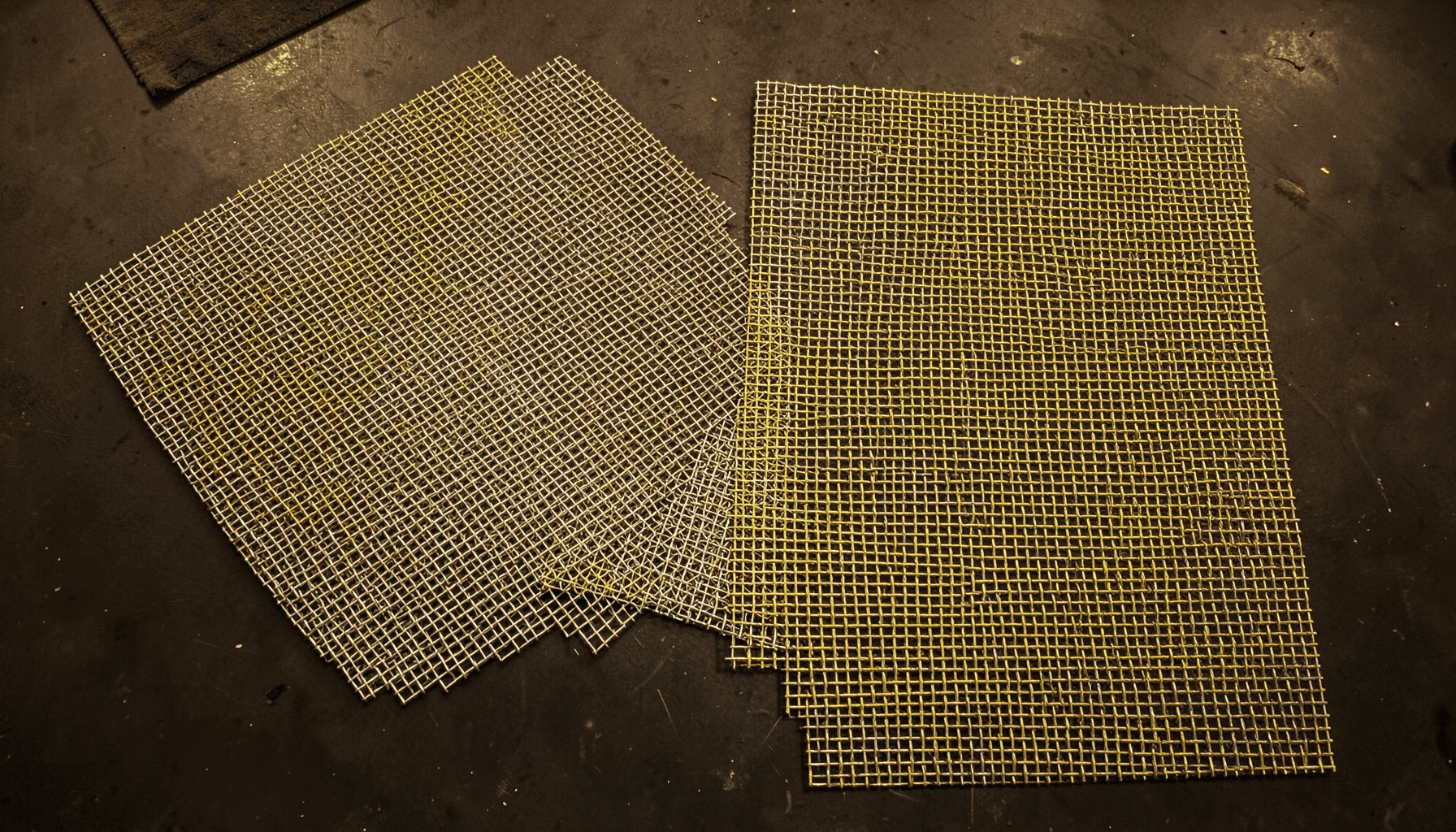
Woven wire mesh is produced by interlacing wires over and under one another, much like fabric. Common patterns include plain weave, twill weave, Dutch weave, and decorative architectural weaves. The crossing wires are not fused together, which gives the material a degree of flexibility and allows manufacturers to produce very fine openings for screening, filtration, and separation.
Because woven mesh is formed from continuous interlaced wires, it can absorb slight movement and conform to curved surfaces more readily than a welded panel. Its openings may be square, rectangular, or specialized according to the weave pattern. This makes woven wire cloth especially valuable when precise particle retention, controlled airflow, or a refined decorative texture is required.
How manufacturing changes performance
The welded intersection is the defining feature of welded mesh. Each joint prevents adjacent wires from sliding, creating a stable load-bearing grid. When pressure is applied to one area, the force is distributed through the connected wires. This helps the mesh resist deformation and makes it easier to mount as a self-supporting panel.
Welded construction also simplifies fabrication. Panels can be cut with common metalworking tools, attached to posts, fitted into frames, or formed into baskets and enclosures. However, cutting through welded intersections can leave exposed wire ends, and aggressive bending may weaken the joint or distort the aperture. Design details should account for edge treatment and fastening points.
In woven mesh, the wires can shift slightly at their intersections. That movement gives the screen flexibility, but it also means the mesh may deform if pulled unevenly or subjected to concentrated impact. A woven screen often needs a supporting frame, tensioning system, retaining bar, or backing layer when it is used over a large opening.
The weave itself affects performance. Plain weave is economical and widely used for general screening. Twill weave can accommodate heavier wires and finer openings, while Dutch weave is designed for filtration and controlled particle retention. Woven mesh may therefore offer greater precision than welded mesh, although it generally requires more care during handling and installation.
Comparing practical specifications
The choice becomes clearer when the two products are compared by the properties that matter in service. Welded wire mesh usually provides higher rigidity and shape retention, while woven wire mesh offers greater flexibility and a wider range of fine opening configurations.
| Property | Welded wire mesh | Woven wire mesh |
|---|---|---|
| Manufacturing method | Wires are joined at intersections by welding | Wires are interlaced in a selected weave |
| Typical form | Rigid panels or rolls | Flexible rolls, sheets, or framed screens |
| Opening stability | Very high under normal loads | Can shift slightly under tension or impact |
| Flexibility | Low to moderate | Moderate to high |
| Fine filtration | Limited compared with wire cloth | Excellent for fine screening and filtration |
| Impact resistance | Generally strong for barriers and guards | Depends on weave, wire size, and support |
| Installation | Easy to cut, frame, and fasten as a panel | Often requires tensioning or edge support |
| Common applications | Fences, cages, partitions, guardrails, reinforcement | Filters, sieves, screens, ventilation, decorative cladding |
| Surface options | Galvanized, powder-coated, painted, stainless steel | Stainless steel, copper, brass, galvanized, and coated finishes |
| Cost considerations | Efficient for larger structural grids | Can cost more for fine wire, dense weaves, or precision filtration |
A specification should include wire diameter, aperture size, mesh count where relevant, panel or roll dimensions, material grade, and surface finish. For woven wire cloth, mesh count alone can be misleading because the same count may produce different openings when wire diameter changes. Buyers should request the actual clear aperture and tolerance.
For welded products, the spacing between wires and the weld quality are central considerations. A small aperture with a heavy wire creates a robust barrier, while a larger aperture with a lighter wire may be intended for light-duty separation. Product drawings should identify the wire center spacing, clear opening, edge condition, and any frame or mounting requirements.
Choosing mesh for specific applications
Welded mesh is often the practical choice for fencing, animal enclosures, storage cages, safety partitions, and equipment guards. Its rigid grid is easy to install between posts or inside a steel frame. It also resists sagging better than loosely supported woven cloth, which is important for long fence runs and protective barriers.
Construction and municipal projects may use welded panels for pedestrian guardrails, drainage covers, reinforcement, and perimeter security. Stainless steel welded mesh can serve in humid or corrosive environments, while galvanized or powder-coated steel is commonly selected for outdoor fencing and economical industrial barriers. The final finish should match the expected exposure and maintenance schedule.
Woven mesh is better suited to applications where material must pass through controlled openings. Industrial filters, vibrating screens, sieves, dust-control systems, and ventilation panels depend on accurate aperture dimensions. Fine stainless steel wire cloth is frequently used where cleanliness, temperature resistance, and chemical stability are important.
Architectural projects may use either type. Welded mesh creates a clear geometric pattern for partitions, balustrades, ceiling panels, and façade elements. Woven architectural mesh produces a softer, textile-like appearance and can be used for decorative curtains, elevator cladding, wall coverings, room dividers, and light-diffusing screens. A manufacturer such as Shuo Ke metal mesh solutions can help match material, weave, panel form, and finish to the design intent.
Design and fabrication considerations
Material selection should begin with the environment. Stainless steel grades are widely used for moisture, cleaning chemicals, and many industrial atmospheres. Aluminum offers low weight and natural corrosion resistance, making it useful for decorative panels and suspended installations. Copper and brass provide distinctive color and aging characteristics, while coated carbon steel may be a cost-effective option for indoor or moderately exposed applications.
Load direction is equally important. A welded fence or guard may receive impact, tension, or wind pressure across a broad area. Its support posts and attachment points must be designed alongside the mesh. A woven filter may experience pressure from fluid, air, or granular material, so the weave, backing support, and frame must be selected as one assembly rather than as isolated components.
Edge treatment affects safety and longevity. Welded mesh may require folded edges, border frames, capped wire ends, or rolled margins. Woven mesh can be reinforced with selvage edges, hemmed borders, welded frames, or clamping strips. These details prevent unraveling, reduce sharp exposed edges, and maintain tension during use.
Surface finish also influences appearance and maintenance. A polished stainless steel surface can suit premium interiors, while a matte or powder-coated finish may reduce glare and coordinate with building façades. For outdoor applications, the finish should be evaluated together with the base metal, fasteners, cut edges, and drainage conditions to reduce the risk of localized corrosion.
Recommendations for procurement and installation
Before ordering, define the operating conditions rather than selecting mesh from a photograph. A clear specification reduces substitutions and helps the manufacturer recommend a suitable construction.
- State the required material, alloy or grade, wire diameter, aperture, mesh count, and dimensional tolerance.
- Identify whether the mesh must resist impact, vibration, heat, chemicals, moisture, abrasion, or repeated cleaning.
- Specify panels or rolls, finished dimensions, edge treatment, frames, bends, holes, and mounting accessories.
- Request samples, drawings, finish references, and inspection details when color, opening accuracy, or surface quality is important.
- Confirm the support structure and fastening method before approving production, especially for large woven screens or exterior panels.
Installation should preserve the characteristics of the selected mesh. Welded panels should be supported at suitable intervals so their weight does not distort the grid or overload individual fasteners. Woven mesh should be tensioned evenly and protected from snagging, particularly when it is installed as a filter, curtain, or large architectural surface.
Maintenance requirements are usually straightforward, but they vary with material and environment. Remove deposits that can trap moisture, inspect fasteners and frames, and replace damaged sections before corrosion or mechanical failure spreads. In filtration systems, monitor pressure drop and clean the screen according to the material supplier’s guidance rather than using tools that could stretch or tear fine wire.
Selecting between welded and woven wire mesh is ultimately a performance decision. Choose welded construction when rigidity, impact resistance, easy panel installation, and stable openings are the priority. Choose woven construction when flexibility, fine filtration, specialized weave patterns, or a fabric-like architectural appearance matters most.
Review your project requirements with a qualified mesh manufacturer, provide the intended application and dimensions, and request a product recommendation supported by drawings or samples. The right combination of wire material, opening, construction, finish, and support will deliver a metal mesh solution that performs reliably and looks appropriate throughout its service life.