Using aluminum mesh for lightweight and corrosion-resistant roof vents
Roof vents help release trapped heat, moisture, and stale air from buildings while reducing pressure on the roofing system. Their protective screens must allow steady airflow without creating a weak point where rain, insects, birds, or airborne debris can enter. Aluminum mesh is well suited to this role because it combines low weight, formability, and reliable resistance to outdoor exposure.
The right mesh is more than a visual cover. Its alloy, opening pattern, wire diameter, surface finish, and frame connection all influence how effectively a vent performs. A carefully specified aluminum screen can support passive ventilation in residential roofs, commercial buildings, agricultural structures, plant rooms, and municipal facilities.
For projects that require a balance between appearance and practical engineering, custom metal mesh solutions can be adapted to different roof profiles, vent dimensions, and architectural details. The result is a ventilation component that protects the building envelope while remaining easy to handle during fabrication and installation.
Why aluminum suits roof ventilation
Aluminum has a lower density than steel, making it useful where roof accessories must be lifted onto elevated areas or attached to lightweight framing. A large roll, panel, or formed vent hood can be moved with less labor, and supporting brackets may require less reinforcement. This benefit becomes more noticeable on extensive rooflines with many intake or exhaust openings.
The metal naturally forms a thin oxide layer when exposed to air. This layer helps protect the underlying material from further oxidation and gives aluminum good resistance in ordinary outdoor environments. It does not make the screen immune to all forms of corrosion, but it provides a strong baseline for roof vents exposed to rain, humidity, and changing temperatures.
Aluminum can also be cut, perforated, expanded, woven, and formed into curved or angled components. This flexibility supports different vent designs, including insect screens, ridge vent inserts, soffit ventilation panels, louver backing, and protective grilles. Fabricators can match the mesh to the airflow requirement rather than relying on a single standard pattern.
Selecting mesh openings and wire size
The opening percentage determines how much air can pass through the screen. A tighter mesh offers better protection against small insects and fine particles, while a more open pattern reduces resistance to airflow. The correct balance depends on the location of the vent, the ventilation strategy, and the level of pest or debris protection required.
For residential roof vents, fine woven mesh is often selected where insects are a concern. However, a very small opening can become blocked by dust, pollen, or roof runoff, especially when installed near trees or industrial emissions. Larger expanded or perforated openings may be more suitable for high-volume airflow, provided they still prevent the entry of birds and larger pests.
Wire diameter affects strength, weight, and free area. Thin wire keeps the component light and maximizes open space, but it may deform during handling or resist impact less effectively. A heavier wire or reinforced edge is appropriate for exposed roof structures, maintenance zones, and locations where the screen may encounter windborne debris.
The screen should also be evaluated for pressure drop. A vent that appears open can still restrict air movement if its mesh is too dense or becomes partially clogged. Testing or airflow calculations can help establish the effective free area, particularly for mechanical exhaust systems where the screen affects fan performance.
Comparing aluminum mesh configurations
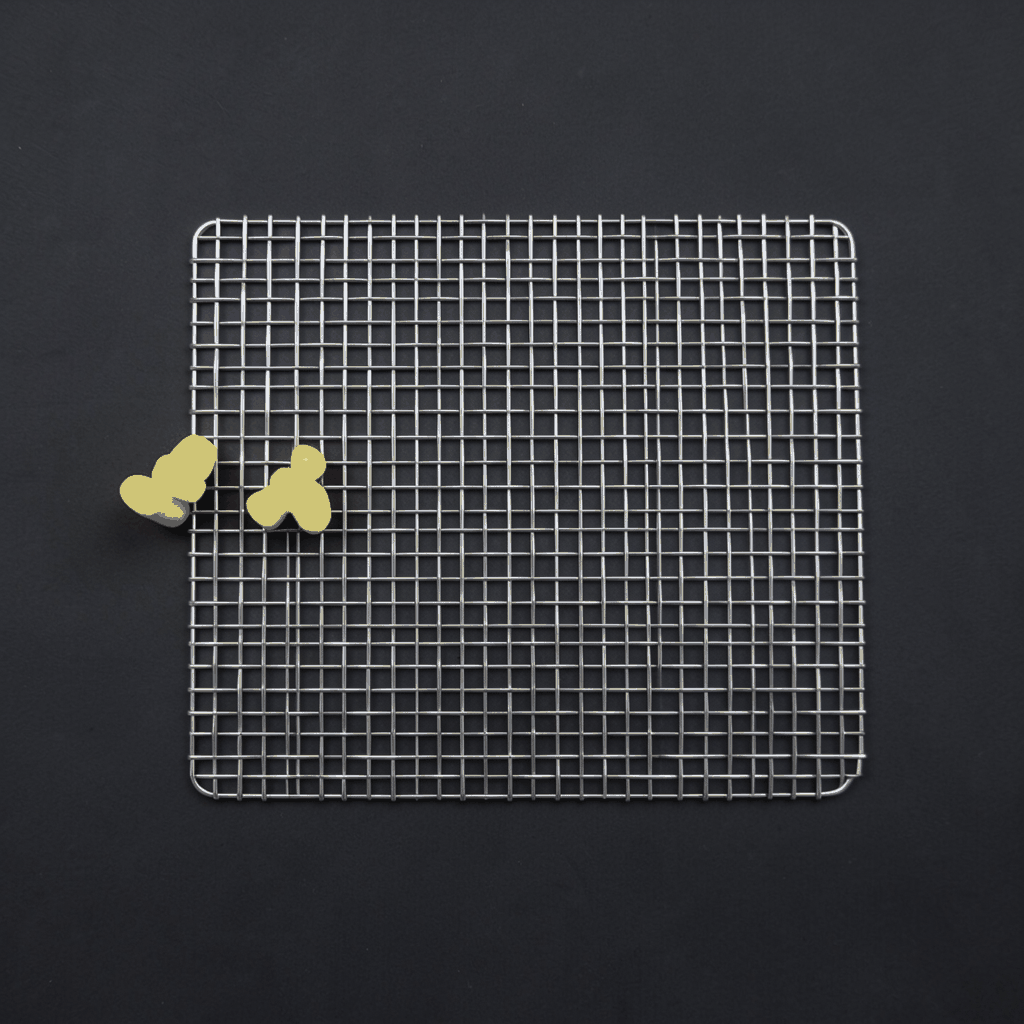
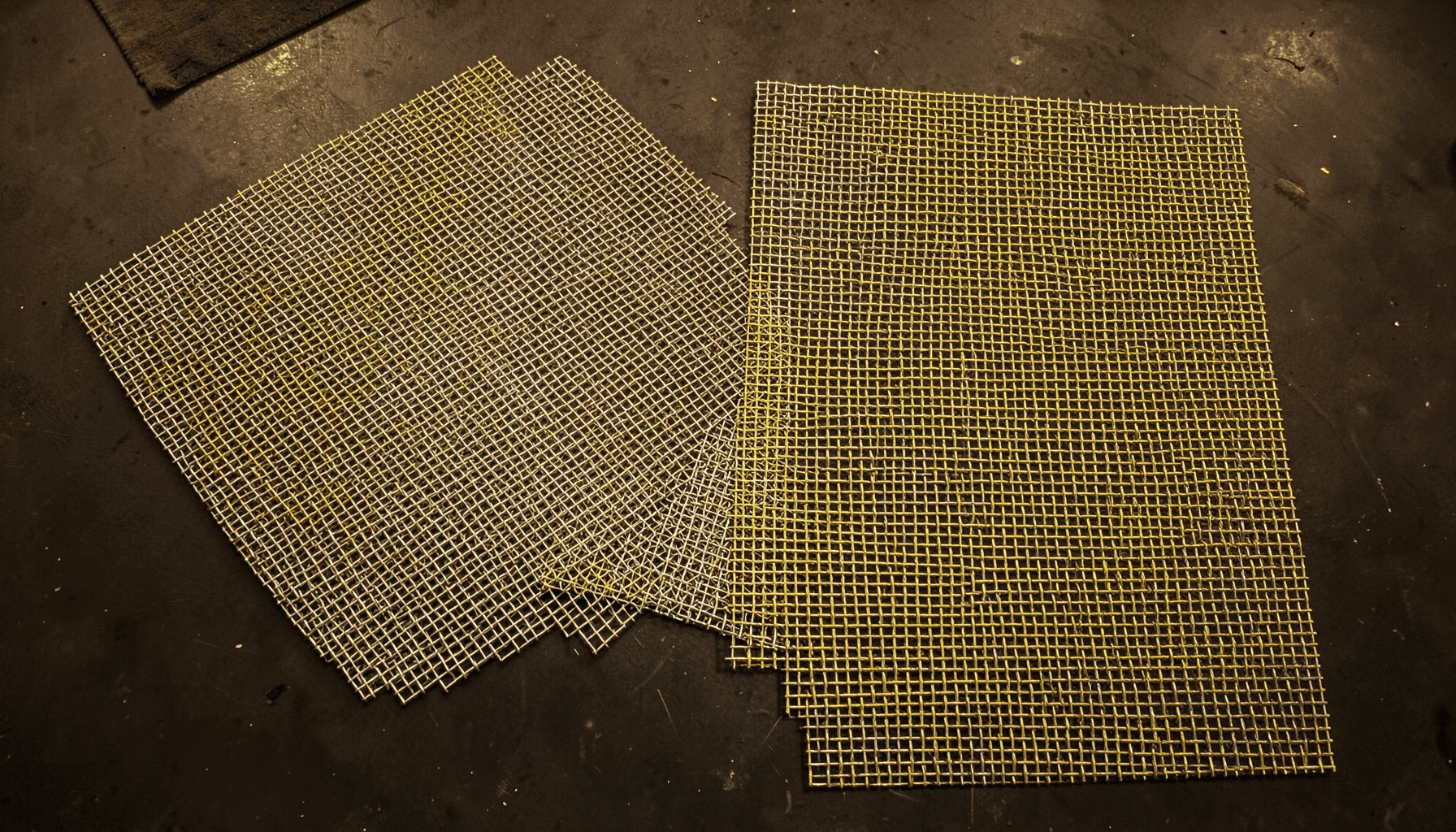
Different manufacturing methods produce distinct combinations of airflow, rigidity, appearance, and protection. Woven wire mesh consists of interlaced wires and is available in fine, medium, and coarse patterns. It is useful for insect screening and applications requiring a consistent grid, although its edges may need a frame or folded hem for greater stability.
Expanded metal is slit and stretched to create diamond-shaped openings. It offers good structural continuity because the material is not fully separated at each intersection. This configuration can resist handling damage and provide a directional appearance, making it suitable for larger protective panels and architectural ventilation features.
Perforated aluminum sheet uses punched openings arranged in round, square, slot, or custom patterns. It gives a clean, rigid surface and can be easier to integrate into framed panels. Its open area is controlled by hole size and spacing, but a solid sheet with limited perforation may weigh more and restrict airflow compared with an open mesh.
| Mesh configuration | Main advantages | Points to check | Suitable roof uses |
|---|---|---|---|
| Woven wire mesh | Fine screening, broad opening range, flexible fabrication | Edge stability, clogging, impact resistance | Insect screens, soffit vents, ridge vent inserts |
| Expanded aluminum mesh | Lightweight rigidity, continuous structure, good visual texture | Direction of openings, sharp edges, coating compatibility | Protective grilles, large vent panels, louver backing |
| Perforated aluminum sheet | Clean appearance, stable panel, precise hole patterns | Open-area percentage, panel weight, drainage | Architectural vents, equipment enclosures, cladding details |
| Aluminum grille or louver mesh | Strong airflow path, directional screening, architectural finish | Frame design, wind load, insect protection | Commercial roof plant rooms and screened exhaust outlets |
The best choice is determined by the entire vent assembly rather than by mesh material alone. A fine woven screen may perform well behind a weather hood, while a rigid expanded panel may be preferable on an exposed vertical face. The supporting frame, drainage path, fasteners, and access requirements should all be reviewed at the same time.
Managing corrosion and outdoor exposure
Aluminum performs well in many atmospheric conditions, yet the surrounding environment still matters. Coastal air contains salt that can accelerate surface deterioration, while industrial areas may expose the screen to acidic or alkaline contaminants. In these settings, alloy selection, finish quality, drainage, and regular inspection become more important.
Galvanic corrosion is another consideration. When aluminum contacts a dissimilar metal in the presence of moisture, an electrochemical reaction may develop. Direct contact with copper, unprotected steel, or certain stainless steel components can create a risk, particularly where water remains trapped between surfaces. Isolation washers, compatible coatings, sealants, and suitable fasteners can reduce this problem.
The design should prevent water from pooling around the mesh edge. A sloped sill, open drainage route, and raised frame detail help the assembly dry after rain. Dirt accumulation should also be limited, since deposits can hold moisture against the metal and reduce the open area needed for ventilation.
Finishes can improve appearance and add another layer of protection. Mill-finished aluminum may be sufficient for sheltered or utilitarian applications. Anodizing provides a durable oxide finish with a consistent appearance, while powder coating offers a broad range of colors and can coordinate the vent with roofing, facade, or cladding systems. The chosen finish should be compatible with bending, cutting, and fastening operations.
Designing the vent for airflow and weather protection
A roof vent needs to exchange air without becoming a path for water intrusion. Mesh is usually placed behind a hood, louver, cap, or flashing detail rather than exposed as the only weather barrier. The outer geometry should direct rain away from the opening while preserving a clear airflow path through the screen.
For passive ventilation, intake and exhaust locations should work together. Soffit or eave vents can admit cooler replacement air, while ridge, gable, or high-level roof vents allow warm and humid air to escape. If screens are too restrictive or openings are poorly distributed, the system may fail to ventilate the roof cavity evenly.
Mechanical exhaust outlets require additional care. Fan capacity, duct dimensions, screen resistance, and wind pressure interact with one another. A dense aluminum mesh can reduce the delivered airflow and increase operating effort. The mesh should therefore be specified by free area and pressure performance, not simply by nominal dimensions.
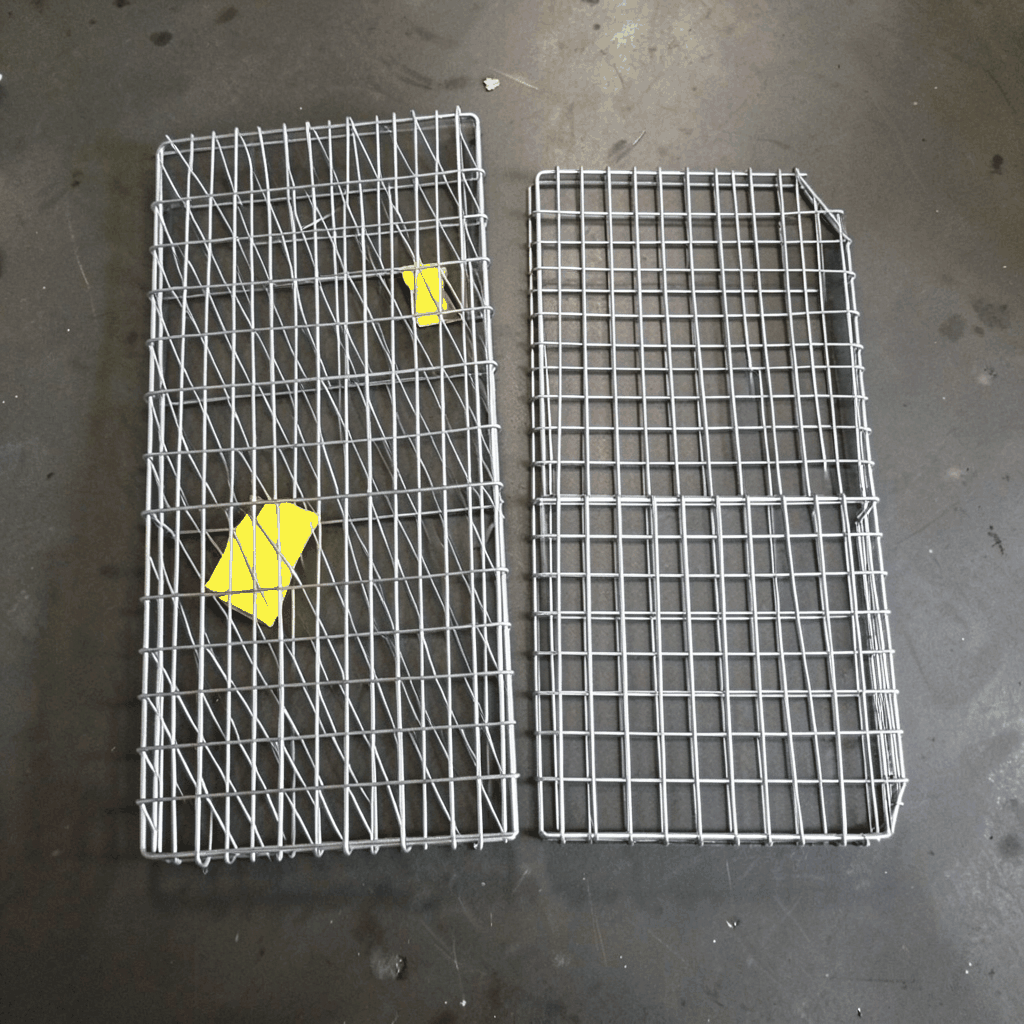
Frames may be fabricated from aluminum extrusions, formed sheet, or another compatible material. A folded edge or retaining strip can prevent the mesh from loosening, while removable panels support cleaning and inspection. Where roof movement is expected, slotted fixings or flexible seals can accommodate thermal expansion without distorting the screen.
Installation details that protect performance
Cut edges should be handled carefully and finished where necessary. Burrs can damage sealants, create unsafe edges, or initiate local problems in coated components. A hemmed edge, perimeter frame, or folded flange improves safety and gives installers a more reliable fixing surface.
Fasteners should suit both the aluminum and the roofing substrate. Stainless steel screws may be appropriate when separated from the aluminum with compatible washers or coatings. In some assemblies, aluminum rivets or coated fasteners provide a better match. The objective is to create a secure connection without setting up a galvanic corrosion point.
The mesh must remain taut and correctly aligned. Loose sections can vibrate in wind, produce noise, and enlarge under repeated movement. A perimeter frame with evenly spaced fixings distributes load more effectively than isolated fasteners placed only at the corners.
Maintenance is straightforward when the vent can be reached safely. Inspections should look for blocked openings, damaged coating, loose edges, corrosion at connections, and signs of water bypass. Cleaning with a soft brush and clean water is generally preferable to aggressive tools or harsh chemicals that may scratch the finish or attack protective coatings.
Recommendations for specifying the assembly
A clear specification helps manufacturers and installers produce a vent that performs as intended. It should identify the ventilation purpose, exposure conditions, dimensions, mesh form, finish, and connection method. Drawings should show how the screen meets flashing, roofing, insulation, and adjacent cladding.
- Define the required free-air area instead of selecting mesh by appearance alone.
- Match opening size to insect control, debris exposure, and cleaning frequency.
- Select an aluminum alloy and finish suited to humidity, salt, pollution, and UV exposure.
- Isolate aluminum from incompatible metals and provide a reliable drainage path.
- Include a framed or replaceable screen where inspection and maintenance are expected.
Testing a sample assembly can reveal issues that are difficult to identify from a material schedule. A prototype can confirm fit, airflow, edge safety, coating appearance, and resistance to handling before production quantities are released. For custom roof geometries, this step also helps coordinate the mesh with folded panels and flashing.
Material traceability and dimensional inspection are useful for larger projects. Checking mesh opening, wire diameter, panel flatness, frame squareness, and coating consistency reduces installation delays. These controls are especially valuable when vents form part of a coordinated facade or roof package with strict visual requirements.
Aluminum mesh offers an efficient route to lighter roof ventilation components with dependable resistance to ordinary weathering. Its performance depends on the interaction between mesh design, airflow area, frame construction, fasteners, finish, and drainage. When these elements are specified as one system, the vent can protect the roof cavity while supporting long-term building maintenance.
For a project requiring formed panels, woven screens, expanded metal, or perforated aluminum components, contact Shuo Ke Wire Mesh Product Technology Co., Ltd. with the vent dimensions, environmental conditions, airflow needs, and finish requirements. A properly matched mesh assembly can be developed for residential, commercial, industrial, and municipal roofs, turning a simple protective screen into a durable part of the building envelope.