Using aluminium mesh for lightweight display and exhibit booths
Exhibition stands need to attract attention quickly, communicate a brand clearly and withstand repeated installation. Aluminium mesh is a practical material for this setting because it offers a refined metallic appearance without the weight of solid sheet or heavier steel framing. It can be used for feature walls, product backdrops, hanging panels, counters, partitions, shelving surrounds and suspended display elements.
For Australian exhibitors, portability is a major advantage. A booth may travel from the Melbourne Convention and Exhibition Centre to ICC Sydney, Brisbane Convention & Exhibition Centre or a regional trade show, often with tight loading schedules and limited storage. A lightweight mesh system can reduce transport effort, simplify manual handling and support a reusable stand design that adapts to different floor plans.
Why aluminium suits portable exhibition structures
Aluminium has a high strength-to-weight ratio, making it suitable for modular booth components that must be carried, assembled and dismantled many times. Mesh panels can create visual separation without forming bulky walls, allowing lighting and movement to remain visible across the stand. This is particularly useful when exhibitors want an open, welcoming layout rather than a closed room.
The material is also easier to combine with aluminium extrusion frames, timber-look panels, acrylic graphics, fabric signage and LED lighting. A mesh screen can conceal storage, define a meeting nook or form a textured background behind a reception counter. Since the openings maintain visual depth, a compact booth can feel less crowded while still having clear zones for demonstrations and conversations.
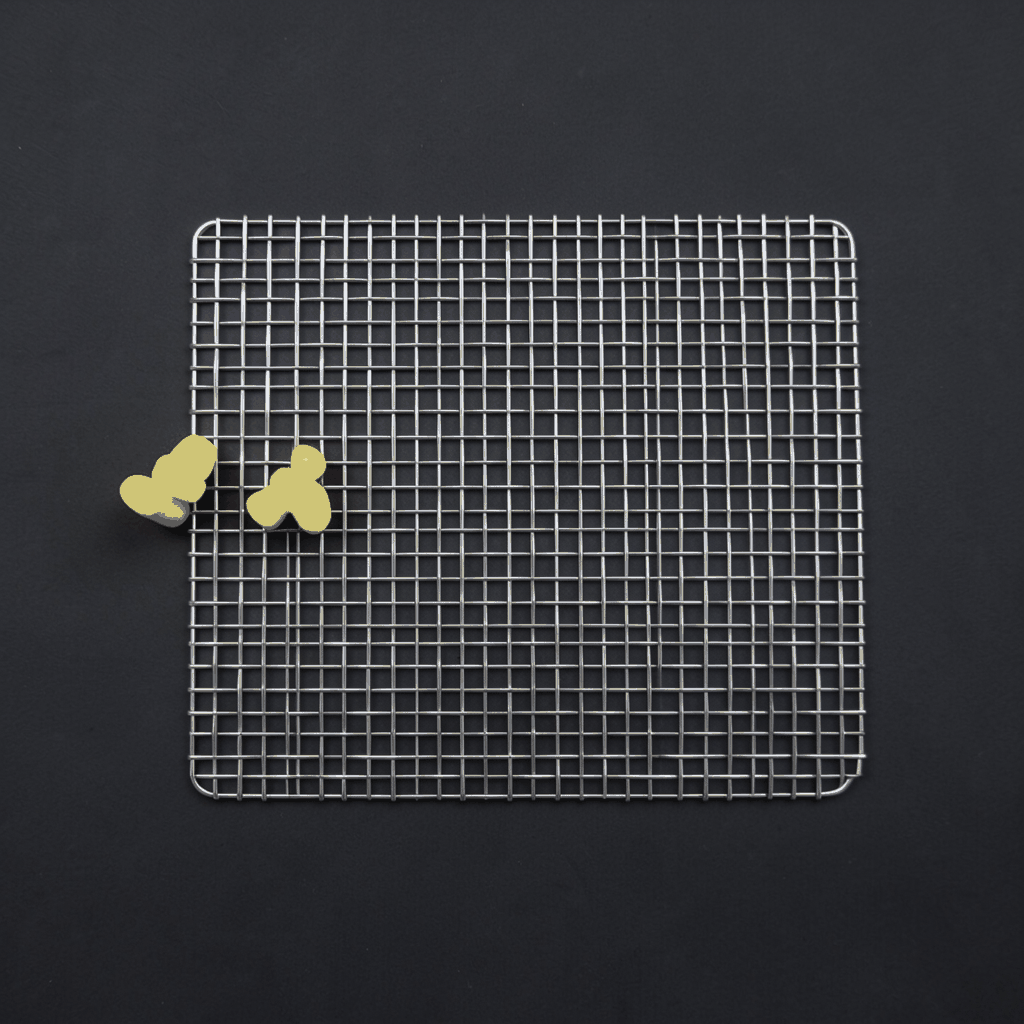
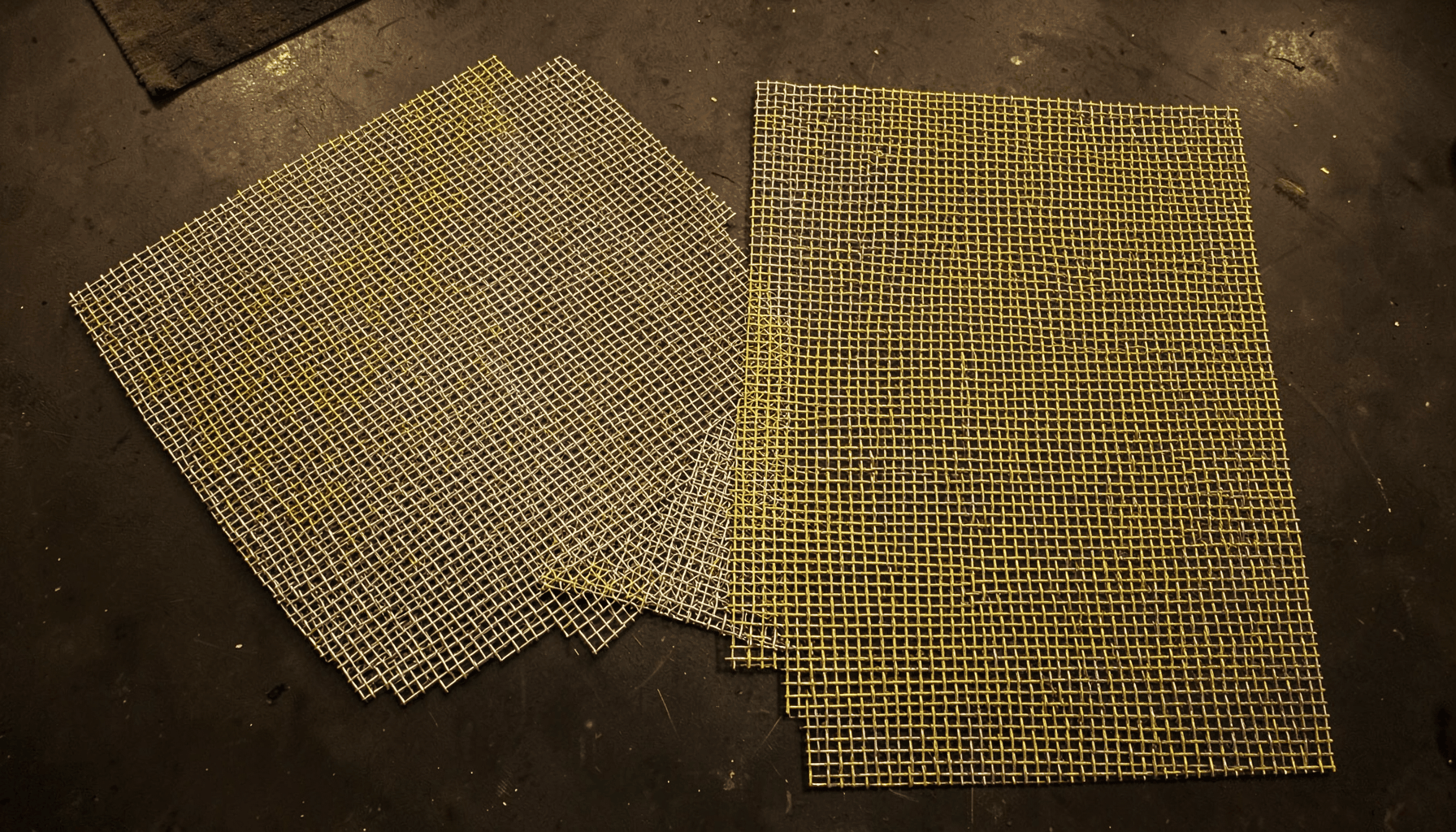
Different mesh formats produce distinct effects. Expanded aluminium mesh has a directional, architectural pattern; perforated sheet provides a more controlled graphic appearance; woven mesh can create a finer, softer screen; and decorative mesh curtains introduce movement and a premium finish. The correct option depends on the required opacity, rigidity, edge treatment and viewing distance.
Designing for Australian venues and logistics
Australian exhibition venues commonly impose limits on stand height, access times, fire performance, floor loading and attachment methods. A booth intended for Sydney or Melbourne should be designed around the organiser’s exhibitor manual from the beginning, rather than adjusted after fabrication. The plan may need to account for ceiling restrictions, neighbouring sightlines, emergency access and approved rigging procedures.
Transport and manual handling also influence the design. Components that fit through venue doors, freight lifts and standard vehicle access routes are easier to manage than large welded sections. Panel sizes should be selected in metric dimensions with practical packing in mind. Knock-down frames, labelled fasteners and repeatable connection details help contractors work efficiently during short bump-in periods.
Work health and safety obligations apply during fabrication, delivery and installation. Sharp cut edges, unstable panels, overhead elements and awkward lifting points require careful control. Rounded or protected edges, secure bases and documented assembly methods improve safety for installers and visitors. Where a display becomes a temporary structure or includes electrical, suspended or elevated features, the relevant venue requirements and Australian regulations should be checked by the project team.
Creating a strong visual identity with mesh
A display booth has only a few seconds to communicate what a company does. Aluminium mesh helps create a recognisable visual language through pattern, colour, reflection and transparency. A fine black powder-coated mesh can support a technical or premium brand, while natural aluminium can suit engineering, transport or sustainable product themes. Bronze, copper-look and custom powder-coat finishes provide further options without changing the basic structure.
The pattern should support the message rather than compete with graphics. Large openings can frame products and keep demonstrations visible, while smaller openings can provide a calmer background for logos or printed panels. A repeated mesh motif can also be carried through counters, shelving, brochure holders and overhead signage, giving a modest booth a coordinated appearance.
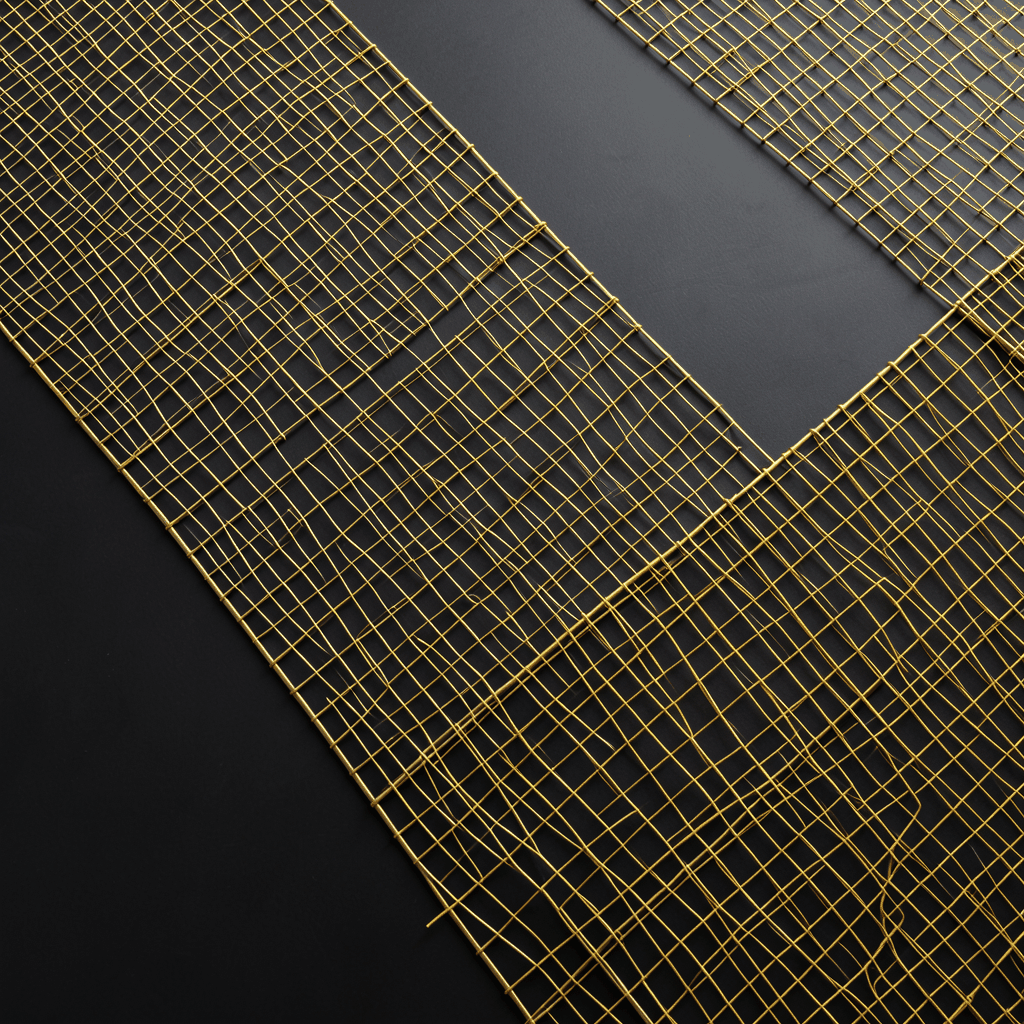
Lighting has a strong effect on metal surfaces. Grazing light can reveal texture, backlighting can turn a perforated panel into a luminous screen, and concealed LED strips can highlight a mesh curtain around a meeting area. Designers should test samples under the venue’s likely lighting conditions because polished, anodised and powder-coated surfaces reflect light differently. Sample panels are especially valuable when colour matching is important.
Balancing openness, privacy and product security
A completely open booth may be inviting, but it can lack a defined area for sales discussions or product storage. Mesh partitions provide a middle ground. They mark boundaries while preserving airflow, daylight and partial views. A denser screen can shield cartons, samples or staff belongings, whereas an open pattern can guide visitors toward a product demonstration.
For high-value displays, aluminium mesh can be paired with lockable cabinets, laminated glazing or solid backing panels. The mesh itself should not be treated as a security barrier unless it has been engineered for that purpose. Instead, it can provide a protective visual layer around the valuable item while a separate structure handles locking and load requirements.
Australian consumer habits also favour approachable, flexible spaces. Visitors at major events often move quickly between stands, carry phones and brochures, and look for clear pathways rather than complicated entry points. A lightweight partition can create a quieter consultation zone without making the stand feel exclusive. Appropriate spacing, accessible routes and unobstructed signage should be built into the layout.
Engineering details that improve reuse
Reusable booth systems deliver better value when every connection is planned for repeated assembly. Aluminium mesh can be mounted in removable frames with bolts, clips, channels or purpose-made profiles. Fasteners should be selected for the load, vibration and expected number of cycles. Where panels are likely to be changed, replaceable fixing points are preferable to permanent bonding.
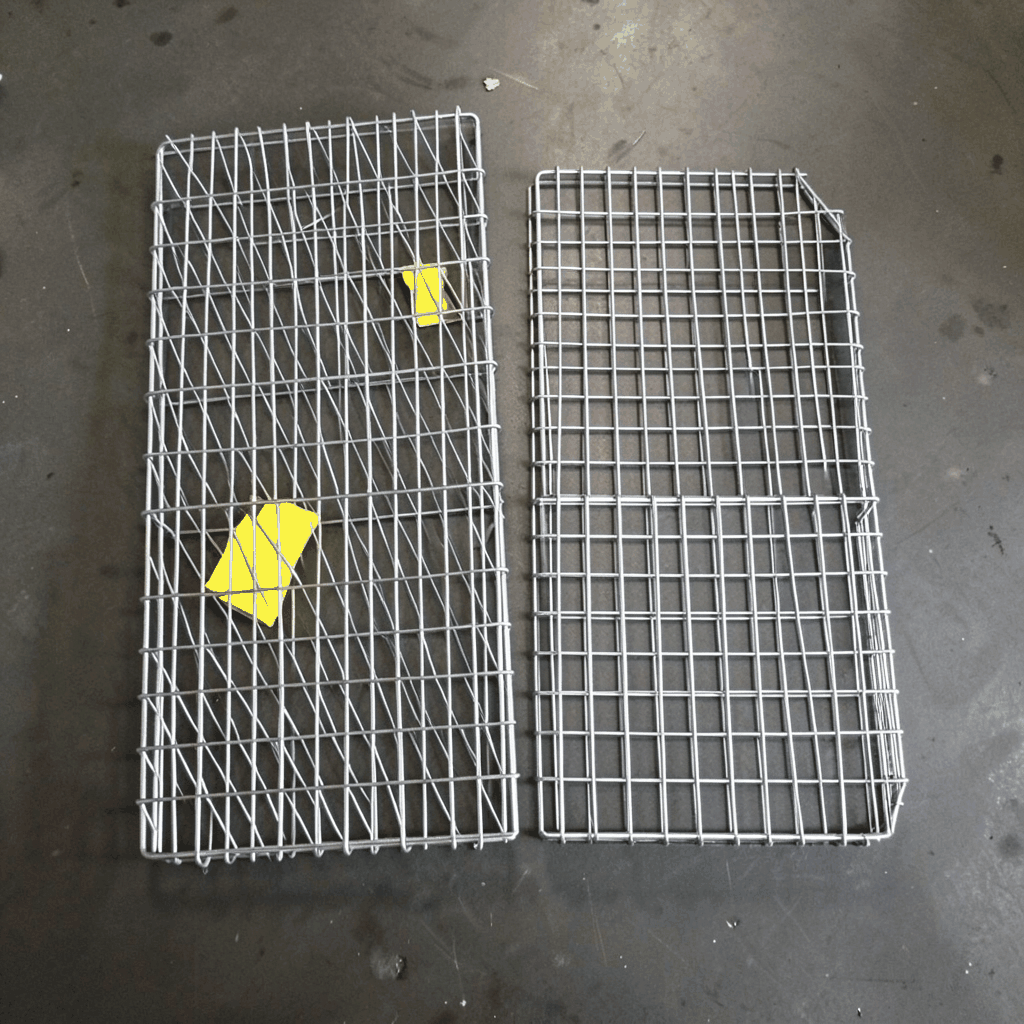
Edges deserve as much attention as the mesh pattern. Folded returns, perimeter frames and capped edges add stiffness and reduce the chance of snagging. Large panels may need intermediate supports to prevent flexing during transport. Suspended elements require a separate review of weight, fixing points and venue approval; the lightness of aluminium does not remove the need for secure engineering.
Manufacturing consistency is essential when a stand is used across several events. CNC cutting, accurate drilling and controlled welding or fastening help panels align cleanly. Finishing quality should be checked for scratches, inconsistent coating and distortion. In metal processing generally, reliable control of operating parameters matters; even principles discussed in fine particle recovery illustrate how process settings can affect final performance and consistency.
A supplier should provide clear drawings, panel schedules, packing information and assembly instructions. Prototypes or partial mock-ups can reveal problems with visibility, cable routing and access before the complete order is produced. This stage is also useful for confirming that logos, lighting and product mounts fit the mesh pattern rather than being forced into it later.
Selecting finishes for repeated event use
Indoor exhibition environments are generally controlled, but stands still experience frequent handling, trolley contact, dust and rapid assembly. A durable powder-coated finish can provide colour consistency and additional surface protection. Anodised aluminium offers a clean, hard-wearing appearance, while mill finish may suit temporary or industrial displays where budget and speed are priorities.
Outdoor activations require a different assessment. Australian sunlight can be intense, particularly in Brisbane, Perth and other locations with strong UV exposure. Coatings, plastics, graphics and adhesives should be selected for the expected duration and conditions. A mesh panel that looks excellent indoors may show glare or heat-related issues in direct afternoon sun, so outdoor samples should be inspected before production.
Maintenance is straightforward when the design avoids unnecessary recesses and fragile projections. Dust can usually be removed with a soft brush or clean cloth, followed by a mild detergent if approved for the coating. Abrasive pads and aggressive chemicals may damage the finish. Spare panels, touch-up materials and a small kit of matching fasteners can help an exhibitor repair minor damage between events.
Aluminium is also attractive for circular display strategies. Panels can be reconfigured, refinished or incorporated into a new booth concept instead of discarded after one show. At the end of a long service life, aluminium has strong recycling value. This supports procurement teams seeking lower-waste exhibition materials while preserving a professional appearance and dependable performance.
A well-planned aluminium mesh booth combines visual impact with efficient handling. Begin with the venue rules, transport method, visitor flow and required display loads, then select the mesh pattern, frame system and finish around those practical needs. Shuo Ke Wire Mesh Product Technology Co., Ltd. can develop customised aluminium mesh panels, decorative screens, partitions and related metal components for residential, commercial and exhibition applications.
Share your booth drawings, preferred dimensions, finish, mesh style and upcoming Australian venue with the manufacturer to develop a buildable specification. A coordinated review of samples, connections and packing requirements can turn a lightweight display concept into a durable, reusable exhibition system.