Using Copper Mesh for Antimicrobial Touch Surfaces
Door handles, lift buttons, push plates, handrails and counter edges are touched repeatedly throughout the day. In busy Australian buildings, these points can accumulate oils, dust and microorganisms between routine cleaning cycles. Copper and copper-rich alloys offer a material-based way to reduce microbial survival on selected touch surfaces while adding a distinctive architectural finish.
Copper mesh is especially useful where a surface needs ventilation, visual texture or a lightweight decorative treatment. It can be formed into screens, wrapped around panels, fitted behind perforated guards or integrated into feature elements. The best results come from treating copper as part of a wider hygiene and design strategy rather than as a substitute for cleaning or sound infection-control practice.
Why Copper Can Support Better Surface Hygiene
Copper has natural antimicrobial properties. When microorganisms contact an exposed copper or copper-alloy surface, copper ions can interfere with cell membranes, proteins and genetic material. This process can reduce the survival of many bacteria and some viruses under suitable conditions. The speed of reduction depends on the organism, alloy composition, temperature, humidity, contamination level and time in contact with the surface.
A copper mesh surface can provide this benefit across a large area while maintaining air movement and a visually open appearance. Its open structure is useful for cabinet fronts, equipment guards, reception screens and decorative barriers where a solid sheet would feel heavy. It can also reduce the amount of material required for a feature installation.
Antimicrobial performance should be described carefully. Copper does not instantly sterilise a handle, and a heavily soiled or lacquered surface may behave differently from clean, exposed metal. Regular cleaning remains essential, especially in healthcare, food service, education and public transport environments. Product claims should be supported by appropriate laboratory evidence rather than broad statements that imply complete infection prevention.
Practical Australian Applications
Australian facilities have varied patterns of use, from air-conditioned office towers in Sydney and Melbourne to humid public buildings in Brisbane and tropical facilities in Darwin. Copper mesh can suit lift interiors, reception counters, privacy screens, door furniture surrounds and protective panels in these settings, provided the alloy and finish are selected for the local environment.
Healthcare and aged-care facilities may consider copper-rich touch components in corridors, common areas, nurses’ stations and shared amenities. Schools, childcare centres and sports clubs face frequent contact with handles, gates and rails, while cafés and hospitality venues need finishes that tolerate regular wiping. In Perth, Adelaide and regional coastal locations, airborne salt and dust should be considered when specifying exposed copper, fasteners and supporting frames.
Australian everyday habits also shape the design. People commonly carry reusable water bottles, backpacks and shopping bags, and public facilities may experience repeated contact during short peak periods. Tram stops and railway stations in Melbourne, train interchanges in Sydney and busy stadium precincts can require durable touch points that are easy to inspect and clean. Copper mesh is most effective when applied to the areas receiving the highest contact, rather than used as a decorative material with no hygiene purpose.
Choosing Copper, Brass or A Copper Alloy
Pure copper offers strong antimicrobial potential and a warm reddish-orange colour, but it is relatively soft and can mark, bend or develop a patina. Brass and bronze contain copper with other metals and can provide improved hardness, wear resistance or a different architectural colour. The appropriate choice depends on whether the component is a flexible mesh, a rigid grille, a hand-contact plate or a decorative cladding insert.
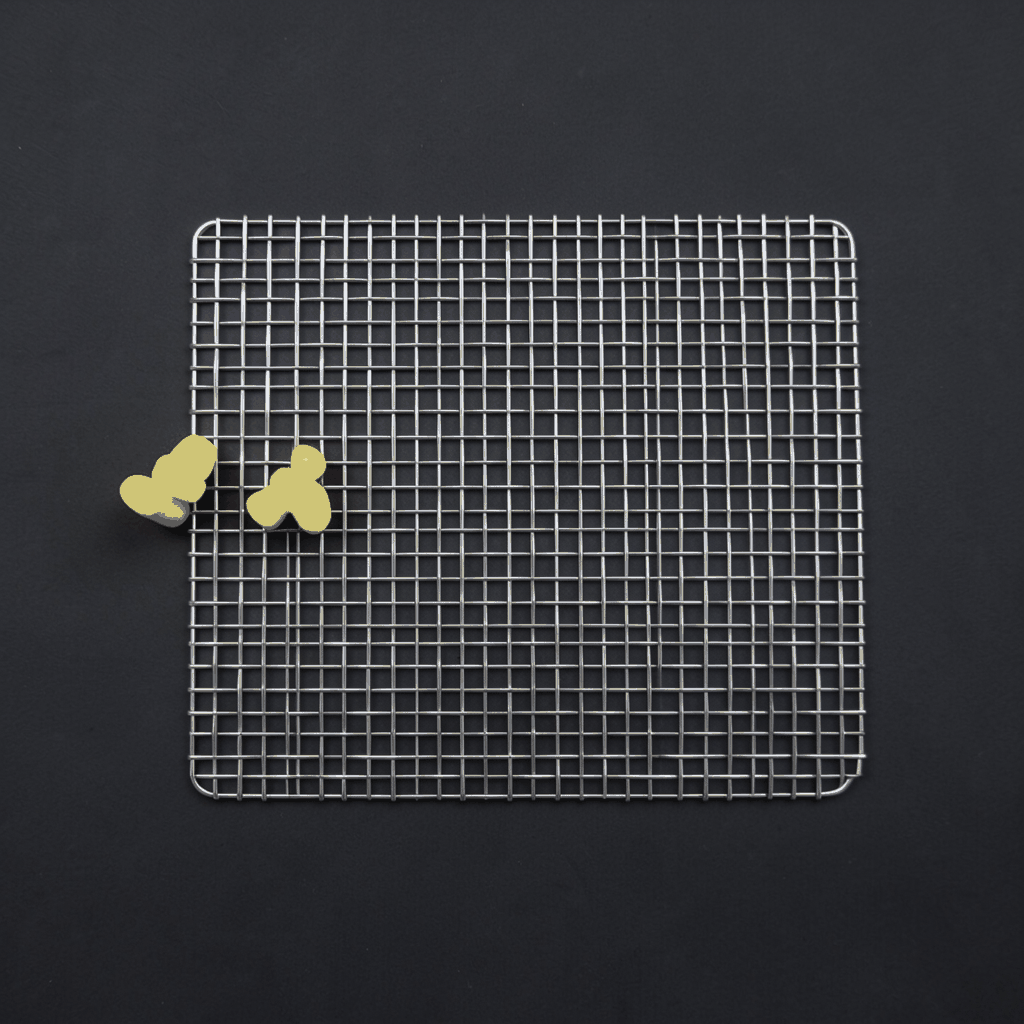
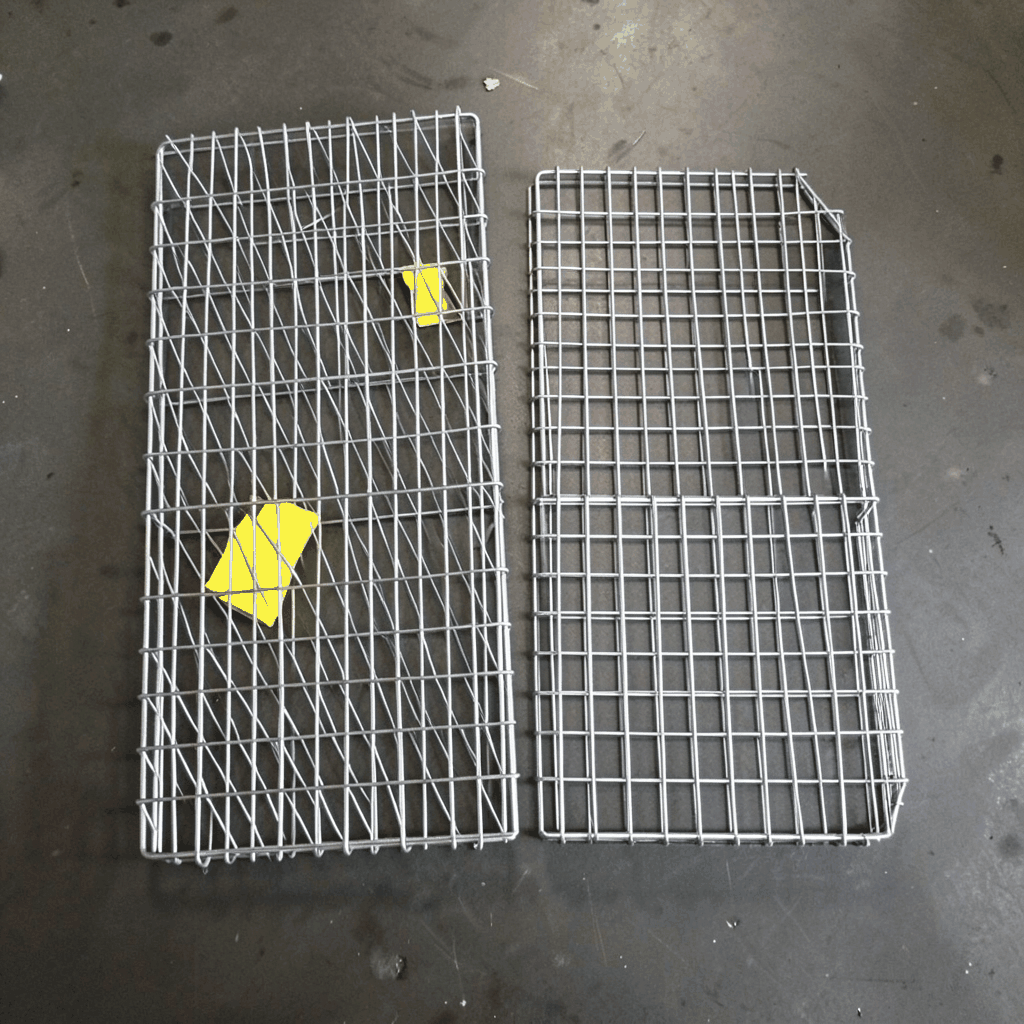
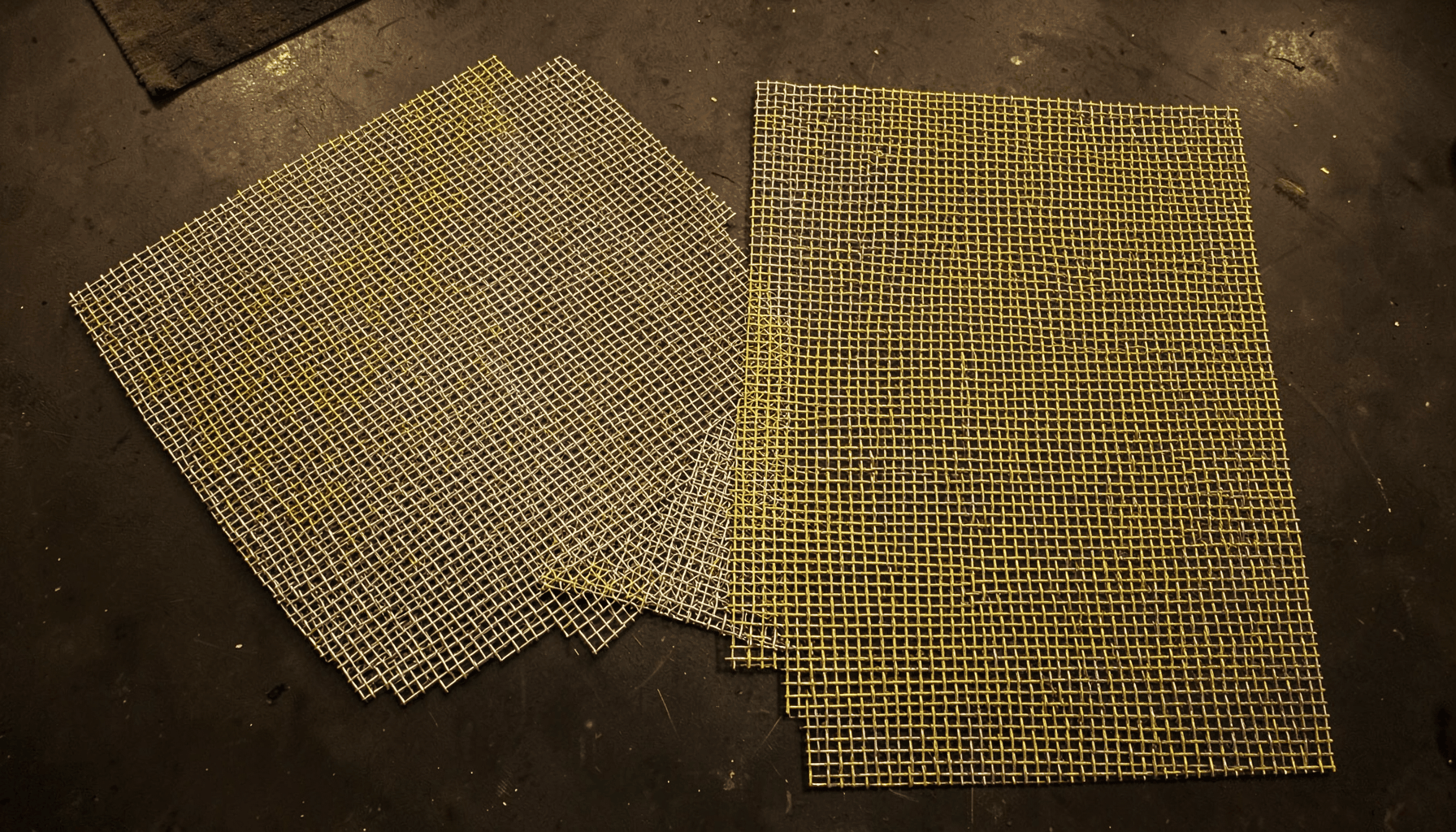
Copper mesh may be woven, expanded, perforated or fabricated from flattened wire. Woven mesh provides flexibility and fine visual texture, while expanded metal creates a stronger three-dimensional pattern. For high-contact areas, designers should avoid sharp edges, unstable folds and openings that trap dirt. A rigid perimeter frame can improve safety and make the panel easier to remove for maintenance.
Surface treatments require particular care. Waxes and protective coatings may slow oxidation, but they can cover the exposed metal needed for direct antimicrobial contact. A clear finish may also wear unevenly on a handle or push plate. If maintaining the natural patina is acceptable, the specification should state the expected colour change and cleaning method. If a consistent appearance is essential, the project team should verify that the selected coating is compatible with the intended hygiene claim.
Designing Touch Points Around Human Contact
The value of an antimicrobial surface depends on where people actually place their hands. A copper mesh wall panel behind a counter may look impressive but have little hygiene effect if customers rarely touch it. More useful applications include pull plates, push bars, lift button surrounds, handrail inserts, trolley handles, tap levers and small protective screens around frequently handled equipment.
Mesh can be combined with solid copper or copper-alloy strips at the points of direct contact. This approach allows a designer to retain an open, lightweight appearance while placing a harder, smoother material where hands and cleaning cloths meet the surface. Rounded corners, accessible fixing points and replaceable sections help maintenance teams manage wear without dismantling an entire wall or lift interior.
Accessibility must remain part of the design brief. Under the National Construction Code and accessibility expectations reflected in AS 1428.1, controls and circulation elements need appropriate reach ranges, clearances, contrast and usability. A decorative mesh pattern should not create confusing visual noise around a button, reduce grip quality on a rail or compromise the operation of a door. In a public building, hygiene improvements should support intuitive use rather than make touch points awkward.
Cleaning, Testing and Australian Compliance
Copper does not remove the need for a documented cleaning schedule. Dust and organic residue can separate the hand from the metal, reducing contact between microorganisms and the copper surface. Cleaning staff should receive instructions covering approved detergents, dilution, contact time, wiping direction and prohibited chemicals. Abrasive pads can scratch fine mesh, while incompatible products may cause staining or accelerate corrosion.
Facilities should test a proposed material under realistic conditions before broad installation. Samples can be exposed to the planned cleaning products, repeated wiping, skin oils, humidity and expected mechanical contact. In hospitals and aged-care settings, infection-control personnel should review the design alongside existing procedures. Food businesses should also check that the selected material and finish are suitable for the relevant food-contact or adjacent-surface requirements.
Australian Consumer Law makes unsupported performance claims a commercial risk. A supplier should be able to explain the test method, organism, alloy, surface condition and exposure time behind any antimicrobial statement. Building approvals, fire and smoke requirements, electrical separation and workplace safety obligations may also apply, particularly when mesh is installed near equipment, public circulation routes or lift systems. Documentation should record the alloy grade, coating, cleaning limits and replacement schedule.
Integrating Mesh Into Architectural Metalwork
Copper mesh can contribute to a broader material palette involving stainless steel, aluminium, glass, timber and stone. It can soften a clinical interior, create a focal point in a hotel lobby or provide a translucent separation between a reception desk and waiting area. In restaurants and bars, a copper-toned screen can reinforce a warm hospitality identity while allowing light and air to pass through.
The fabrication method should reflect the installation environment. Panels for lift cladding may need accurate templates, concealed fixings and allowance for vibration and cleaning access. Screens in open-air transport areas need robust framing and drainage, while indoor partitions may prioritise fine apertures and visual privacy. For coastal projects, compatible fasteners and isolation layers can help reduce galvanic corrosion between copper and dissimilar metals.
A specialist custom metal mesh manufacturer can help coordinate mesh aperture, wire diameter, panel size, edge treatment and fixing details before production. Early technical coordination is valuable because a pattern that looks suitable in a catalogue may be too flexible for a hand-contact application or too difficult to clean once folded into a complex shape.
Planning Costs, Maintenance and Long-Term Value
Copper usually costs more than painted steel or standard stainless steel, and fabrication can add further expense when a project requires custom curves, framed modules or mixed-metal detailing. The financial case should therefore focus on the complete service life. Durable touch components may reduce repainting and replacement, while a well-designed panel can serve as both a functional element and a finish-quality architectural feature.
Maintenance teams should be able to identify when a mesh panel needs cleaning, repair or replacement. A modular system allows a worn section to be removed without closing an entire lobby or corridor. Spare panels, recorded batch details and accessible fixings can simplify future work. Patina should be treated as a planned aesthetic outcome unless the brief requires a stable polished appearance.
The business case can also include user perception. In hotels, cultural venues and entertainment spaces, visible material quality influences how visitors judge cleanliness and care. Hospitality operators that monitor guest expectations across different forms of entertainment, including content such as an Australian baccarat review, can apply the same principle to physical venues: surfaces should look intentional, maintained and appropriate to the setting. A copper feature works best when its appearance, tactile performance and cleaning routine communicate the same standard.
For architects, facility managers and builders, the next step is to identify the highest-contact locations and prepare a small sample specification. Compare copper, brass and bronze options, expose them to the intended cleaning products, and confirm accessibility, fixing and maintenance requirements before ordering production panels. A carefully engineered copper mesh solution can bring antimicrobial functionality, durability and a distinctive Australian commercial design language into the spaces people use every day.