Using copper mesh to achieve patina effects in architectural projects
Copper mesh brings together structure, light, texture, and color in a single architectural material. Its open pattern can divide space without making it feel enclosed, while the metal surface gradually develops a living finish that changes with time. This makes copper suitable for designers seeking warmth and visual depth beyond the uniform appearance of painted steel or polished aluminum.
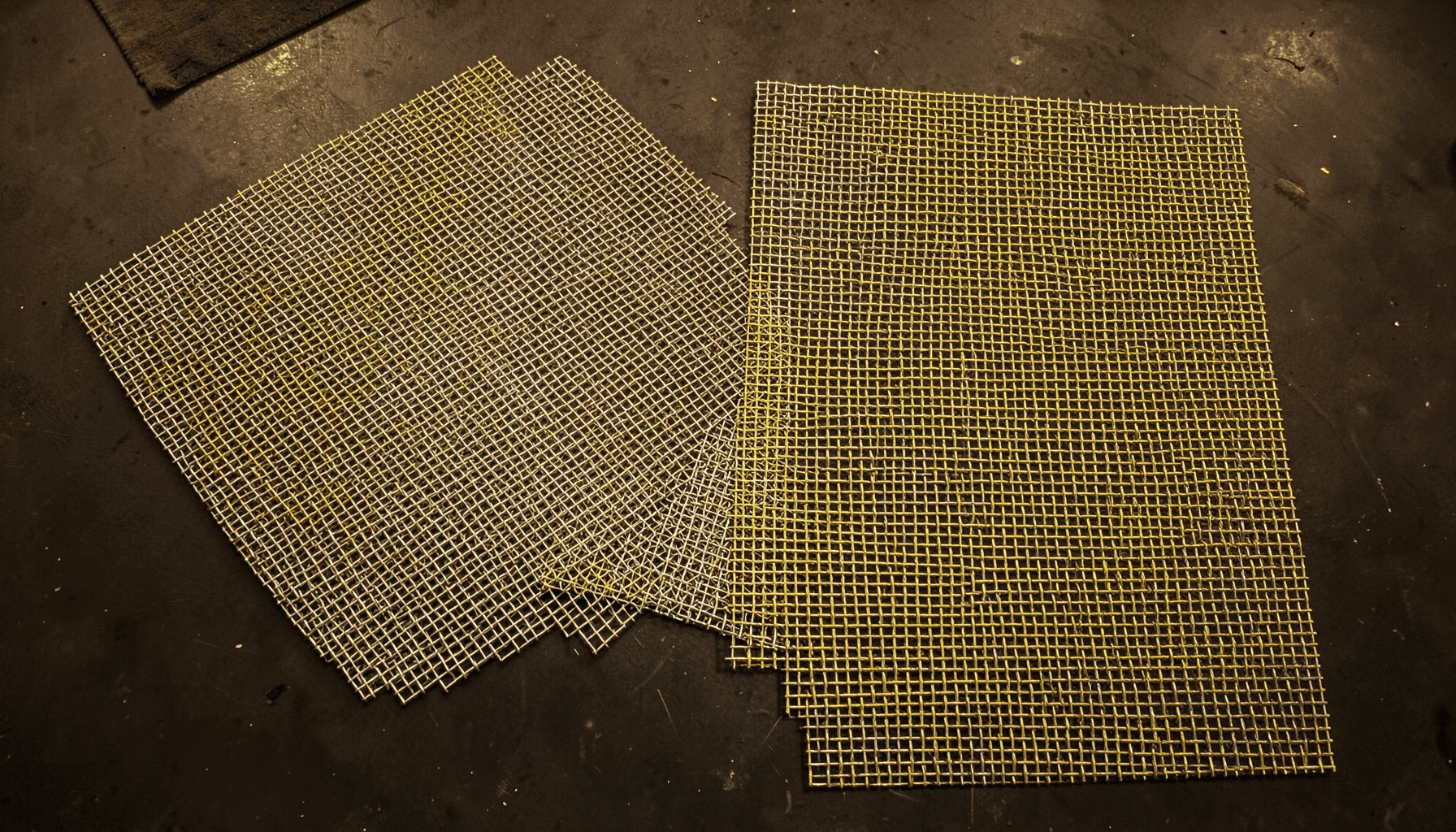
The patina process is central to its appeal. Fresh copper typically shows a bright orange-red or salmon tone, then moves through brown, russet, and muted bronze shades as it reacts with oxygen, moisture, pollutants, and handling. In suitable conditions, a blue-green or green patina may eventually form. The exact result depends on the alloy, mesh construction, exposure, surface treatment, and surrounding environment.
For architectural projects, the objective is rarely to let the material change without control. A successful specification considers the desired color range, the speed of transformation, the visibility of the installation, and the maintenance expectations of the client. Copper wire mesh manufacturers and processors can support this process through material selection, sample development, fabrication, and finishing advice.
Why copper mesh develops a natural patina
Copper forms patina through a sequence of surface reactions. Oxygen first encourages oxidation, creating darker brown and reddish compounds. Moisture and airborne contaminants then influence the formation of copper salts. In outdoor conditions, these compounds may become green or blue-green over an extended period, especially where rainwater and atmospheric exposure are consistent.
The process is affected by climate. Coastal air, industrial pollution, high humidity, and frequent rainfall can accelerate color development, while dry interiors may preserve the original copper tone for much longer. Areas sheltered beneath overhangs can also age differently from exposed surfaces, producing attractive variation but making the final appearance less predictable.
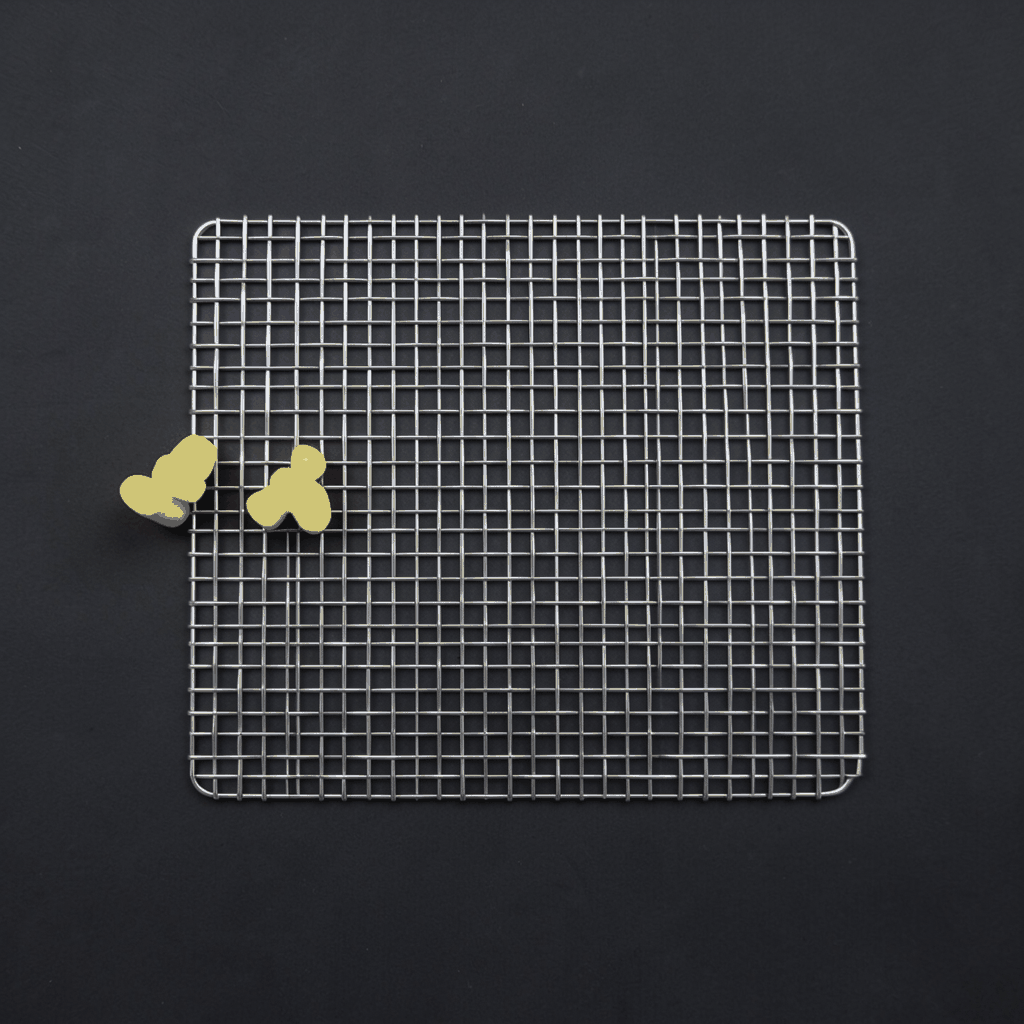
Mesh geometry adds another layer of visual complexity. Woven copper wire has ridges, crossings, and small recesses that catch light differently as the surface darkens. Expanded copper mesh presents a more directional pattern, while perforated sheets offer sharper openings and stronger planes. These formats can all develop patina, but their surface area and drainage behavior influence the rate and uniformity of change.
Selecting mesh for color and performance
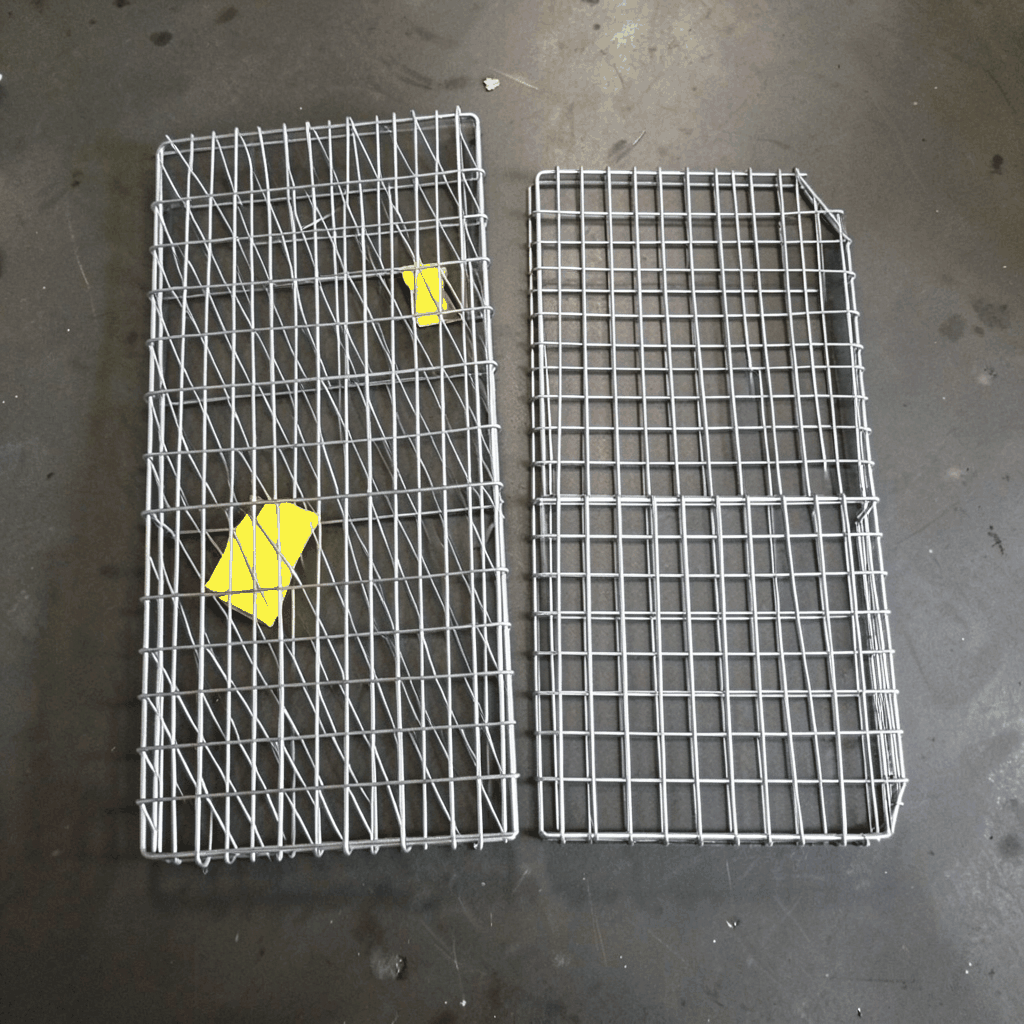
The choice of copper product should begin with the architectural function. Decorative woven mesh works well for room dividers, suspended curtains, cabinet fronts, reception features, and façade accents. Its flexibility creates movement and soft reflections. Rigid copper panels, expanded metal, or perforated sheets are better suited to wall cladding, elevator surrounds, soffits, screens, and protective barriers that require dimensional stability.
Wire diameter, opening size, weave type, and panel size affect both appearance and handling. Fine wire produces a delicate veil with high transparency, while heavier wire creates stronger shadow lines and a more substantial visual presence. Small openings may make a screen appear denser and darker, whereas larger openings can emphasize airflow, daylight, and visual connection between spaces.
Copper grades and compatible support materials also deserve attention. Pure or high-copper materials offer strong color character, but the selected alloy may be determined by forming, welding, strength, or availability requirements. Stainless steel frames, aluminum substructures, fasteners, and backing materials should be reviewed for galvanic compatibility. Direct contact between dissimilar metals in wet conditions can cause corrosion at joints, so isolated fixings and suitable drainage details are important.
Designing with changing surface color
Patinated copper mesh can be used as a moving color element rather than a fixed finish. Designers may specify a bright copper appearance for a newly completed interior and allow gradual darkening to become part of the building’s visual history. In a hotel lobby, for example, a copper curtain can provide warm reflections at opening while developing a deeper bronze character over time.
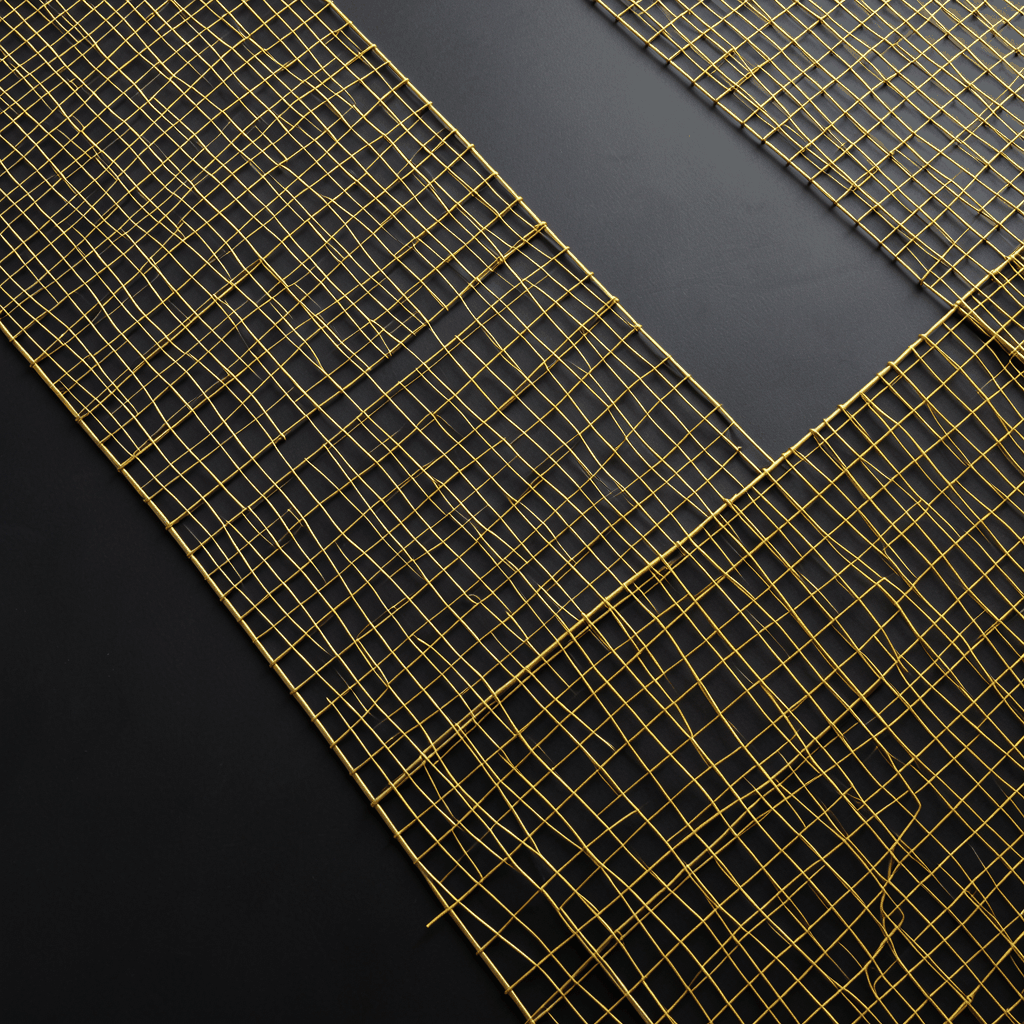
Partitions and screens benefit from the material’s ability to filter views. A woven mesh divider can separate seating, circulation, or reception areas without blocking light. When illuminated from behind, the patina affects the quality of the glow: brighter copper produces lively orange reflections, while darker surfaces create a calmer, more subdued atmosphere. The relationship between mesh density, lighting angle, and viewing distance should be tested before production.
Exterior applications require a more deliberate color strategy. If a façade screen must maintain a consistent appearance across multiple elevations, a pre-patinated or chemically accelerated finish may be preferable to relying solely on natural weathering. A controlled treatment can establish a target tone before installation, although subsequent environmental exposure may still produce gradual variation. Physical samples should be reviewed in daylight and under the project’s intended lighting.
Comparing copper mesh finishes
Natural weathering is only one route to a patina effect. Fabricators may use chemical patination, tinted protective coatings, or combinations of surface preparation and sealing to achieve a specific visual result. Each method changes the balance between authenticity, control, maintenance, and long-term color stability.
| Finish approach | Visual character | Degree of control | Typical considerations |
|---|---|---|---|
| Bright or mill-finished copper | Orange-red, reflective, newly made appearance | High at installation | Changes naturally over time; fingerprints may be visible |
| Naturally weathered copper | Gradual brown, bronze, and possible green tones | Low to moderate | Depends strongly on climate, exposure, and drainage |
| Chemically accelerated patina | Predefined brown, blue-green, or mottled appearance | Moderate to high | Requires sample approval and consistent processing |
| Clear protective coating | Preserves a selected copper tone | High initially | Coating life, repair, and surface preparation must be planned |
| Pigmented or tinted finish | Uniform color with copper texture beneath | High | May reduce the visual depth of natural oxidation |
| Brushed or textured copper | Directional highlights with a tactile surface | Moderate | Texture affects reflection, cleaning, and patina distribution |
A project may also combine finishes within one installation. Bright copper framing around darker mesh can emphasize geometry, while a varied patina can make a large screen feel less flat. However, samples should include corners, folded edges, connection details, and representative mesh density. The appearance of a loose mesh sample may differ from the same material stretched across a rigid frame.
Integrating fabrication and installation details
Copper mesh is easier to specify successfully when the design team considers fabrication at an early stage. Custom processing may include cutting, folding, edging, framing, punching, laser cutting, welding, crimping, or producing hanging systems. Decorative curtains may require reinforced hems and carefully selected hooks, while rigid screens need accurately positioned fixing points to prevent distortion.
Large panels should be checked for flatness, weight, thermal movement, and access for installation. Copper expands and contracts with temperature, so exterior cladding and framed screens need movement allowances. A design that forces the mesh tightly between fixed points may develop rippling, stress marks, or uneven openings as conditions change.
Edges are especially important in visible architectural work. Raw cut edges can be sharp, visually irregular, or prone to handling damage. Folded returns, perimeter rods, welded frames, or protective trims can improve safety and create a cleaner transition to adjacent materials. For elevator cladding and interior wall panels, substrate preparation and adhesive or mechanical fixing methods should be coordinated with the building system.
Drainage and ventilation should not be overlooked. Water trapped against copper can produce streaks or concentrated staining, while stagnant moisture may affect nearby materials. Exterior details should allow surfaces to dry and should direct runoff away from stone, concrete, painted surfaces, and light-colored finishes that could be marked by copper compounds.
Managing maintenance and adjacent materials
Patina is often valued because it reduces the need to preserve a bright polished appearance, but copper mesh still requires a maintenance plan. Dust can collect in fine openings, especially on horizontal or semi-horizontal surfaces. Gentle vacuuming, soft brushing, or low-pressure cleaning may be appropriate depending on the mesh type and finish. Aggressive abrasion can remove the patina unevenly and create bright spots.
Protective coatings can slow oxidation and simplify cleaning, but they are not maintenance-free. Ultraviolet exposure, abrasion, moisture, and handling may eventually degrade a coating. If a clear finish is specified, the project should record the product, application method, expected service interval, and repair procedure. Uncoated copper may be more appropriate where natural change is a desired design feature.
Runoff should be assessed during both design and installation. Copper residues can stain porous stone, masonry, grout, timber, and painted metal. Drip edges, isolating membranes, concealed gutters, and compatible sealants help control this risk. Sample assemblies should be exposed to realistic moisture conditions when the installation is prominent or located above sensitive finishes.
Interior applications have their own concerns. Frequent touch points such as doors, handrails, and room-divider edges may develop uneven darkening from oils and repeated contact. A lacquered or sealed surface may be useful in these locations, while less frequently touched decorative mesh can remain untreated to show a more natural progression.
Recommendations for a reliable patina effect
A carefully developed specification helps the finished installation look intentional from the first day through later stages of aging.
- Define whether the design requires natural weathering, accelerated patination, or long-term color retention.
- Request full-size samples that show the selected mesh type, wire diameter, edge treatment, frame, and fixing method.
- Review copper compatibility with stainless steel, aluminum, iron, stone, concrete, sealants, and drainage components.
- Design for ventilation, runoff control, thermal movement, safe edges, and practical access for cleaning.
- Document the approved finish, expected color evolution, coating system, and maintenance requirements before production.
Turning material character into a project asset
Copper mesh can give architectural spaces a finish that evolves instead of remaining static. Its transparency supports flexible planning, its metallic surface responds to changing light, and its patina can connect a contemporary installation with the natural aging of the building. The strongest results come from treating weathering as part of the design specification rather than as an incidental side effect.
Shuo Ke Wire Mesh Product Technology Co., Ltd. can help develop customized copper mesh solutions for decorative curtains, partitions, screens, cladding, guards, and other architectural applications. Share the intended use, dimensions, opening pattern, preferred color direction, environmental conditions, and installation requirements to move from a material concept to a practical, fabricated solution.