Using copper mesh to protect building foundations
Termites and rodents often enter buildings through places that receive little attention after construction. Foundation joints, utility penetrations, expansion gaps, crawl-space vents, and slab edges can create hidden routes into wall cavities. Once these openings are covered by insulation, finishes, or landscaping, detecting an intrusion becomes much more difficult.
Copper mesh provides a practical physical barrier for many of these vulnerable locations. Its interwoven structure can close irregular openings while remaining flexible enough to wrap around pipes, conduits, vents, and joints. Copper also resists many outdoor conditions and is difficult for rodents to tear apart with their teeth.
A successful exclusion system depends on more than placing mesh near the foundation. The material, opening size, installation method, drainage design, and compatibility with concrete or sealants all affect performance. Copper should therefore be treated as one part of a coordinated foundation protection strategy rather than as a substitute for sound construction and pest management.
Why foundation openings attract pests
Termites do not need a large visible hole to reach a structure. Subterranean species can travel through soil, cracks, utility trenches, and small discontinuities between the foundation and adjacent construction. They may also build concealed mud tubes across exposed surfaces. A gap around a pipe or poorly sealed joint can become a protected route into the building envelope.
Rodents behave differently but create similar risks. Mice can pass through surprisingly narrow openings, while rats can enlarge weak or brittle materials by gnawing. Openings around service lines, drainage outlets, ventilation grilles, and crawl-space doors are common entry points. If food, moisture, or warmth is available inside, a small access point can support repeated infestation.
Foundation pest control should address both the route and the conditions that encourage entry. Standing water, dense vegetation against walls, unsealed waste areas, and damaged mortar can undermine an otherwise effective barrier. Copper mesh is most useful when it closes the physical path while the surrounding design limits moisture and shelter.
How copper mesh creates a barrier
Copper mesh works first as a mechanical exclusion material. Fine strands form a dense, uneven network that is difficult for termites to cross through and difficult for rodents to pull apart. When packed into a crack or annular space, the mesh fills voids that ordinary caulk may bridge only temporarily. Sealant applied over or around the mesh can then secure the installation and reduce air and water movement.
Copper is also used because many insects find direct contact with copper surfaces unsuitable. This does not mean every copper product will kill or repel every termite, and it should not be marketed as a chemical termite treatment. Its dependable value is the continuous physical barrier, with copper’s material properties providing an additional deterrent in suitable applications.
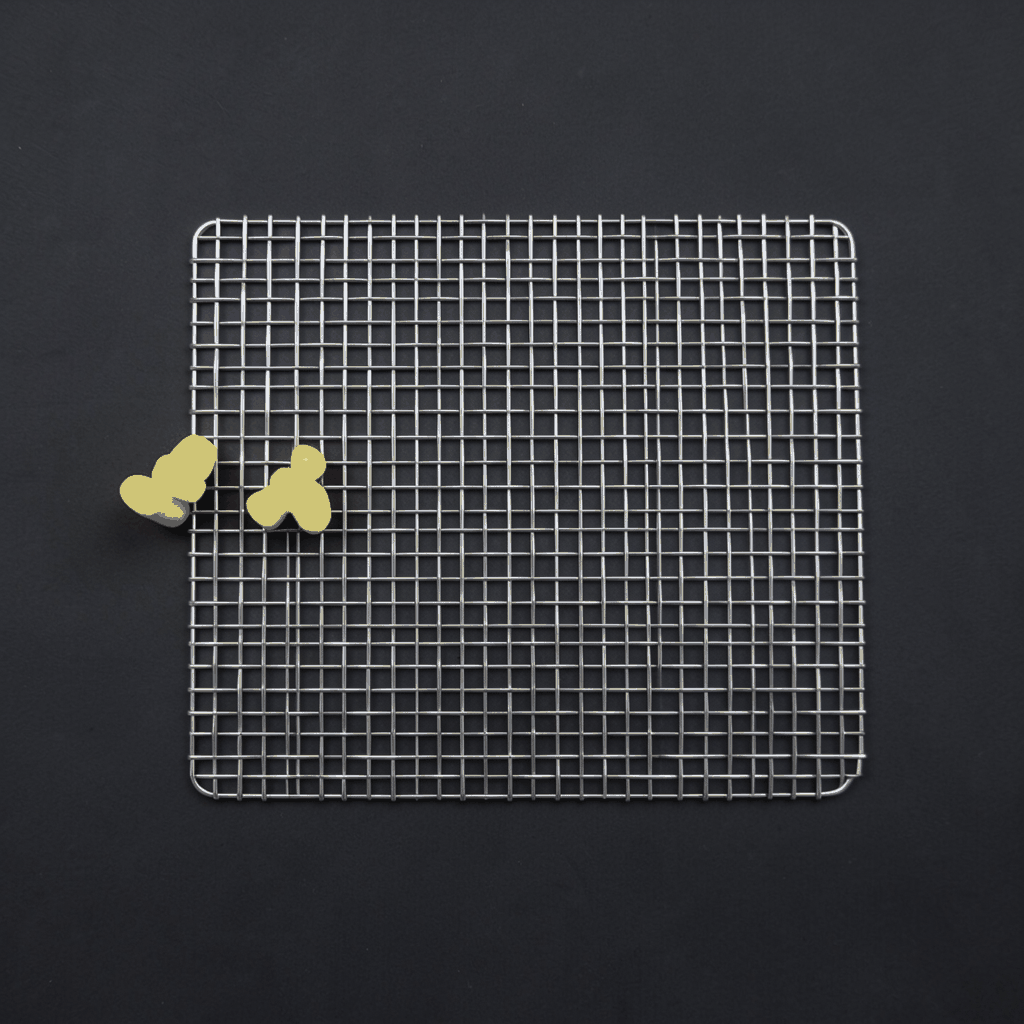
Mesh density and aperture are critical. A loosely woven decorative screen may look substantial but still leave passages for small insects or young rodents. Foundation exclusion generally calls for a fine, consistently woven product selected for the target pest and opening. The mesh must remain continuous at corners, overlaps, fasteners, and transitions to other materials.
For projects involving architectural or industrial fabrication, a specialized metal mesh manufacturer can help match copper, stainless steel, aluminum, or other alloys to the required opening size, shape, and finish. Product selection should follow the actual exposure conditions instead of relying on appearance alone.
Where to install copper mesh
The most useful locations are discontinuities in the foundation system. These include cracks that are stable enough to repair, gaps around plumbing and electrical conduits, joints between concrete and masonry, and openings where cables enter below grade. Mesh can also be incorporated around crawl-space vents, weep-hole protection, slab penetrations, and the base of certain cladding systems.
Care is needed at movement joints. A rigidly packed barrier may split when adjoining materials expand, contract, settle, or vibrate. Flexible copper mesh, a suitable backing material, and an elastic sealant can accommodate limited movement, but active structural cracks require assessment and repair by a qualified professional before pest exclusion work begins.
The barrier should connect with the rest of the building envelope. A short piece of mesh around one pipe is ineffective if a nearby unsealed conduit, drain opening, or damaged vent offers an easier route. Installers should map all penetrations and inspect the foundation perimeter from both the exterior and interior where accessible.
Copper mesh may also be placed beneath or behind selected components during construction. Examples include vent assemblies, service sleeves, masonry interfaces, and protective grilles. Embedding or covering the material too early can make later inspection impossible, so its location should be recorded in project documentation.
| Application area | Main risk | Suitable copper mesh function | Important consideration |
|---|---|---|---|
| Pipe and conduit penetrations | Termite and rodent access around irregular gaps | Packed annular barrier secured with compatible sealant | Allow for service movement and future maintenance |
| Crawl-space vents | Small animal entry and insect passage | Fine mesh backing behind the vent grille | Preserve required airflow and drainage |
| Foundation cracks | Hidden routes through concrete or masonry | Surface or recessed exclusion layer after repair | Do not use mesh to conceal structural movement |
| Slab and wall interfaces | Continuous perimeter access | Continuous strip across the joint or edge | Coordinate with waterproofing and expansion details |
| Drain and utility openings | Entry from soil or service trenches | Formed mesh collar or screen assembly | Avoid blocking drainage or creating debris traps |
| Cladding and façade penetrations | Gaps behind exterior finishes | Custom-cut infill or backing mesh | Prevent galvanic contact with incompatible metals |
Material selection and installation details
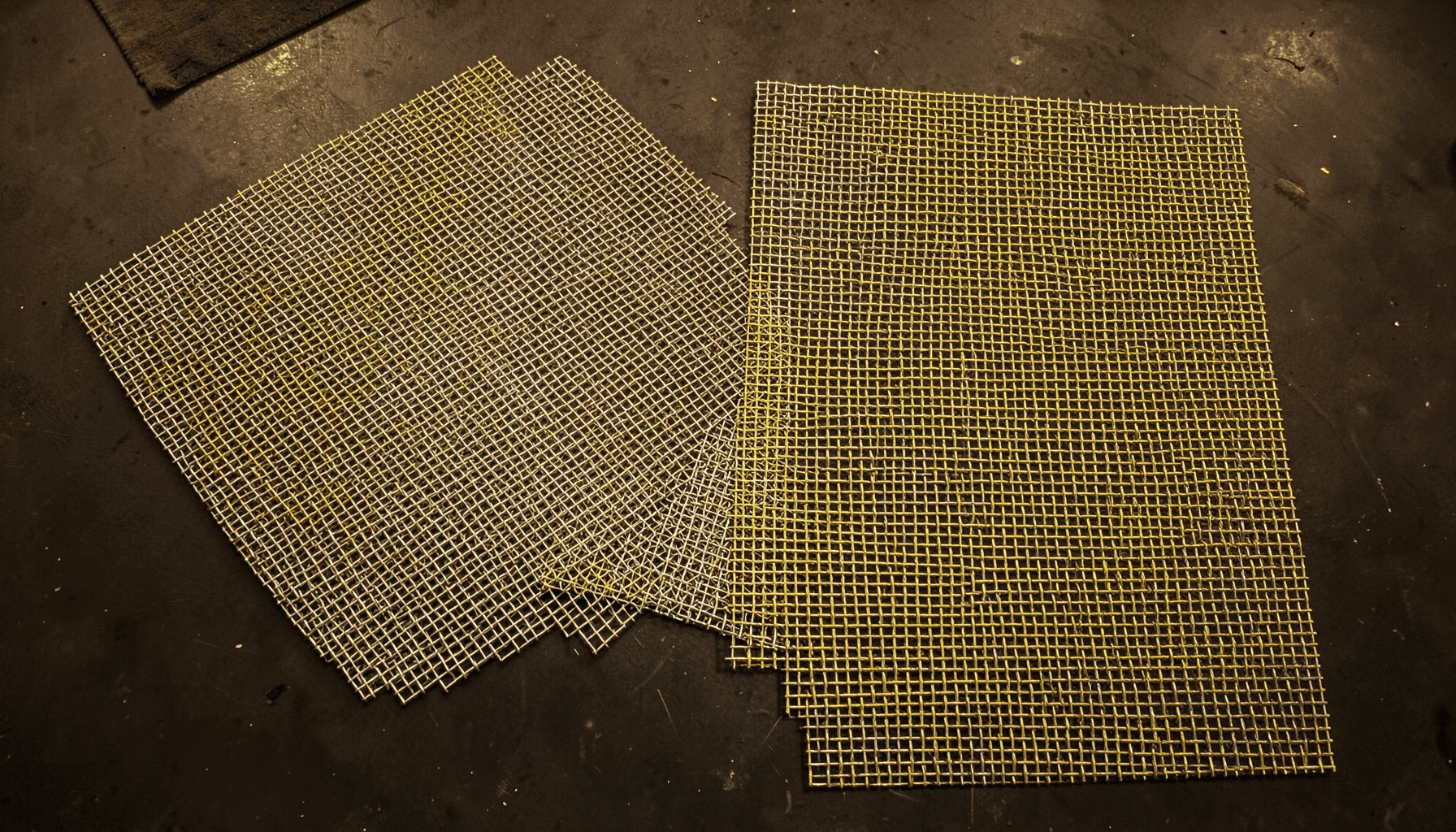
Copper mesh is available in different wire diameters, weave patterns, widths, and levels of flexibility. A fine mesh is generally appropriate for small insect exclusion, while a heavier woven or knitted product may be better where rodents could apply force. The correct choice depends on the gap dimensions, expected pressure, exposure, and whether the mesh will remain visible.
The opening should be cleaned before installation. Dust, loose mortar, oil, nesting material, and corrosion products can prevent sealants from bonding. Installers should pack the mesh firmly without leaving channels through the center. It should be anchored or retained so that vibration, temperature changes, and pest activity cannot pull it from the opening.
Sealant selection deserves equal attention. Some sealants adhere poorly to copper or deteriorate when constantly exposed to moisture. The product manufacturer’s compatibility guidance should be followed, especially where the joint is below grade or exposed to freeze-thaw cycles. In waterproofing assemblies, copper mesh must not puncture membranes or create a bypass around a properly detailed drainage plane.
Cut edges should be handled carefully because wire ends can be sharp. Protective gloves, eye protection, and appropriate cutting tools reduce installation injuries. On larger projects, prefabricated collars, panels, or formed mesh components can improve consistency and reduce the number of weak overlaps.
Durability, corrosion, and building compatibility
Copper has good resistance to many atmospheric conditions, but its performance is not unlimited. Soil chemistry, persistent moisture, salt exposure, cleaning chemicals, and contact with other metals can affect its service life. Copper may develop a patina, which is usually a normal surface change, but discoloration does not automatically prove that the barrier has failed.
Galvanic corrosion is a key concern when copper touches aluminum, galvanized steel, zinc, or some other dissimilar metals in the presence of moisture. Direct contact can accelerate deterioration of the less noble metal. Isolation layers, compatible fasteners, protective coatings, and proper drainage may be needed at interfaces. This issue is particularly important around metal cladding, flashing, fencing, and foundation accessories.
Fresh or highly alkaline cementitious materials can also interact with copper surfaces. The design team should verify compatibility before embedding copper mesh directly into concrete, mortar, or repair compounds. In some locations, stainless steel mesh may be a more appropriate long-term option, especially where corrosion exposure, fire performance, or contact with treated materials governs the selection.
Copper should not be installed where it blocks weep paths, traps soil against a wall, or interferes with a waterproofing system. Pest exclusion cannot compensate for poor drainage. A barrier that holds damp debris against the foundation may create a new maintenance and deterioration problem even if it keeps rodents out.
Inspection and maintenance after installation
Foundation exclusion systems need periodic inspection because landscaping, settlement, construction work, and utility repairs can create new gaps. A practical inspection should look for displaced mesh, broken sealant, corrosion, rodent gnawing, mud tubes, water staining, and blocked vents. Areas hidden by mulch, vegetation, or stored materials deserve particular attention.
Inspections are especially important after heavy rain, flooding, excavation, or renovations. Plumbing and cable contractors may remove or disturb a barrier without realizing its pest-control purpose. Photographs and marked-up drawings can show the location of concealed mesh and make future repairs less destructive.
Copper mesh is not a complete termite management program. Soil treatment, baiting, inspection, moisture control, and structural repairs may be required depending on the pest species and local regulations. Active termite damage should be assessed by a licensed pest professional, while structural movement and foundation defects should be reviewed by an appropriate building specialist.
Practical recommendations for project teams
A coordinated installation process makes copper mesh more reliable and easier to maintain. The following priorities help integrate pest exclusion with foundation and envelope work:
- Survey every below-grade penetration, vent, joint, and service opening before selecting mesh.
- Choose the wire diameter and aperture for the actual termite, insect, or rodent risk rather than for appearance.
- Keep copper isolated from incompatible metals where moisture could create galvanic corrosion.
- Use compatible sealants and retain the mesh firmly without obstructing drainage, ventilation, or movement joints.
- Record concealed locations and schedule inspections after severe weather, landscaping, and utility modifications.
When a foundation is already infested, sealing visible gaps alone may trap pests inside the structure or leave hidden colonies undisturbed. The sequence should normally include inspection, removal or treatment where necessary, repair of moisture and structural defects, and then installation of the exclusion barrier.
For new construction, the best opportunity comes before soil backfill and exterior finishes conceal the work. Designers, contractors, waterproofing specialists, and pest professionals can coordinate mesh continuity at the foundation line and around service entries. This approach is usually more dependable than attempting isolated repairs after occupants report activity.
Copper mesh can provide durable, adaptable protection when it is specified as an engineered exclusion component. Review the foundation details, identify vulnerable openings, and select a mesh product suited to the exposure before installation begins. For custom dimensions, fabricated collars, screens, or other metal mesh components, contact Shuo Ke Wire Mesh Product Technology Co., Ltd. to develop a practical solution for the building’s pest, material, and design requirements.