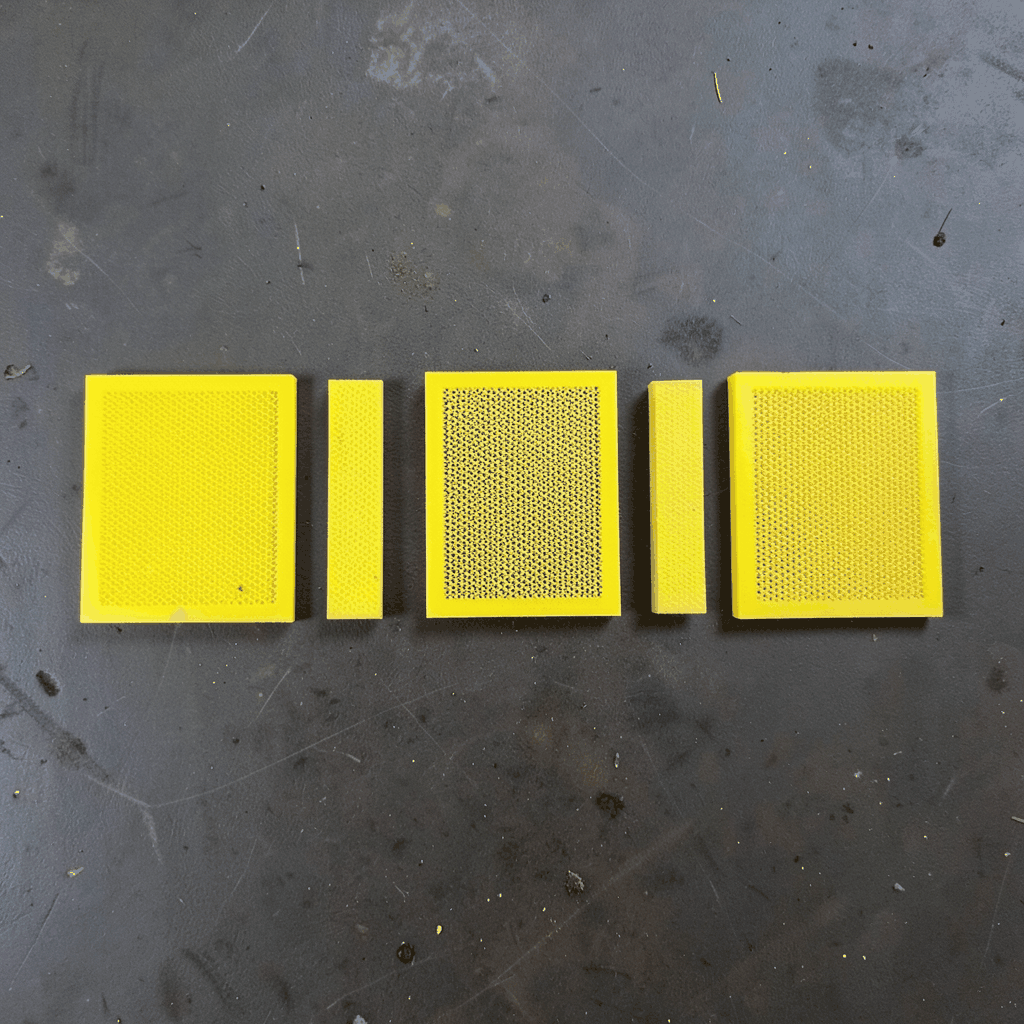
Using Laser-Cut Mesh to Add Decorative Ventilation to Cabinet Doors
Cabinet doors are often treated as purely visual elements, yet ventilation can be essential wherever enclosed spaces hold heat, moisture, odors, or sensitive equipment. A solid door may protect the contents, but it can also restrict airflow and create an environment that affects finishes, electronics, stored materials, or indoor comfort.
Laser-cut metal mesh provides a practical way to introduce controlled ventilation without giving up a refined appearance. Precision-cut openings create a decorative screen, grille, or perforated panel that can be integrated into kitchen cabinetry, media units, electrical enclosures, reception furniture, wardrobes, and commercial storage systems.
For architects, furniture manufacturers, and project owners, the value lies in combining function with design flexibility. Pattern, metal type, finish, opening ratio, and mounting method can all be selected to suit the cabinet and its surroundings. A specialist manufacturer such as Shuo Ke Wire Mesh Product Technology Co., Ltd. can develop custom metal mesh components for both decorative and industrial applications.
Why Ventilated Cabinet Doors Matter
Air movement inside a cabinet helps prevent heat and humidity from becoming trapped. This is especially important for doors covering amplifiers, network devices, power supplies, refrigeration equipment, lighting components, or other electrical systems. Even low-power equipment can produce heat when operating for long periods in a confined space.
Ventilation also benefits cabinets used in kitchens, utility rooms, bathrooms, and hospitality environments. Moisture and odors can accumulate behind closed doors, while stored cleaning products or waste containers may require airflow. A ventilated cabinet front allows air exchange while maintaining a cleaner and more coordinated appearance than a basic exposed grille.
Laser-cut ventilation panels can be designed with openings that perform a useful airflow function while contributing to the room’s visual language. Repeating geometric patterns may complement modern interiors, while botanical, abstract, or custom-branded designs can support a more distinctive architectural concept. The panel becomes part of the door design rather than an afterthought added for equipment protection.
Select A Pattern That Supports Airflow
The appearance of a laser-cut screen is important, but the open area behind the pattern determines how effectively air can pass through. A dense pattern with very small openings may look elegant while offering limited ventilation. A more open design can improve air exchange but may reduce privacy or expose cabinet contents.
The required open area depends on the equipment, cabinet volume, heat output, and whether air enters and exits through separate locations. For an electronics cabinet, it is often useful to position ventilation openings near lower intake zones and upper exhaust zones. Natural convection can move warm air upward, while fans can provide more predictable circulation when equipment generates substantial heat.
Pattern scale should also match the size of the door. Large motifs can become difficult to recognize on a narrow panel, while very fine perforations may appear visually noisy or be vulnerable to distortion if the material is too thin. Repeating slots, hexagonal perforations, staggered circles, and linear geometric patterns are common choices for cabinet ventilation.
A manufacturer can adjust the cutout geometry, border width, corner treatment, and mounting margins according to the door dimensions. This allows the decorative metal grille to remain structurally stable and visually balanced instead of simply placing a standard vent into a custom-sized opening.
Choose Materials For The Environment
Stainless steel is a strong option for kitchens, commercial interiors, laboratories, and areas exposed to moisture. It offers corrosion resistance, a clean surface, and a contemporary appearance. Brushed stainless steel can reduce visible fingerprints and coordinate with appliances, while polished surfaces create a brighter decorative effect.
Aluminum is lightweight and easy to handle, making it suitable for large cabinet doors or furniture where excess weight could affect hinges. It can be anodized or powder coated in a wide range of colors. Aluminum laser-cut panels are especially useful when the design calls for a colored accent, a seamless match with cabinetry, or a visually light screen.
Copper and brass-toned materials can introduce warmth into hospitality, residential, and retail interiors. Their natural appearance may change over time, depending on the finish and surrounding conditions. Iron and mild steel provide strength and cost flexibility, but they usually require a protective coating to limit oxidation, especially in humid areas.
Material selection should account for more than appearance. Consider panel size, door weight, cleaning requirements, corrosion exposure, edge safety, and the method used to attach the screen. The correct finish also helps protect the mesh from fingerprints, grease, moisture, and repeated contact.
Match Mesh Construction To Cabinet Design
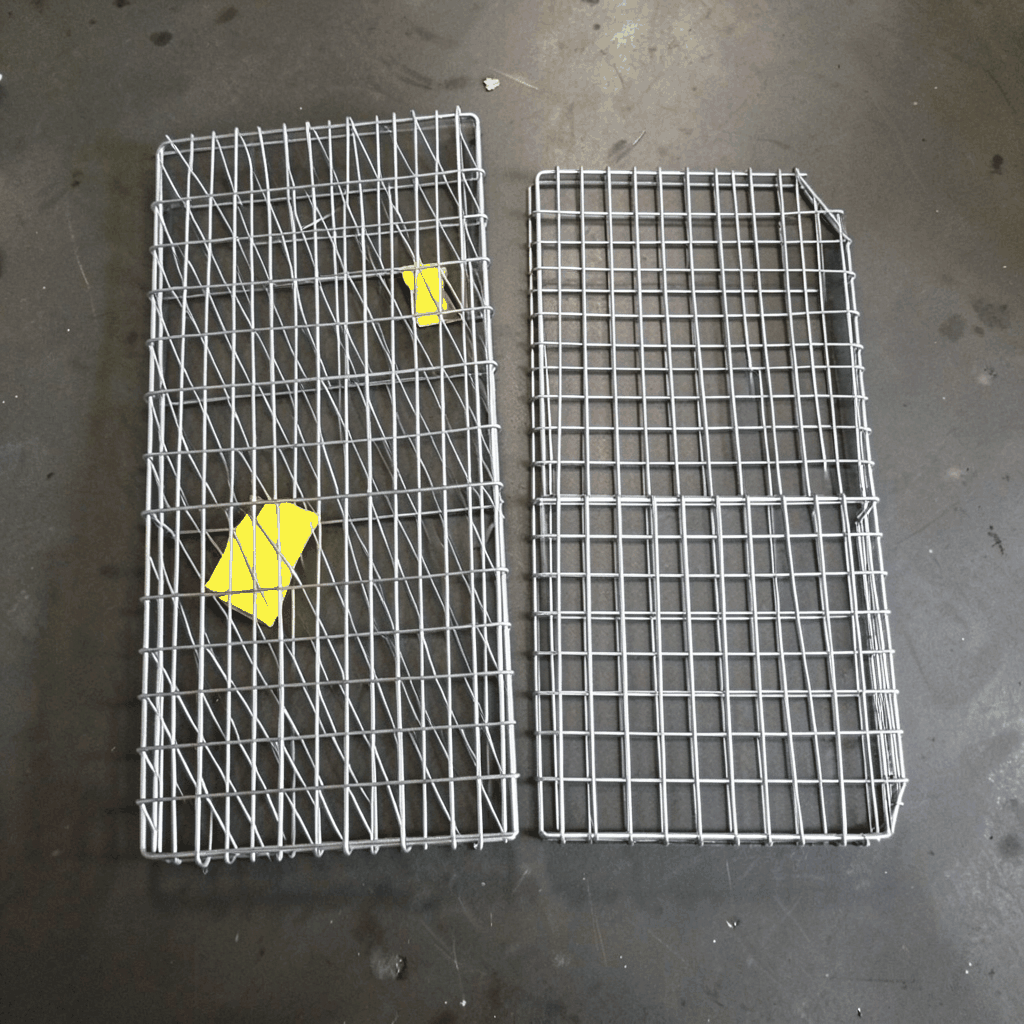
Laser-cut mesh can be supplied as a flat sheet, framed insert, folded panel, or complete decorative grille. A flat insert is often installed behind a routed opening in a timber, laminate, MDF, or metal cabinet door. This approach keeps the front surface visually simple while allowing the pattern to remain visible through the opening.
A framed panel can simplify installation and provide a finished border around the cutout. It may be attached with screws, clips, concealed fasteners, adhesive, or a removable retaining system. Removable solutions are useful when filters, electrical components, or stored items require regular service.
Door construction affects the details. Hinged doors need sufficient clearance so that the mesh does not interfere with adjacent panels. Sliding doors require careful attention to track alignment and panel thickness. Large doors may need stiffening ribs, a perimeter frame, or a stronger alloy to prevent flexing during use.
Edges should be deburred and finished smoothly, particularly in residential and public settings. If the panel will be touched frequently, rounded corners and concealed fixings can improve safety and create a more refined result. Accurate fabrication also reduces gaps that could collect dust or make the insert appear poorly aligned.
Compare Common Metal Options
The most suitable material depends on the balance between ventilation, appearance, weight, strength, and environmental exposure. The following comparison provides a starting point for selecting a laser-cut cabinet door insert.
| Material | Main Advantages | Suitable Applications | Points To Consider |
|---|---|---|---|
| Stainless steel | Durable, corrosion resistant, hygienic, premium appearance | Kitchens, commercial cabinetry, laboratories, elevator or wall-related interior systems | Heavier than aluminum and may require a higher material budget |
| Aluminum | Lightweight, adaptable, easy to color or coat | Large furniture doors, media units, retail displays, office storage | Can dent more easily than steel and may need careful edge design |
| Copper or brass-toned metal | Warm decorative character and strong visual impact | Hospitality interiors, feature cabinetry, boutique retail, residential accents | Surface appearance can change, and protective finishing may be needed |
| Mild steel or iron | Strong, versatile, and often cost-effective | Industrial cabinets, workshops, utility storage, robust architectural furniture | Requires coating or other protection against rust |
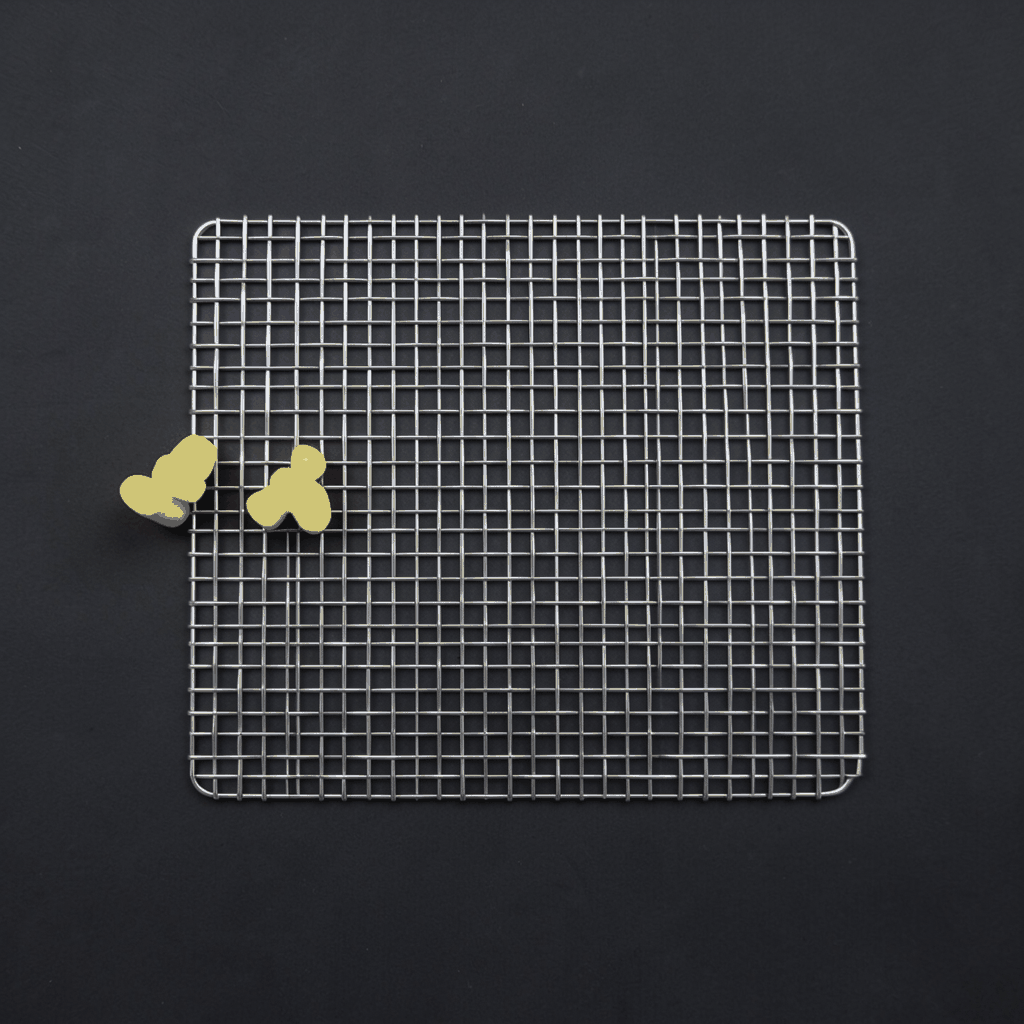
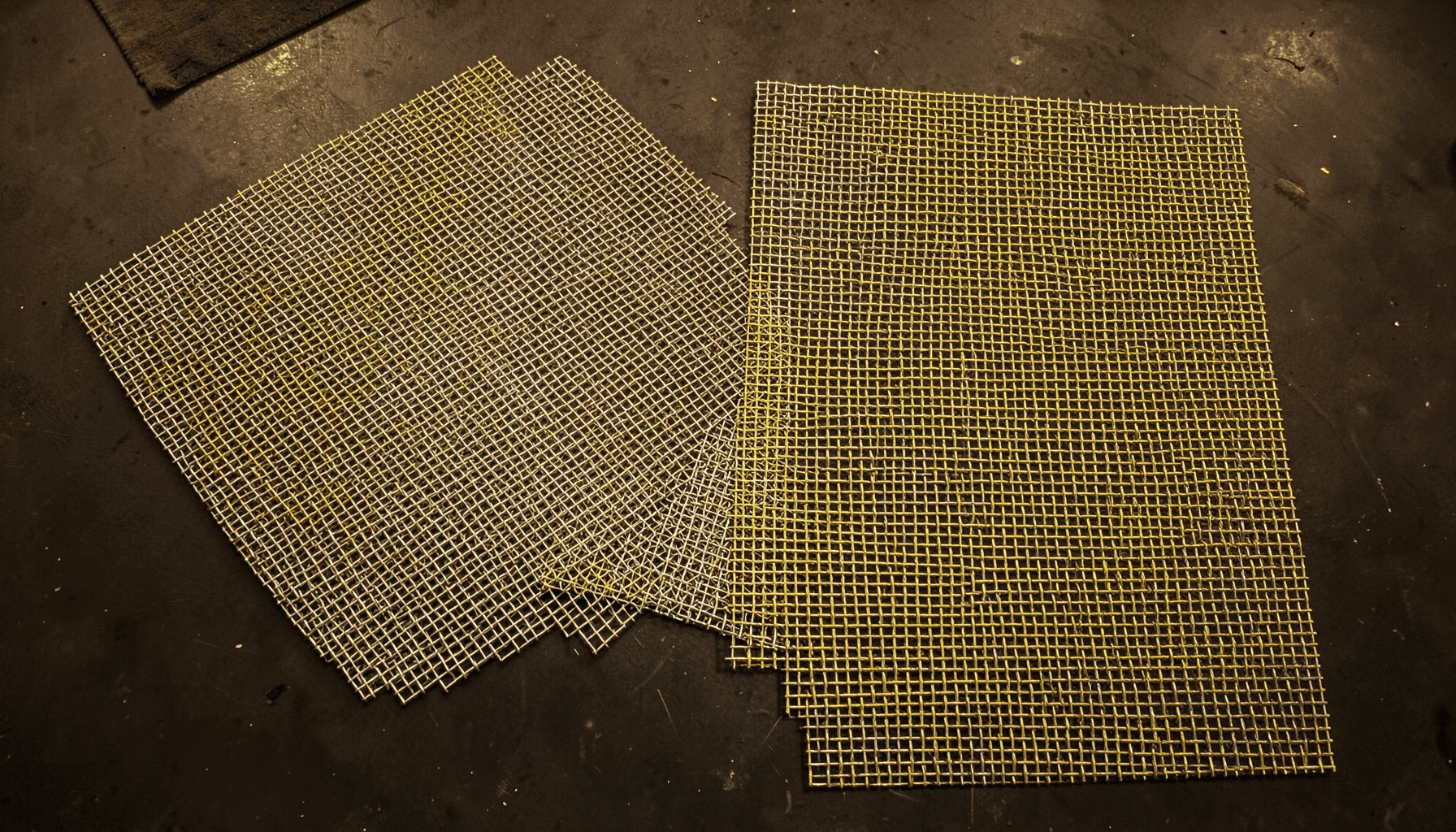
| Stainless steel wire mesh | Flexible appearance, open construction, and useful airflow | Vent inserts, grilles, equipment doors, industrial enclosures | May need a frame or tensioning method for a precise finished look |
The table compares broad material characteristics, but a project may also use different finishes on the same base metal. Powder coating can provide color consistency and surface protection, while brushed, satin, mirror, or bead-blasted treatments create different levels of reflectivity. A sample should be reviewed under the project’s actual lighting before final approval.
Balance Privacy, Cleaning, And Maintenance
Decorative ventilation is most effective when the pattern supports the way the cabinet will be used. In a media console, a moderately open geometric grille can conceal cables and equipment while allowing heat to escape. In a wardrobe or storage unit, a finer pattern may provide airflow without making the contents highly visible.
Dust accumulation should be considered during design. Very intricate patterns can require more frequent cleaning than larger openings with simple geometry. In offices, kitchens, and commercial spaces, a smooth finish and accessible mounting system make routine wiping easier. Removable inserts may be appropriate when the cabinet houses filters, fans, or equipment that needs periodic inspection.
Cleaning methods depend on the material and coating. Stainless steel generally responds well to a soft cloth and a suitable non-abrasive cleaner. Powder-coated aluminum and steel should be cleaned with mild solutions that will not damage the finish. Harsh abrasives, aggressive solvents, and rough scouring pads can create scratches or dull the surface.
Ventilation panels should also be checked for loose fasteners, damaged coatings, bent edges, and blocked openings. Early maintenance helps preserve airflow and prevents a small installation issue from affecting the door, equipment, or surrounding finish.
Recommendations For A Successful Panel
- Define the heat, moisture, odor, or airflow problem before selecting the pattern and opening ratio.
- Choose a metal that matches the cabinet’s weight limits, cleaning routine, humidity level, and visual style.
- Provide accurate door dimensions, cutout sizes, border widths, corner radii, and fixing preferences to the fabricator.
- Request a finish sample or prototype when color, reflectivity, pattern scale, or visibility is important.
- Keep ventilation openings clear of internal shelves, insulation, cable bundles, and equipment that could restrict circulation.
A coordinated design process helps prevent common problems such as insufficient airflow, excessive door weight, visible unfinished edges, or a pattern that looks disproportionate after fabrication. It is useful to review the cabinet elevation, section, and internal equipment layout together rather than treating the decorative insert as an isolated component.
Custom fabrication is especially valuable when several doors must align across a wall or furniture run. Consistent pattern registration, matching finishes, and controlled tolerances can make separate panels appear to form one continuous architectural surface. For branded interiors, a custom laser-cut logo or motif can also be incorporated within practical limits.
Shuo Ke Wire Mesh Product Technology Co., Ltd. produces and processes architectural and industrial metal mesh in stainless steel, aluminum, copper, iron, and other alloys. Its experience with decorative screens, cladding, partitions, filters, baskets, and related mesh products supports projects that require both visual customization and practical fabrication. Each cabinet application can be developed around its intended environment, dimensions, finish, and performance requirements.
When decorative ventilation is planned early, the cabinet door can provide airflow, equipment protection, and a strong design feature in one coordinated element. Share your cabinet drawings, preferred pattern, material, and finish requirements with Shuo Ke Wire Mesh Product Technology Co., Ltd. to develop a laser-cut mesh solution suited to your project.