See-Through Security Barriers for Modern Airports
Airports need security infrastructure that controls movement without making terminals feel closed, dark, or difficult to navigate. Solid walls can restrict sightlines and reduce the sense of openness passengers expect in public buildings. Mesh panels provide a practical alternative by separating sensitive zones while preserving visibility for security teams, staff, and travelers.
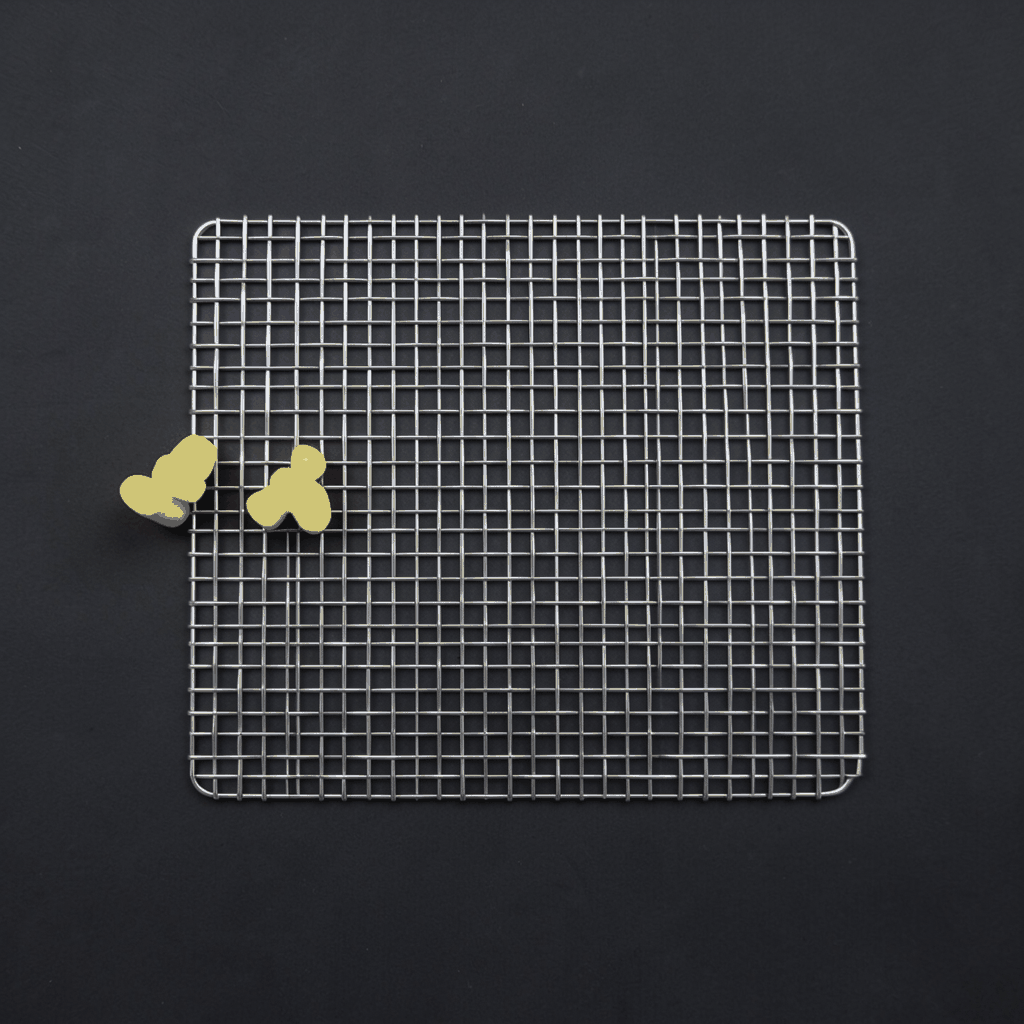
Architectural metal mesh can be used for queue lanes, restricted corridors, screening boundaries, stairways, service areas, baggage zones, and perimeter locations. Its open structure supports visual supervision, airflow, and daylight distribution while creating a durable physical barrier. With the right aperture, wire diameter, frame, and finish, a mesh security partition can serve both operational and architectural goals.
Shuo Ke Wire Mesh Product Technology Co., Ltd. manufactures and processes stainless steel, aluminum, copper, iron, and alloy mesh products for architectural and industrial applications. Customized panels, screens, fences, gates, guardrails, and cladding components can be developed for airport projects that require reliable performance and a coordinated visual language.
Why Visual Security Matters In Airports
Security barriers must guide people clearly and protect controlled areas without producing unnecessary visual obstruction. Airport employees need to monitor passenger movement, queue behavior, doors, equipment, and adjacent circulation routes. See-through metal panels help maintain these sightlines, allowing personnel to identify congestion or unauthorized access more quickly than they could behind opaque partitions.
Visibility also supports passenger confidence. Travelers can see the screening area, staff positions, exits, and surrounding terminal spaces instead of encountering a sequence of solid barriers. This can make wayfinding easier and reduce the confined feeling often associated with high-security environments. Mesh partitions can define boundaries while maintaining a lighter appearance than masonry, glass, or full metal sheets.
The open area of a mesh panel can be adjusted to suit the location. A tighter weave may be suitable near restricted doors or service passages, while a more open decorative mesh may work for a public queue divider. The design should account for hand access, climbing risks, object passage, cleaning requirements, and the viewing distance from nearby security posts.
Engineering A Barrier That Performs
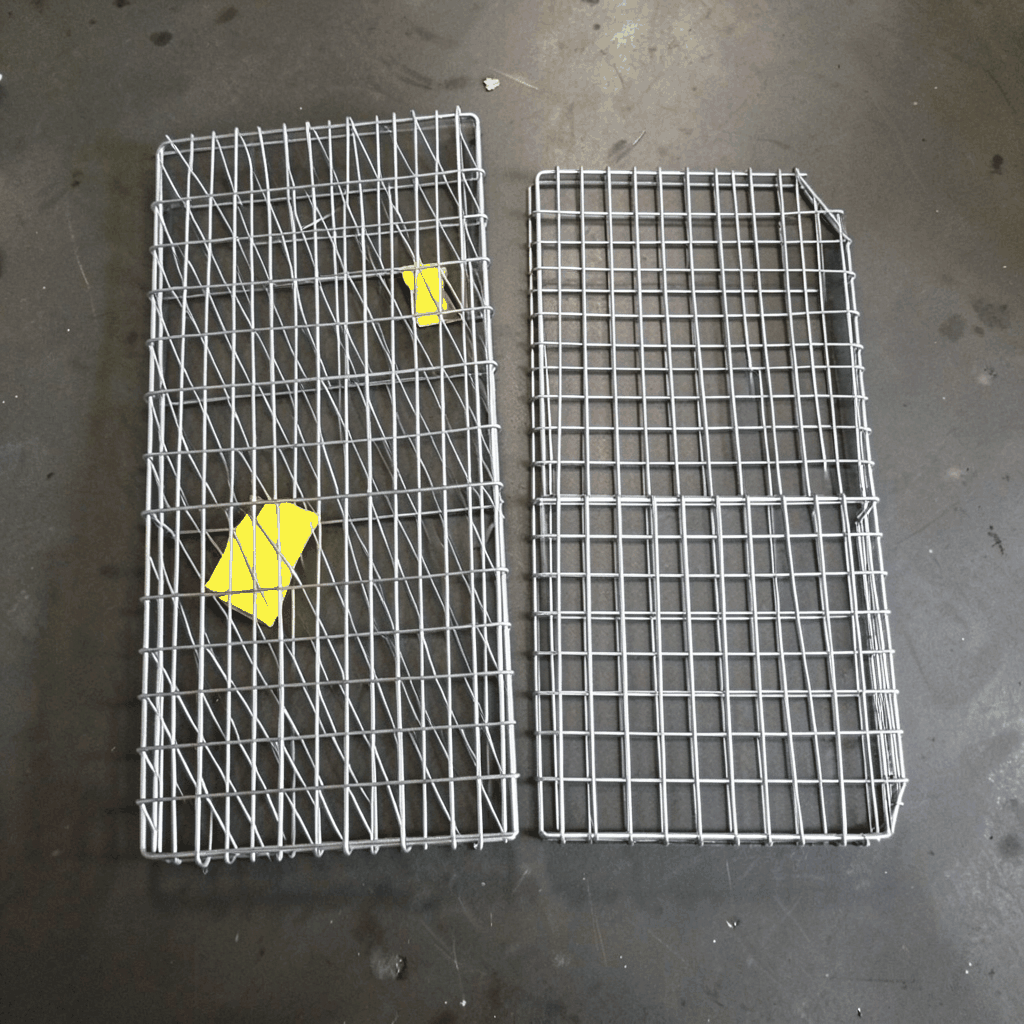
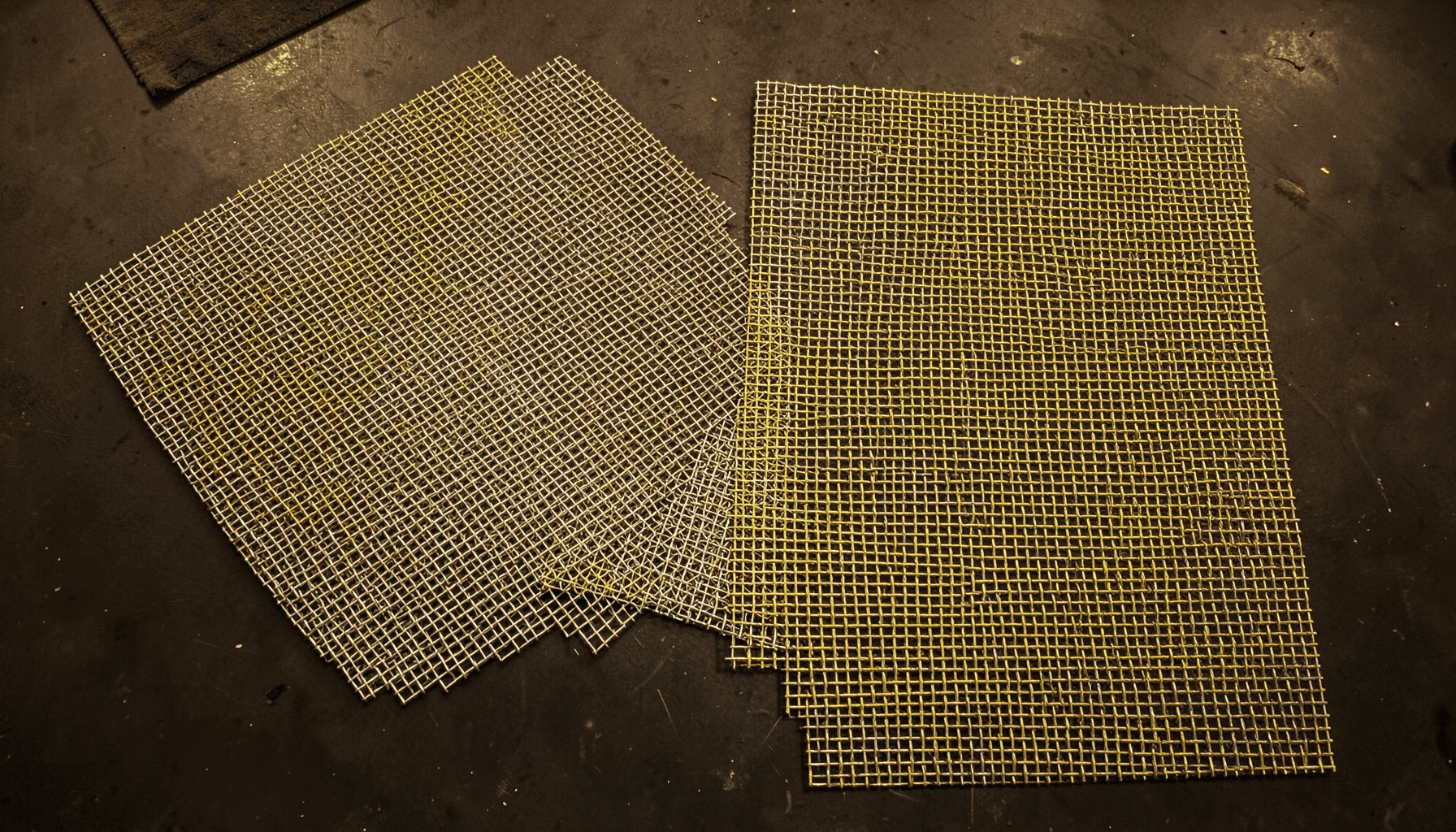
An airport barrier must be designed as a complete assembly rather than as a loose sheet of wire mesh. The panel, perimeter frame, posts, anchors, hinges, locks, and connections all influence safety and service life. Welded wire mesh, woven wire cloth, expanded metal, perforated metal, and decorative metal mesh each provide different combinations of rigidity, visibility, weight, and appearance.
For high-traffic areas, rigid welded or framed mesh panels can resist repeated contact from luggage carts, cleaning equipment, and passenger flow. Reinforced edges help prevent deformation, while concealed or tamper-resistant fasteners can reduce unauthorized disassembly. Where a barrier includes a gate, the opening direction, hardware clearance, emergency access, and access-control system must be coordinated during the design stage.
A see-through security screen should also avoid details that create accidental hazards. Sharp wire ends, exposed cut edges, protruding bolts, and poorly finished corners can injure passengers or staff. Rolled edges, welded frames, protective caps, and smooth surface treatments help create a safer installation. The appropriate specification depends on the airport zone, expected loads, local regulations, and the required security level.
Selecting Metal For The Airport Environment
Airport interiors and exterior approaches expose metalwork to varied conditions. Indoor terminals may have frequent cleaning, trolley impacts, and high humidity. Exterior barriers can encounter rain, road salt, pollution, ultraviolet exposure, and temperature changes. Material selection should consider corrosion resistance, structural requirements, appearance, weight, and the practical demands of fabrication and installation.
Stainless steel is widely suited to security partitions, queue barriers, elevator surrounds, and airport wall features because it offers a clean appearance and strong resistance to corrosion. Aluminum is lighter and can reduce handling and support requirements, making it useful for framed screens, ceiling features, and large decorative panels. Copper and specialized alloys may be selected for visual impact or particular performance requirements, while painted or galvanized iron can provide an economical option in suitable environments.
| Material | Useful qualities | Suitable airport uses | Key specification considerations |
|---|---|---|---|
| Stainless steel | Strong, corrosion resistant, easy to maintain | Security partitions, gates, guardrails, cladding, high-traffic interiors | Grade, wire diameter, surface finish, weld quality |
| Aluminum | Lightweight, adaptable, available in many finishes | Interior screens, framed panels, decorative dividers, overhead features | Alloy, panel rigidity, coating, expansion allowance |
| Copper | Distinctive appearance and natural patina | Feature screens, reception areas, architectural accents | Finish consistency, oxidation behavior, maintenance expectations |
| Galvanized or coated iron | Cost-effective and structurally practical | Service zones, equipment enclosures, selected exterior barriers | Coating system, corrosion protection, edge treatment |
| Other alloys | Can be tailored to strength or environmental needs | Specialized industrial or architectural installations | Compatibility, fabrication method, certification requirements |
Surface treatment has a direct effect on long-term appearance. Brushed stainless steel can conceal minor handling marks, while polished surfaces create a brighter visual effect but may require more frequent cleaning. Powder coating and anodizing provide color options for aluminum and can coordinate barriers with airport branding or interior finishes. Any coating specification should include preparation, thickness, adhesion, and touch-up procedures.
Strategic Applications Across Terminal Zones
Mesh barriers can define airport spaces in ways that support both security and passenger circulation. They are especially useful where a boundary is essential but full visual separation would make supervision harder. Queue management areas can use modular mesh panels to create orderly lanes, separate priority services, and redirect passengers during peak periods. Panels can be linked with posts, gates, signage mounts, and retractable belt systems.
Restricted corridors and staff-only routes may require a more robust configuration. Framed security mesh can extend from floor to ceiling, connect to walls, or surround access-controlled doors. In baggage handling and service areas, welded mesh partitions can protect equipment and prevent accidental entry while allowing operators to observe machinery and workflow. Mesh enclosures can also be used around storage cages, maintenance rooms, and technical installations.
Architectural applications extend beyond simple fencing. Laser-cut metal screens can provide controlled visibility around lounges, immigration areas, elevators, and staircases. Decorative woven mesh curtains may be used as movable partitions in concession areas or VIP facilities, provided the selected product meets the necessary safety and durability requirements. Matching finishes across barriers, wall cladding, elevator panels, and guardrails can create a consistent terminal design.
Exterior applications may include airport boundary fences, vehicle control points, pedestrian gates, guard booths, and protected service yards. In these locations, designers should assess wind loads, foundation conditions, vehicle impact exposure, drainage, and the effects of de-icing chemicals. Open mesh reduces wind resistance compared with solid fencing, but the complete support system still requires appropriate structural analysis.
Coordinating Design, Installation, And Maintenance
Airport construction involves multiple trades, strict access controls, and limited opportunities for disruption. Mesh panels should be coordinated with architectural drawings, floor finishes, fire and life-safety systems, lighting, cameras, access-control devices, and signage. Early dimensional information helps prevent conflicts with doors, emergency routes, baggage equipment, and passenger circulation paths.
Factory fabrication can improve consistency when the design includes repeated modules. Panels may be produced to specified widths, heights, mesh patterns, frame profiles, hole locations, and connection details. Numbered components and installation drawings can simplify delivery and reduce on-site cutting. For renovation projects, field measurements are especially important because existing floors, walls, and ceilings may not be perfectly aligned.
Maintenance requirements should be considered before the barrier is installed. Smooth surfaces and accessible connections make routine cleaning easier. In high-contact areas, staff should be able to inspect welds, hinges, locks, coatings, and anchor points without dismantling large sections. Modular components can allow a damaged panel or gate assembly to be replaced with limited impact on adjacent areas.
Cleaning chemicals and equipment should match the metal and finish. Stainless steel generally benefits from non-abrasive cleaning methods, while coated aluminum should be protected from harsh products that may affect color or adhesion. A maintenance schedule can include checks for corrosion, loosened fasteners, bent frames, damaged coatings, and changes in gate alignment. These inspections help preserve both security performance and the visual quality of the terminal.
Practical Specification Priorities
A successful airport mesh barrier balances openness with controlled access, durability with manageable weight, and security with a welcoming architectural character. The following priorities help project teams turn a general concept into a buildable product specification:
- Define the required visibility, aperture size, anti-climb characteristics, and object-passage limits for each zone.
- Select stainless steel, aluminum, coated iron, copper, or another alloy according to exposure, loading, cleaning, and appearance requirements.
- Specify the full assembly, including mesh, frame, posts, anchors, gates, locks, protective edges, and connection hardware.
- Coordinate panel dimensions and access points with cameras, lighting, signage, emergency egress, fire systems, and passenger circulation.
- Request samples, finish references, shop drawings, and quality documentation before approving production.
Custom fabrication is particularly valuable when an airport combines security upgrades with a broader architectural refurbishment. A manufacturer can adjust mesh density, wire thickness, panel geometry, frame design, finish, and mounting details to suit different terminal zones. This avoids forcing every location into a single standard product that may be too heavy, too open, or visually inconsistent.
Product selection should also distinguish between a barrier intended to guide people and one intended to prevent determined intrusion. A queue divider, equipment enclosure, and perimeter security fence do not face the same loads or operational risks. Clear performance criteria allow the manufacturer, architect, security consultant, and installer to develop an appropriate solution without adding unnecessary material or cost.
Building A Consistent Airport Security System
Using metal mesh throughout an airport can create a recognizable design system. Stainless steel woven mesh may appear in passenger-facing partitions, while rigid welded panels protect service areas. Aluminum laser-cut screens can carry a geometric pattern into lounges and circulation zones. Matching frames, finishes, and module dimensions help these different products feel related even when their technical functions vary.
The visual effect can be carefully controlled. Fine mesh creates a more solid appearance from a distance, while larger openings produce greater transparency and airflow. Dark finishes can reduce reflections around security equipment and create contrast with illuminated interiors. Bright stainless steel can support a clean, high-tech identity. Patterned or laser-cut panels can add branding elements without turning a security barrier into a visual obstruction.
For new construction and refurbishment programs, a coordinated supplier can simplify communication across multiple product categories. A manufacturer experienced in architectural and industrial mesh can support the development of partitions, fences, gates, guardrails, screens, cladding, baskets, and other fabricated components. Consistent quality control and finish management are especially important when products are distributed across several terminals or project phases.
Shuo Ke Wire Mesh Product Technology Co., Ltd. provides customized metal mesh solutions for demanding architectural, commercial, residential, and municipal applications. Its capabilities in stainless steel, aluminum, copper, iron, and alloy products support airport projects that require a combination of visual transparency, physical separation, durable fabrication, and tailored design.
Contact Shuo Ke Wire Mesh Product Technology Co., Ltd. to discuss airport security partitions, transparent fencing, access gates, architectural screens, or custom mesh panels. Share the intended location, dimensions, material preference, finish, and performance requirements to begin developing a practical see-through barrier system for the project.