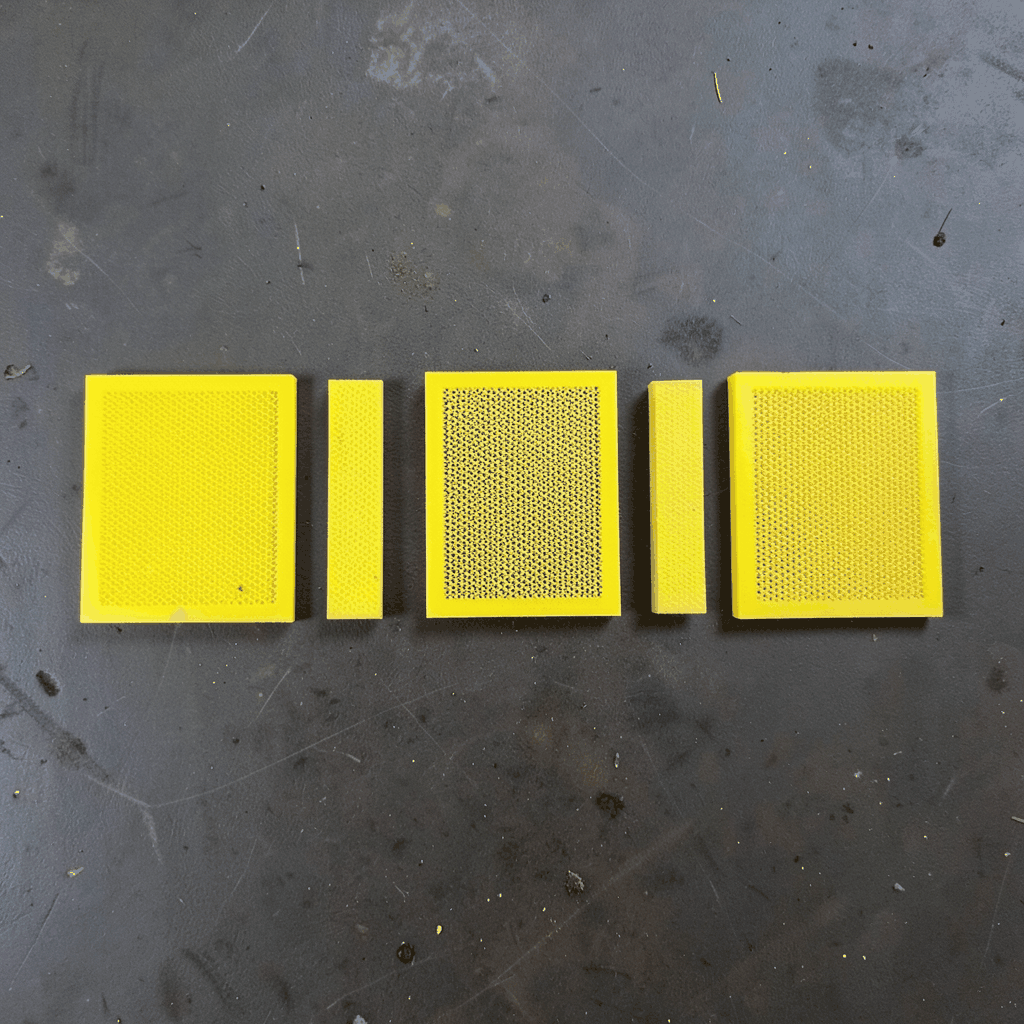
Using Perforated Mesh in Sound Diffusers for Recording Studio Walls
Recording studios depend on controlled reflections, balanced reverberation, and a listening environment that reveals detail without sounding unnaturally dry. Wall treatment therefore needs to manage sound across a wide frequency range while fitting the room’s visual identity. Perforated metal mesh can contribute to this balance when it is designed as part of a complete acoustic assembly rather than used as a decorative surface alone.
A perforated steel, aluminum, or other metal panel contains a precise pattern of openings that can interact with incident sound. Depending on the hole diameter, open area, panel thickness, air cavity, and backing material, it may support absorption, scattering, or a combination of both. This makes perforated mesh useful for studio diffuser walls, control rooms, vocal booths, and multipurpose media spaces.
The most successful installations combine acoustic calculations with careful fabrication. A metal face may protect mineral wool or acoustic fabric, create visual rhythm, and break up strong reflections, while the cavity behind it determines much of the low- and mid-frequency response. The result is a durable architectural treatment that can be customized to the room instead of relying on a generic panel.
Why Perforated Metal Works Acoustically
A flat, hard wall reflects sound in a predictable direction. In a small recording room, those reflections can reinforce one another and create flutter echo, comb filtering, or uneven tonal energy. A perforated metal surface interrupts the continuity of the wall and introduces many small edges. These edges scatter portions of the incoming wave, especially at upper and middle frequencies, reducing the strength of a single direct reflection.
The openings also allow sound to pass into the space behind the panel. When the perforated sheet covers an absorptive core, acoustic energy enters the cavity and is dissipated by porous material. This arrangement is often described as a microperforated or perforated absorber, although the precise behavior depends on the construction. A larger hole pattern with a deep cavity behaves differently from a fine perforation placed close to a rigid backing.
For a true sound diffuser, the surface needs more than random visual texture. Diffusion is influenced by depth variation, cell dimensions, sequence, and the frequency range being targeted. Perforated mesh can act as the visible and protective skin of a stepped diffuser, slotted resonator, or hybrid absorber-diffuser. It can also soften reflections around the boundaries of conventional quadratic residue diffusers and timber sound panels.
Designing Open Area And Hole Geometry
The open area ratio is one of the first specifications to review. It describes how much of the panel consists of openings compared with solid metal. A low open area produces a more reflective face and restricts the amount of energy reaching the backing. A higher open area improves acoustic access to the cavity but reduces the continuous surface available for reflection and may require a stronger support frame.
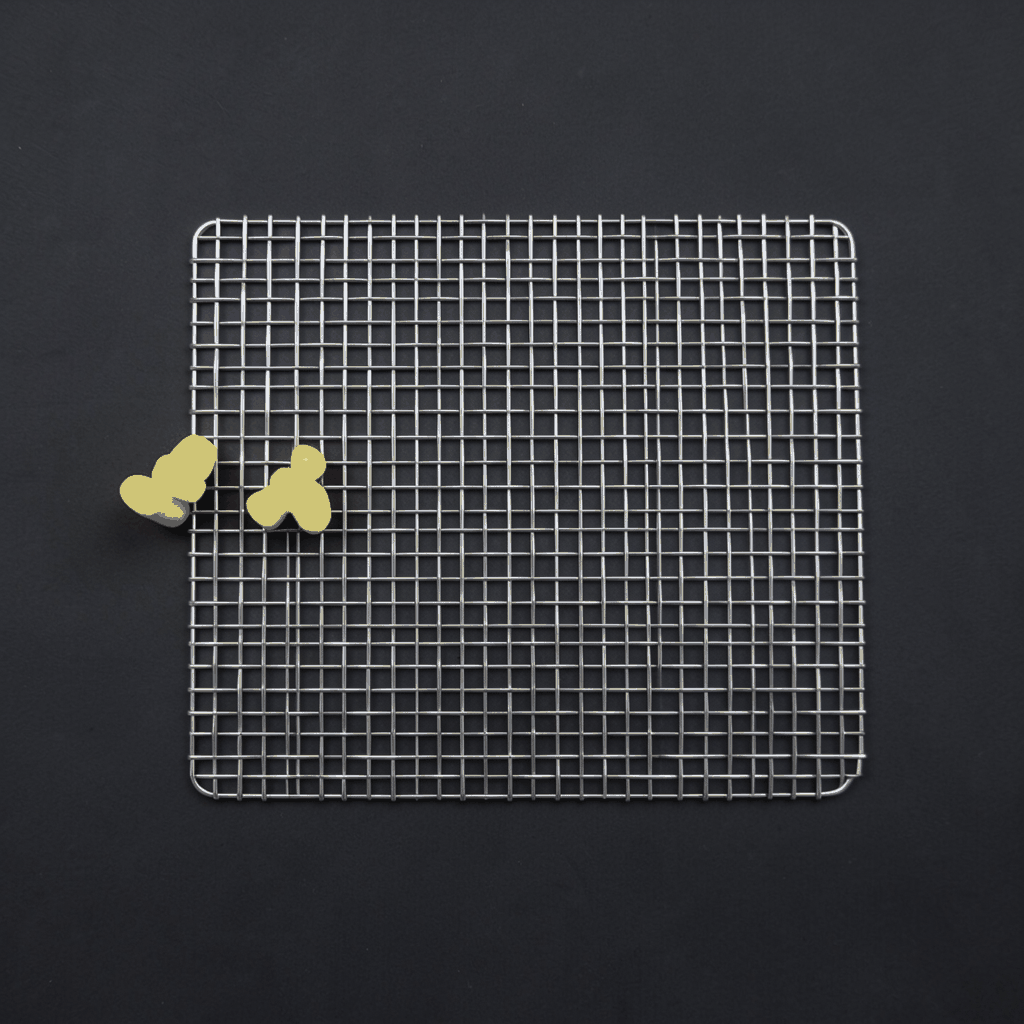
Hole diameter, spacing, and pattern affect both acoustic response and appearance. Round perforations create a consistent visual texture, while square, slotted, hexagonal, or custom openings can add directional character. Designers choosing between these options should consider how the pattern aligns with lighting, wall proportions, speaker locations, and nearby architectural elements. Guidance on mesh opening shapes can help connect acoustic requirements with the intended decorative language.
The panel thickness and the air gap behind it are equally important. A thin sheet with a shallow cavity may mainly scatter high-frequency reflections, while a thicker assembly with a deep void can support broader absorption. If the wall uses a perforated face over mineral wool, the fabric or insulation behind the openings should be acoustically transparent and carefully tensioned. A solid backing placed immediately behind the metal can change the panel from a porous absorber into a reflective or resonant system.
Building A Diffuser Wall Assembly
A recording studio wall should be designed in layers. The visible perforated mesh is only one component; the frame, cavity, acoustic infill, backing, and wall structure all contribute to performance. A typical hybrid system may include a rigid perimeter frame, a metal face panel, an air space, and a combination of absorptive and reflective zones arranged at different depths.
Depth variation is valuable because it produces different reflection paths. Panels can be mounted flush in some locations and recessed in others, or installed over stepped backing modules. This creates a controlled scattering field without requiring every part of the wall to be deeply carved. A designer can place more absorptive sections at first-reflection points and reserve more reflective or diffusive areas for the rear wall, where stronger scattering may help preserve liveliness.
The relationship between the diffuser and the loudspeakers must be considered early. A highly reflective panel directly beside a monitor may create unwanted early reflections, while a rear-wall diffuser can spread returning energy over time and direction. Measurements using room impulse response, frequency sweeps, or acoustic simulation are useful for deciding where perforated mesh should be open, backed, recessed, or combined with other treatments.
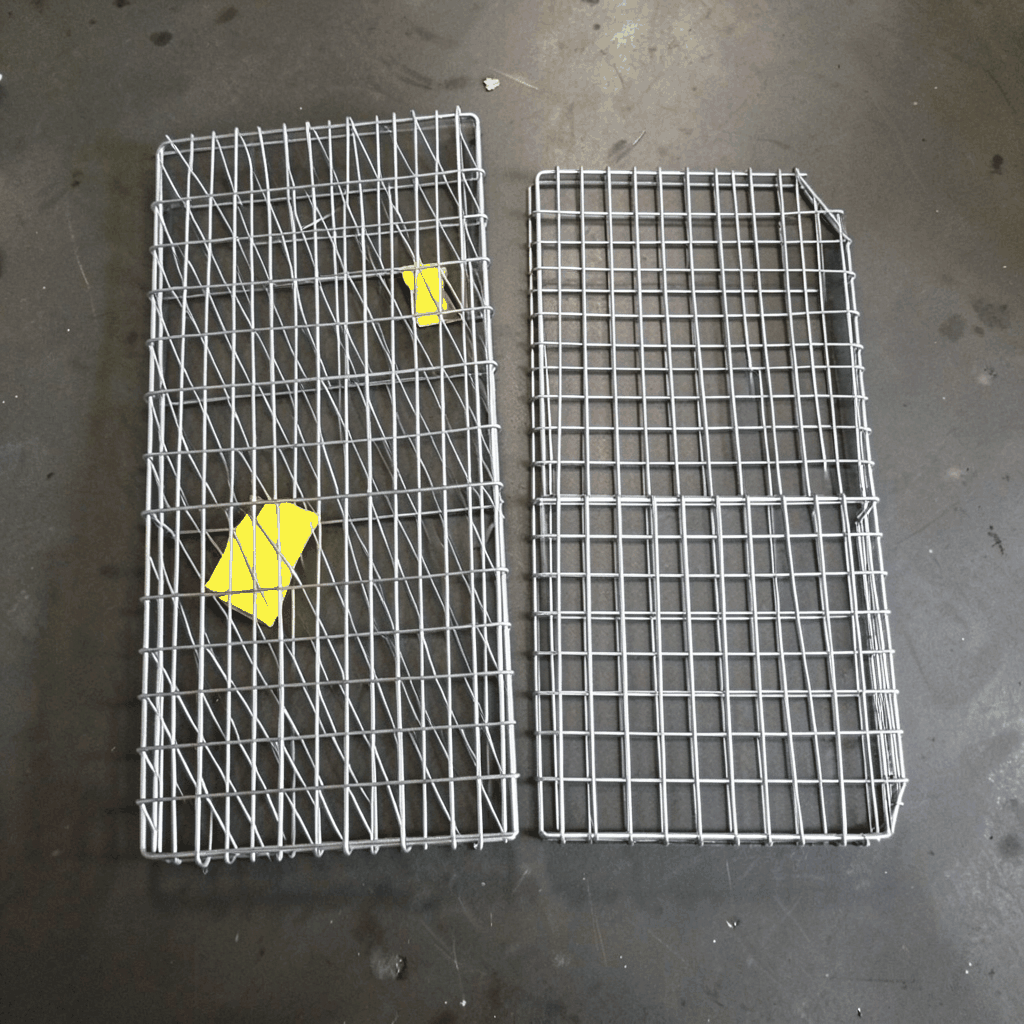
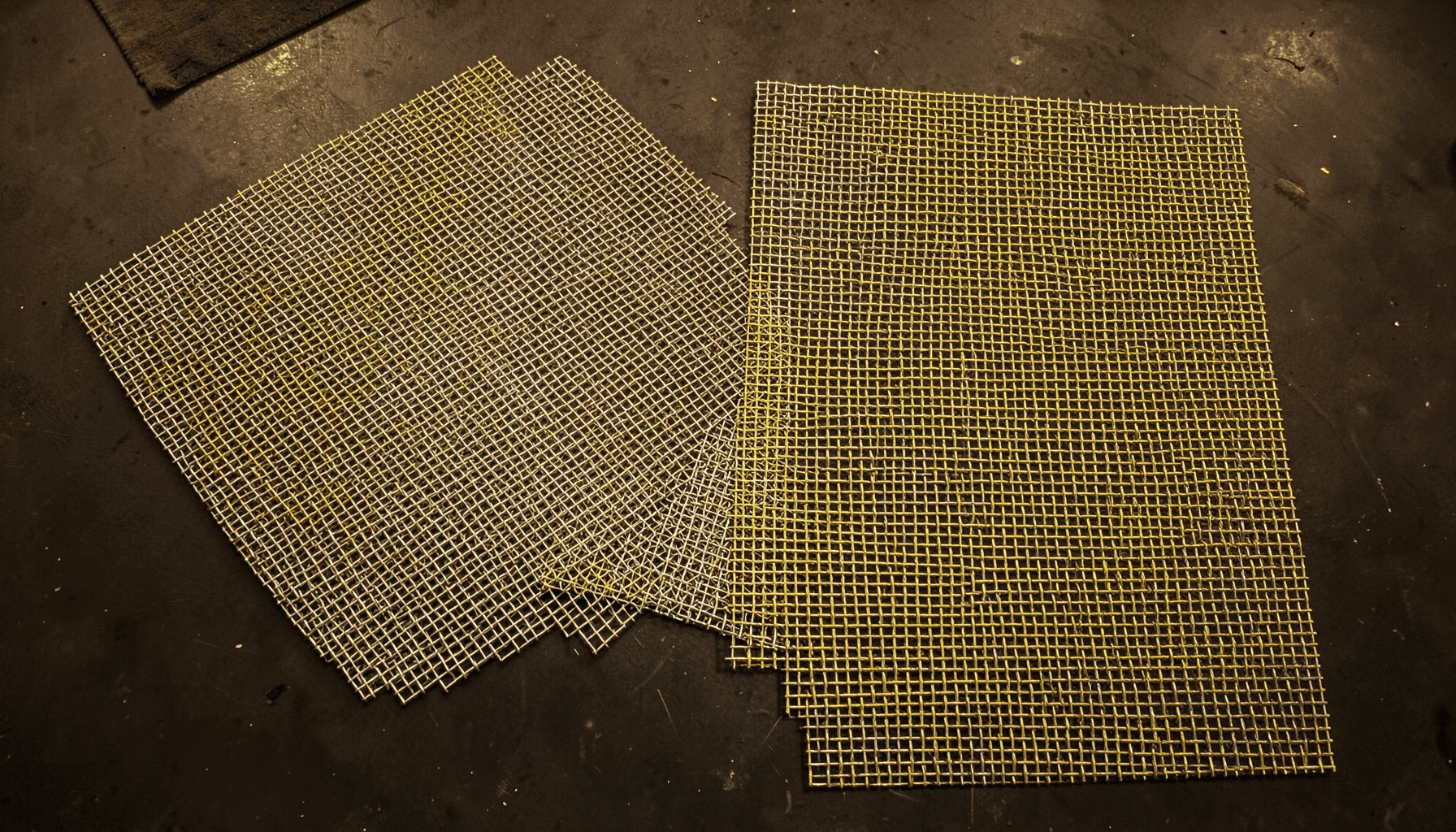
Metal construction also supports practical maintenance. A studio wall may be exposed to frequent handling, equipment movement, or cleaning. Stainless steel mesh resists corrosion and provides a clean, durable appearance. Aluminum reduces weight and can be powder coated or anodized. Copper and painted steel offer different colors and textures, while galvanized or coated iron may suit larger industrial or municipal interiors where structural durability is important.
Material Choices, Finishes, And Fabrication
Stainless steel is often selected for premium recording facilities because it combines strength, dimensional stability, and resistance to moisture. It can be brushed, polished, colored, or supplied with a controlled surface texture. The reflective quality of polished steel may be visually striking, but a matte or satin finish usually reduces glare from studio lighting and video equipment.
Aluminum is easier to handle on large wall sections and can reduce the load on secondary framing. Its surface can be anodized in different tones or finished with durable powder coating. Since aluminum is comparatively soft, edge protection and fastening details deserve attention where panels may be removed repeatedly for access to cabling or acoustic infill.
Fabrication tolerances matter when a perforated wall has a repeating pattern. Misaligned joints can interrupt the intended visual rhythm and create irregular acoustic behavior. Panels should be coordinated with doors, electrical outlets, ventilation grilles, light fixtures, and monitor mounts. Folded returns, concealed clips, bolted frames, or removable access panels can provide a clean installation while allowing future inspection.
Perforated metal should also be evaluated for safety and comfort. Exposed edges need to be hemmed, folded, deburred, or framed. Fasteners should not rattle when exposed to low-frequency sound pressure. Large panels may require intermediate supports to prevent vibration. A properly detailed assembly remains quiet, stable, and serviceable during long recording sessions.
Comparing Acoustic Wall Approaches
The best treatment depends on the room’s size, target frequency range, aesthetic requirements, and construction budget. Perforated mesh is particularly useful when a project needs a robust architectural finish over an engineered acoustic core. It is less effective when it is treated as a thin decorative screen with no calculated cavity or backing.
| Wall Treatment | Main Acoustic Action | Design Strengths | Limitations | Suitable Studio Location |
|---|---|---|---|---|
| Perforated metal over absorber | Absorption with controlled scattering | Durable, customizable, visually precise | Requires cavity and backing design | Side walls, rear walls, hybrid zones |
| Solid wood diffuser | Reflection and directional scattering | Warm appearance, proven diffuser formats | Heavier and less tolerant of moisture | Rear wall, listening position |
| Fabric-wrapped absorber | Broadband absorption | Efficient, lightweight, easy to tune | More vulnerable to impact and staining | First-reflection areas, vocal booths |
| Slatted wood panel | Mixed absorption and scattering | Strong architectural appearance | Limited tuning without backing changes | Side and rear walls |
| Microperforated panel | Resonant or broadband absorption | Thin profile and frequency-specific control | Narrower design tolerance | Compact rooms and ceiling systems |
| Solid decorative metal screen | Limited scattering and visual separation | Robust, washable, highly customizable | Little absorption without acoustic backing | Feature walls and protective fronts |
A hybrid wall often performs better than a uniform treatment. For example, perforated panels can cover dense mineral wool in selected areas, while deeper diffuser modules occupy the central rear wall. Slatted or fabric-covered absorbers can be added near the mixing position. This arrangement distributes acoustic functions instead of asking one surface to absorb every reflection.
The visual result can remain cohesive even when the acoustic functions differ. Matching the perforation pattern, finish, frame color, and module proportions across reflective and absorptive sections creates a unified wall. Custom metal processing also makes it possible to coordinate mesh openings with brand graphics, geometric motifs, or the studio’s interior design concept.
Practical Recommendations For Studio Projects
Before ordering panels, the acoustic consultant, architect, and metal fabricator should agree on the performance targets and installation sequence. The following recommendations help prevent decorative decisions from undermining the sound treatment:
- Define the intended frequency range, reflection control, and diffusion goals before choosing hole size or open area.
- Use acoustic simulation or measured room data to locate perforated panels, absorbers, and deeper diffuser sections.
- Specify the cavity depth, backing material, frame type, and access requirements together with the visible mesh.
- Select stainless steel, aluminum, copper, or coated steel according to weight, moisture exposure, finish, and maintenance needs.
- Review edge safety, panel vibration, fastener noise, ventilation clearance, and alignment with studio equipment.
A useful specification should list the metal grade, thickness, perforation shape, hole diameter, pitch, open area, finish, panel dimensions, and allowable fabrication tolerances. It should also describe the backing and support system rather than naming only the decorative face. This information allows the manufacturer to produce consistent modules and gives the acoustic team a clear basis for verification.
Sample panels are valuable for both testing and approval. A small mock-up can reveal glare, moiré effects, edge visibility, color variation, and the perceived scale of the openings under studio lighting. It can also be tested with the proposed backing and cavity so that the final acoustic behavior is closer to the installed condition.
Create A Durable Acoustic Feature Wall
Perforated mesh gives recording studio designers a practical way to combine acoustic control with a refined architectural finish. Its performance comes from the relationship between openings, panel thickness, cavity depth, backing, and wall geometry. When these elements are coordinated, the metal surface can protect the treatment, add controlled scattering, and support a distinctive interior identity.
Shuo Ke Wire Mesh Product Technology Co., Ltd. can develop customized perforated metal components and related architectural mesh products for studio walls, partitions, cladding, and other specialized spaces. Share the required material, perforation pattern, dimensions, finish, and acoustic assembly details to begin developing a durable diffuser wall suited to the project.