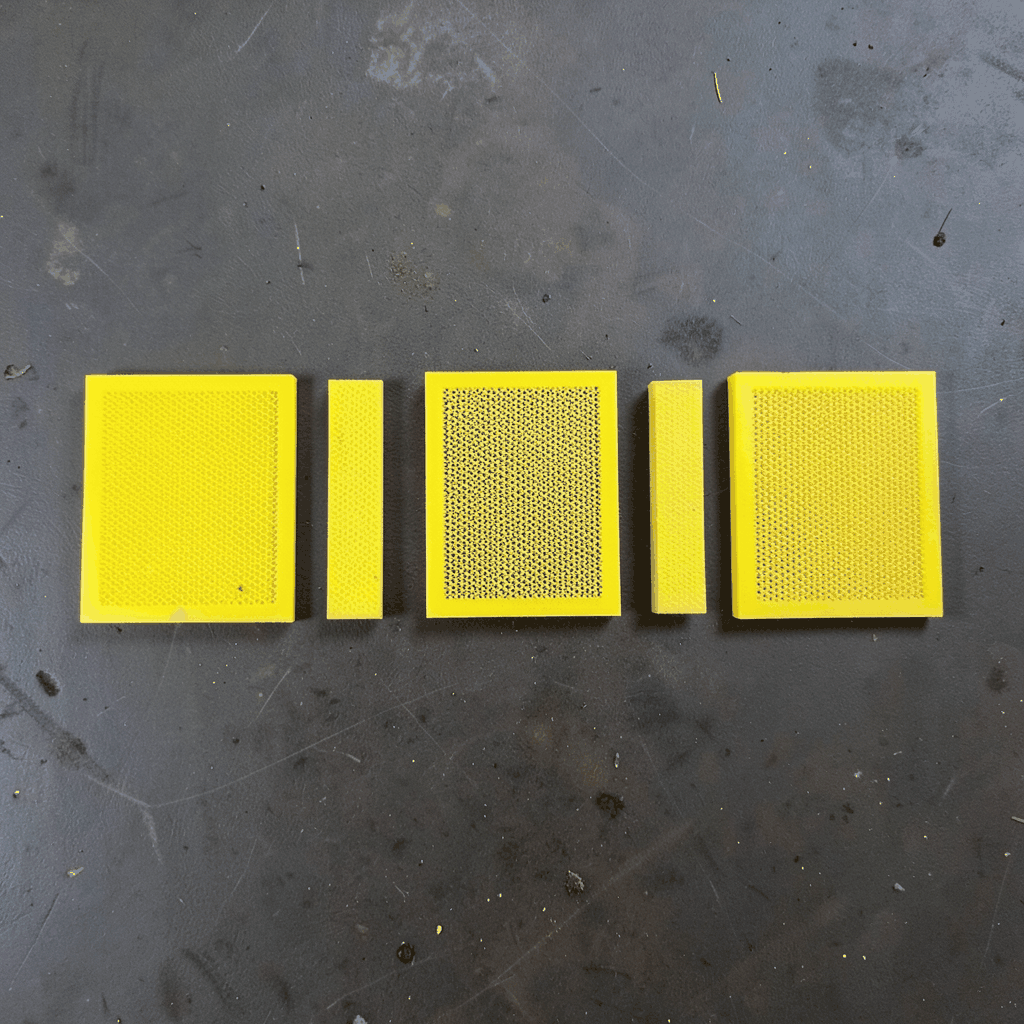
Using stainless steel Dutch weave mesh for liquid filtration
Liquid filtration systems must remove unwanted particles without restricting flow, contaminating the process, or requiring constant replacement. Stainless steel Dutch weave mesh is well suited to this balance because its tightly controlled openings, strong wire structure, and resistance to corrosion support reliable separation in demanding industrial conditions.
The mesh is used in filter cartridges, candle filters, pressure screens, strainers, baskets, and custom filtration assemblies. It can handle water, oils, chemicals, food ingredients, and other process liquids when the alloy, weave, aperture, and support arrangement are selected correctly. For Australian installations, local water quality, high ambient temperatures, transport distances, and workplace safety requirements also influence the most practical specification.
How Dutch weave mesh creates fine filtration
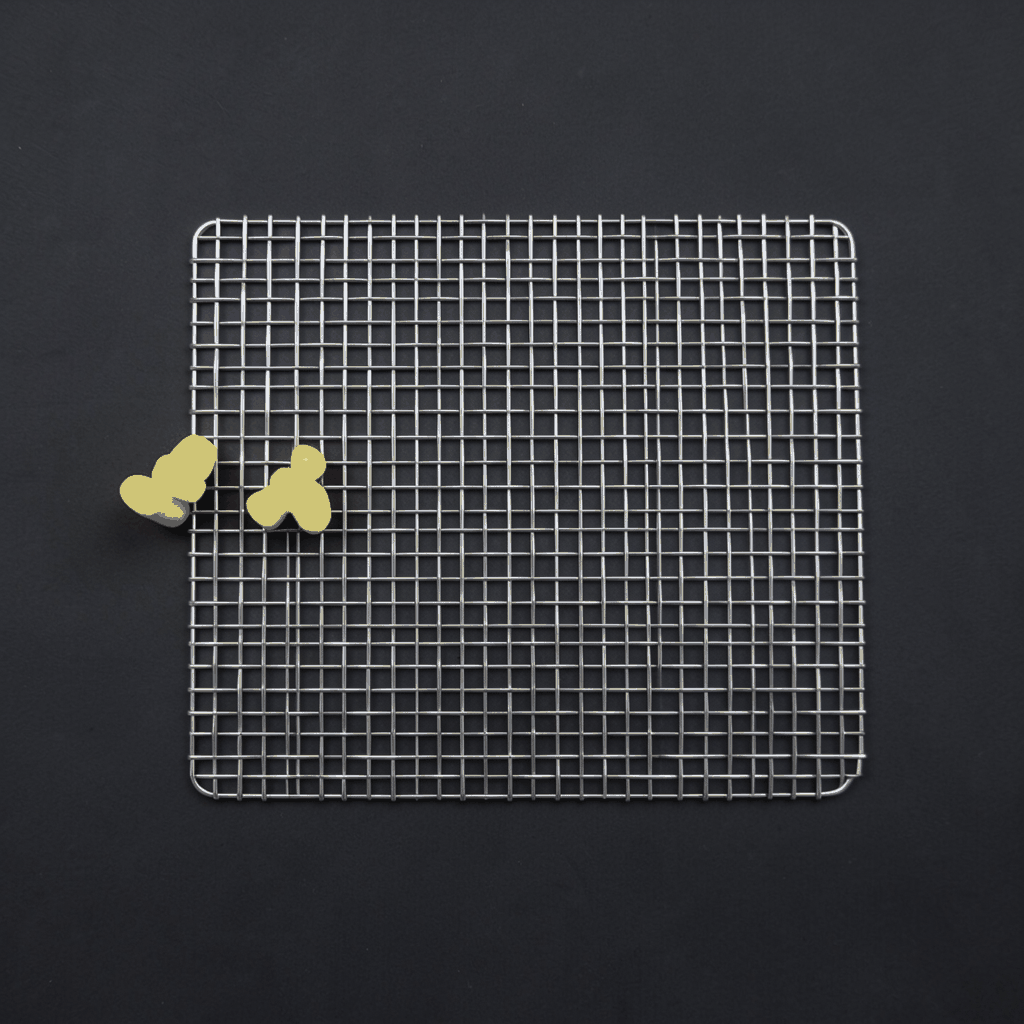
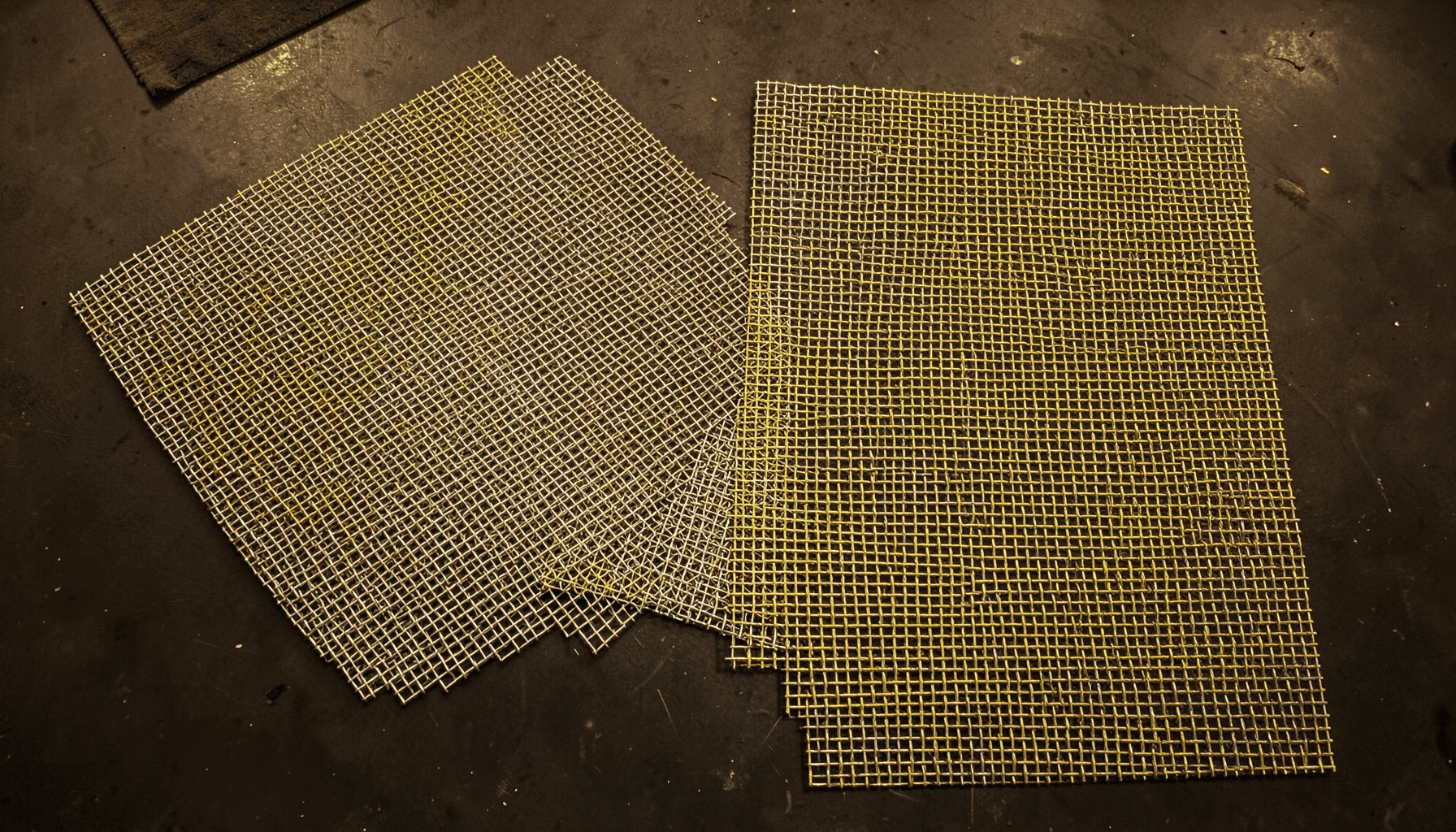
Dutch weave mesh uses wires with different diameters and spacing in the warp and weft directions. In a plain Dutch weave, the warp wires are generally heavier, while the weft wires are finer and packed closely together. Twilled Dutch weave allows a higher wire count and can provide very fine filtration with a stable, smooth surface.
Unlike square woven mesh, Dutch weave usually has elongated or irregular passageways rather than clearly visible square openings. This structure gives the filter a narrow, tortuous path that captures fine particles at the surface. The effective filtration rating is therefore influenced by wire arrangement, aperture geometry, wire diameter, and the direction of flow.
The mesh should be specified by its filtration performance rather than by mesh count alone. Two products with a similar nominal mesh number can behave differently if their wire diameters and weave patterns are not the same. A technical data sheet should state the nominal or absolute filtration rating, open area, thickness, weight, and pressure characteristics.
Why stainless steel suits liquid service
Stainless steel offers a useful combination of mechanical strength, temperature tolerance, and corrosion resistance. Grade 304 is commonly selected for general industrial service, while 316 and 316L are often preferred where chloride exposure, saltwater, cleaning chemicals, or corrosive process liquids are present. The low-carbon 316L grade can also be useful for welded components that need improved resistance around weld zones.
In Australian coastal locations such as Sydney, Brisbane, Perth, and Adelaide, airborne salt can affect external equipment and stored components. A suitable stainless alloy helps reduce rusting and premature mesh failure, although it does not eliminate the need for good system design, cleaning, and inspection. Galvanic contact with carbon steel, aluminium, or dissimilar metals should also be considered.
Stainless steel filter mesh is suitable for many applications involving hydraulic oil, fuel, cooling water, inks, resins, polymers, beverages, and chemical solutions. Compatibility still depends on concentration, temperature, pressure, and exposure time. Chlorides, strong acids, caustic solutions, and stagnant deposits can produce localised corrosion if the grade is poorly matched to the liquid.
Matching the weave to the filtration duty
Plain Dutch weave is often chosen when a fine, consistent filtration surface and relatively straightforward cleaning process are required. Twilled Dutch weave can accommodate more wires in a given area, making it suitable for finer separation where strength and dimensional stability remain important. Reverse Dutch weave places greater emphasis on flow capacity and particle-holding behaviour in certain filter constructions.
The correct choice depends on the contaminant and the process objective. A filter protecting a pump may need to remove larger abrasive particles while maintaining a high flow rate. A hydraulic control system may require finer filtration to protect valves and actuators. Food, beverage, and pharmaceutical processes can place greater emphasis on cleanability, surface finish, traceability, and hygienic construction.
Filter life is affected by the particle size distribution, concentration, shape, and stickiness of the solids. Fibres, gels, metal fines, mineral grit, and biological matter interact with the mesh differently. A laboratory sample or controlled pilot test can reveal whether the material forms a stable cake, blocks the surface rapidly, or passes through the opening.
Choosing the right mesh specification
Start with the operating conditions rather than selecting a nominal mesh count in isolation. The following details help a manufacturer recommend a practical Dutch weave filter:
- Liquid type, temperature, viscosity, and chemical concentration
- Required filtration rating and acceptable particle size
- Flow rate, pressure, and expected differential pressure
- Filter dimensions, support method, and connection details
The alloy and finish should be selected alongside the weave. A 316L mesh with a clean, smooth surface may be appropriate for a saline process or wash-down environment, while 304 stainless steel may provide economical service in a less aggressive application. Edge protection, welded frames, gaskets, and backing screens can be just as important as the woven cloth.
Useful design questions include:
- Is the rating nominal, absolute, or a test-based performance value?
- Will the mesh be cleaned in place, removed for washing, or replaced?
- Does the assembly need a perforated plate or coarse mesh support?
- Are certification, batch identification, or material traceability required?
A filtration supplier should confirm the actual aperture and tolerance instead of relying on a marketing description. Sample testing is especially valuable when the liquid contains mixed solids or when a small change in pressure drop could interrupt production.
Designing for pressure, flow, and support
Fine Dutch weave mesh can provide excellent particle retention, but its small flow passages may create a greater pressure drop than a coarse square mesh. As solids collect, the pressure differential usually increases. The filter housing should therefore include suitable monitoring points, a bypass strategy where appropriate, and enough surface area to maintain the desired service interval.
The mesh itself is strong, yet very fine wire can be damaged by unsupported pressure, impact, vibration, or reverse-flow surges. A perforated metal plate, coarse support mesh, or carefully designed filter core distributes the load. The support should allow adequate open area and avoid sharp contact points that could fatigue the cloth during operation.
Flow direction matters in some Dutch weave constructions. The finer retaining surface may need to face the contaminated side, while the support side faces the clean outlet. A manufacturer can advise on orientation, pleating, spot welding, seam design, and the best way to prevent bypass around the filter edges.
In municipal and industrial systems across Australia, pumps may operate over long pipe runs and variable demand periods. Remote sites can also experience delays in receiving replacement parts. Designing for a lower operating pressure drop and holding a small stock of correctly identified filter elements can reduce downtime and maintenance costs.
Australian conditions and compliance considerations
Australian water and process installations can encounter hard water, sediment, seasonal dust, algae, and variable source quality. In regional areas, bore water may carry iron, manganese, or mineral particles, while coastal facilities may deal with salt exposure. These conditions affect both the stainless grade and the cleaning schedule. A pre-filter can protect fine Dutch weave cloth from rapid blockage by larger solids.
Food and beverage processors should consider the Australia New Zealand Food Standards Code, particularly where the filter contacts ingredients or product streams. Materials, lubricants, cleaning chemicals, welds, and surface finishes should be suitable for the intended use. Documentation from the supplier can support internal quality systems and traceability procedures.
Workplace installation and maintenance should align with applicable Australian work health and safety obligations. Operators may face stored pressure, hot liquids, chemical cleaners, confined access, and heavy filter housings. Lockout procedures, depressurisation, safe lifting, and personal protective equipment should be addressed in the equipment’s operating instructions. Water-related projects may also need to account for state or territory requirements, utility specifications, and site discharge controls.
Australian buyers often balance imported component pricing with lead time, spare-part availability, and technical support. A manufacturer able to produce custom baskets, discs, cartridges, and framed panels can help match the mesh to existing equipment rather than forcing a standard element into an unsuitable housing.
Cleaning, inspection, and service life
Cleaning should remove captured solids without stretching, denting, or abrading the woven cloth. Depending on the liquid, this may involve a controlled backwash, low-pressure rinsing, ultrasonic cleaning, solvent treatment, or an approved chemical cycle. The method must be compatible with both the stainless grade and any joining materials used in the assembly.
A blocked filter should not simply be cleaned at progressively higher pressure. Excessive pressure can deform fine wires or drive particles deeper into the weave. Inspection under good lighting can identify tears, loose wires, blocked apertures, corrosion spots, damaged seams, and distortion around the frame.
Record the initial pressure drop and compare it with readings during service. A rapid increase may indicate unusual contamination, insufficient filter area, incorrect flow direction, or a problem upstream. If a clean filter shows an unexpectedly high pressure drop, check the mesh rating, support layer, gasket position, and housing alignment.
For critical processes, replacement elements should carry clear identification for alloy, weave, rating, dimensions, and production batch. Shuo Ke Wire Mesh Product Technology Co., Ltd. can develop stainless steel filter mesh products in customised shapes and constructions, including baskets, discs, support layers, and other fabricated components for industrial use.
Working with a custom mesh manufacturer
A successful filtration project begins with complete operating information. Drawings should show the effective filtration area, overall dimensions, attachment points, flow direction, sealing surfaces, and allowable tolerances. Samples of the existing filter can help when original drawings are unavailable, but the process conditions must still be supplied.
Manufacturing quality involves more than weaving the cloth. Cutting, rolling, welding, edge finishing, cleaning, inspection, and packing all influence the final filter’s performance. Fine mesh should be protected from contamination and mechanical damage during transport, particularly when equipment is sent to remote Australian mines, farms, water plants, or processing facilities.
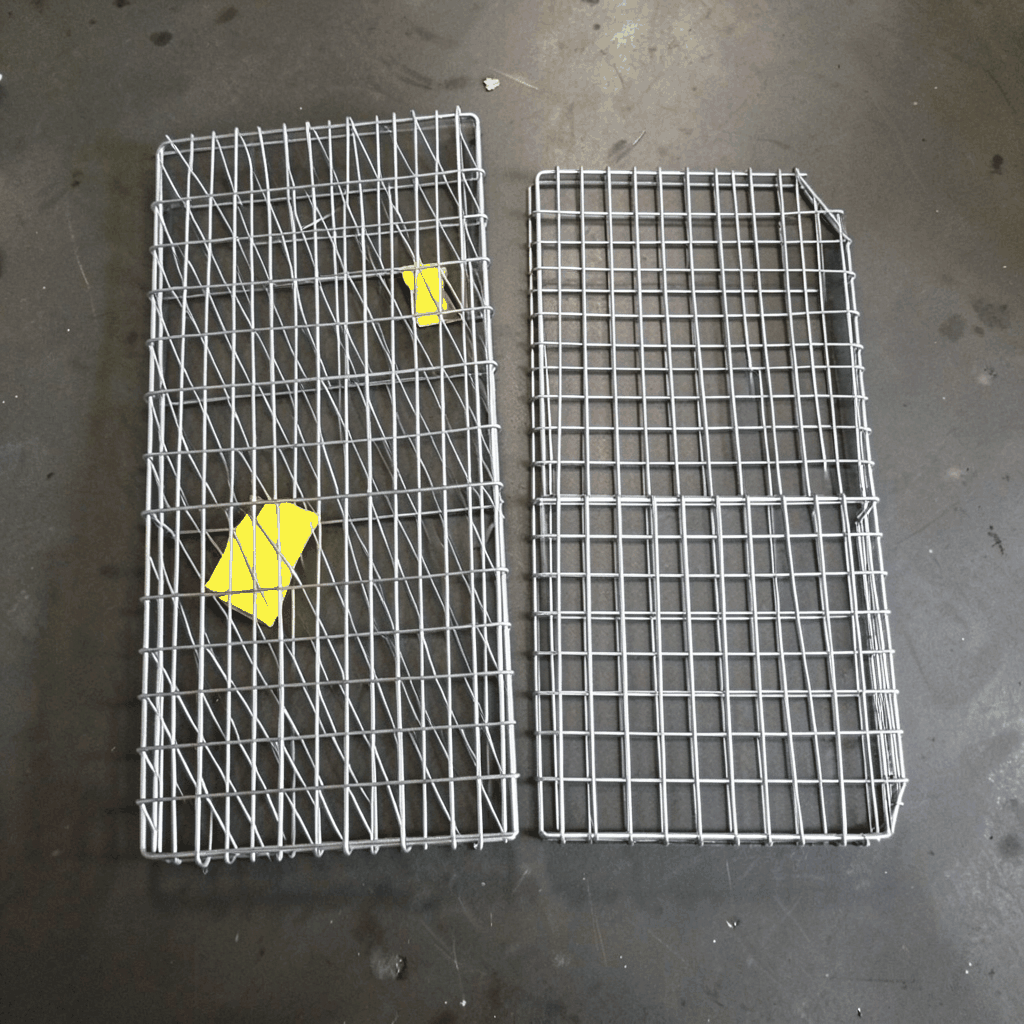
A capable supplier can compare plain Dutch, twilled Dutch, and reverse Dutch constructions, recommend 304 or 316 stainless steel, and combine the woven cloth with perforated supports or fabricated frames. It can also help assess whether a standard product is adequate or whether a custom filter basket, cylinder, panel, or cartridge will provide better service.
Share the liquid composition, target particle size, flow rate, pressure, temperature, cleaning method, and equipment drawing with Shuo Ke’s technical team. A defined specification and sample review can turn a general filtration requirement into a durable stainless steel Dutch weave solution suited to the process. Contact Shuo Ke Wire Mesh Product Technology Co., Ltd. to discuss custom liquid filtration mesh, fabricated filter elements, and production support for Australian industrial applications.