Using stainless steel mesh in marine aquaculture pens
Marine fish farming depends on pen systems that can contain stock while allowing clean seawater exchange. The enclosure must withstand waves, currents, salt spray, marine growth, handling, and repeated cleaning. A failure in the mesh can cause stock loss, damage nearby equipment, and create environmental concerns.
Stainless steel mesh is increasingly considered for aquaculture cages, fish pens, predator barriers, hatchery partitions, and support panels. Its strength-to-weight ratio, corrosion resistance, and dimensional stability make it suitable for demanding coastal and offshore conditions when the alloy, mesh design, and installation method are selected correctly.
The best result comes from treating the enclosure as an engineered system rather than choosing mesh by appearance alone. Fish species, stocking density, water movement, predator pressure, maintenance access, and local water chemistry all affect the required wire diameter, opening size, panel format, and frame construction.
Why stainless steel suits marine pen systems
Saltwater exposes aquaculture equipment to chloride ions that can accelerate corrosion in ordinary carbon steel. Stainless steel forms a passive chromium-rich surface layer that protects the underlying metal. Grades designed for marine service, especially 316 and 316L, contain molybdenum to improve resistance to pitting and crevice corrosion in chloride-rich environments.
For harsher offshore sites, duplex stainless steel may provide additional strength and corrosion resistance. The correct grade depends on salinity, temperature, pollution, oxygen levels, cleaning chemicals, and the duration between maintenance cycles. A material that performs well in a sheltered bay may require a different specification in open seawater with strong currents and abrasive sediment.
Stainless steel also maintains its shape under regular handling. A rigid welded mesh panel can resist local deformation around frames, gates, and access points, while woven wire mesh can provide flexibility where the pen moves with waves. Properly finished surfaces reduce snagging risks and make the enclosure easier to inspect, wash, and disinfect.
Designing openings for fish and water movement
Mesh aperture must be matched to the size and behavior of the farmed species. Juvenile fish require smaller openings than mature stock, while species with elongated bodies, strong biting behavior, or high escape response may need a different balance between containment and water flow. The opening should prevent escape without creating unnecessary hydraulic resistance.
Water exchange is central to fish health. A pen with undersized openings or heavy biofouling can experience reduced circulation, oxygen depletion, and increased waste concentration. Engineers should assess current velocity, tidal movement, pen volume, and the expected accumulation of algae, mussels, and other organisms. The initial open area of the mesh is only part of the calculation; usable open area after fouling is equally important.
Mesh shape influences performance. Square openings are common in welded and woven products, while alternative patterns may be selected for particular containment or filtration requirements. Smooth wire junctions and accurately controlled apertures help prevent scale loss, fin damage, and entanglement. Edges should be folded, framed, or protected so fish and workers do not contact sharp wire ends.
Comparing materials for marine aquaculture enclosures
Material selection should consider the complete service environment rather than purchase price alone. Stainless steel generally costs more than galvanized or coated carbon steel, but its service life, cleaning tolerance, and mechanical stability can justify the investment in high-value fish farming operations.
The following comparison provides a practical starting point. Actual performance depends on grade, fabrication quality, surface finish, water chemistry, loading, and maintenance.
| Material | Marine corrosion resistance | Mechanical behavior | Maintenance needs | Typical aquaculture use |
|---|---|---|---|---|
| 316/316L stainless steel | High in many seawater conditions, with good pitting resistance when properly specified | Strong, stable, and suitable for welded or woven mesh | Regular cleaning and inspection; avoid trapped deposits and incompatible chemicals | Fish pens, predator barriers, partitions, screens, gates |
| Duplex stainless steel | Very high strength and strong resistance in severe environments | High strength allows efficient structural design | Requires controlled fabrication and appropriate welding practice | Offshore cages, heavy-duty panels, high-current locations |
| Galvanized carbon steel | Moderate initially; zinc protection can decline when damaged or consumed | Rigid and economical | Coating inspection, repair, and eventual replacement | Temporary structures, low-cost frames, less aggressive sites |
| Aluminum alloy | Good in selected marine applications but vulnerable to galvanic and localized corrosion | Lightweight and easy to handle | Isolation from dissimilar metals and careful surface inspection | Lightweight frames, covers, access structures |
| Polymer or coated netting | No metallic corrosion, but may suffer wear, UV aging, and biofouling | Flexible and lightweight, with lower puncture resistance in some designs | Frequent washing, tension checks, and replacement monitoring | Flexible cage nets, temporary containment, inner liners |
When stainless steel mesh is installed beside aluminum frames, galvanized supports, or other dissimilar metals, galvanic corrosion can occur in the presence of seawater. Nonconductive washers, sleeves, gaskets, and correctly selected fasteners can reduce this risk. Drainage and ventilation should also prevent seawater from remaining trapped at joints.
Controlling predators, fouling, and abrasion
A marine pen must resist more than water pressure. Birds, seals, crabs, larger predatory fish, and floating debris can damage an enclosure. Stainless steel wire mesh offers a physical barrier that can be difficult to bite through or tear, particularly when a welded panel is supported by a robust frame. The design should still account for impact loads and concentrated forces at corners and attachment points.
Biofouling is one of the main operational concerns. Barnacles, mussels, algae, and other organisms reduce the effective opening area and add weight to the pen. They can also create crevices that retain moisture and contaminants. Removable mesh sections, access panels, and cleaning-compatible finishes make it easier to manage fouling before it affects flow or structural loading.
Abrasion can develop where mesh contacts ropes, floats, brackets, or the seabed. Repeated movement may wear even a corrosion-resistant alloy. Contact zones should use protective sleeves, rounded supports, reinforced edges, or replaceable wear strips. The lower section of a pen may require heavier wire or a denser mesh pattern if it is exposed to sediment, anchors, or bottom-dwelling predators.
Fabrication and installation details
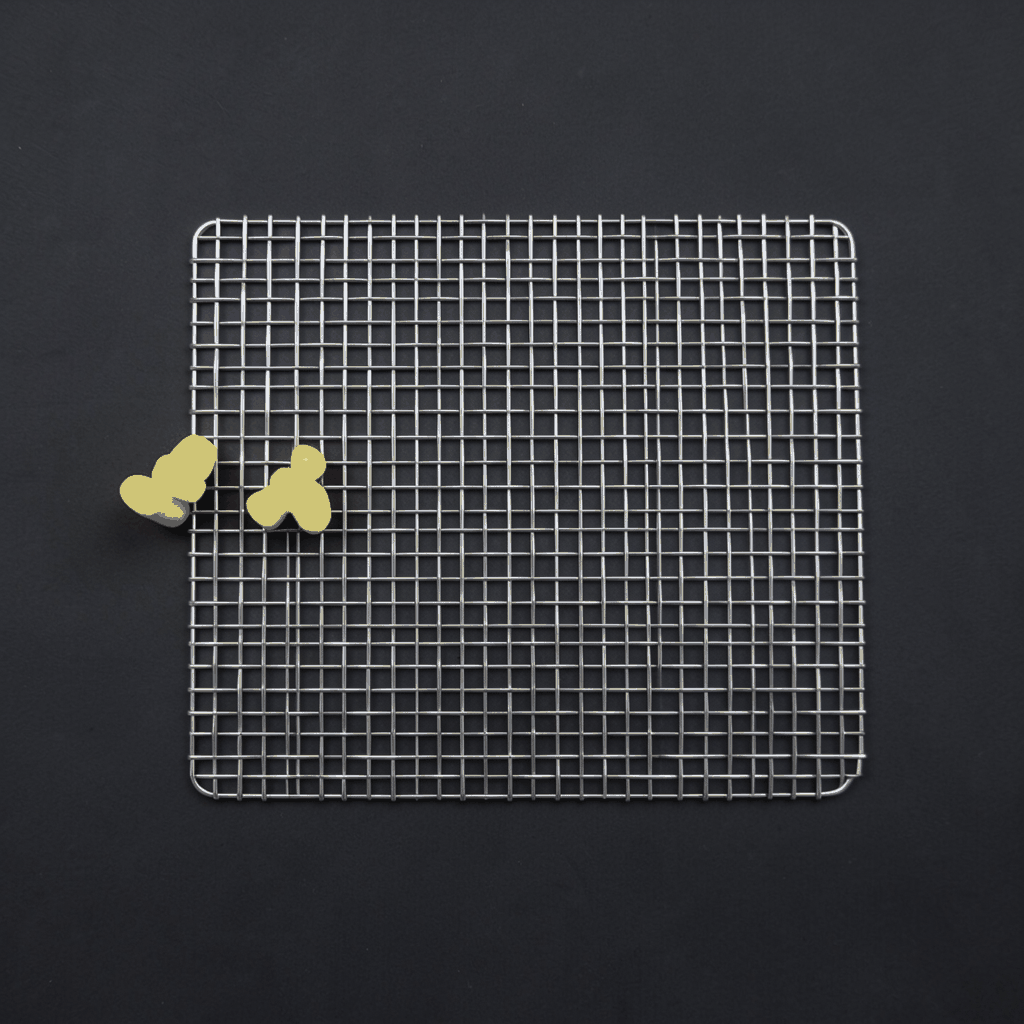
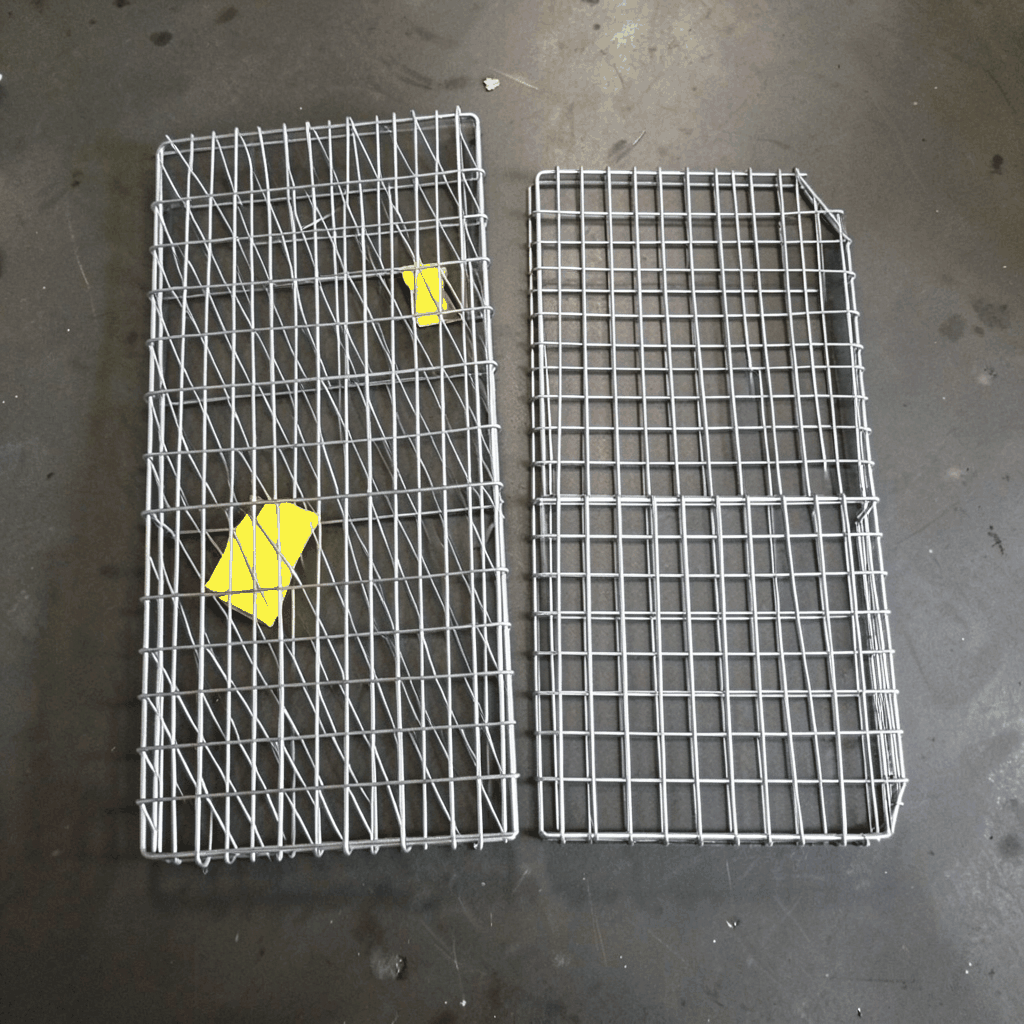
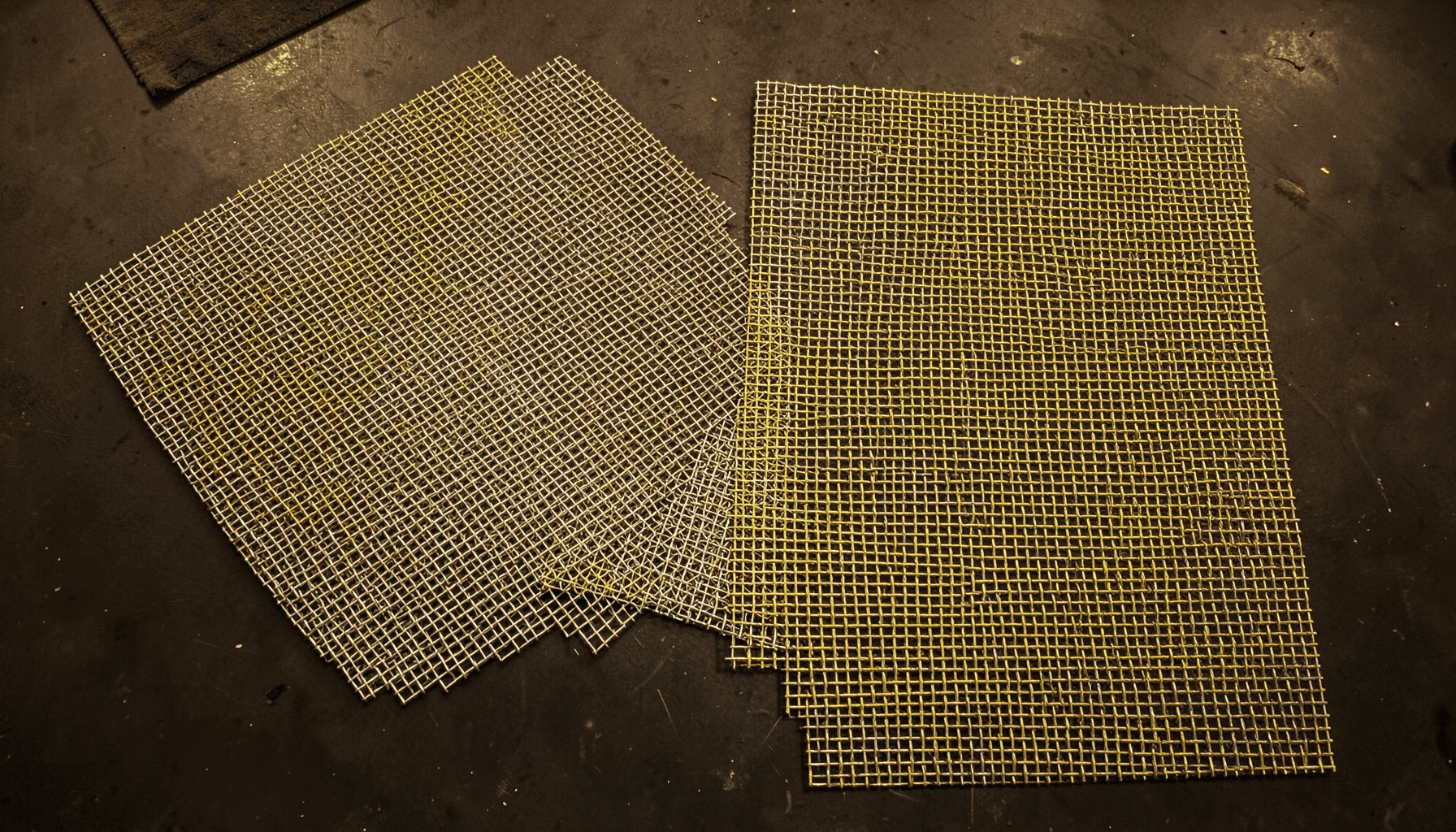
The mesh specification should include alloy grade, wire diameter, opening size, mesh type, panel dimensions, edge treatment, welding method, and surface finish. Welded stainless steel mesh provides consistent apertures and good rigidity, making it useful for pen walls, service platforms, partitions, and predator screens. Woven mesh can conform to curved structures and may be preferred where flexibility and compact handling are important.
Welding quality is critical. Poorly controlled welds can create distortion, weak junctions, heat-affected corrosion zones, or sharp projections. Fabricators should use procedures suitable for the selected stainless steel grade, remove contamination from carbon-steel tools, and apply appropriate post-weld cleaning and passivation practices where required. A smooth, clean finish supports both corrosion resistance and fish safety.
Installation hardware deserves the same attention as the mesh itself. Bolts, clamps, hinges, cables, and frame members should be compatible with the selected alloy or electrically isolated from it. Tension must be distributed evenly so that loads do not concentrate at a few attachment points. For large aquaculture cages, engineers should review wave loading, current drag, buoyancy, mooring movement, and emergency access before finalizing the panel layout.
Maintenance planning for long service life
Routine inspection helps identify corrosion staining, broken wires, loose fasteners, distorted panels, and fouling before they develop into a containment failure. Divers or remotely operated inspection equipment can examine submerged areas, while accessible sections should be checked during feeding-system service and stock handling operations.
Cleaning methods should suit the alloy and the condition of the surface. Freshwater rinsing can remove salt deposits, and approved mechanical cleaning can control marine growth. Harsh chemicals, contaminated wire brushes, and uncontrolled high-pressure cleaning may damage the passive surface or force debris into joints. The maintenance plan should define acceptable tools, cleaning intervals, and procedures for removing damaged sections.
Repairs should restore both containment and water-flow performance. A patch that leaves a protruding edge or changes the local aperture pattern may create a fish-health or entanglement problem. Keeping replacement panels, compatible fasteners, and measured mesh samples on site can shorten downtime. Records of inspection findings, cleaning dates, and repairs also help determine whether the original material and design remain suitable.
Selecting a customized mesh solution
A manufacturer with metal mesh processing capability can adapt panel width, aperture, wire diameter, edge configuration, and frame interface to the pen design. Custom fabrication is useful when the enclosure includes curved corners, lifting sections, inspection hatches, feeding equipment, predator skirts, or service gates. It can also reduce field cutting, which may leave exposed wire ends or compromise corrosion protection.
Before requesting a quotation, provide the mesh supplier with the fish species and size range, water type, cage dimensions, design current, expected predator threats, cleaning method, and preferred installation arrangement. Drawings or photographs of the frame help clarify attachment details. The supplier should confirm material certificates, dimensional tolerances, weld quality, surface treatment, packaging, and any testing required for the project.
A practical specification should balance containment, hydraulic exchange, structural strength, handling weight, and lifecycle cost. For one site, a rigid stainless panel may be the most effective choice. Another operation may benefit from a hybrid system using stainless predator panels, flexible netting, and reinforced stainless access sections. The design should be based on operating conditions rather than a single standard mesh product.
Practical specification checklist
- Select a marine-suitable alloy, commonly 316L or a higher-performance duplex grade where site conditions demand it.
- Match aperture and wire diameter to fish size, escape behavior, predator risk, current loading, and fouling allowance.
- Specify smooth edges, clean welds, appropriate passivation, and contamination-free fabrication.
- Isolate dissimilar metals at bolts, clamps, hinges, and frame connections to limit galvanic corrosion.
- Include removable sections and safe access points for cleaning, inspection, repair, and stock management.
For architectural and industrial mesh projects, Shuo Ke Wire Mesh Product Technology Co., Ltd. can develop customized stainless steel mesh components around the dimensions and interface requirements of an aquaculture installation. Its processing capabilities support tailored panels, screens, partitions, barriers, and related metal mesh assemblies in stainless steel and other alloys.
Share the pen drawings, operating environment, target fish size, and maintenance requirements with the engineering team to evaluate a suitable mesh structure. A properly specified stainless steel enclosure can support reliable containment, efficient seawater exchange, and practical long-term maintenance in marine fish farming.