Welded Mesh Panels for Safer Animal Enclosures
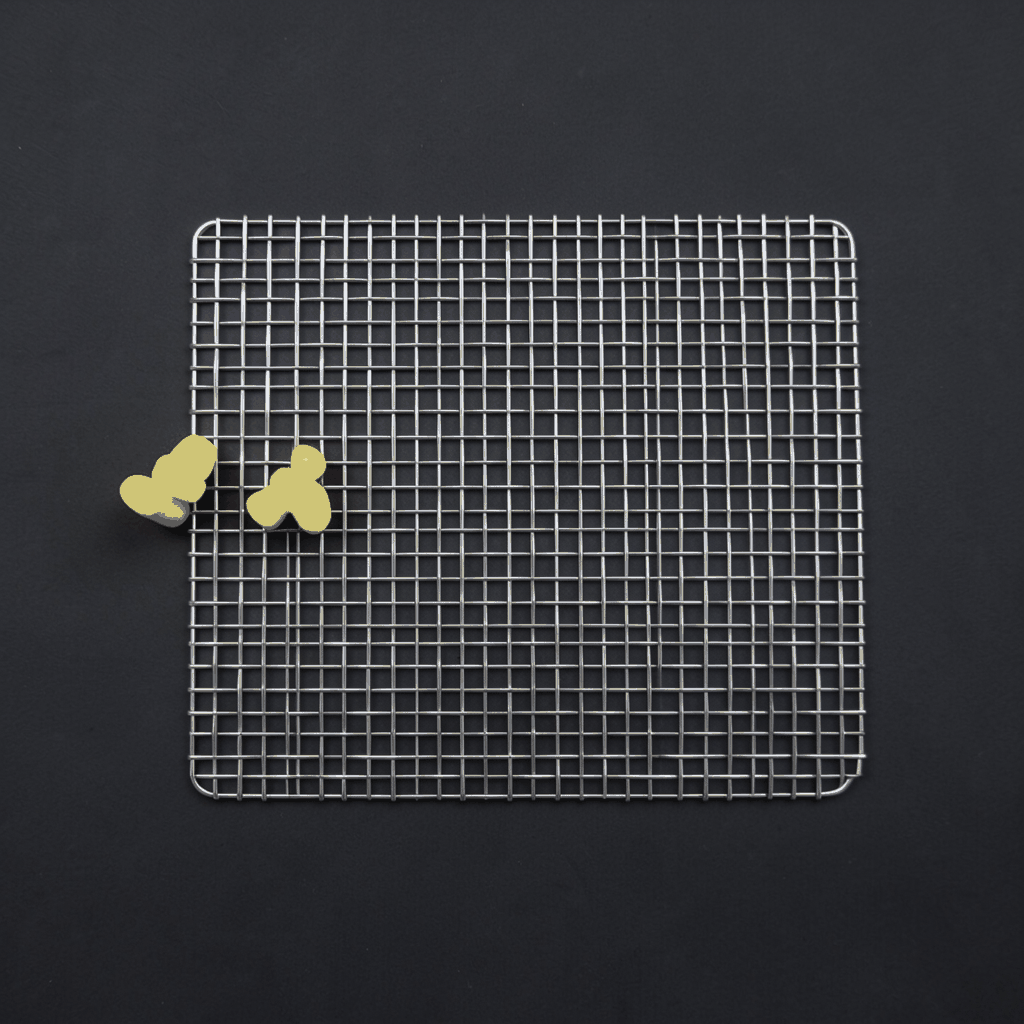
Welded mesh panels offer a practical balance of strength, visibility and airflow for animal enclosures, zoo habitats, wildlife-rescue areas and backyard aviaries. Unlike lightweight netting, rigid welded panels retain their shape under normal animal contact and can be fitted into modular post-and-rail frames. Stainless steel, galvanised steel, aluminium and other metals allow the barrier to suit the strength requirements, exposure and appearance of each project.
The right specification depends on more than the animal’s weight. Opening size, wire diameter, weld geometry, corrosion protection, gate design and the level of digging or climbing all affect containment and welfare. Australian conditions add another layer, from humid subtropical weather in Brisbane to salt-laden air along the Perth coast and intense summer sunlight in inland areas.
For professional buyers, welded mesh is best treated as engineered habitat infrastructure rather than an off-the-shelf fence product. Clear drawings, site information and species-specific behaviour help manufacturers produce animal enclosure panels that integrate with existing structures while meeting council, animal-welfare and engineering requirements.
Match the enclosure to Australian sites
An enclosure is more than a perimeter barrier: it is part of the animals’ living environment. It must contain the intended species, discourage entry by unwanted animals and provide safe surfaces, shelter, shade and access for keepers. Panels may be used around aviaries, small-mammal habitats, reptile yards, wildlife hospitals, farm animal areas and outdoor exhibits in regional zoos.
Australian sites present widely different challenges. Melbourne’s established backyards often contain pet birds, domestic poultry and rescue animals, while Sydney’s bushland interfaces can bring wombats, possums and fruit bats close to residential properties. Brisbane’s warmer climate supports year-round outdoor keeping but increases corrosion pressure and summer heat. Local councils and wildlife authorities may therefore require secure gates, dig aprons or additional predator barriers even when the basic habitat appears enclosed.
Planning and animal-welfare obligations vary by state and territory. A council may need to assess a new structure under its local planning scheme, while licensed zoos and wildlife facilities must also satisfy relevant welfare, biosecurity and work-health requirements. Specifications can reference the AS 1141 series for woven and welded wire cloth, zoo-design guidance such as AS 4685 where applicable, and AS/NZS 1170.2 for wind actions. Early coordination prevents a visually suitable barrier from becoming an expensive compliance issue later.
Choose aperture and wire for the species
Opening size is the first containment decision. It must prevent the animal’s head, limbs or body from passing through while reducing the risk of snagging, fur catching or teeth becoming trapped. The scale also needs to stop smaller predators from entering, although that requirement can demand a more complex arrangement than a single welded panel.
Different animals need different balances of security and visibility. Fine welded mesh may be appropriate for small birds and insect-control screens, while medium apertures can suit selected small mammals. Larger hoofed animals may require robust welded wire or structural mesh, but heavy panels need properly engineered supports. Primates and climbing species need close attention to hand and finger entrapment, especially around gates, feeding ports and reinforced corners. No universal aperture should be selected without checking the species, age, health, behaviour and expected growth.
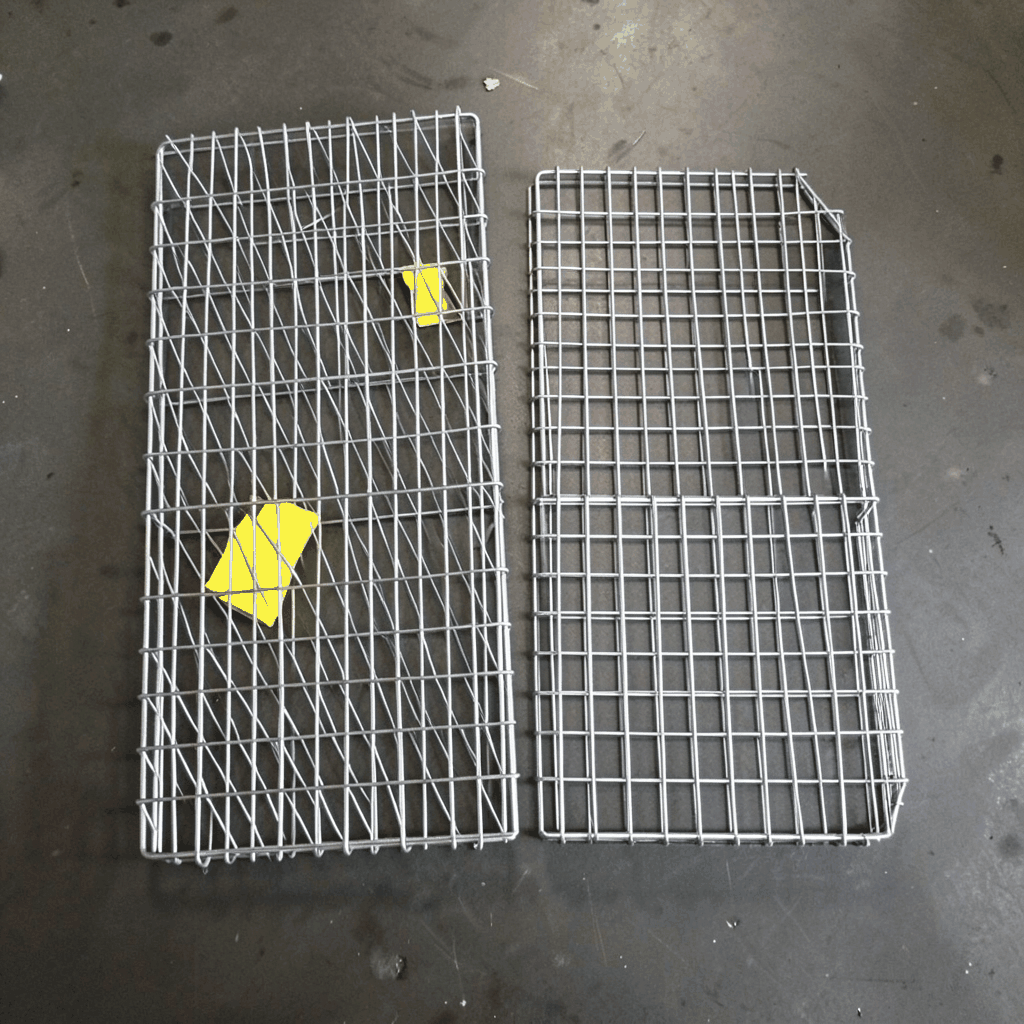
Wire diameter and weld intersections determine stiffness and resistance to deformation. A panel that bows under an animal’s weight can create gaps or unsafe protrusions, even when the wire itself has not fractured. Square or rectangular openings can be arranged to suit the enclosure geometry, while tighter welds improve rigidity and reduce movement between wires. Modular panel sizes should align with post spacing to avoid cutting and unnecessary joints, but the frame must remain capable of carrying the imposed load.
Select materials for local exposure
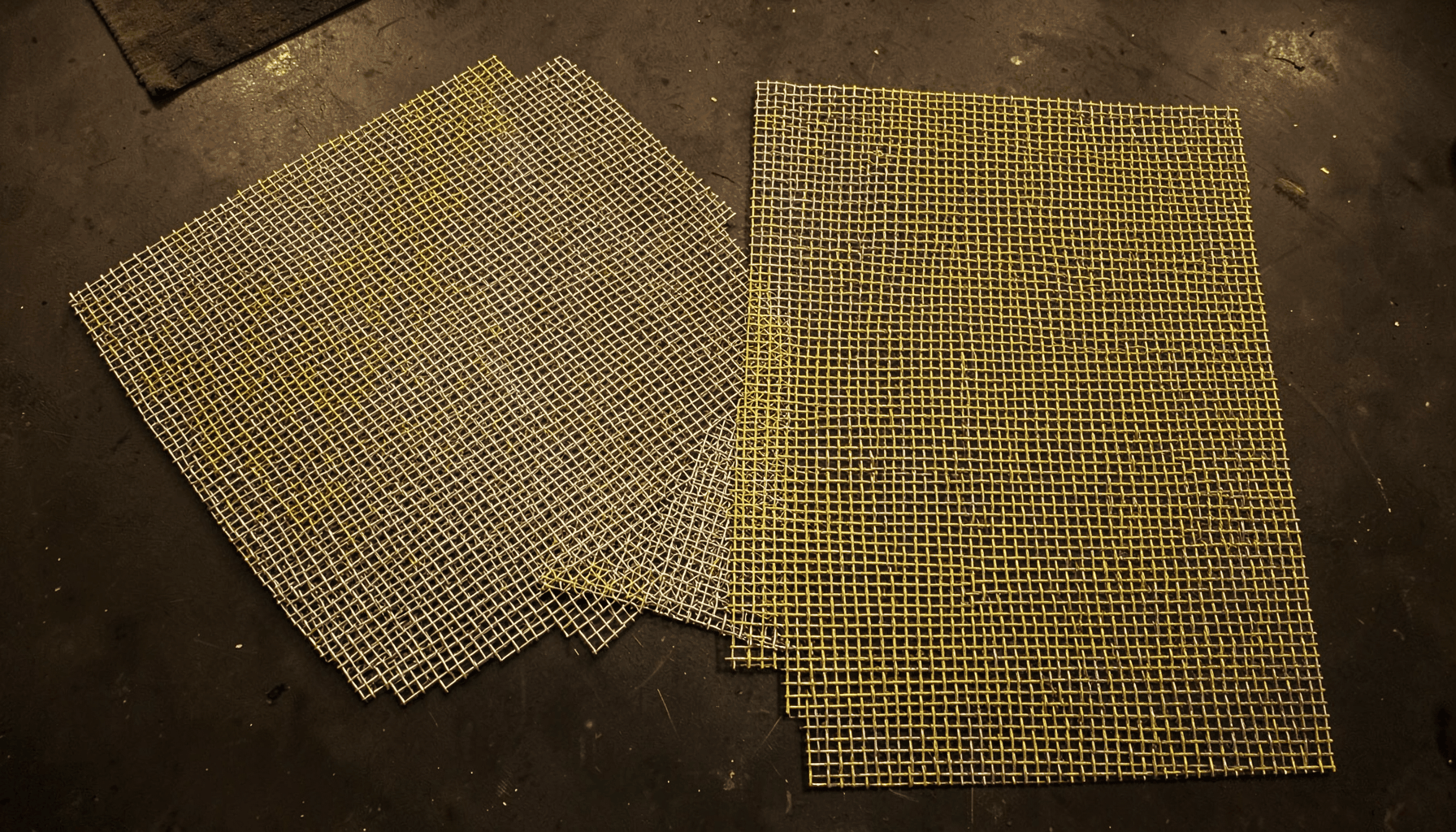
Base metal and protective finish should reflect both the animal and the site. Galvanised steel is widely available, economical and suitable for many outdoor enclosures, while stainless steel offers higher corrosion resistance and useful hygiene properties. Aluminium is lighter and easier to handle, making it practical for modular panels, though it has different stiffness and impact characteristics from steel. Copper and decorative alloys can suit architectural installations but require careful assessment where animals may bite, scratch or repeatedly contact the surface.
Coastal and tropical environments deserve particular attention. Salt spray in places such as Perth, Newcastle and coastal Queensland can accelerate corrosion at cuts, welds, fasteners and ground contact. Marine-grade stainless steel or a suitably protected galvanised system may be warranted in exposed locations. In Brisbane and northern Australia, persistent humidity, irrigation and warm temperatures place greater emphasis on coating quality and ventilation behind the panels.
Powder coating can provide a durable colour finish, but the underlying metal, surface preparation and coating thickness must suit the environment. Damaged coating around drilled holes or welded connections can become a corrosion starting point. Fasteners should also be compatible with the selected metal to avoid galvanic reactions. The specification should identify the required service life, cleaning regime and exposure conditions before choosing a finish, rather than treating appearance as the only criterion.
Engineer posts, gates and ground barriers
The panel is one component of the containment system. Posts, rails, foundations, foundations around gates and anchoring details must transfer animal impact, wind loads and tension into the ground. Steel sections need adequate structural sizing and corrosion allowance, while timber or concrete supports may form part of a hybrid design. Engineers should consider soil type, drainage, settlement and the possibility of animals leaning, climbing or pushing against the barrier.
Gates often create more operational problems than fixed panels. They need smooth edges, reliable latches and a design that prevents animals from manipulating the closure. For larger primates or hoofed animals, double locks, self-closing hinges or keeper-controlled access may be appropriate. Gaps at the threshold, jamb and top must remain smaller than the relevant escape aperture without creating a trip or snagging hazard for people.
Ground-level containment is equally important. Buried panels can be undermined by digging animals or distorted by shifting soil. A horizontal apron, concrete footing or inward-angled skirt may be more effective where excavation is likely. Drainage grates should resist the animal’s weight while stopping small creatures from passing underneath. In cyclone-affected regions, the complete system should be checked against relevant wind loading, with attention paid to posts, footings, panel edges and connections.
Protect welfare, hygiene and biosecurity
Animal contact makes cleanability a welfare issue, not merely an appearance concern. Welded intersections create fewer loose strands than some woven products, but dirt, faeces, algae and food residue can still accumulate. Smooth panels are easier to hose down, and areas around feeding stations, gates and water points should be accessible for routine cleaning. Cleaning chemicals must be safe for the species and compatible with the panel and protective finish.
Biosecurity controls depend on the facility and its location. Quarantine enclosures, wildlife hospitals and zoos may need separate tools, footwear and drainage controls under state or territory rules. Mesh that moves animals between zones should not create difficult cleaning pockets or transfer contaminated material on movable components. Visitors should remain outside the animal’s reach while still being able to observe behaviour without compromising keeper access.
A dependable inspection routine helps retain containment over time. Keepers should look for bent wires, damaged welds, corrosion, loose fasteners, worn gate latches and signs of digging at the base. Checking after severe weather, an animal escape or nearby construction is especially valuable. Replacement panels should match the original material, aperture and finish so that repairs do not introduce new gaps or behavioural hazards.
Balance visibility, airflow and appearance
Good habitat design treats the barrier as part of the exhibit. Rigid welded panels provide clear sightlines and can be combined with mesh doors, shade cloth or planted screening. However, very fine mesh has lower airflow than larger apertures, so enclosure placement and cross-ventilation remain important. Panels should not block prevailing breezes or trap stale air, particularly during warm weather in Brisbane, Sydney and Melbourne.
Public viewing areas have additional requirements. A zoo enclosure may need visual separation from visitors, acoustic relief for sensitive species and a safe stand-off distance. Mesh can retain an open appearance while providing a secure physical boundary, but sightlines should be tested before installation. Reflections, glare and shadows should also be considered so animals are not continuously exposed to intense visual stimulation.
Architectural mesh can help a habitat fit into its surroundings. Dark finishes often recede against planting, while metallic panels can reflect the character of a civic park, wildlife centre or modern urban zoo. Australia’s local market includes council parks, agricultural suppliers, fencing contractors, custom fabricators and specialist importers, so panels may need to coordinate with Australian fabrication practices and established post systems. Colour, weld finish and fixing visibility should be agreed before production rather than improvised on site.
Recommendations for specifying and ordering panels
Before ordering, prepare a package that manufacturers can use for accurate pricing and fabrication. It should include the enclosure drawing, species information, site conditions and the available support structure. A practical specification should address the following:
- Record each animal group, typical size, age range, climbing or digging behaviour and any known escape history.
- Define the required clear opening, wire diameter, panel dimensions and acceptable finish before requesting quotations.
- Provide wind exposure, soil conditions, drainage details, gate requirements and relevant Australian project standards.
- Request a representative sample or finish reference when the installation has unusual visual, coastal or hygiene requirements.
Shuo Ke Wire Mesh Product Technology Co., Ltd. produces and processes architectural and industrial metal mesh for residential, commercial, municipal and animal-related applications. Its team can develop custom mesh specifications from enclosure requirements, frame dimensions, material preferences and service conditions, helping buyers compare a made-to-measure proposal with locally fabricated alternatives.
Send the species list, drawings and site photographs to Shuo Ke for a project-specific quotation and production discussion. Early technical review can identify aperture, corrosion, frame and gate issues before materials are cut, while a clear sample or finish reference supports consistent installation across every enclosure panel.