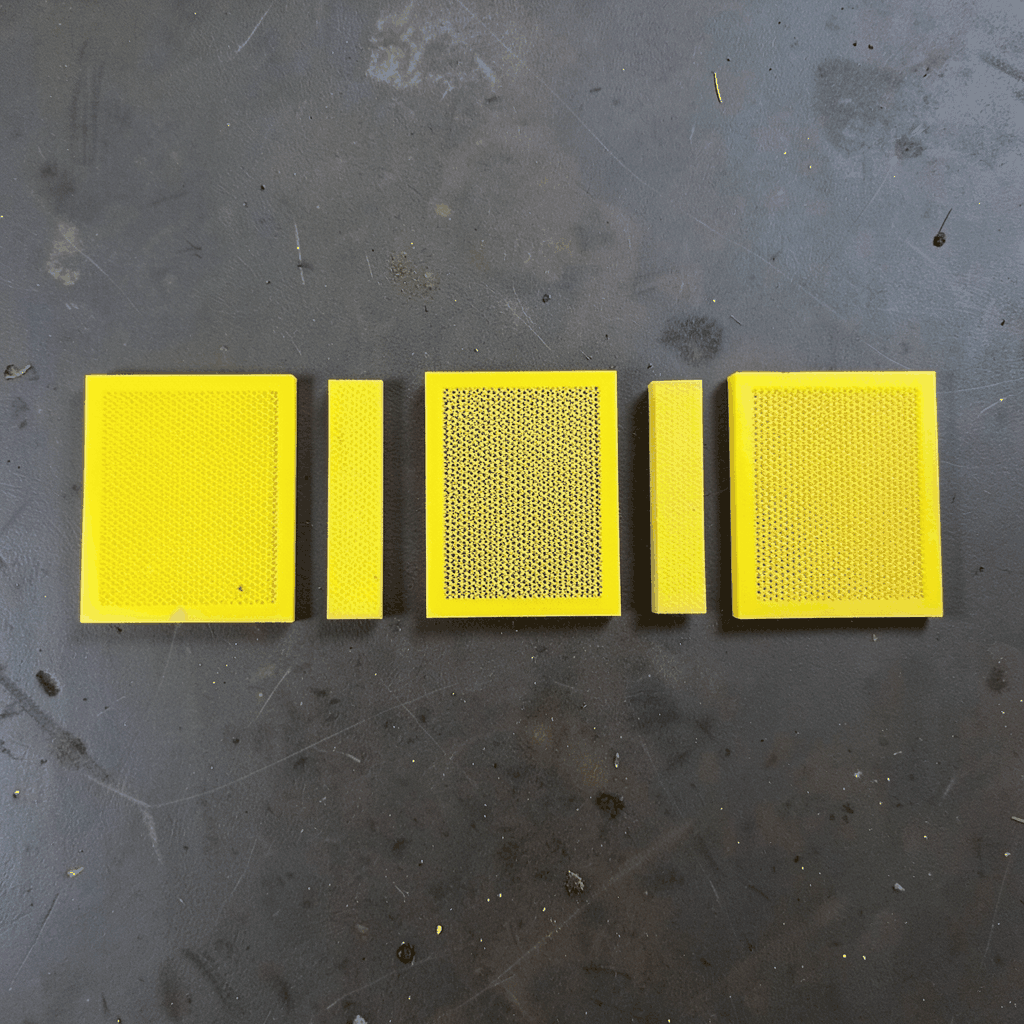
Welded Wire Mesh for Concrete Pipe and Manhole Reinforcement
Concrete pipes and manhole components must handle soil pressure, traffic loads, groundwater, handling stresses, and long service periods. Welded wire mesh provides a consistent reinforcement grid that helps control cracking and supports the structural performance of precast drainage products. When the mesh is specified correctly, it can improve production efficiency while keeping reinforcement placement accurate.
For Australian infrastructure projects, the right mesh depends on pipe diameter, wall thickness, load class, exposure conditions, joint design, and the construction environment. A stormwater line beneath a suburban road in Brisbane may face different demands from a culvert installed near Perth or a sewer access chamber in Melbourne. Material selection and fabrication should therefore be coordinated with the relevant drawings, standards, and engineering calculations.
How welded mesh supports precast concrete
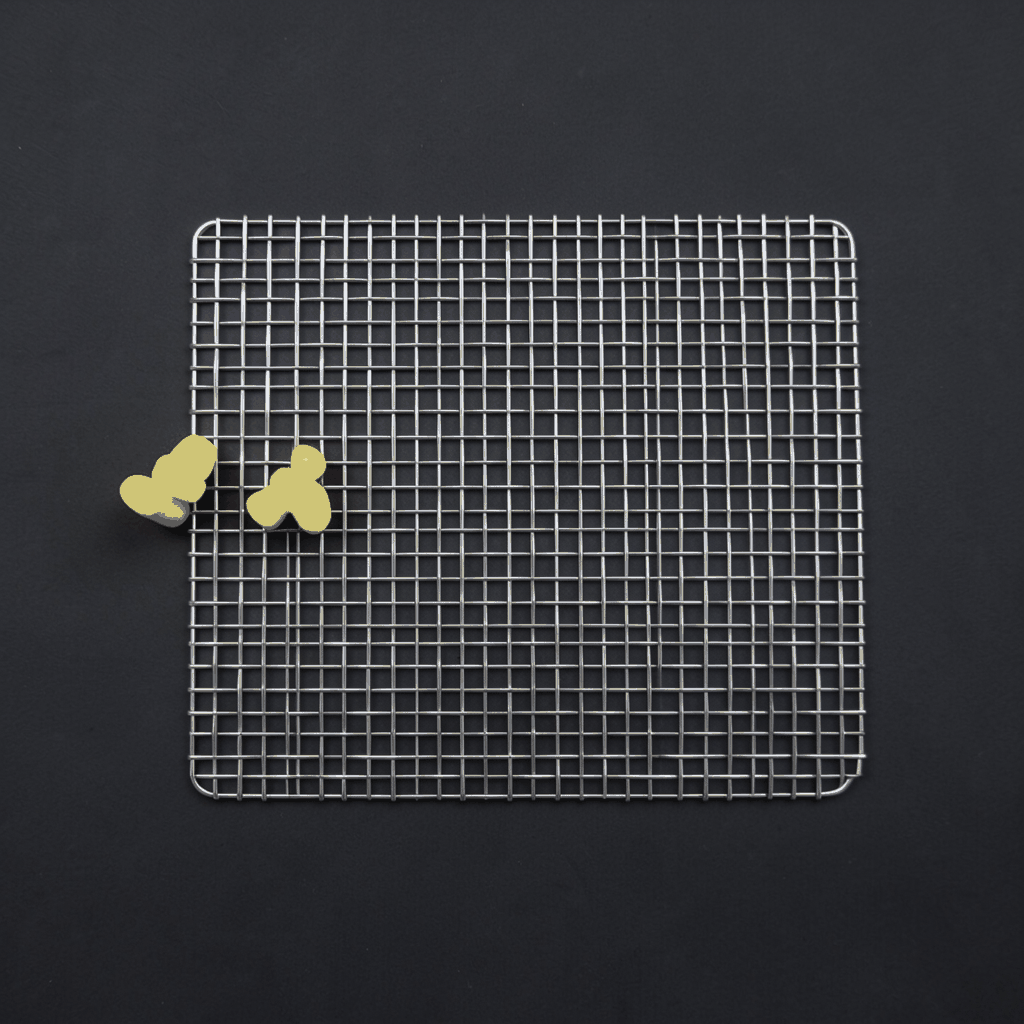
Welded wire mesh consists of longitudinal and transverse wires joined at their intersections by resistance welding. This creates a rigid reinforcement mat or cage with fixed spacing. In concrete pipes, the mesh is commonly formed into circular or elliptical cages before casting, allowing reinforcement to follow the shape of the pipe wall.
The primary function is crack control. Concrete performs well in compression but is weak in tension, particularly when it is exposed to bending, shrinkage, temperature changes, or uneven support. Steel wire takes tensile forces and distributes local stress across a wider area. A regular grid can help limit crack width and maintain the integrity of the pipe under service loads.
Reinforcement does not replace correct concrete design. Cover, concrete strength, compaction, curing, pipe bedding, joint alignment, and lifting procedures all affect performance. Mesh must be positioned so it remains surrounded by adequate concrete and does not shift during vibration or handling.
Reinforcing concrete pipes with circular cages
For round concrete pipes, welded mesh is often manufactured as a cylindrical cage with one or more reinforcement layers. The cage may be positioned near the middle of the wall or arranged in multiple layers when the design requires greater resistance to bending and external loading. End zones can require additional reinforcement because lifting anchors, sockets, spigots, or joint profiles create concentrated stresses.
The wire diameter and grid spacing should come from the structural design rather than a general product preference. Tighter spacing can improve crack distribution, while heavier wire can increase tensile capacity. A balanced design considers steel area, cage diameter, concrete cover, cage stability, and the ability of the production line to place and compact concrete around the reinforcement.
Pipe manufacturers also need consistent cage dimensions. A cage that is too large can reduce cover, while one that is too small can weaken the designed section. Weld quality matters because broken intersections or distorted rings may cause the cage to move during mould filling. Dimensional inspection should cover diameter, length, lap areas, wire spacing, and the location of any additional bars.
Manhole walls, bases, and access chambers
Manholes are exposed to a combination of vertical loading, lateral soil pressure, groundwater, surcharge from vehicles, and forces around openings. Reinforced concrete manhole rings and chambers therefore need mesh that suits the complete structure, including the base slab, wall sections, cone or roof, access opening, and connection points for incoming pipes.
Welded reinforcement mesh can be used in circular chamber walls, square access pits, cover slabs, and precast channel components. Additional bars are often required around penetrations, lifting points, corners, access openings, and changes in wall thickness. The mesh grid should be coordinated with cast-in ferrules, step irons, pipe connectors, and lifting hardware so that services do not force reinforcement out of position.
Access covers and frames also affect the design. In busy Australian areas such as Sydney industrial estates or Melbourne arterial roads, manholes may be subject to repeated heavy vehicle loading and vibration. The chamber must transfer these forces safely through the frame and surrounding concrete. Mesh is part of that load path, but the cover system, seating detail, bedding, and pavement interface need equal attention.
Materials and corrosion resistance
Plain carbon steel welded mesh is widely used where the concrete provides suitable alkaline protection and the exposure classification is controlled. Galvanised wire can be considered where additional corrosion resistance is needed, although the coating, welding process, handling damage, and concrete compatibility should be assessed. For aggressive environments, stainless steel mesh may offer a longer service life, especially where chlorides, coastal air, or contaminated groundwater are concerns.
Australia’s coastal and industrial environments can be demanding. A chamber near Newcastle, Wollongong, or the Gold Coast may experience salt exposure, while wastewater infrastructure can involve chemically aggressive conditions. The correct choice may involve stainless steel, a protective coating, greater concrete cover, a denser concrete mix, or a combination of measures.
Material certificates should identify the steel grade, wire diameter, coating or alloy, batch details, and relevant test results. Australian projects commonly refer to AS/NZS 4671 for reinforcing steel, while pipe and drainage requirements may involve other standards and project specifications. The engineer and certifier should confirm which documents apply to the particular pipe, chamber, council, and load category.
Fabrication choices for Australian projects
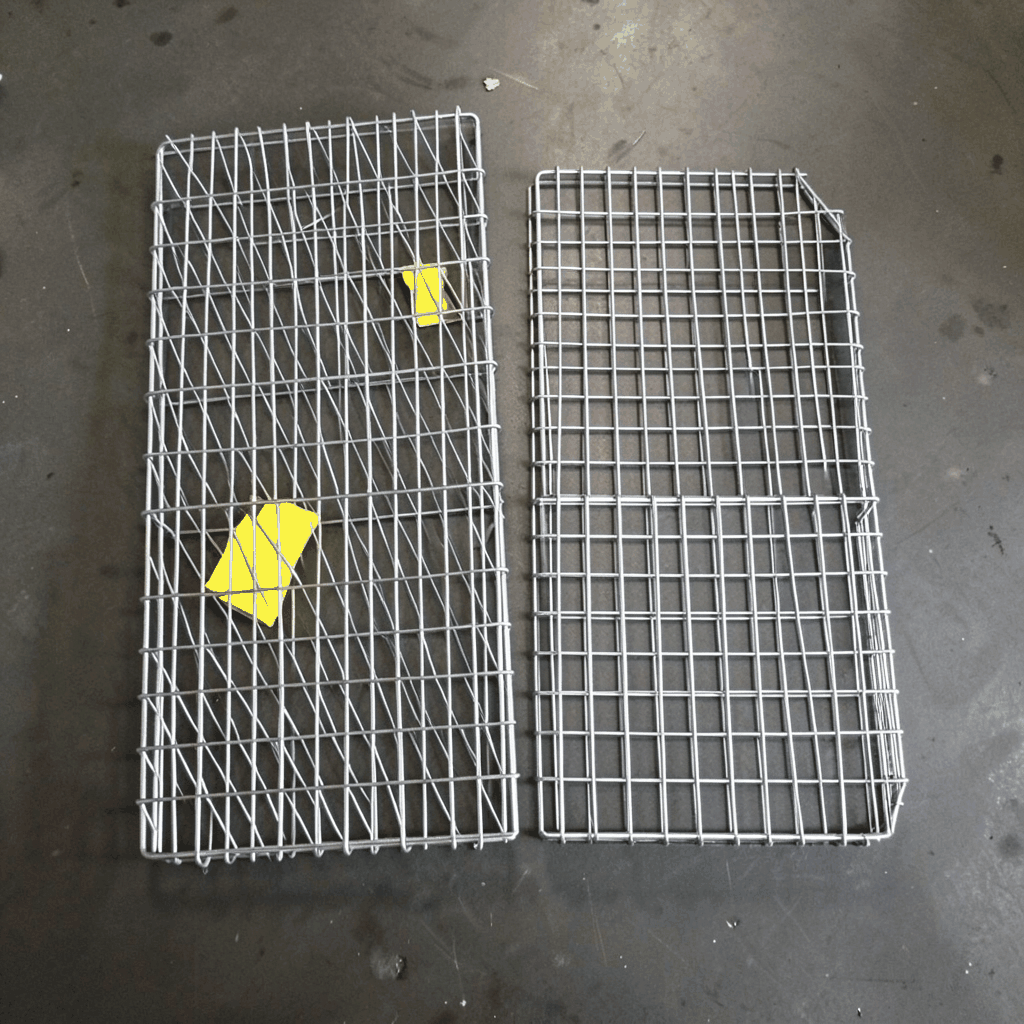
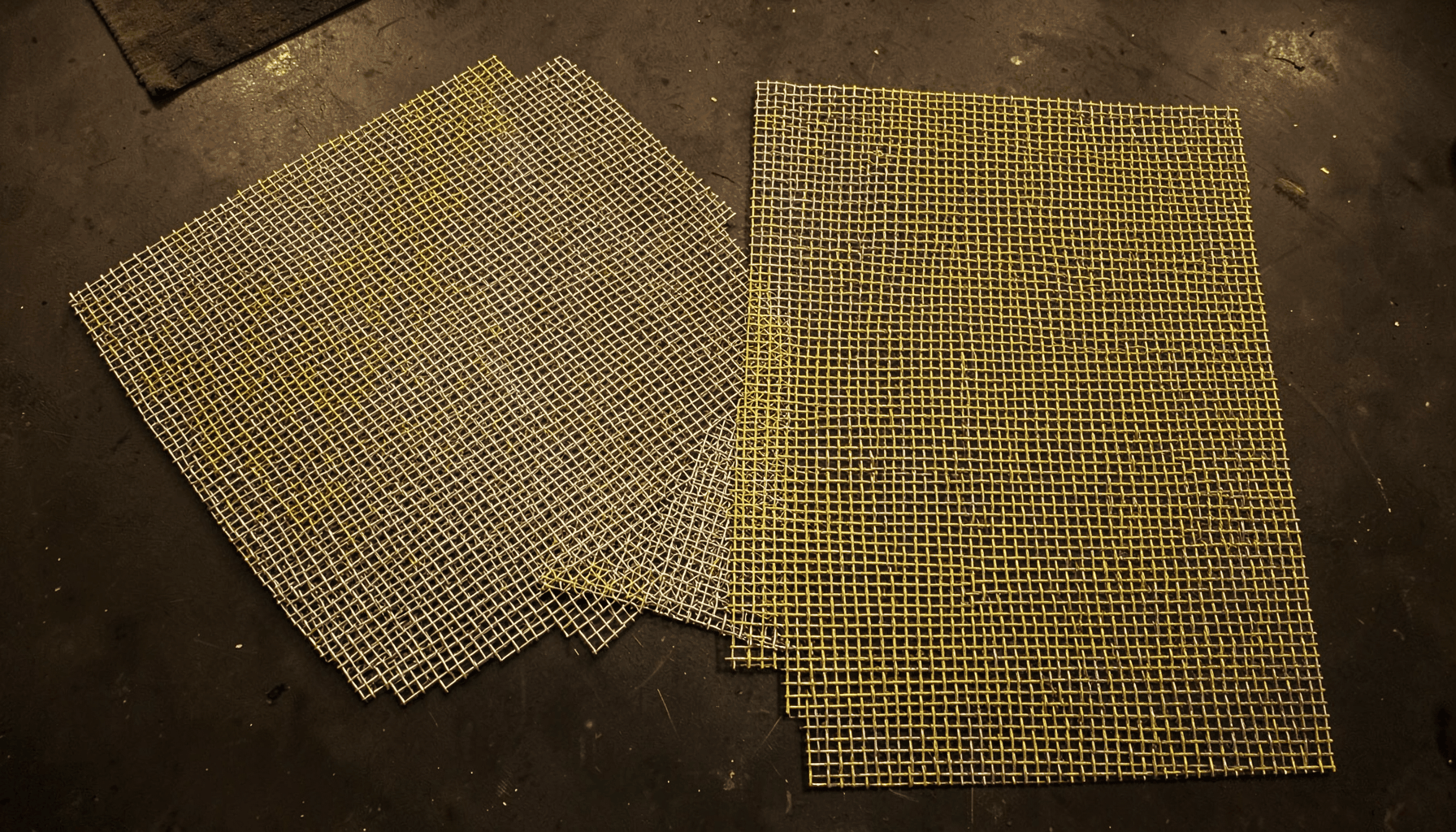
A reliable supplier should be able to produce flat sheets, bent panels, circular cages, custom rings, and reinforcement assemblies to approved drawings. Custom fabrication is useful when a drainage project includes non-standard diameters, offset openings, unusual manhole depths, or restricted installation access. It can reduce site cutting and help maintain the designed reinforcement arrangement.
A manufacturer experienced in industrial mesh processing, such as custom wire mesh solutions, can review wire sizes, spacing, cage dimensions, material options, and production tolerances before manufacture. Early technical coordination is valuable when the product must fit a specific mould, automated casting line, lifting frame, or transport arrangement.
Transport also needs consideration. Large reinforcement cages can be difficult to stack and may deform if unsupported. Folded or nested designs can reduce freight volume, while accurately labelled bundles make it easier for production teams to identify each cage. On projects serving regional Queensland, Western Australia, or remote parts of the Northern Territory, delivery planning should allow for longer lead times and fewer opportunities to replace incorrect components.
Quality control from drawing to installation
Quality assurance starts with an approved reinforcement schedule. The schedule should state wire grade, diameter, spacing, cage shape, laps, cover, tolerances, supplementary bars, and any required welding or coating details. Shop drawings should show openings and connection points rather than relying on assumptions made during fabrication.
Incoming wire should be checked for diameter, surface condition, straightness, and certification. During welding, operators should monitor intersection strength, heat effects, cage roundness, and dimensional accuracy. A visual inspection can identify loose welds, sharp projections, broken wires, excessive distortion, or coating damage. Where the project requires it, tensile and weld-shear testing can provide additional evidence of conformity.
Before concrete placement, the cage should be supported with suitable spacers and secured against movement. Inspectors should verify cover, lap positions, reinforcement continuity, opening details, and the location of lifting devices. A simple site inspection checklist helps prevent costly defects that may remain hidden after the concrete hardens.
Design and ordering checks
Clear information at the quotation stage reduces delays and limits the risk of incompatible reinforcement. Provide the supplier with the pipe or manhole drawings, design loads, concrete cover, exposure classification, material requirements, and expected production quantities. It is also useful to state whether the mesh will be supplied as loose components, flat sheets, or preformed cages.
For council and utility work, documentation may need to align with authority requirements, approved products, inspection and test plans, and project-specific hold points. Australian local government specifications can vary, so a mesh arrangement accepted for a private development in Adelaide may not satisfy a water authority or road authority elsewhere. Engineering approval should be obtained before fabrication begins.
Practical ordering details
Use these details to make the specification easier to review:
- Internal and external cage diameters
- Longitudinal and circumferential wire sizes
- Mesh spacing, laps, and reinforcement layers
- Concrete cover and exposure conditions
Confirm these production and delivery points before release:
- Drawing revision and inspection requirements
- Bundling, labelling, and lifting arrangements
- Coating or stainless steel requirements
- Delivery access, unloading equipment, and site sequence
Avoiding common reinforcement problems
Insufficient cover is one of the most serious issues because it leaves steel vulnerable to moisture and aggressive substances. Excessive cover can also reduce crack-control performance and place the reinforcement too far from the tensile zone. Spacers must be strong enough for the cage weight and compatible with the required durability classification.
Another frequent problem is reinforcement displacement during casting. Fast concrete placement, poor cage restraint, inadequate spacers, and contact with mould components can change the designed position. For circular pipes, a cage that becomes oval or twists can create uneven cover and complicate joint assembly. Trial production is worthwhile when the design is new or the pipe size is large.
Cutting or bending mesh on site should be controlled carefully. Unapproved alterations may reduce steel area, interfere with laps, or create weak points around penetrations. If a pipe or chamber design changes, the revised reinforcement should be checked and issued as a new drawing rather than modified informally at the factory or yard.
Selecting a dependable mesh partner
The best supplier is more than a source of wire products. It should understand fabrication tolerances, reinforcement geometry, welding consistency, material traceability, packaging, and the practical needs of precast concrete production. Communication is especially important when project teams include designers, precast manufacturers, civil contractors, councils, and transport providers.
A technically capable manufacturer can help identify whether flat welded mesh, rolled mesh, spiral reinforcement, or a custom cage is most suitable. It can also discuss stainless steel, galvanised steel, aluminium, or other materials where the application involves unusual corrosion or fabrication requirements. The final choice should remain governed by structural design and applicable Australian project requirements.
For concrete pipes and manholes, consistency is a major benefit. Repeated cage dimensions, clear identification, documented testing, and controlled delivery help maintain production speed across large drainage packages. Whether the work involves urban stormwater upgrades in Perth, sewer infrastructure in Melbourne, or flood-resilience projects around Brisbane, properly specified welded reinforcement supports durable precast construction.
Specify the pipe or chamber dimensions, loading conditions, exposure environment, steel grade, mesh arrangement, and documentation requirements before requesting a quotation. Share the latest approved drawings with a specialist manufacturer so the reinforcement can be checked for fit, strength, transport, and installation. A carefully fabricated welded mesh cage gives concrete drainage products dependable crack control and a stronger foundation for long-term service.