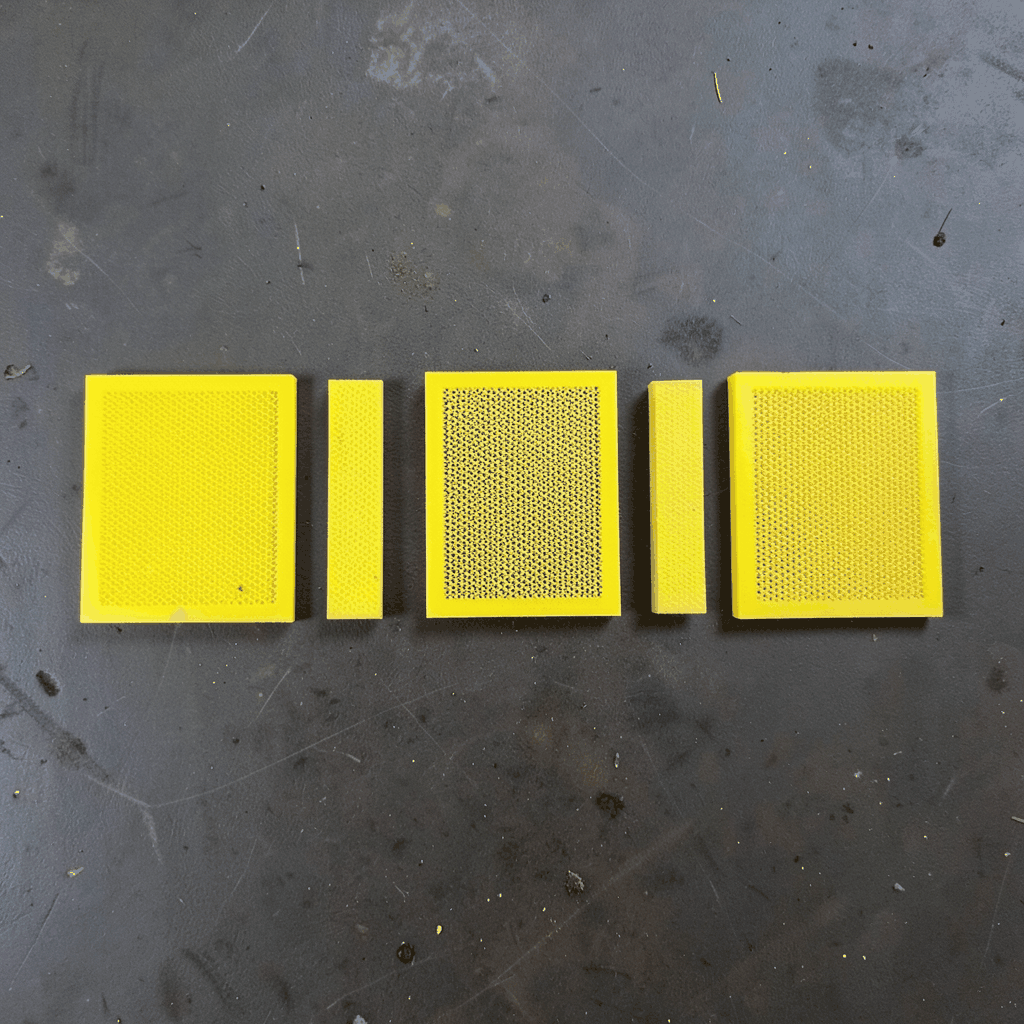
Why Aluminum Mesh Works So Well for Camper Van Window Screens
Camper van window screens need to solve several problems at once. They should allow fresh air into the vehicle, block insects, tolerate vibration, and add as little weight as possible. A well-designed aluminum mesh screen addresses these requirements with a practical balance of strength, low mass, corrosion resistance, and visual appeal.
Compared with solid panels or heavy steel grilles, aluminum mesh preserves ventilation without making the van feel enclosed. It can be fabricated as a removable insert, framed panel, roller screen, magnetic cover, or custom-fit component for sliding windows, rear doors, skylights, and side openings.
The best result depends on more than the metal itself. Mesh opening, wire diameter, surface treatment, edge construction, and attachment method all affect performance. For camper conversions, selecting the right aluminum screen design can improve comfort while supporting a clean and durable interior finish.
Low Weight Supports Better Fuel Efficiency
Weight matters in a camper van. Every added component contributes to the total vehicle load, including cabinetry, water tanks, batteries, cooking equipment, roof accessories, and insulation. Aluminum has a lower density than steel, so an aluminum window screen can provide useful coverage without adding unnecessary mass to the doors or window frames.
A lightweight screen is especially valuable when several openings need protection. A van may require panels for both side windows, rear doors, and a roof vent. Using aluminum mesh throughout can reduce the cumulative load compared with steel mesh or thick solid grilles. Lower component weight also places less stress on hinges, sliding tracks, magnetic fasteners, and removable mounting hardware.
The material is easy to handle during installation and removal. Campers can store a screen panel when driving, replace it quickly at a campsite, or clean it without needing heavy lifting. For manufacturers and conversion workshops, lighter components can simplify fabrication, packaging, and transportation.
Weight reduction should not come at the expense of fit. A thin or loosely supported panel may flex, rattle, or deform. The most effective designs combine a suitable aluminum mesh specification with a rigid perimeter frame, folded edge, or reinforced mounting zone.
Airflow And Insect Protection Work Together
A camper van can become hot and humid when windows remain closed, particularly after cooking, showering, or sleeping. Aluminum insect mesh allows air to circulate while helping keep mosquitoes, flies, moths, and other pests outside. This passive ventilation can make the interior more comfortable without requiring continuous use of powered fans.
Mesh selection affects both airflow and insect control. Smaller openings provide better protection against tiny insects, but they can restrict air movement more than an open pattern. Larger openings improve ventilation but may allow smaller pests to pass through. A balanced specification is usually preferable for general camping, while specialized environments may call for finer mesh.
The screen should cover the opening continuously, with minimal gaps along the window frame. Even a high-quality mesh becomes ineffective if insects can enter around its edges. Compression seals, magnetic strips, hook-and-loop systems, sliding channels, or custom clips can help create a closer fit while allowing convenient removal.
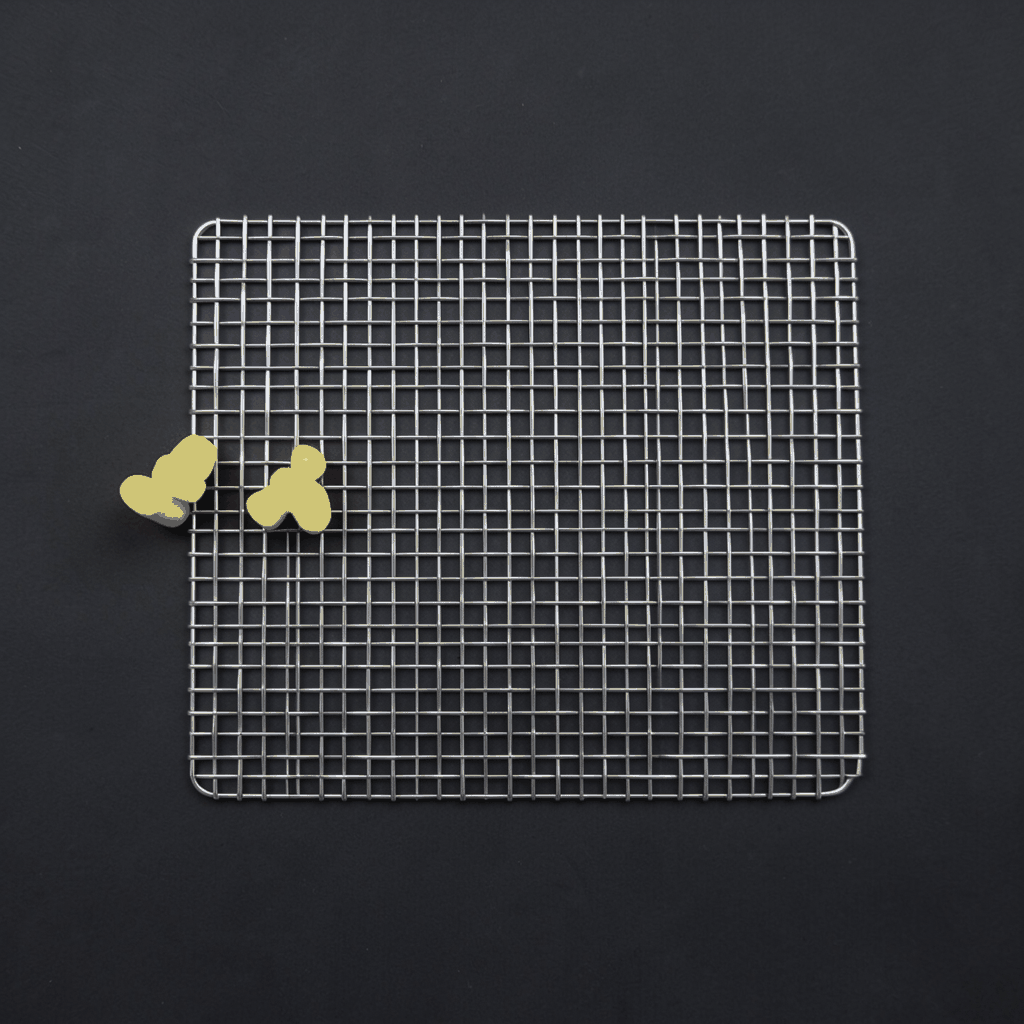
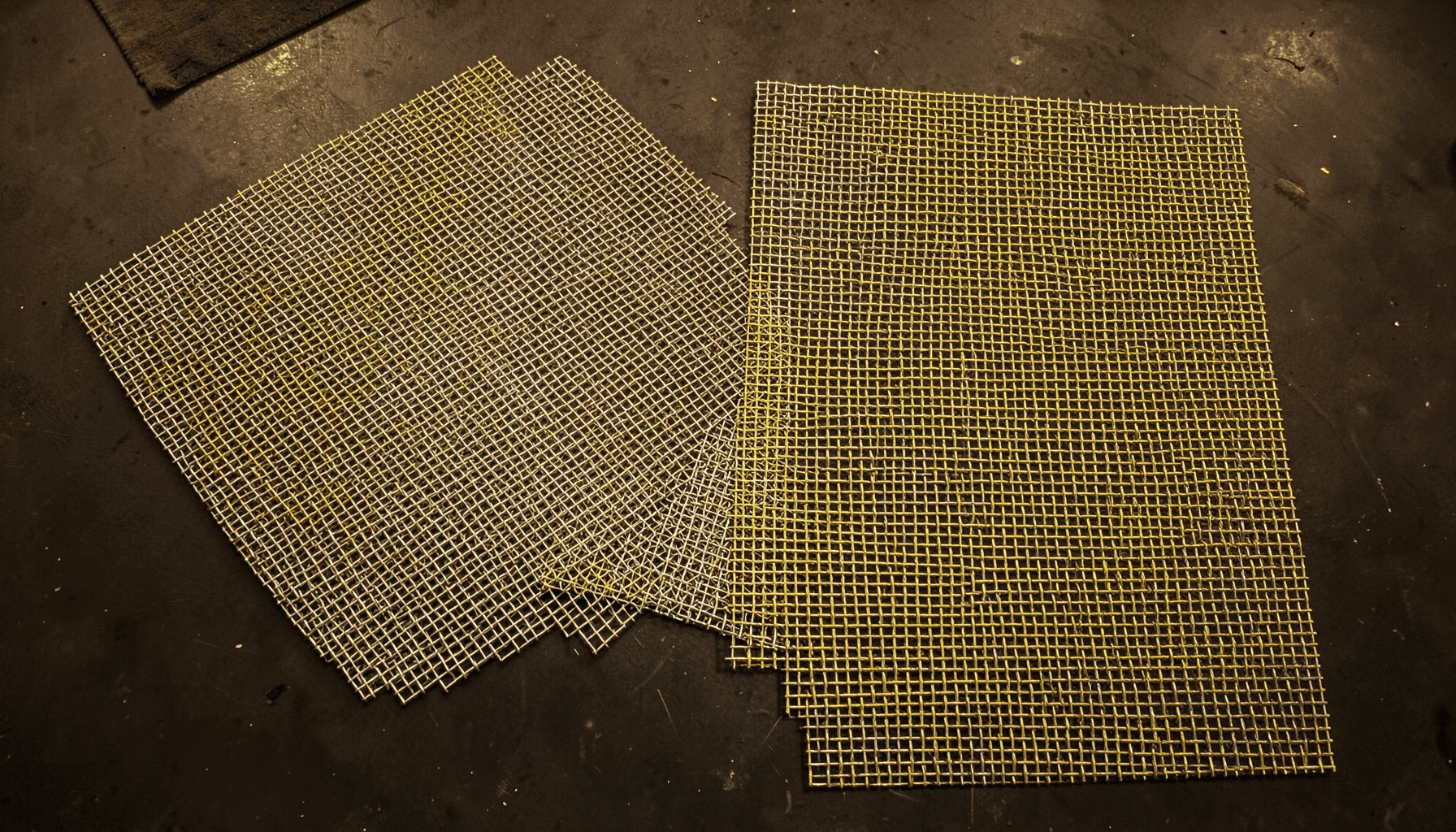
Aluminum mesh can be supplied in woven, expanded, or perforated forms. Woven mesh is commonly selected when fine insect screening is the priority. Expanded metal offers a more open, structured pattern and can provide greater resistance to impact. Perforated aluminum sheet provides consistent holes and a distinct architectural appearance. Each format should be matched to the size, function, and location of the van window.
Corrosion Resistance Fits Outdoor Travel
Camper vans are exposed to rain, road spray, condensation, humidity, coastal air, and changing temperatures. A window screen must withstand these conditions without quickly rusting or losing its appearance. Aluminum naturally forms a thin oxide layer on its surface, helping it resist corrosion in many outdoor environments.
This characteristic is useful for vehicles that travel between climates. A screen used near the coast may encounter salt-laden air, while a vehicle used in forests or mountains may experience persistent moisture. Properly selected aluminum mesh generally offers better long-term resistance to rust than ordinary carbon steel mesh.
Surface treatment can provide an additional layer of protection. Anodizing improves surface hardness and can create a consistent finish in silver, black, bronze, or other colors. Powder coating offers further design flexibility and can help coordinate the screen with a van’s exterior, window trim, or interior cabinetry. The treatment should be appropriate for the alloy, service environment, and expected handling.
Aluminum is not immune to every form of deterioration. Contact with dissimilar metals in the presence of moisture can create galvanic corrosion. Stainless steel screws, steel brackets, and aluminum frames should be selected and isolated carefully when necessary. Drainage and ventilation around the mounting area also help prevent trapped water and residue.
A Practical Balance Of Strength And Flexibility
A camper van screen must be strong enough to survive regular handling, vibration, and occasional contact with luggage or equipment. At the same time, it should remain light and adaptable to unusual window shapes. Aluminum mesh provides a useful middle ground between rigid steel barriers and fragile fabric screens.
For basic insect protection, fine woven aluminum mesh may be sufficient. When the screen is installed in a rear door, cargo area, or location exposed to frequent contact, a heavier gauge or expanded pattern may be more appropriate. The design should account for the opening size: larger panels need additional support to prevent bowing and rattling.
Mesh is not a substitute for a security barrier or crash-rated vehicle component. Its primary functions are ventilation, insect control, shading, privacy, and visual separation. If a camper requires enhanced resistance to impact, the screen can be combined with a stronger frame, protective grille, or separate security panel.
The following comparison shows how common screen materials differ for camper van applications:
| Material | Weight | Corrosion Resistance | Airflow | Typical Strength | Best Use |
|---|---|---|---|---|---|
| Aluminum mesh | Low | Good, especially with anodizing or coating | Good to excellent | Moderate | Lightweight window and ventilation screens |
| Stainless steel mesh | High | Very good | Good | High | Heavy-duty panels and security-oriented designs |
| Fiberglass screen | Very low | Good, but may degrade under UV or abrasion | Good | Low to moderate | Low-cost insect screening |
| Carbon steel mesh | High | Requires protective coating | Good | High | Industrial or rigid protective structures |
| Plastic-coated fabric | Very low | Fair to good | Good | Low | Temporary, flexible, or removable covers |
Aluminum is often selected when the project needs better durability than fabric or fiberglass while avoiding the weight of steel. The right choice still depends on whether the screen is intended for everyday ventilation, privacy, pet protection, cargo separation, or impact resistance.
Custom Fabrication Improves Fit And Appearance
Camper van windows rarely share one universal size. Different vehicle models use different curves, recesses, sliders, hinges, and trim profiles. A standard rectangular panel may leave gaps or interfere with the window mechanism. Custom-fabricated aluminum mesh can follow the actual dimensions and mounting conditions of the vehicle.
Manufacturers can produce screens with cutouts for handles, latches, ventilation hardware, and existing trim. Corners may be rounded to match the window shape, while edges can be folded, framed, or reinforced to reduce sharp surfaces and improve rigidity. A precise perimeter is especially important for magnetic or compression-fit systems.
The appearance of the screen also matters in a compact living space. Black powder-coated mesh can reduce glare and create a discreet view from inside. Natural anodized aluminum provides a bright technical finish, while bronze or darker tones can complement wood interiors and architectural hardware. The visual pattern can be selected to support a modern, industrial, or understated design.
Aluminum mesh manufacturers with cutting, forming, welding, coating, and assembly capabilities can supply a more complete solution than a simple sheet of material. For larger projects, they may produce matched screens for multiple windows, doors, partitions, or ventilation openings, keeping the dimensions and finish consistent throughout the conversion.
Design Details Determine Everyday Performance
A dependable camper window screen begins with accurate measurement. The opening should be checked at several points because window frames can taper or curve. The available depth must also be measured to ensure the screen does not obstruct blinds, curtains, latches, sliding glass, or interior trim.
Mesh aperture should be selected according to the intended use. A fine opening may be suitable for mosquito protection, while a medium or larger opening can support stronger airflow and a more open view. Wire diameter and panel size must be considered together because a large screen made with very fine wire may need a frame or intermediate support.
Attachment hardware affects convenience. Magnetic systems are quick to install and remove, but they require a suitable metal contact surface or an added mounting strip. Hook-and-loop fasteners work with irregular shapes but may collect dust over time. Tracks and clips create a more permanent installation, while hinged frames can provide easy access to the window.
Edges deserve close attention. Bare cut metal can be sharp, and an unsupported perimeter may deform during use. Rolled edges, protective trim, welded frames, and deburred surfaces improve safety and durability. Drain holes or small clearances may be needed in areas where rainwater could collect.
For vehicle interiors, low-glare finishes and secure fasteners can reduce distractions while driving. Screens should be removed or firmly secured when the van is moving, particularly if they are installed in doors or near the driver’s field of view.
Recommendations For Selecting The Right Mesh
- Choose a mesh aperture that balances insect exclusion with the airflow needed for the van’s climate and sleeping arrangements.
- Select anodized or powder-coated aluminum when the screen will face frequent moisture, salt air, sunlight, or repeated handling.
- Use a rigid frame, folded perimeter, or reinforced edge for large windows and high-contact locations.
- Match fasteners and brackets carefully to aluminum to reduce galvanic corrosion and unwanted vibration.
- Request a custom drawing or sample panel when the window has curves, sliders, unusual trim, or integrated hardware.
A well-engineered aluminum screen can support comfortable camping without compromising the clean appearance of a conversion. Its low weight helps control the vehicle’s overall load, while its corrosion resistance and adaptable fabrication options support long-term use. With the correct opening size, edge treatment, and mounting system, it becomes a durable part of the van rather than a temporary accessory.
Shuo Ke Wire Mesh Product Technology Co., Ltd. produces and processes aluminum, stainless steel, copper, iron, and alloy mesh products for architectural, industrial, residential, and municipal applications. Its customization capabilities can support camper van window screens, ventilation panels, partitions, protective covers, and other formed mesh components. Share the required dimensions, material preference, mesh pattern, finish, and installation method to develop a screen solution suited to the vehicle and its travel environment.