Why Copper Alloys Bring Distinctive Color to Architectural Mesh Cladding
Copper alloy mesh cladding gives buildings a visual character that painted steel, plain aluminum, and standard stainless steel cannot easily reproduce. Its color comes from the metal itself, while the open weave adds changing patterns of light, shadow, and transparency across a façade. The result can look warm and crafted in daylight, reflective in the evening, and richly textured from different viewing angles.
The term “copper alloy” covers several architectural materials, including brass, bronze, phosphor bronze, and copper-rich specialty alloys. Each option has a different balance of red, yellow, brown, and muted metallic tones. Surface treatment, wire diameter, weave pattern, and exposure conditions then influence how that color appears after installation.
For designers, the appeal is both visual and practical. Metal mesh cladding can screen equipment, soften large elevations, protect glazing, define entrances, or create ventilated secondary façades. When the alloy is selected carefully, the cladding becomes part of the building’s identity while maintaining a durable and serviceable envelope component.
The Visual Character Of Copper-Rich Metals
Pure copper begins with a warm reddish-orange tone that can appear almost pink on a highly polished surface. Brass generally shifts toward yellow or golden hues because of its zinc content, while bronze often presents a deeper brown, reddish-brown, or subdued gold appearance. These differences are especially noticeable when the material is installed as a large curtain, screen, or exterior mesh panel.
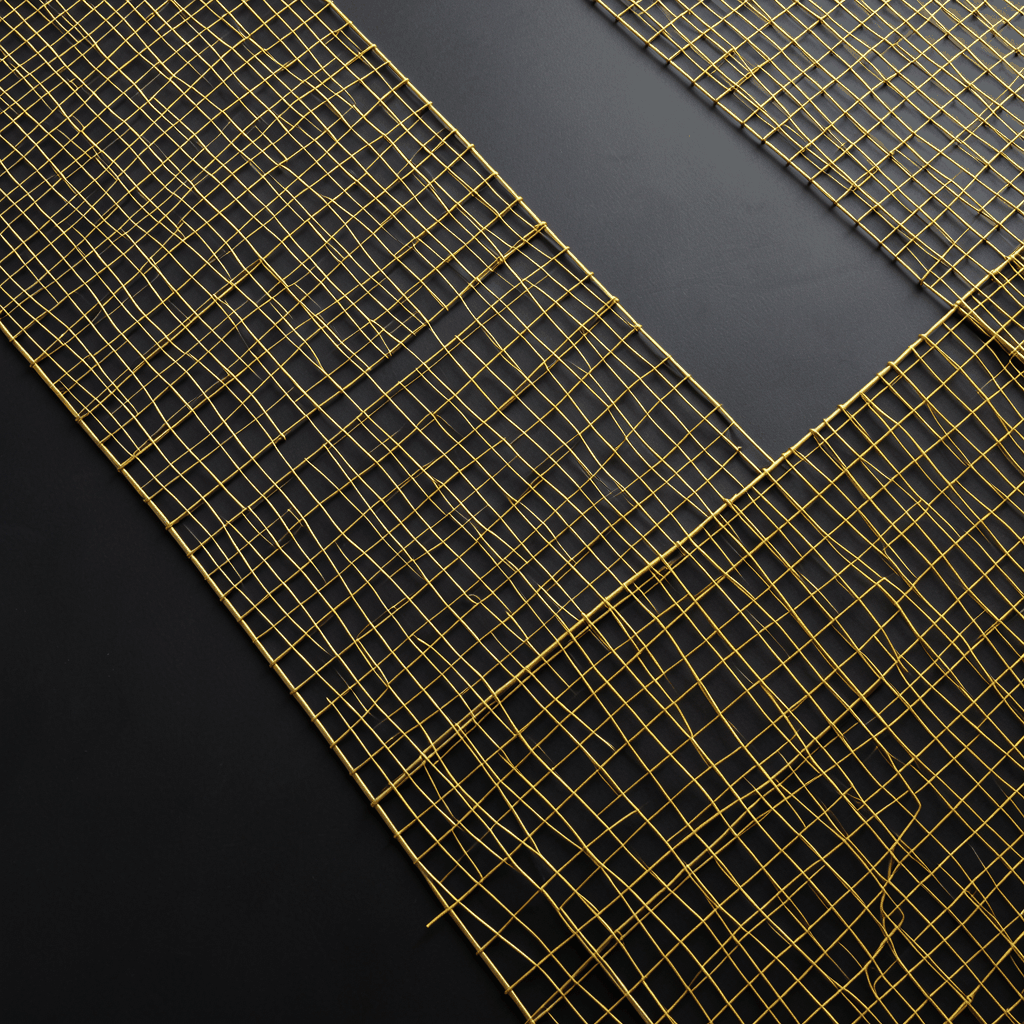
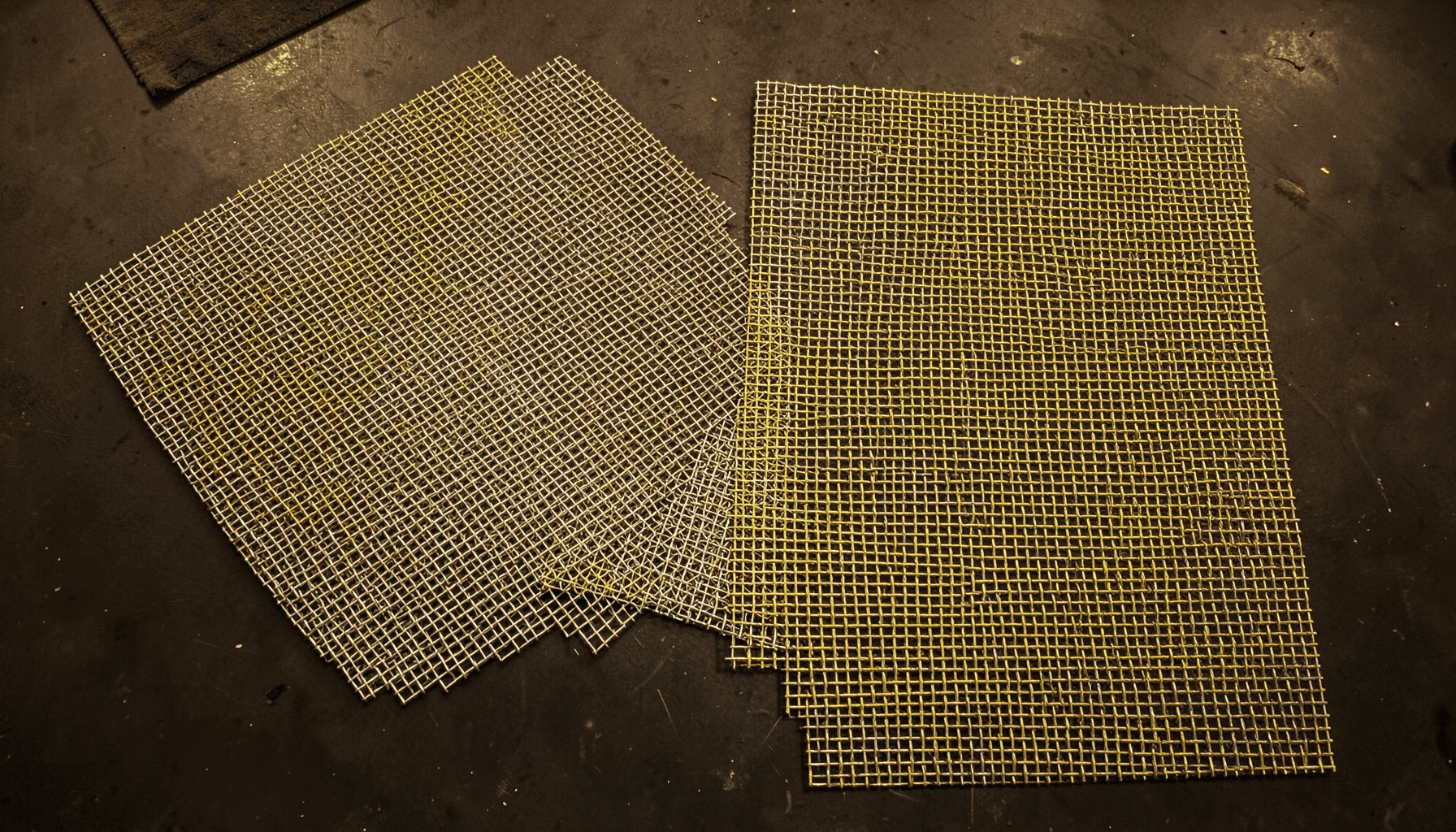
The open structure of woven or expanded mesh makes the color less uniform than a solid sheet. Every wire catches light along a curved or faceted surface, producing fine highlights between darker openings. A tight weave can read as a more continuous metallic skin, whereas a wider opening exposes the background and creates a layered visual effect.
Architectural mesh also changes appearance with distance. From across a street, a bronze screen may look like a calm, solid-toned façade. At close range, the viewer sees individual wires, intersections, and small variations in reflectivity. This depth gives copper alloy cladding a tactile quality that printed finishes and flat coatings rarely achieve.
How Alloy Composition Changes The Finish
Alloy composition controls more than color. It affects hardness, ductility, tensile strength, corrosion behavior, and the way the wire responds to forming or weaving. Brass is often chosen when a bright golden appearance is central to the design. Bronze is valued for deeper, earthier tones and a strong association with long-lasting architectural materials.
Phosphor bronze can provide a warm brown-gold appearance with useful spring properties and good resistance in demanding environments. Aluminum bronze offers a more subdued golden-brown color and can be suitable where higher strength and wear resistance are important. The correct selection depends on the intended exposure, mesh configuration, support system, and fabrication method.
Color should therefore be discussed alongside technical requirements rather than treated as a separate decorative decision. Wire mesh that must span a large opening, resist wind movement, or operate as a movable curtain may require a different alloy and wire size than a fixed interior partition. A manufacturer with experience in architectural mesh solutions can help connect the visual brief with practical specifications.
Patina And Surface Treatments Over Time
Copper-based metals naturally react with oxygen, moisture, pollutants, and handling. This process can gradually deepen the original color, producing brown, charcoal, muted green, or blue-green tones depending on the alloy and environment. In many projects, this evolving patina is an advantage because the façade gains a sense of age and connection with its surroundings.
The aging process is rarely perfectly uniform. Areas protected by overhangs may remain brighter, while exposed edges and rain paths can darken or develop patina sooner. Contact with dissimilar metals, runoff from other materials, and coastal salt can also influence the final appearance. A sample panel exposed near the project site provides more useful information than a small showroom swatch alone.
Clear protective finishes can delay oxidation and preserve a brighter appearance, but they introduce maintenance requirements. The coating must be compatible with the chosen alloy, mesh geometry, cleaning method, and expected ultraviolet exposure. Pre-patinated or chemically treated finishes offer greater initial control, although natural variation may still occur after installation.
| Material | Typical Initial Color | Common Aging Direction | Suitable Design Character | Key Considerations |
|---|---|---|---|---|
| Pure copper | Reddish-orange to warm pink | Brown, then green-blue patina in suitable conditions | Historic, crafted, expressive | Natural color change and runoff planning |
| Brass | Yellow, gold, or pale bronze | Darker brown or muted gold | Bright, refined, contemporary | Surface protection may be needed outdoors |
| Bronze | Red-brown, brown, or subdued gold | Deeper brown with gradual patina | Solid, prestigious, earthy | Alloy grade strongly affects final tone |
| Phosphor bronze | Warm brown-gold | Richer brown and softer metallic tone | Technical, elegant, detailed | Good balance of appearance and spring properties |
| Aluminum bronze | Golden brown to muted yellow | Darker bronze-brown | Durable, structured, modern | Verify forming, welding, and finish requirements |
Matching Mesh Geometry With Color
Color and geometry work together in architectural cladding. A fine wire with small openings presents a denser field of color, which can make a copper alloy surface appear closer to a solid panel. Coarser mesh allows more of the supporting wall, glass, or landscape to remain visible. The background color can either strengthen the warmth of the alloy or reduce its visual intensity.
Woven mesh, chain-link-style decorative mesh, expanded metal, and perforated screens each create different reflections. A woven façade tends to produce directional lines and flexible drape, making it suitable for curtains, room dividers, and layered interiors. Rigid panels with laser-cut patterns provide stronger graphic definition for entrances, elevator surrounds, balconies, and feature walls.
The angle of installation also matters. A vertical screen may emphasize the height of a building, while a folded or curved panel can produce changing highlights throughout the day. Designers should review full-size mock-ups where possible, since small samples cannot fully show how aperture, wire thickness, and shadow density affect the perceived color.
Applications Across Architectural Projects
Copper alloy mesh is effective when a project needs visual warmth without losing ventilation, daylight, or spatial connection. It can be suspended in front of glazing as a solar and privacy screen, used around balconies, or installed as a ventilated rain-screen layer. The façade remains visually substantial while air can move through the openings.
Inside a building, brass and bronze mesh can define reception areas, restaurants, retail displays, stair enclosures, and elevator lobbies. A metallic curtain can separate spaces without creating the permanence of a solid wall. It can also be drawn aside, making the material useful where circulation and flexible layouts are important.
Municipal and commercial projects may use copper-rich screens for gates, guardrails, signage surrounds, and equipment enclosures. The distinctive finish helps identify entrances and public zones, while the mesh construction supports security, airflow, and partial visibility. In hospitality interiors, the same material can coordinate partitions, lighting features, furniture details, and wall accents.
The installation context should guide the finish choice. A busy public area may benefit from a harder protective treatment and a less reflective surface that conceals fingerprints. A prominent exterior elevation may be better suited to a naturally aging alloy whose changing color is part of the design concept.
Engineering Details Behind A Reliable Cladding System
A visually successful mesh façade depends on its support system. Panels and curtains need suitable perimeter frames, tensioning devices, hooks, tracks, rods, or concealed fixings. Wind pressure, panel weight, movement, thermal expansion, and access for cleaning must be considered before the mesh pattern is finalized.
Copper alloys can create galvanic corrosion when they remain in direct contact with incompatible metals in the presence of moisture. Isolation washers, sleeves, gaskets, compatible fasteners, and properly detailed drainage paths help reduce this risk. The specification should identify every exposed metal, including anchors, clips, screws, trims, and subframes.
Large façades may require movement joints or divided panels to control handling and installation tolerances. Mesh should arrive protected from scratches, staining, and excessive bending. On site, storage conditions are important because cement dust, alkaline residues, steel particles, and construction runoff can mark copper-based surfaces.
Fire performance, fall protection, and local building regulations also need review. Metal mesh is non-combustible in its metallic form, but coatings, backing fabrics, insulation, and adjacent materials may affect the complete assembly. Where the mesh acts as a guard, security barrier, or overhead element, opening size and structural performance must be checked against the relevant code.
Planning A Copper Alloy Mesh Specification
A clear specification helps the manufacturer produce a finish that looks consistent with the design intent. It should describe the alloy, wire diameter, mesh type, opening size, panel dimensions, edge treatment, surface finish, support method, and expected exposure. If the project accepts natural patination, that allowance should be written into the appearance criteria.
Before approving production, compare samples under warm and cool lighting, at different distances, and against the actual background materials. Review the appearance of corners, overlaps, joints, and fasteners rather than evaluating only a flat sample. A mock-up can reveal whether the mesh looks sufficiently dense, whether reflections are distracting, and whether the selected color works with stone, glass, timber, or concrete.
Useful decisions to settle early include:
- Select the alloy according to both target color and environmental exposure.
- Define whether natural patination, pre-aging, or a clear protective finish is required.
- Coordinate mesh openings with privacy, ventilation, daylight, and safety needs.
- Specify compatible fixings and isolation materials to reduce galvanic corrosion.
- Approve a representative mock-up before ordering the full cladding quantity.
Maintenance planning should be equally specific. Many copper alloys can be cleaned with mild, non-abrasive methods, but aggressive chemicals may remove protective treatments or create uneven marks. A maintenance schedule can state cleaning frequency, approved products, inspection points, and procedures for replacing damaged panels without disturbing adjacent sections.
The strongest results come from treating color as a material property that will interact with light, weather, geometry, and construction details. With appropriate alloy selection and careful fabrication, copper alloy mesh cladding can retain its visual appeal while performing as a practical architectural screen.
Bring your façade or interior concept to a metal mesh manufacturer early in the design process. Share drawings, exposure conditions, desired color references, and performance requirements so the alloy, weave, finish, and fixing system can be developed as one coordinated solution. That approach turns distinctive copper coloration into a durable feature of the finished building.