
Why Iron Mesh Remains a Reliable Choice for Industrial Fencing
Industrial fencing has a demanding job. It must define boundaries, control access, protect equipment, and withstand weather, impact, and daily operational wear. In factories, warehouses, utility sites, construction compounds, and municipal facilities, the fence is part of the site’s security system rather than a purely visual feature.
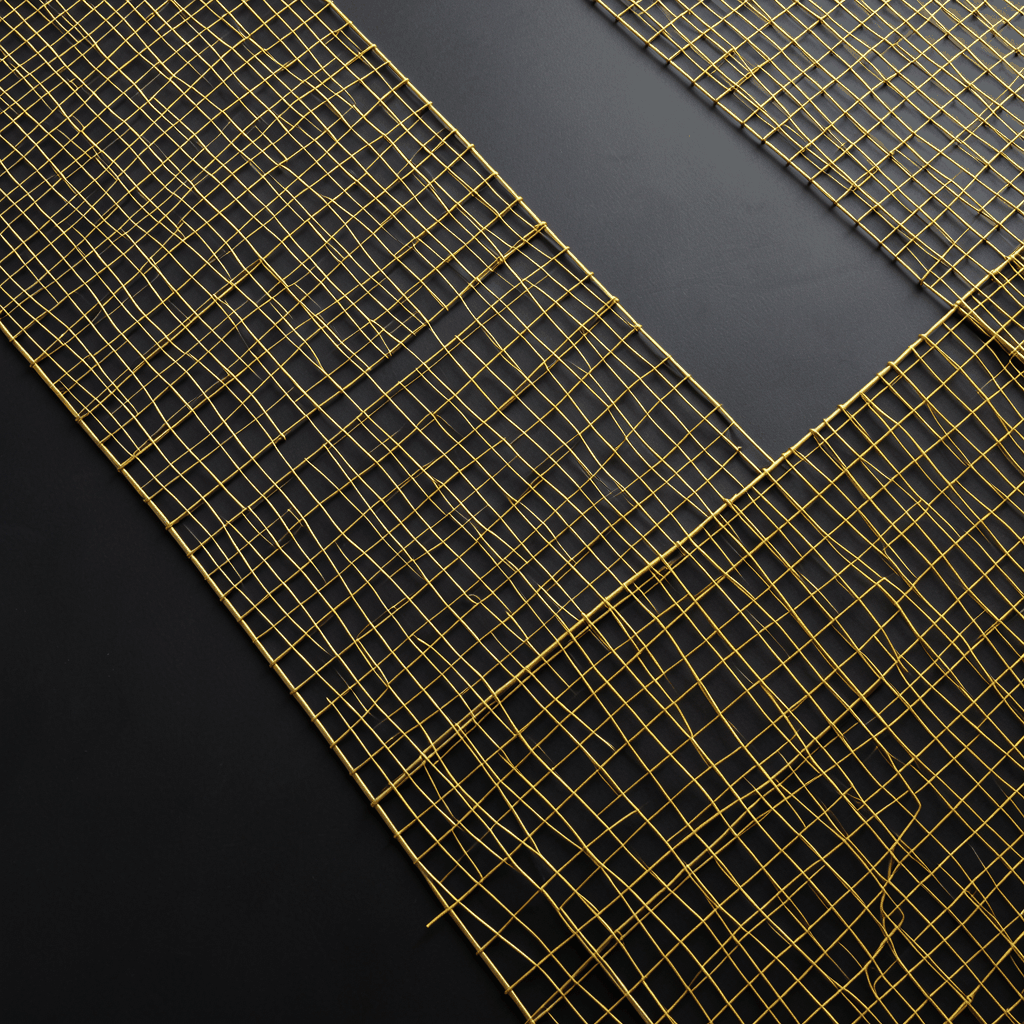
Iron mesh remains widely used because it offers a practical balance of strength, affordability, availability, and fabrication flexibility. When the material is correctly specified and protected against corrosion, it can provide dependable service for many years. Its familiar structure also makes installation, repair, and future modification straightforward.
The best choice depends on the site environment, security objectives, panel dimensions, and maintenance plan. A professional metal mesh manufacturer can adapt wire diameter, aperture, frame design, finish, and fixing method to suit these conditions instead of treating every fence as a standard product.
Strength For Everyday Industrial Demands
Iron and low-carbon steel mesh are valued for their load-bearing capacity. A properly engineered panel resists bending, impact, and localized pressure more effectively than many lightweight alternatives. This matters around loading bays, machinery areas, storage yards, and service roads where vehicles, pallets, tools, and moving equipment may come into contact with the perimeter.
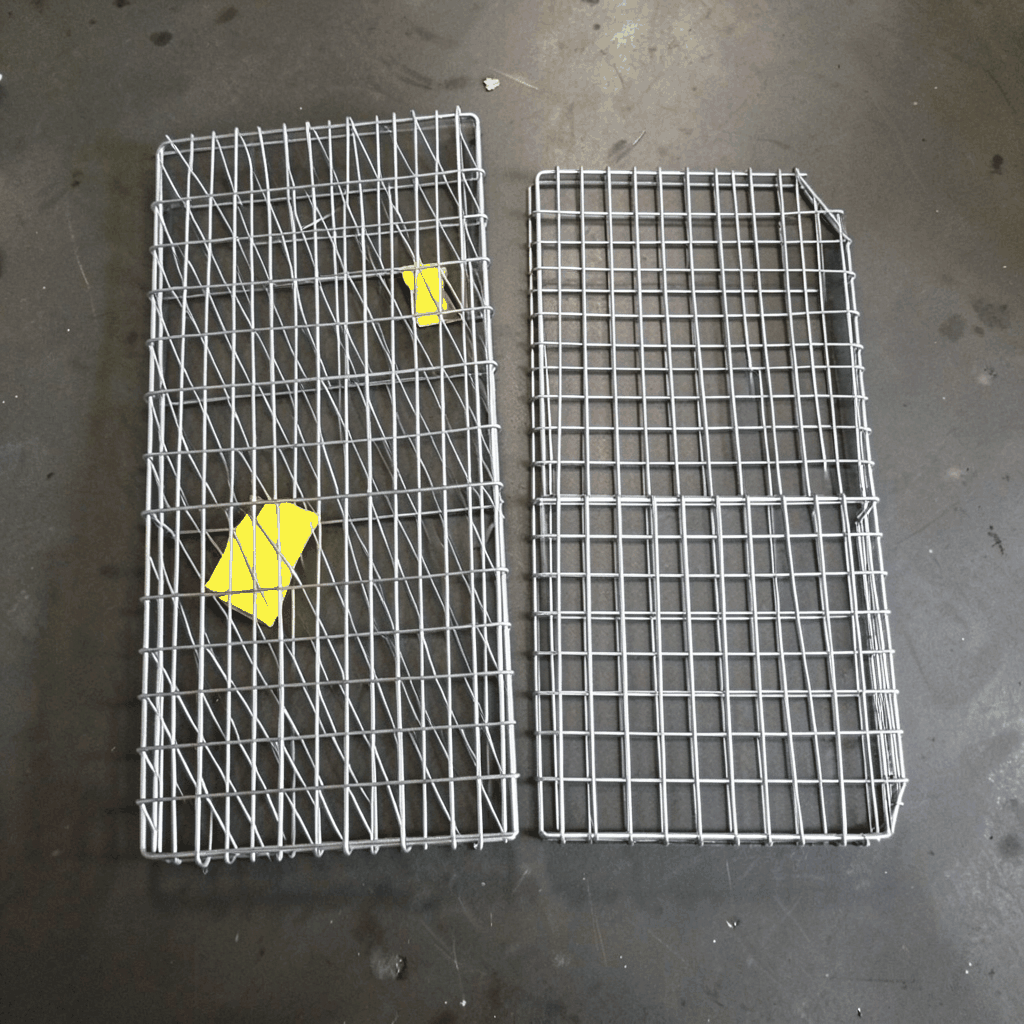
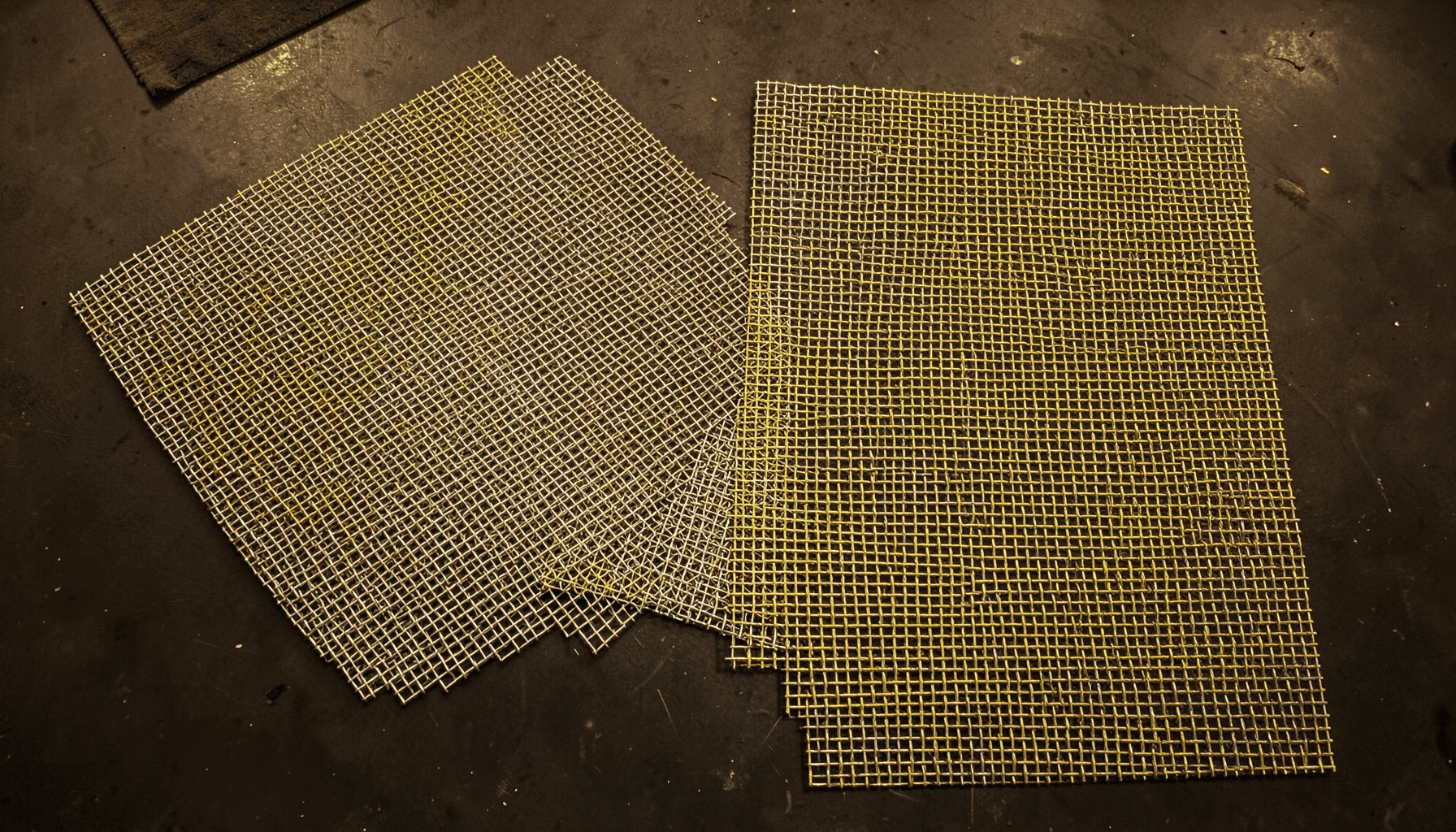
Welded iron mesh creates rigid intersections that help maintain panel shape. Woven versions can offer useful flexibility, while expanded metal provides a continuous surface with no loose wire ends at each opening. The correct pattern depends on whether the primary requirement is perimeter definition, intrusion resistance, visibility control, or ventilation.
Wire diameter and aperture size should be selected together. Smaller openings make climbing and reaching through the fence more difficult, while heavier wire increases resistance to cutting and deformation. Excessively fine mesh can raise costs and add weight without delivering meaningful security benefits, so engineering should reflect the actual risk profile of the site.
Corrosion Protection Extends Service Life
Uncoated iron is vulnerable to rust when exposed to rain, humidity, salts, chemicals, or standing water. This limitation does not eliminate iron mesh as a fencing material; it highlights the importance of selecting a suitable protective finish. Galvanizing, powder coating, paint systems, and combinations of these treatments can slow oxidation and preserve the fence’s structural performance.
Hot-dip galvanizing creates a zinc layer over the steel surface and is widely used for outdoor fencing. It is particularly useful where the fence will face regular moisture or where maintenance access is limited. Powder coating can then add color and an additional barrier, provided the substrate preparation and coating process are properly controlled.
The surrounding environment should guide the finish. Coastal sites, chemical plants, wastewater facilities, and areas exposed to de-icing salts require more careful corrosion planning than dry inland locations. Drainage, weld treatment, cut-edge protection, and separation from dissimilar metals also influence long-term results. A robust coating cannot compensate for poor detailing that traps water.
Flexible Fabrication And Site Adaptation
Industrial fencing rarely follows a perfectly straight line. It may need to accommodate slopes, corners, gates, inspection points, drainage channels, security lighting, or existing concrete foundations. Iron mesh is easy to cut, weld, frame, and form into panels that match these conditions.
Manufacturers can produce fence panels with different heights, widths, border frames, mounting plates, and support posts. Mesh can also be combined with angle iron, square tube, flat bar, or specialized security frames. This makes it suitable for temporary construction fencing as well as permanent perimeter systems.
The same material can serve several functions across one project. Heavy mesh panels may protect a plant boundary, medium-gauge partitions may separate work zones, and smaller mesh guards may shield motors, conveyors, or ventilation units. Standardized fabrication can simplify procurement while allowing dimensions to vary where the site requires it.
Iron mesh also works well with access-control hardware. Hinged gates, sliding gates, lock boxes, anti-climb extensions, and welded supports can be designed as part of one coordinated system. Accurate openings and strong attachment points help prevent the gate from becoming the weak point in an otherwise secure perimeter.
Comparing Materials For Industrial Perimeters
Material selection should consider the whole operating environment rather than purchase price alone. Stainless steel offers excellent corrosion resistance and a clean appearance, but its initial cost can be considerably higher. Aluminum is lightweight and naturally resistant to corrosion, though it may be less suitable for locations requiring high impact resistance. Iron and carbon steel generally provide a strong value proposition where a protective finish and routine inspection are acceptable.
Architectural projects may prioritize appearance more heavily than industrial yards. In those settings, stainless steel, aluminum, or copper mesh can provide distinctive visual effects. Designers evaluating façade applications can also review this resource on stainless steel facade guidance when material appearance and exterior durability are central concerns.
| Material | Main Advantages | Main Considerations | Suitable Uses |
|---|---|---|---|
| Iron or carbon steel | High strength, economical, easy to weld and customize | Requires corrosion protection and inspection | Industrial fencing, gates, machine guards, site partitions |
| Stainless steel | Excellent corrosion resistance, clean finish, long service potential | Higher purchase and fabrication cost | Coastal facilities, food plants, architectural barriers |
| Aluminum | Lightweight, corrosion resistant, easy to handle | Lower impact resistance than heavy steel in some designs | Decorative fencing, lightweight screens, controlled-access areas |
| Copper | Distinctive appearance, good formability | High material cost and natural surface color change | Decorative mesh, feature panels, specialty architecture |
| Expanded metal steel | Rigid continuous sheet, good visibility and ventilation options | Cutting and edge treatment require careful fabrication | Security screens, partitions, equipment enclosures |
A decision should also account for transportation, installation tools, replacement parts, and local fabrication capabilities. Iron mesh is often available through established supply chains, which can shorten lead times and make replacement panels easier to source. This practical availability is valuable when a damaged section must be restored quickly.
Security Performance Through Proper Design
A fence’s security level is shaped by more than its material. Height, opening dimensions, panel rigidity, post spacing, foundation depth, gate construction, and connection hardware all affect how difficult it is to climb, cut, lift, or force the barrier.
For general industrial boundary control, welded wire panels with moderate apertures may provide adequate visibility and deterrence. Higher-risk facilities may require smaller openings, heavier wire, anti-climb profiles, reinforced frames, or an additional topping system. Where surveillance is important, an overly dense screen can create blind spots, so security design should work with cameras and lighting rather than obstruct them.
Connections deserve close attention. Tamper-resistant fasteners, protected hinges, concealed fixings, and fully welded frames can reduce opportunities for unauthorized removal. Posts should be anchored to foundations capable of resisting wind loads and accidental impact. In areas with vehicle movement, guardrails or bollards may be needed to prevent a fence from absorbing direct traffic forces.
A well-designed fence also supports safe operations. It can keep personnel away from moving machinery, separate pedestrians from forklifts, restrict access to electrical equipment, and prevent stored materials from entering circulation routes. In this role, iron mesh is a practical safety partition as well as a security boundary.
Managing Cost Across The Fence Lifecycle
Initial price is one reason iron mesh remains popular, but its value comes from the complete lifecycle. Steel mesh is generally economical to manufacture in standard forms, and it can be produced in large quantities with consistent dimensions. Welding, bending, and framing processes are familiar to many fabricators, helping control production costs.
Installation can also be efficient when panels are prefabricated. Factory-made sections reduce on-site cutting and welding, improve alignment, and shorten labor time. Clearly defined post spacing and modular gate dimensions make it easier to estimate foundations, transport requirements, and installation equipment before work begins.
Maintenance should be included in the original specification. Periodic checks can identify scratches, damaged coatings, loose fasteners, bent posts, and early rust at welds or cut edges. Prompt touch-up prevents small defects from developing into larger repair areas. In harsh environments, the inspection interval should be shorter and the coating system more resistant.
Repairability is another advantage. A damaged iron mesh panel can often be removed and replaced without rebuilding the entire boundary. Localized welding, repainting, or post reinforcement may restore a section at a reasonable cost. This contrasts with systems that require specialized components or full-panel replacement after minor damage.
Recommendations For A Dependable Specification
A reliable industrial fence begins with clear performance requirements. Before requesting a quotation, identify the site conditions, expected service life, security risks, preferred visibility, access points, and available foundation type. These details help a manufacturer propose a system that is appropriately robust rather than unnecessarily heavy.
- Select wire diameter and aperture size according to impact, climbing, cutting, and visibility risks.
- Specify galvanizing, powder coating, or a compatible paint system for the site’s moisture and chemical exposure.
- Reinforce gates, corners, post connections, and vehicle-facing areas where stress is concentrated.
- Confirm panel dimensions, tolerances, fixing hardware, and foundation requirements before fabrication.
- Establish an inspection and touch-up schedule that matches the local climate and operating conditions.
Color and surface finish can also support site organization. Different coatings may distinguish pedestrian zones, restricted areas, emergency routes, or equipment enclosures. A clean, consistent finish improves the appearance of an industrial property while helping the fence integrate with buildings and other safety infrastructure.
Custom Manufacturing For Long-Term Results
A standard iron mesh panel may be suitable for a straightforward boundary, but custom manufacturing becomes valuable when the site includes unusual dimensions, changes in elevation, special gates, or demanding environmental exposure. Customization can address the details that determine whether the fence performs well after installation.
A manufacturer with experience in architectural and industrial mesh can coordinate material selection, mesh pattern, panel framing, surface treatment, and delivery requirements. This approach is useful when fencing must visually match cladding, screens, partitions, guardrails, or other metalwork across the same facility.
Quality control should cover raw material, mesh aperture, wire diameter, weld consistency, panel squareness, coating adhesion, and packaging. Proper packaging protects corners and finished surfaces during transport, while clear installation drawings reduce errors on site. These steps are simple, yet they have a direct effect on the final service life.
Iron mesh remains a reliable choice because it combines structural capability with practical adaptability. With suitable corrosion protection, sound detailing, and regular inspection, it can secure industrial boundaries without creating unnecessary cost or complexity.
For a project requiring durable fencing, gates, partitions, guards, or related metal mesh components, contact Shuo Ke Wire Mesh Product Technology Co., Ltd. with your dimensions, environment, security objectives, and finish requirements. A tailored specification can turn a basic perimeter into a dependable long-term asset.