
Why Iron Mesh Remains Cost-Effective for Heavy-Duty Industrial Fences
Industrial fencing must do more than define a property boundary. It may need to resist impact, discourage unauthorized entry, protect machinery, separate vehicles from pedestrians, and withstand weather, dust, vibration, and continuous site activity. For these demanding conditions, iron mesh remains a practical material because it combines structural strength with efficient manufacturing and straightforward installation.
The cost advantage is not based on the purchase price alone. A reliable fence should be evaluated across its service life, including fabrication, transport, coating, repairs, replacement, and the operational value of improved security. Welded iron mesh panels can perform well in each of these areas when the specification matches the site environment.
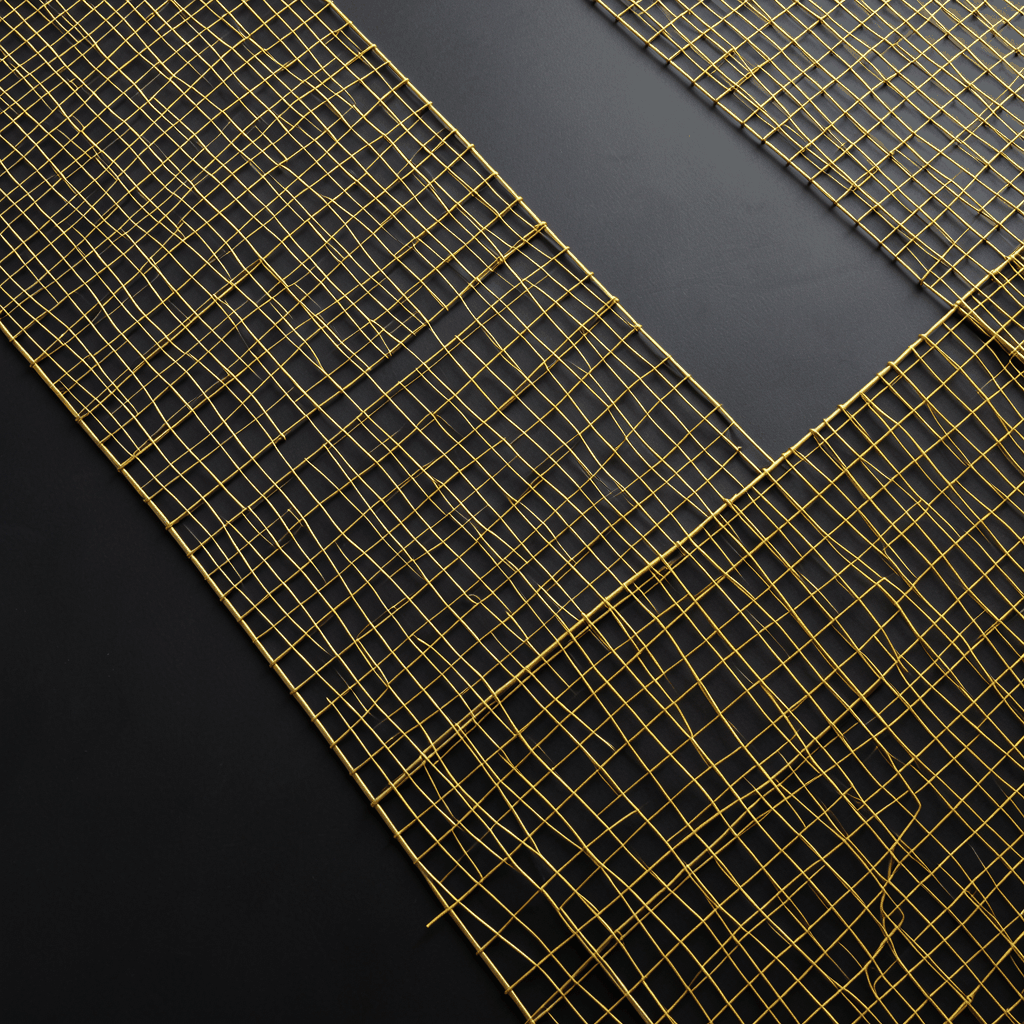
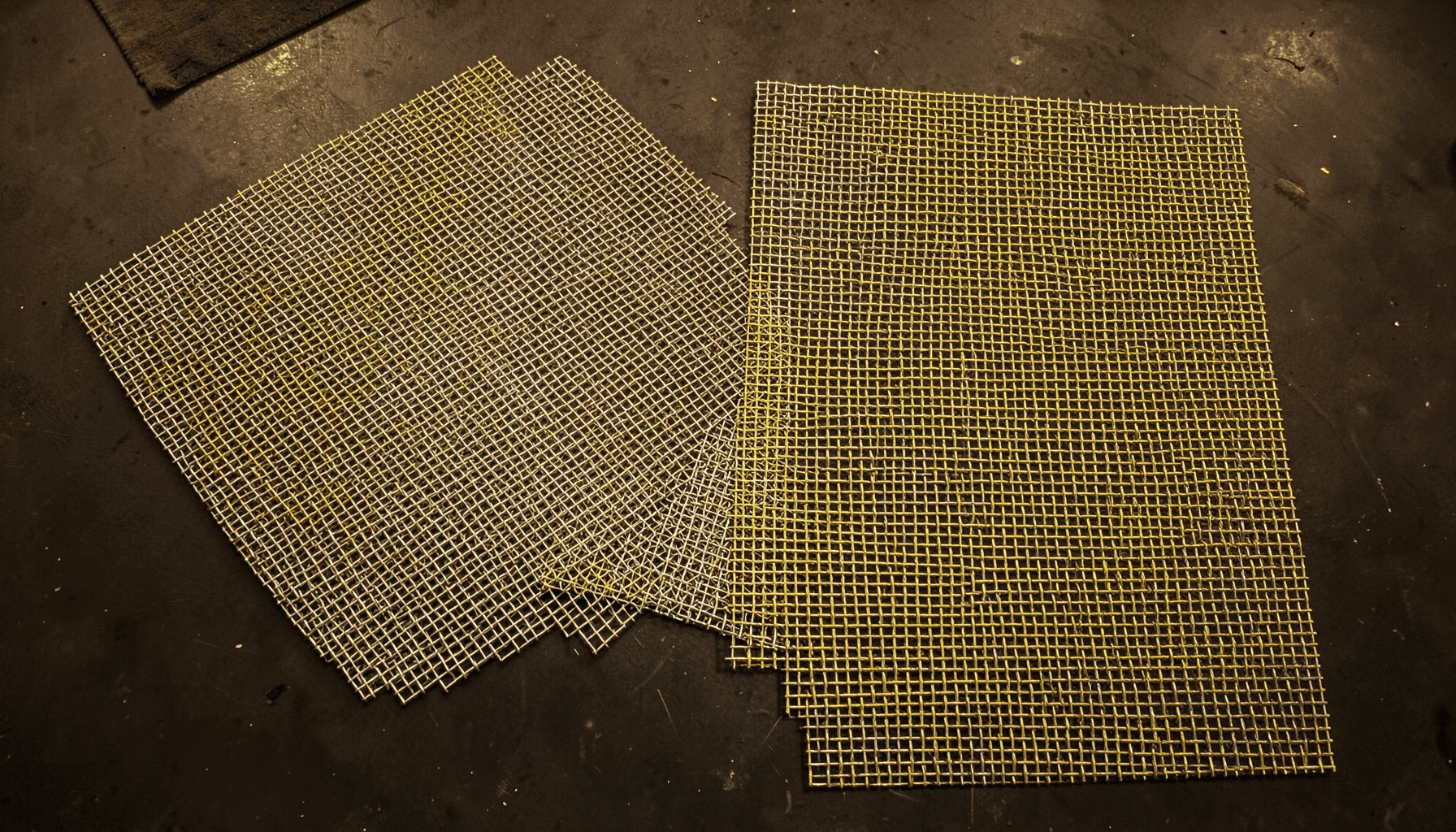
Iron fencing is also adaptable. It can be produced as welded wire mesh, expanded metal, rigid security panels, gates, guardrails, or reinforced barriers. This flexibility allows factories, warehouses, infrastructure sites, farms, utility compounds, and municipal facilities to select a configuration that balances protection, visibility, airflow, and budget.
Lower Material And Manufacturing Costs
Iron is widely available and generally less expensive than stainless steel, aluminum, and several specialized alloys. Its established supply chain supports competitive pricing for wire, sheet, tube, posts, frames, and fabricated fence components. Large industrial projects can therefore obtain consistent quantities without paying a premium for materials that may exceed the site’s actual performance requirements.
Manufacturing processes for iron mesh are also highly developed. Welding, cutting, bending, punching, and forming can be completed with standard industrial equipment. Repeated panel sizes are particularly economical because automated production reduces labor time and material waste. This advantage becomes significant when a project requires hundreds of linear meters of perimeter fencing.
The open structure of mesh further improves material efficiency. Compared with a solid steel wall, a mesh fence uses less metal while still creating a durable physical barrier. The design allows air and light to pass through, reducing wind loading and lowering the need for oversized foundations or heavily reinforced support structures in suitable locations.
Strength For Demanding Environments
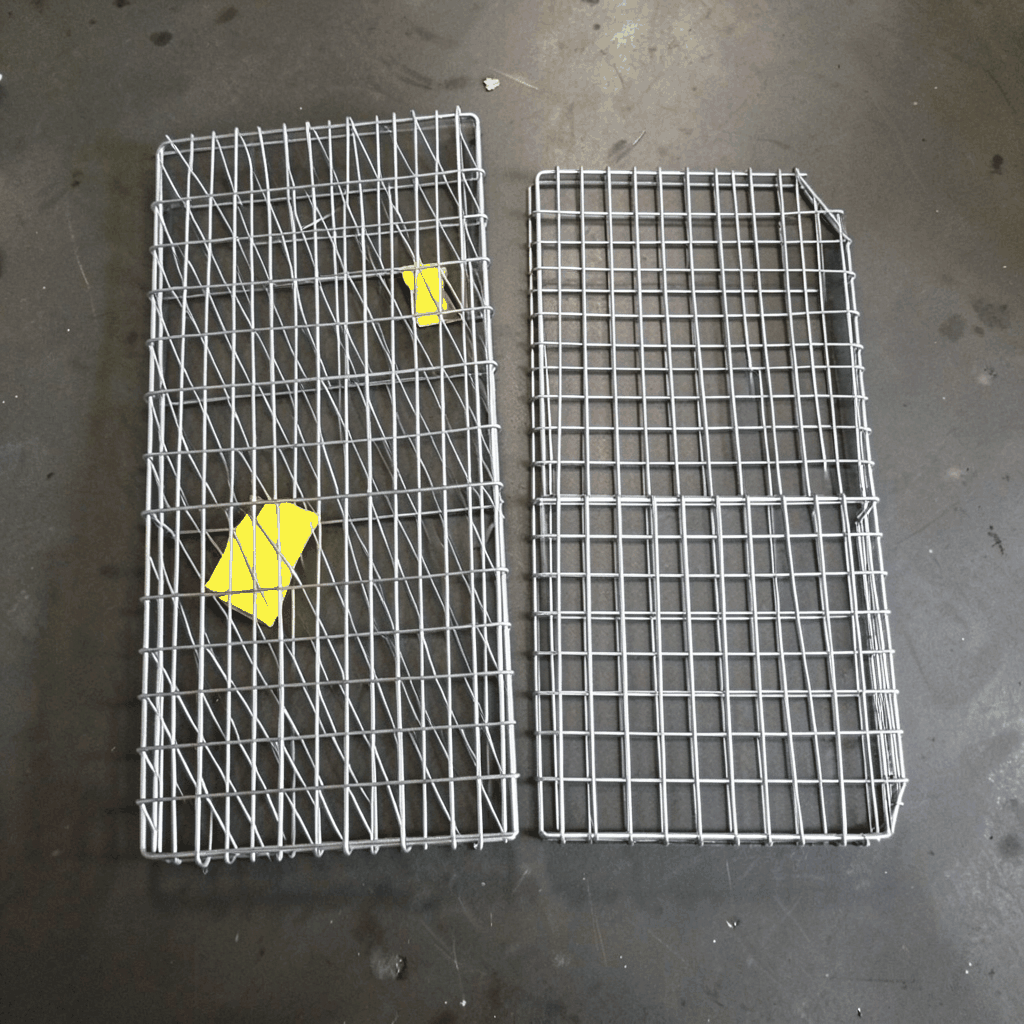
Heavy-duty iron mesh is valued for its load-bearing performance and resistance to deformation. Welded intersections distribute force across the panel, making it more difficult for an intruder to bend, separate, or cut through the fence. A properly selected wire diameter, aperture size, panel profile, and post spacing can create a barrier suited to industrial traffic and security risks.
The fence specification should reflect the type of threat it will face. A low-risk storage yard may need standard welded panels, while a power station, rail facility, or logistics compound may require smaller openings, heavier wire, anti-climb features, reinforced posts, and tamper-resistant fasteners. Iron mesh can accommodate these variations without requiring a completely different construction system.
Industrial fencing must also tolerate accidental contact. Forklifts, carts, maintenance equipment, and moving vehicles can strike boundary sections during normal operations. Rigid mesh panels may flex slightly under impact while retaining their overall shape, and individual damaged sections can often be removed and replaced without dismantling the entire perimeter.
Long-Term Value And Maintenance
Iron naturally requires protection against corrosion, particularly in humid, coastal, chemical, or outdoor environments. A suitable surface treatment changes the long-term cost calculation. Hot-dip galvanizing creates a zinc barrier that protects exposed steel, while powder coating can add color, improve appearance, and provide an additional protective layer. In many industrial applications, galvanized and powder-coated iron mesh offers a strong balance between price and service life.
Maintenance is easier when the fence uses modular panels, accessible fixings, and standardized posts. A damaged panel, hinge, bracket, or gate component can be replaced locally instead of sending the entire system for repair. Routine inspections should focus on coating damage, rust at cut edges, loose fasteners, settlement around posts, and areas exposed to standing water.
The total ownership cost also includes cleaning and repainting. Iron mesh has a simple geometry that is easier to inspect than complex solid cladding or decorative structures. When small coating failures are treated promptly, the repair is usually less expensive than replacing sections after corrosion has spread through the material.
Practical Security And Site Design
A mesh fence supports security without creating a visually closed compound. Security teams can see activity along the perimeter, surveillance cameras can monitor the boundary, and natural or installed lighting can cover a larger area. Airflow is preserved as well, which benefits sites containing ventilation equipment, generators, cooling systems, or stored materials that should not be enclosed by a wind-catching wall.
Different configurations serve different industrial purposes. High-security welded panels can protect restricted zones, while heavier iron mesh gates control vehicle access. Internal partitions can separate production areas, hazardous work zones, loading bays, and pedestrian routes. Guardrails and machine barriers can use related mesh products, helping a facility maintain a consistent inventory of posts, clips, brackets, and replacement panels.
The appearance of iron mesh can also be adapted to the surrounding environment. Standard black, green, or gray coatings are common for utility and industrial properties, while custom colors can support corporate identification or municipal design guidelines. Manufacturers that handle both architectural and industrial products can coordinate fencing with gates, screens, partitions, and other metal elements. A custom mesh manufacturer can also help align aperture, coating, dimensions, and fabrication details with the project’s operating conditions.
Comparing Materials For Industrial Fencing
Material selection should be based on corrosion exposure, structural demand, appearance, expected service life, and available maintenance resources. Stainless steel is highly resistant to corrosion and suitable for aggressive environments, but its initial cost may be difficult to justify for a dry inland yard. Aluminum is lightweight and easy to handle, yet it may require different structural dimensions where impact resistance is important.
Iron provides a useful middle position. It is stronger and usually more economical than aluminum for robust barriers, while costing substantially less than stainless steel. Its main limitation is corrosion management, which can be addressed through galvanizing, coating selection, drainage design, and regular inspection.
| Material | Initial Cost | Strength For Heavy Duty Use | Corrosion Protection | Typical Industrial Fit |
|---|---|---|---|---|
| Iron or carbon steel mesh | Low to moderate | High | Requires galvanizing, coating, or paint | Factories, warehouses, yards, utilities |
| Stainless steel mesh | High | High | Excellent in many environments | Chemical plants, coastal or hygienic sites |
| Aluminum mesh | Moderate | Moderate | Naturally resistant to corrosion | Lightweight partitions and lower-impact boundaries |
| Expanded metal steel | Low to moderate | High | Usually galvanized or coated | Security screens, barriers, equipment enclosures |
| Welded steel panel systems | Moderate | High | Depends on finish and edge treatment | Perimeter security and controlled-access zones |
For many projects, galvanized iron mesh is the most economical starting point because it offers dependable mechanical performance without the expense of premium alloy construction. Stainless steel becomes more attractive where salt spray, chemicals, sanitation requirements, or appearance justify the additional investment.
Specification Choices That Control Cost
A cost-effective fence is not simply the lightest fence available. Undersized wire, weak posts, or oversized apertures may reduce the initial quotation but lead to bending, repairs, security gaps, or early replacement. Engineering the system around actual conditions prevents this false economy. Important inputs include fence height, span length, wind exposure, impact risk, soil type, gate frequency, and required anti-climb performance.
Aperture size affects both security and material consumption. Smaller openings improve resistance to hand access and cutting tools, but they use more wire and can increase the panel price. Larger openings may be suitable for general boundary control, animal containment, or internal separation. The correct balance depends on the asset being protected and the consequences of unauthorized access.
Post design and foundation quality deserve equal attention. Even a strong mesh panel can fail if posts are too widely spaced or poorly anchored. Concrete footings should account for soil stability, frost or water conditions where relevant, and the forces created by gates and corners. Using standardized panel widths can simplify installation and reduce offcuts, while custom fabrication may be worthwhile around irregular boundaries or existing structures.
Recommendations For A Reliable Fence Budget
The following practices help industrial buyers preserve the cost benefits of iron mesh while achieving dependable performance:
- Match wire diameter, aperture, panel height, and post spacing to the site’s security and impact requirements.
- Select hot-dip galvanizing, powder coating, or a compatible multi-layer finish according to humidity, salt exposure, chemicals, and maintenance capacity.
- Use modular panels and standardized fittings so damaged components can be replaced without rebuilding long fence runs.
- Reinforce corners, vehicle gates, pedestrian gates, and areas exposed to loading equipment or frequent contact.
- Request drawings, coating details, tolerances, and test information before approving a large production order.
Iron mesh remains a financially sound choice when its design is treated as an engineered security system rather than a commodity barrier. Its accessible raw material cost, efficient fabrication, repairable construction, and broad range of configurations make it suitable for many heavy-duty industrial fence applications.
For a new perimeter, replacement project, or mixed industrial protection system, begin with a site-specific specification and compare lifecycle costs rather than quotations alone. Share the required dimensions, mesh type, finish, access points, and operating environment with a qualified metal mesh producer to develop a durable solution that protects the property without unnecessary material expense.