
Why Stainless Steel Leads Brewing Filtration Mesh
Brewing depends on controlled separation at many stages, from removing grain particles and hop matter to clarifying wort, beer, and cleaning liquids. The filter must retain solids accurately while allowing the desired liquid to pass at a predictable rate. Material selection therefore affects product quality, sanitation, equipment life, and operating cost.
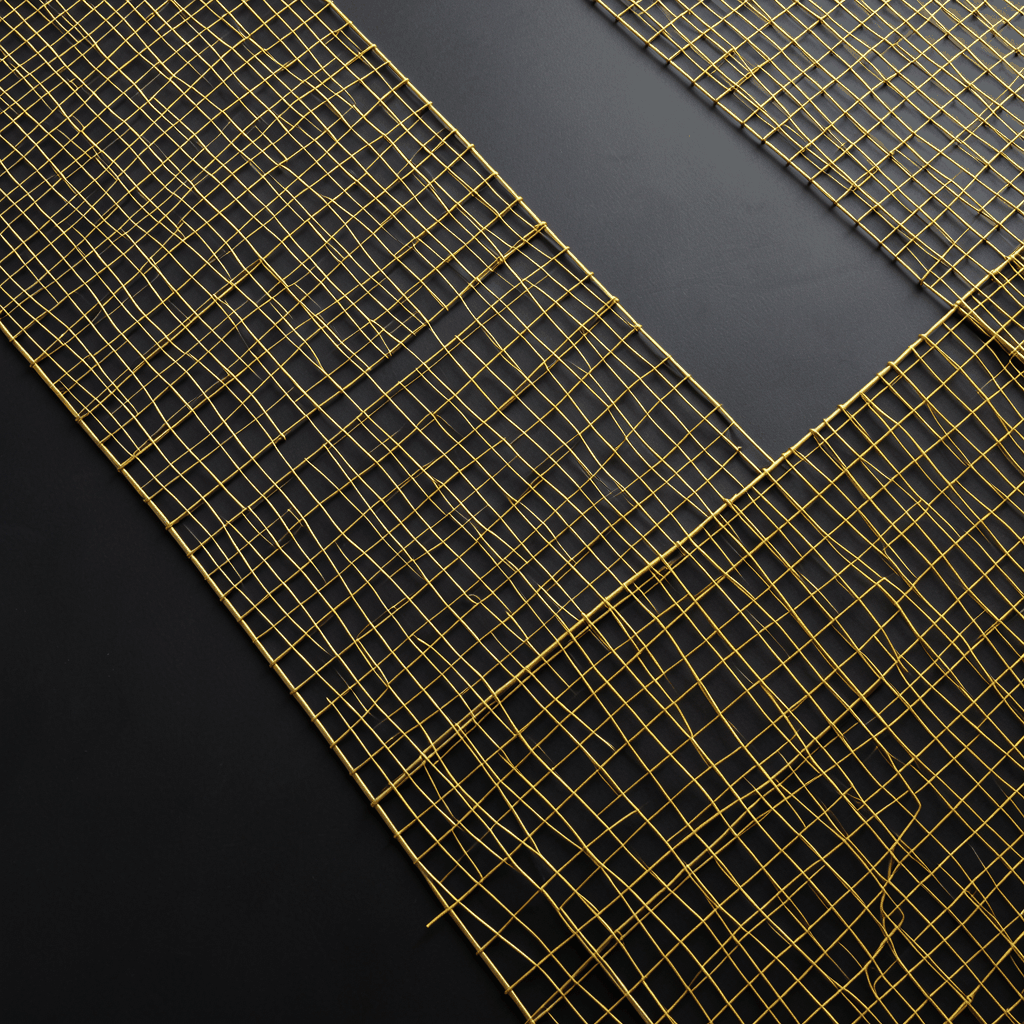
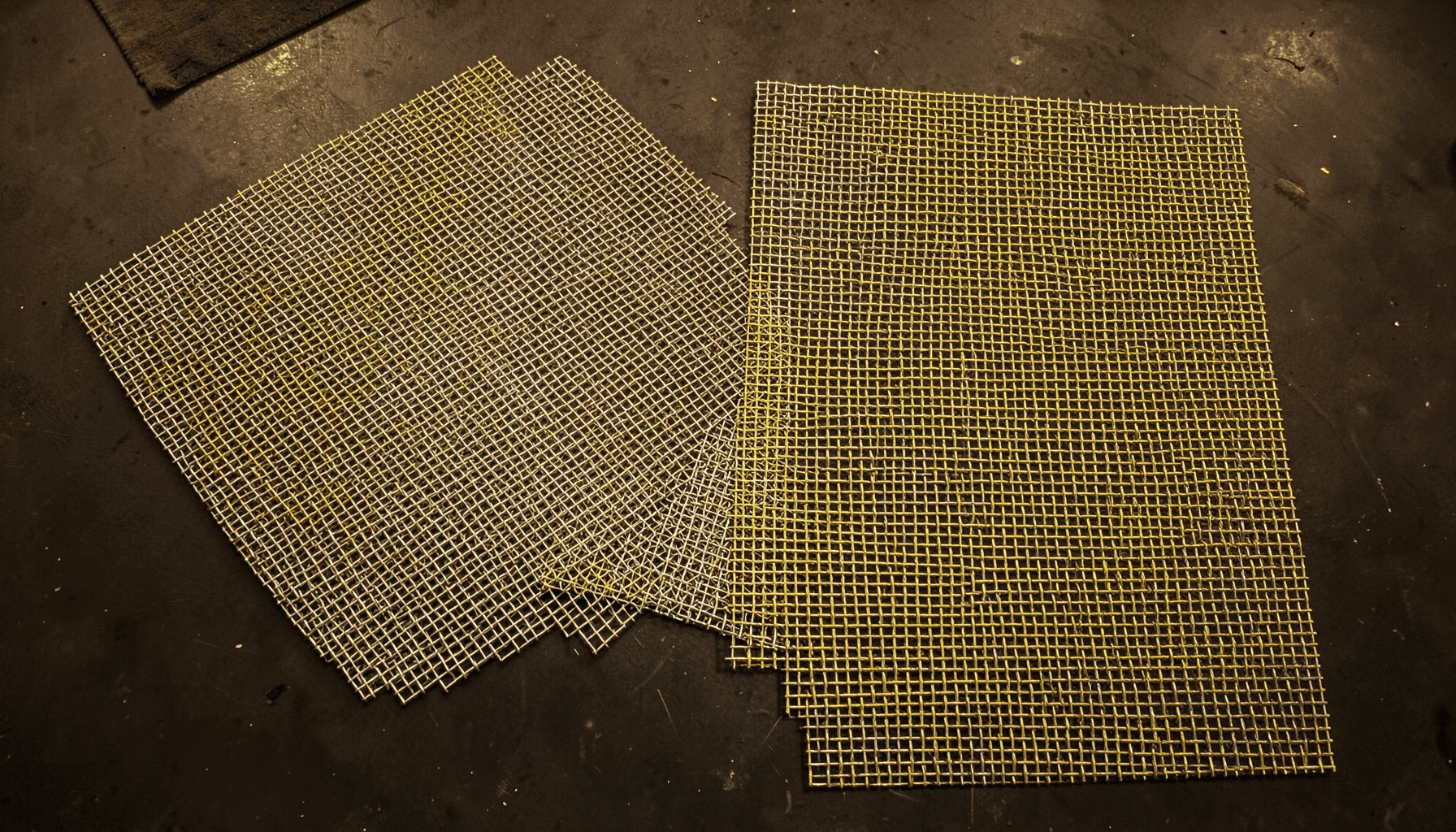
Stainless steel has become the standard mesh material for brewing filters because it combines food-contact suitability with mechanical strength and corrosion resistance. Woven wire cloth, perforated components, filter baskets, and fabricated screens can all be produced from stainless alloys to match different filtration duties.
The best specification depends on the process, rather than on mesh count alone. Brewers must consider alloy grade, wire diameter, opening size, surface finish, pressure, temperature, cleaning chemicals, and the shape of the finished filter. A well-designed stainless steel filter can provide reliable performance through repeated production cycles.
Why Brewers Need Stable Filtration
Brewing filters operate in environments where liquid composition changes frequently. Water, wort, beer, yeast, hop oils, proteins, sugars, and cleaning solutions may all contact the same filter during a production day. A material that reacts with the process or sheds particles can compromise flavor, appearance, and hygiene.
Stainless steel offers a stable, non-porous surface that does not absorb moisture or retain organic residues in the way some porous materials can. When the mesh is correctly manufactured and cleaned, it provides a consistent barrier between the retained solids and the filtered liquid. This supports repeatable clarification and helps breweries maintain the same process conditions from batch to batch.
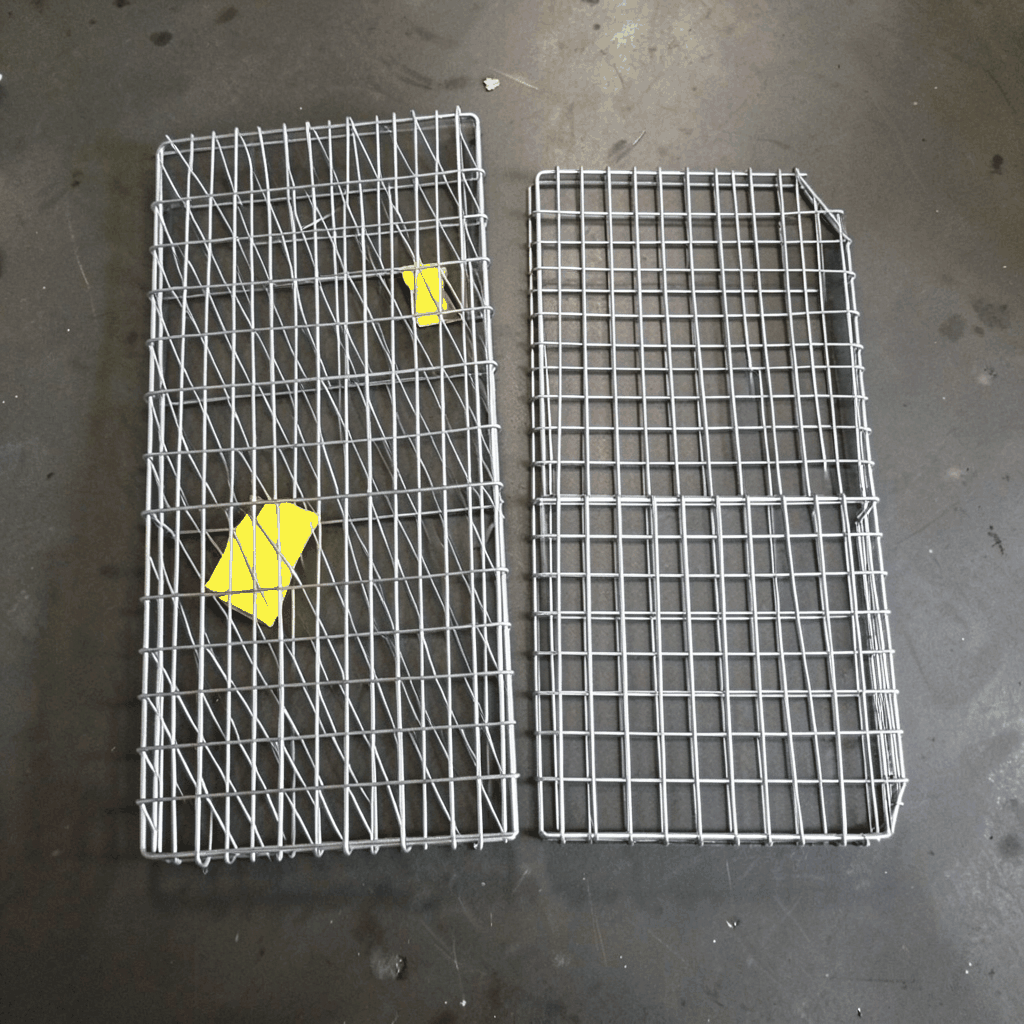
The material is also suitable for different filter geometries. Flat screens can be installed in lauter tuns and mash systems, while cylindrical baskets, conical inserts, and custom frames can serve tanks, transfer lines, and filtration housings. This adaptability allows the mesh to be engineered around the equipment instead of forcing the equipment to accommodate a limited filter format.
Food Contact and Cleanability
A brewing filter must be easy to wash because residue can become a source of contamination, off-flavors, or microbial growth. Stainless steel has a smooth, dense surface that supports clean-in-place and manual sanitation procedures. Properly finished mesh gives deposits fewer places to lodge, helping cleaning agents reach the working surface.
The most widely used grades for brewing applications include 304 and 316 stainless steel. Grade 304 is suitable for many general brewery conditions, including grain separation, hop filtration, and standard liquid handling. Grade 316 contains molybdenum, which improves resistance to chlorides and more aggressive chemical exposure. It can be a better choice where water quality, sanitizer concentration, or cleaning conditions create greater corrosion risk.
Surface finish matters as much as alloy selection. Rough welds, damaged wires, crevices, and poorly finished edges can retain residues even when the base material is corrosion resistant. A dependable filter should have clean joints, accurately formed edges, and a finish appropriate for repeated washing. In high-hygiene systems, welded mesh may also be ground and polished to reduce points where contamination can accumulate.
Stainless steel’s corrosion performance depends on the environment and maintenance routine. The relationship between alloy, exposure, and surface condition is explained in this guide to coastal durability, and the same basic principle applies in breweries: selecting a suitable grade and protecting the surface helps preserve long-term performance.
Strength Under Pressure and Heat
Filtration can generate substantial mechanical stress. A screen may support a deep bed of spent grain, hold a heavy load of hop material, or resist pressure differences as liquid moves through restricted openings. Thin or poorly supported filter media can deform, collapse, or develop enlarged openings, changing the separation result.
Stainless steel wire mesh provides a useful combination of tensile strength and dimensional stability. Wire diameter, weave pattern, support spacing, and frame construction can be adjusted to match the expected load. Plain weave is often selected for straightforward filtration, while heavier designs or reinforced assemblies may be used when the screen must withstand pressure, vibration, or repeated handling.
Temperature stability is another advantage. Brewing systems commonly expose components to hot water, wort, steam, and heated cleaning cycles. Stainless steel retains its structural properties across these temperature changes and is less likely to soften, warp, or degrade than many polymer-based alternatives. This helps maintain a consistent aperture during hot-side processing.
The filter still needs proper support. A strong mesh can fail if it spans an excessive distance or is mounted with weak welds and thin frames. Engineering the complete assembly—including backing grids, support rings, handles, and connection points—is essential when the filter will operate under high flow or pressure.
Precision, Flow, and Surface Finish
Filtration performance depends on the relationship between open area and particle retention. A very fine mesh can improve clarity but may restrict flow and block quickly. A coarse screen allows faster drainage but may let unwanted solids pass through. Stainless steel mesh can be manufactured across a broad range of aperture sizes, making it practical for both rough separation and fine clarification.
Mesh count describes the number of openings per linear inch, but it does not provide the full specification. Wire diameter also affects the opening size, open-area percentage, strength, and pressure drop. Two screens with the same mesh count may perform differently if their wire gauges are not the same. Brewers should therefore specify the actual opening, wire diameter, material grade, and tolerance when filtration consistency is important.
| Brewing requirement | Suitable stainless steel approach | Main benefit |
|---|---|---|
| Grain and husk separation | Heavier woven mesh with structural support | Load-bearing strength and stable drainage |
| Hop and trub removal | Medium opening mesh or perforated screen | Balanced flow and solids retention |
| Fine clarification | Fine woven wire cloth with adequate support | More precise particle capture |
| Filter basket service | Welded or framed stainless assembly | Easy removal and repeated cleaning |
| Chloride-rich water or aggressive cleaning | 316 stainless steel | Improved corrosion resistance |
| High-temperature processing | Stainless mesh with polished, reinforced edges | Dimensional stability and sanitation |
Flow behavior also depends on the shape of the filter and the distribution of liquid across its surface. A large flat screen may need support ribs to prevent deflection, while a cylindrical basket can increase active area inside a compact housing. Custom fabrication helps eliminate dead zones and makes it easier to position the filter where the process needs it.
Why Stainless Steel Outperforms Alternatives
Plastic filter media can be lightweight and economical, but high temperatures, solvents, pressure, and repeated sanitation may limit its service life. Some plastics can deform or become brittle, while their surface properties may change after extended chemical exposure. They may still be suitable for selected low-temperature applications, but they require careful compatibility testing.
Copper has a long history in brewing equipment and can provide useful thermal and antimicrobial characteristics. However, copper is more vulnerable to oxidation and chemical attack in some conditions, and excessive copper exposure may affect beer chemistry. It also requires disciplined cleaning and maintenance. Aluminum is light and easy to form, yet it can be less suitable for aggressive alkaline cleaners or acidic process liquids.
Carbon steel and galvanized steel offer strength at a lower initial cost, but their protective layers can wear or deteriorate. Rust, coating damage, and metallic contamination are serious concerns in wet food-processing environments. Stainless steel avoids the need for a separate protective coating, so its corrosion resistance is built into the material rather than dependent on an external finish.
| Material | Corrosion resistance | Temperature performance | Cleaning durability | Typical brewing suitability |
|---|---|---|---|---|
| 304 stainless steel | High in general conditions | Excellent | Excellent | General filtration and brewery equipment |
| 316 stainless steel | Very high, especially with chlorides | Excellent | Excellent | Aggressive cleaning and demanding water conditions |
| Copper | Moderate and condition-dependent | Excellent | Requires careful maintenance | Selected traditional or specialized equipment |
| Aluminum | Moderate | Good | Limited by chemical exposure | Lightweight, lower-stress applications |
| Polymer mesh | Depends on polymer type | Limited to rated range | Variable | Low-temperature or disposable filtration |
| Carbon steel | Low without coating | Good | Poor after coating damage | Generally unsuitable for direct wet contact |
Cost should be evaluated over the full service life rather than by purchase price alone. A stainless filter that lasts through many wash cycles, retains its shape, and can be repaired or remounted may cost less to operate than a cheaper component that needs frequent replacement.
Choosing and Specifying the Filter
A reliable specification connects the filter to actual process conditions. The brewery should identify the liquid being filtered, the solids to be retained, the target flow rate, maximum temperature, operating pressure, cleaning chemicals, and available space. These details guide the selection of alloy, opening size, weave, thickness, and support structure.
Custom metal mesh manufacturers can produce filter panels, baskets, cylinders, guards, and framed assemblies for particular tanks or processing lines. A manufacturer experienced with stainless steel fabrication can also advise on welding, edge treatment, reinforcement, and tolerances. This is especially valuable when a replacement filter must match existing equipment or when the design includes unusual dimensions.
Useful recommendations for specifying a brewing filter include:
- Select 304 stainless steel for general brewery service and consider 316 where chlorides or aggressive chemicals are a concern.
- Define the required particle retention and flow rate before choosing mesh count or aperture size.
- Include wire diameter, open-area percentage, frame dimensions, and support spacing in the technical drawing.
- Request smooth welds, clean edges, and a finish compatible with the brewery’s sanitation procedure.
- Test the finished filter under realistic temperature, pressure, and cleaning conditions before full-scale production.
Inspection should cover aperture consistency, flatness, weld quality, frame alignment, and surface cleanliness. For critical filtration stages, sample testing can confirm that the filter meets the intended retention and throughput targets. Documentation of material grade and dimensions also makes future replacement easier.
Custom Stainless Mesh for Brewing Systems
Breweries often need more than a sheet of wire cloth. A filter may need a lifting handle, reinforced rim, perforated backing, mounting flange, or shaped profile that fits a specific vessel. These details influence how quickly the component can be installed, cleaned, inspected, and removed for maintenance.
Shuo Ke Wire Mesh Product Technology Co., Ltd. manufactures and processes stainless steel mesh products for industrial and architectural applications, with capabilities that can support customized filter baskets, screens, panels, and related metal components. Material selection, forming, welding, and dimensional control can be coordinated around the operating requirements of a brewing system.
Stainless steel remains the preferred choice because it brings together hygienic performance, mechanical reliability, corrosion resistance, and design flexibility. When the alloy and mesh structure are matched to the process, the filter becomes a durable part of the production system rather than a disposable restriction in the flow path.
Contact Shuo Ke Wire Mesh Product Technology Co., Ltd. with the filter dimensions, required opening, operating temperature, pressure, cleaning method, and material preference. Its engineering team can help develop a stainless steel mesh component suited to the brewery’s equipment and production demands.