Wire mesh covers for protecting skylights from impact and debris
Skylights bring natural light into warehouses, workshops, shopping centres, homes and agricultural buildings, yet their exposed position leaves them vulnerable to falling branches, hail, tools, roof materials and accumulated debris. A suitable wire mesh cover creates a protective barrier above the glazing, helping reduce the likelihood of cracking, puncturing or costly replacement.
A skylight guard must be designed as part of the roof system rather than treated as a simple piece of mesh placed over a fragile panel. The correct material, aperture, support frame, fixing method and clearance all affect performance. For Australian properties, the design also needs to account for intense sun, coastal salt, strong winds, bushfire-prone surroundings and the requirements that apply to safe roof access.
Why skylights need a protective barrier
Rooflights are often made from polycarbonate, acrylic, fibreglass or glass. These materials provide useful daylight, but their resistance to impact varies significantly. A branch dropped during a storm or a loose object blown across a roof can damage the glazing. In industrial buildings, maintenance equipment and hand tools create additional hazards around roof access points.
Leaves, bark, dust and bird nesting materials can also collect on a skylight. This reduces daylight and may block drainage paths around the panel. Organic debris can retain moisture against metal flashings and accelerate corrosion, particularly in humid coastal locations such as Brisbane, Newcastle, Perth and Darwin. A raised debris screen allows the rooflight to remain visible and serviceable while reducing direct contact with falling material.
A guard can also help control the consequences of accidental contact during maintenance. It should never be assumed that any mesh cover automatically provides fall-through protection. A person can fall through a poorly supported screen, and a cover that is suitable for debris protection may not be rated for a worker’s weight or a concentrated impact. Where people may work near a rooflight, the complete arrangement should be assessed by a qualified building or structural professional.
Choosing mesh for Australian conditions
Stainless steel is a strong choice for exposed skylight guards, especially on coastal properties or sites that are washed frequently. Grades such as 304 and 316 are commonly considered for architectural and industrial applications, with 316 generally offering better resistance in salt-laden environments. The appropriate grade depends on the site, pollutants, cleaning regime and contact with other metals.
Galvanised steel can provide economical protection for many inland industrial buildings, while aluminium offers low weight and good resistance to atmospheric corrosion. Copper and other decorative alloys may suit feature architecture, although their appearance changes naturally over time. In areas affected by salt spray, selecting a material solely by initial price can lead to higher maintenance and replacement costs.
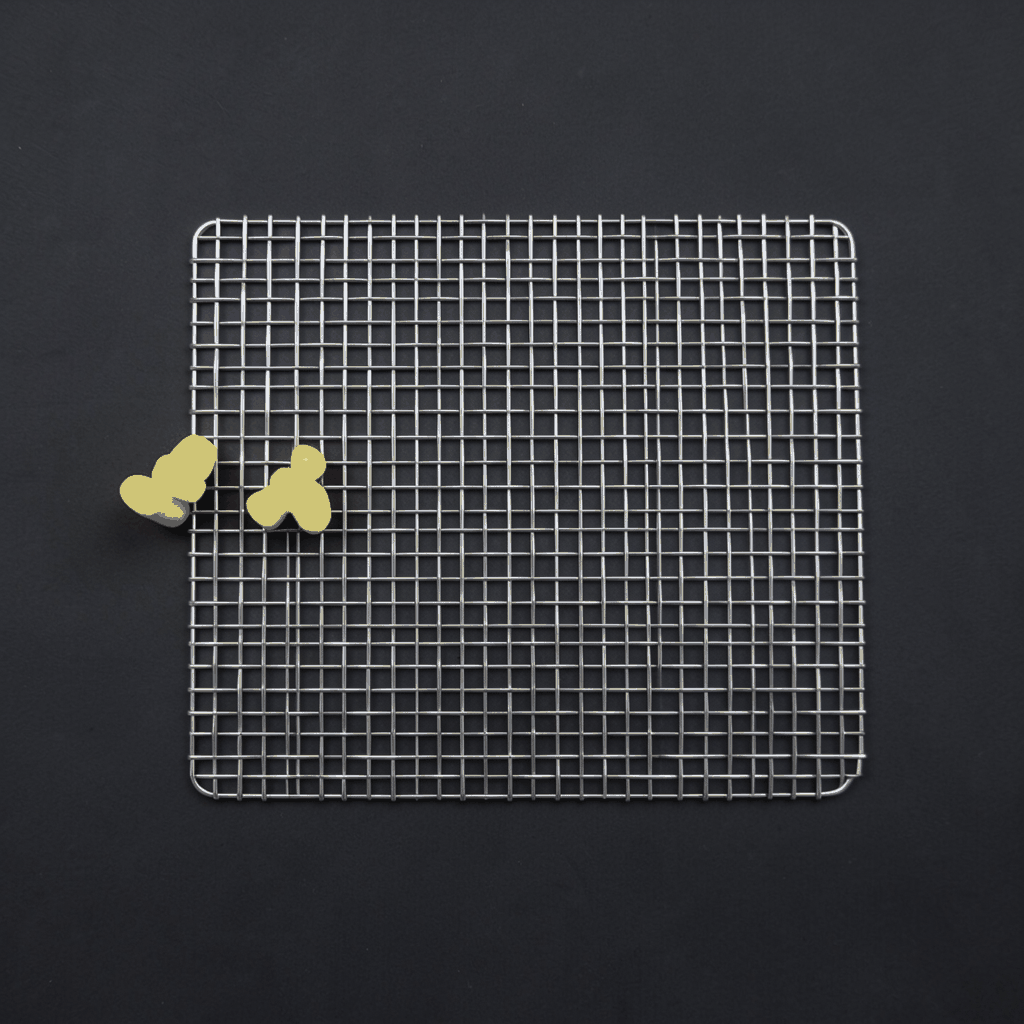
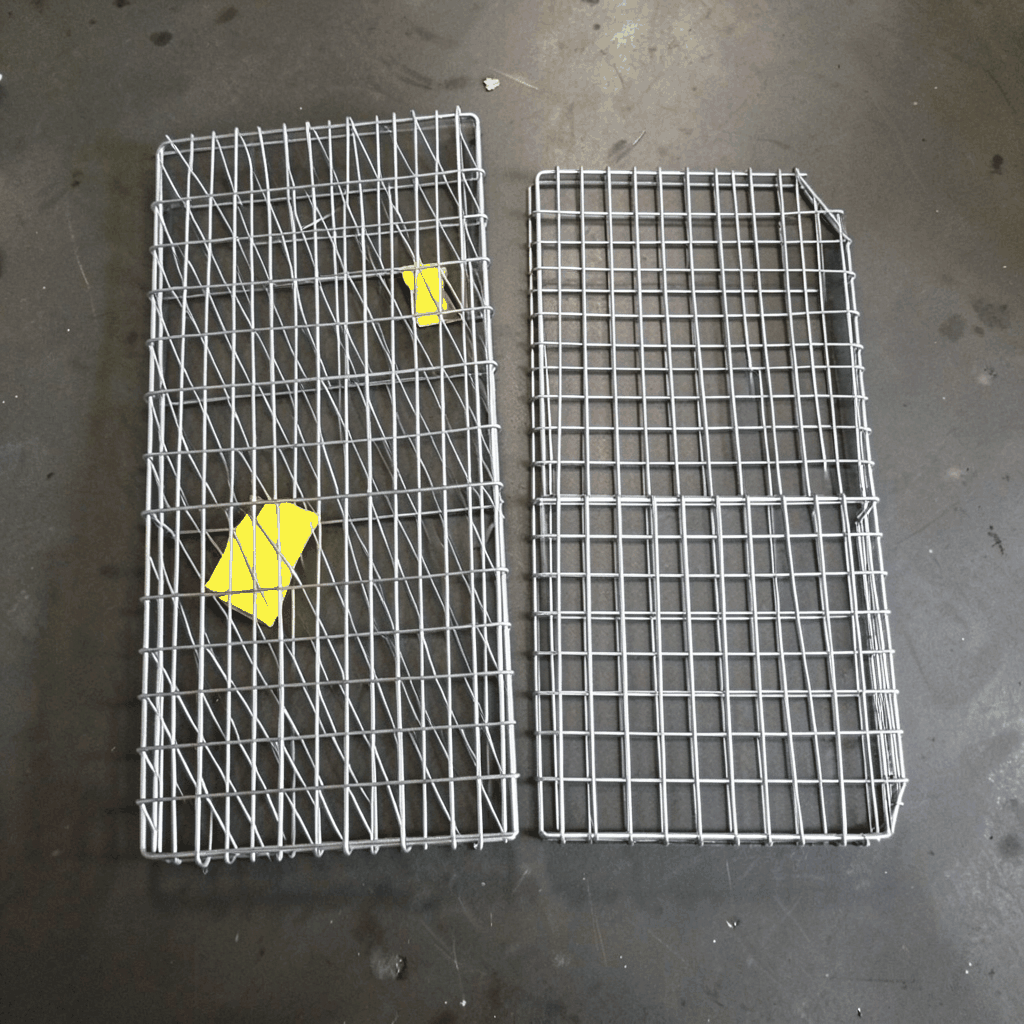
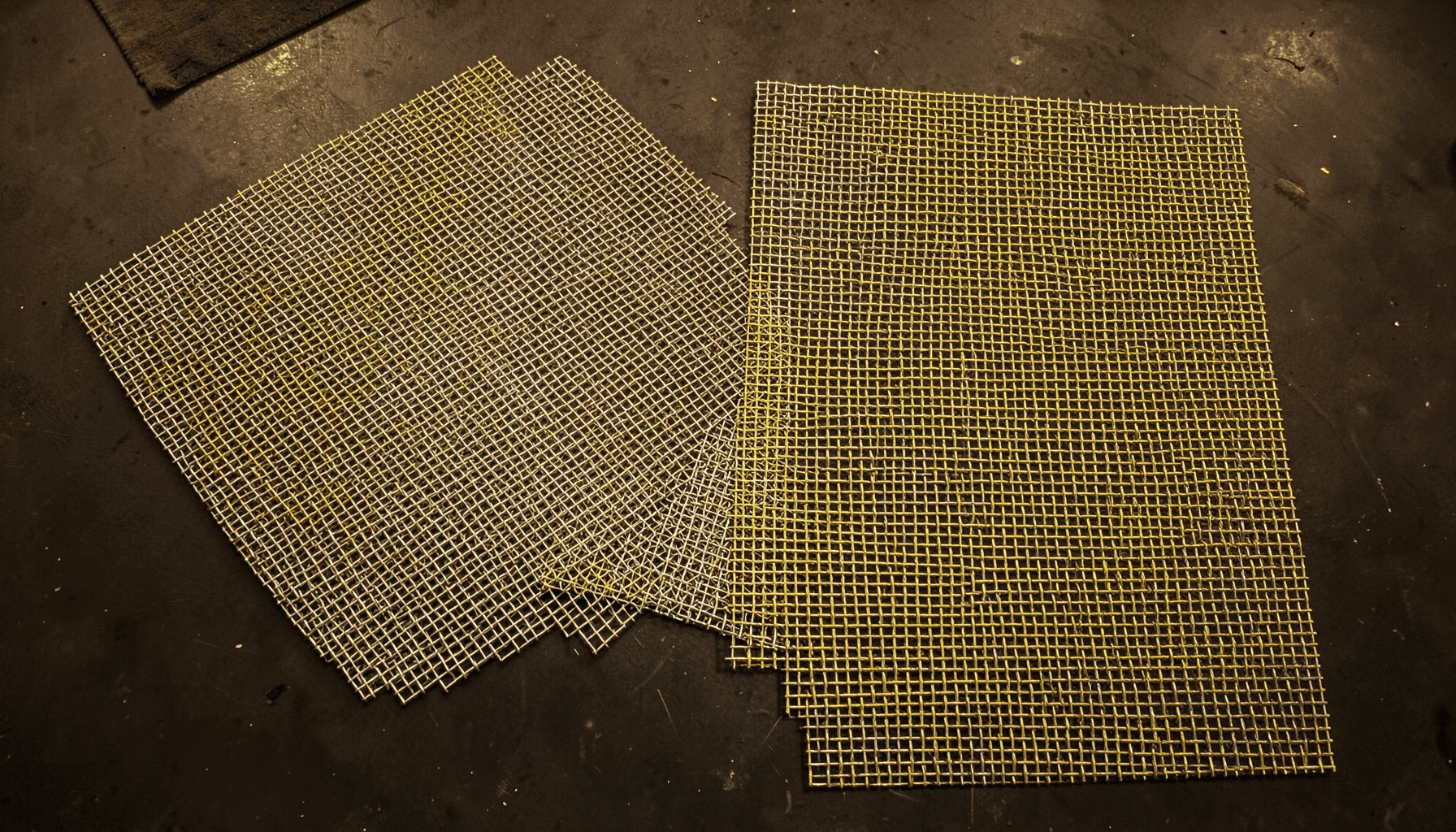
Mesh aperture and wire diameter need to match the expected hazard. A small opening helps prevent leaves, hail and smaller fragments from reaching the skylight, while a heavier wire or welded panel provides greater resistance to impact and distortion. Expanded metal, woven wire mesh and welded wire panels each have different stiffness and visual qualities. The most effective solution depends on whether the priority is heavy-duty protection, fine debris control, ventilation or a low-visibility finish.
Designing a cover that works with the roof
A skylight protector should normally be raised above the glazing rather than resting directly on it. This clearance creates a sacrificial zone that absorbs or deflects debris before it reaches the rooflight. It also permits airflow and leaves space for inspection, washing and replacement of the glazing panel. Sharp edges, exposed cut ends and points that can trap debris should be avoided.
The frame may be fabricated from angle, channel, flat bar, tube or formed sections, depending on the span and fixing arrangement. It must transfer loads safely into the roof structure, not merely into the skylight frame. Fixings should be compatible with the roof material and sealed against water entry. Isolating dissimilar metals can help reduce galvanic corrosion, an important detail when stainless steel, aluminium, galvanised steel and coated roofing are used together.
Wind uplift deserves particular attention in exposed Australian locations. A mesh guard adds surface area and can become a source of concentrated load at its fixings during severe weather. Buildings in northern Queensland, the Northern Territory and parts of Western Australia may require consideration of cyclone wind actions, while coastal and elevated sites elsewhere can also experience strong gusts. Structural calculations should consider the local wind classification, roof form, edge zones and the weight of debris that may become trapped.
Safety, compliance and maintenance requirements
The National Construction Code provides the broader framework for building safety in Australia, but the exact requirements for a skylight guard depend on the building classification, roof design and use of the space. A guard used near a workplace may also fall within state or territory work health and safety obligations. Safe Work Australia guidance and local regulator requirements commonly place emphasis on preventing falls through fragile roof surfaces and controlling access during maintenance.
Australian Standards may be relevant to the design of the supporting roof, access systems, guardrails, structural actions and metalwork. Depending on the project, a designer may need to review standards such as AS/NZS 1170 for structural actions, AS 1657 for fixed platforms and access systems, or roof and cladding standards applicable to the building. These references should be selected by the project engineer or certifier rather than applied as a generic checklist.
Inspection should form part of the installation plan. Maintenance staff can check for loose bolts, broken welds, corrosion, distorted panels, blocked drainage and contact between the mesh and glazing. In Sydney and Melbourne, seasonal storms can deposit branches and leaves that need clearing before they become heavy. In regional and rural areas, dust, insects and animal activity may require more frequent attention. Cleaning should use methods that do not damage protective coatings or force debris into roof laps and gutters.
Applications across homes, workplaces and public buildings
Residential skylights can benefit from a discreet mesh screen where the roof is surrounded by mature trees, close to neighbouring buildings or exposed to regular hail. A powder-coated aluminium or stainless steel cover can be designed to follow the roof profile and preserve daylight without giving the roof a harsh industrial appearance. Homes in bushland suburbs around Canberra, the Blue Mountains or Adelaide Hills may require special consideration of falling branches and ember exposure.
Commercial and industrial roofs usually need a more robust arrangement. Warehouses, factories and distribution centres often contain large rooflights positioned near maintenance paths, air-conditioning equipment and solar panels. A modular welded mesh guard allows damaged sections to be replaced without removing the entire system. It can also be coordinated with roof walkways, ladders, handrails and designated service zones.
Public buildings, schools and transport facilities may need both visual consistency and resistance to vandalism or accidental impact. Laser-cut panels can provide a decorative architectural screen, while welded or woven mesh is generally more suitable where ventilation and open drainage are important. Shopping centres and community facilities in busy areas can use custom-fabricated frames to protect rooflights above atriums, covered walkways and service courtyards.
A manufacturer with metal processing and fabrication capability can adapt the solution to unusual dimensions, curved roof forms and different fixing points. Shuo Ke Wire Mesh Product Technology Co., Ltd. produces custom metal mesh components in stainless steel, aluminium, iron, copper and other alloys, supporting projects that require both practical engineering and a coordinated appearance. Shop drawings, samples and finish selections should be reviewed before production begins.
Specification details that improve long-term performance
A useful specification identifies the skylight dimensions, roof type, support spacing, required clearance, mesh opening, wire or panel thickness, frame profile, finish and fixing system. It should state whether the cover is intended for debris control, impact resistance, restricted access or certified fall prevention. These are different performance goals and should not be combined under a vague description such as “roof mesh.”
The surface finish should suit the environment and expected cleaning. Powder coating provides colour options for architectural projects, while stainless steel can retain a clean appearance with relatively simple maintenance when the correct grade is selected. Galvanised components may be appropriate for protected inland applications, but damaged coatings and cut edges should be treated promptly to prevent corrosion.
The cover should remain accessible for skylight replacement and roof inspections. Removable panels, hinged sections or bolted frames may be preferable to permanently welded assemblies where regular service is expected. At the same time, removable parts must be secured against vibration, unauthorised removal and wind movement. Small design details, including rounded corners, drainage gaps and concealed or protected fasteners, improve safety and reduce maintenance problems.
Before ordering, the installer should verify roof measurements on site rather than relying only on old plans. Australian roofs can vary because of insulation upgrades, solar installations, penetrations and previous repairs. A coordinated survey helps prevent clashes with flashings, gutters, vents and roof-mounted equipment. It also allows the final mesh guard to sit squarely and distribute loads through appropriate structural points.
Protecting rooflights begins with a clear understanding of the hazards around each skylight. A properly selected metal mesh screen can reduce damage from debris, extend the useful life of the glazing and support safer roof maintenance, provided it is engineered and installed for its intended purpose.
For a tailored skylight guard, debris screen or custom roof mesh assembly, contact Shuo Ke Wire Mesh Product Technology Co., Ltd. with the skylight dimensions, roof details, site environment and preferred finish. Its technical team can help develop a durable, practical metal solution for residential, commercial, industrial and municipal projects across Australia.